Hunting Open Fields and Waters Tracts for Pheasants
For many pheasant hunters, the thought of finding accessible land in Nebraska can be daunting. With so much ground being private, it's easy to feel like you're constantly hitting dead ends or relying on the kindness of strangers. But don't despair! Nebraska's Open Fields and Waters (OFW) program is a game-changer, opening up thousands of acres specifically for public use. This guide will walk you through everything you need to know to successfully hunt pheasants on these valuable tracts, helping you unlock more opportunities across the Cornhusker State.
Understanding Nebraska's Open Fields and Waters Program
Finding a place to hunt pheasants in Nebraska can feel like trying to find a needle in a haystack, especially if you don't have private land connections. That's where the Open Fields and Waters (OFW) program truly shines. It's an initiative by the Nebraska Game and Parks Commission that leases private land for public hunting and fishing access, alleviating a huge barrier for many hunters. These aren't just random patches; these are often prime wildlife habitats, managed or enrolled by landowners who receive compensation for allowing public access. It's a win-win situation, providing landowners with an incentive and giving hunters like us crucial access to land that might otherwise be off-limits.
What Makes OFW Tracts Unique for Pheasant Hunters?
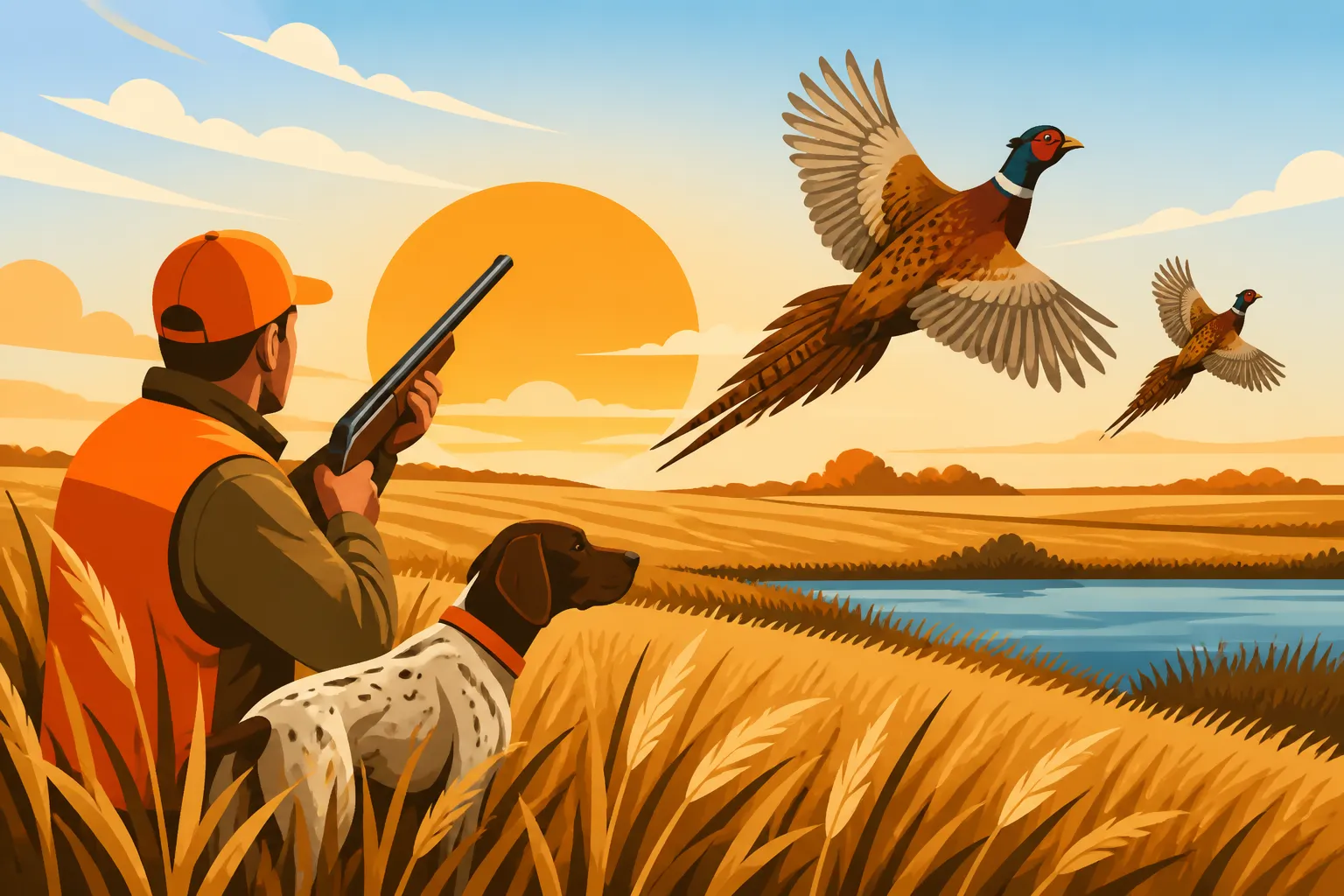
The beauty of OFW tracts for pheasant hunters lies in their diversity and strategic location. Unlike some larger, more heavily managed Wildlife Management Areas (WMAs) that might see a lot of pressure, OFW lands often consist of working agricultural fields, retired CRP ground, shelterbelts, and smaller pockets of cover that are absolutely ideal for pheasants. These tracts mimic the actual landscape pheasants live in day-to-day. You'll often find excellent habitat such as standing milo, corn stubble, thick grass cover, and even cattail sloughs on these properties. Because these areas are leased from private landowners, they can offer a wider range of habitat types and a more distributed hunting opportunity than a few concentrated public areas.
Another key characteristic of OFW tracts is that most are "Walk-In Only." This means no vehicles are allowed beyond designated parking areas, which can be both a challenge and a blessing. It means you'll have to rely on your own two feet, covering ground the old-fashioned way. This can deter some hunters, which, in turn, often means less pressure for those willing to put in the effort. For pheasant hunting, this is fantastic, as undisturbed birds are often more cooperative. It also forces you to slow down, really observe the cover, and strategize your approach, which is vital for flushing wily roosters. Knowing How Nebraska's Open Fields and Waters Works can give you a better appreciation for the effort put into securing this access.
Navigating the Public Access Atlas for Pheasant Hotspots
The single most important tool in your arsenal for hunting OFW lands is the Nebraska Public Access Atlas. This invaluable resource, available as a physical booklet, a PDF download, or a mobile app, details every piece of public and publicly-accessible land in the state, including all OFW tracts. It's updated annually, so always make sure you have the most current version. Without it, you're essentially hunting blind.
To find prime pheasant habitat, you'll need to develop an eye for what pheasants prefer. On the atlas maps, look for areas marked as CRP (Conservation Reserve Program) grasslands, which provide dense nesting and escape cover. Pay close attention to regions with a mix of row crops, especially corn and milo stubble, adjacent to heavier cover like shelterbelts, creek bottoms, or cattail sloughs. These transitions are pheasant magnets. For a deeper dive into specific areas, checking out Open Fields Tracts Best for Pheasants can narrow your search considerably.
Using the mobile app or downloading digital maps for offline use is a smart move, especially since cell service can be spotty in some of Nebraska's more rural areas. Tools like GoHunt can further enhance your scouting by overlaying public land boundaries onto satellite imagery, allowing you to visually inspect cover types, identify potential travel corridors, and even locate specific features like unharvested food plots or dense brush lines from the comfort of your home. This pre-hunt scouting is crucial for developing a game plan. When you're Reading the Nebraska Public Access Atlas, remember to look for these subtle details. It also helps to understand Downloading Nebraska Public Land Maps to ensure you have access when you're out of service range. Don't forget to study the boundaries carefully; these lines on a map represent real-world fences or property lines, and respecting them is paramount.
Strategies for Hunting OFW Pheasant Cover
Once you've identified an OFW tract on your Public Access Atlas that screams "pheasant," the real work begins. Hunting these areas effectively requires a blend of keen observation, strategic movement, and often, a good dose of persistence. Different types of cover demand different approaches, and understanding these nuances will significantly increase your chances of success.
Effective Walk-Up Tactics for Different Habitats
When you're out walking these tracts, think like a pheasant. Where would they hide? Where would they run?
- CRP Grasslands: These fields often hold the highest concentrations of birds, especially early in the season. A systematic approach is key here. If hunting with a group, spread out in a line, maintaining visual contact and walking into the wind, if possible. This allows your scent to carry ahead, potentially holding birds tighter. Work the field in a grid pattern, making sure to push towards any edges, treelines, or waterways, as pheasants often run ahead and flush at the field's boundary. If you're solo or with one partner, focus on working the edges first, then cutting into the field.
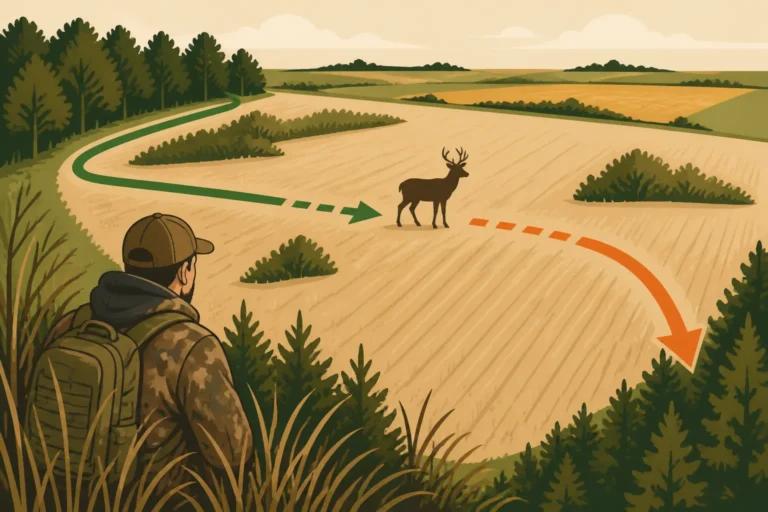
- Corn and Milo Stubble: After harvest, these fields become crucial feeding grounds and escape cover. Pheasants love to run through standing stubble. When hunting these areas, wind direction is your friend. Walk with the wind at your back to push birds forward, or into the wind if you want to try and get them to hold. Pay extra attention to corners, terraces, and areas where cover might be thicker, such as low spots or old pivot tracks. A common tactic in larger fields is "blocking and driving." With a group, some hunters act as "blockers" at the far end of the field, while others "drive" the field towards them, forcing birds to flush. For smaller fields, even a two-person team can effectively block one end while the other walks, as discussed in Blocking and Driving a Nebraska Field. For those looking for more specific tactics, check out Walking Milo and Corn Stubble for Pheasants.
- Cattail Sloughs and Shelterbelts: These dense cover types are absolute magnets for pheasants, especially later in the season or during bad weather. Birds will often dive into these impenetrable areas for refuge. Hunting them requires a slower, more deliberate approach. If you're hunting alone, try to work one side of the slough or shelterbelt, staying aware of birds that might flush out the opposite side. With a partner or two, you can effectively "pincer" these areas, with one hunter walking inside the thickest cover and another walking parallel along the edge, ready for escapees. Be prepared for explosive flushes at close range. Understanding Working a Cattail Slough in January can be very helpful for late-season success.
Always consider the wind. Pheasants will typically flush into the wind to get better lift, so positioning yourself downwind of where you expect them to flush can give you a better shot opportunity. Also, think about natural barriers. If a field borders a highway or a very open pasture, pheasants will often run to the opposite end, towards more desirable cover. Use fencelines, drainage ditches, and changes in topography to funnel birds or predict their escape routes.
The Role of Dogs in OFW Pheasant Hunting
While it's certainly possible to hunt pheasants on OFW tracts without a dog, having a well-trained bird dog is an undeniable advantage, almost to the point of being a necessity for consistent success. A dog's nose can find birds that you'd walk right past, and their ability to retrieve downed birds in thick cover is invaluable, preventing lost game.
When hunting with a dog on OFW lands, there are a few critical considerations:
- Safety First: Nebraska summers and early fall openers can be brutally hot, and dogs can quickly overheat. Carry plenty of water for your canine companion and be aware of the signs of heat exhaustion. Also, inspect your dog regularly for burrs, foxtails, and other thorny vegetation that can cause painful injuries. Dog boots can be a lifesaver in certain types of stubble or sandy terrain. For more on canine safety, read up on Water and Heat Risk for Bird Dogs.
- Training and Control: OFW tracts are open to the public, meaning you might encounter other hunters, hikers, or even livestock on adjacent private lands. A well-trained dog that quarters efficiently, is steady to flush, and comes when called is essential. An e-collar can be a useful training tool for reinforcing commands, but it's not a substitute for proper training.
- Retrieval: The real magic of a good bird dog comes into play after the shot. Pheasants are notoriously tough birds, and even a well-hit rooster can run or sail a considerable distance into thick cover. A dog's ability to track and retrieve these birds minimizes lost game and ensures you recover your hard-earned quarry. GoHunt's forums often have discussions about different breeds and training methods, providing a rich resource for dog owners.
Investing in quality Bird Dog Gear for Nebraska Heat or other essential equipment can make your dog's, and your own, hunting experience much safer and more enjoyable. Remember, a dog is a partner, and their well-being should always be a top priority.
Maximizing Your Success on OFW Pheasant Tracts
Hunting OFW tracts isn't just about showing up and walking; it's about strategic timing, understanding hunting pressure, and being prepared with the right gear. By paying attention to these details, you can significantly boost your odds of filling your vest.
Timing Your Hunts and Managing Pressure
When to hunt an OFW tract can be as important as how you hunt it. Pheasant behavior changes throughout the season, and so does hunting pressure.
- Early Season (Late October/November): The season opener and the first few weekends generally see the highest pressure on OFW tracts. Birds are less wary, and cover is often still dense. While you might encounter more hunters, there are also more birds around. Focus on those lesser-known or harder-to-reach tracts, or be prepared to walk further from parking areas to find unpressured birds. Arriving at first light can give you an edge before the crowds arrive. This is when Nebraska Pheasant Opener Crowds are at their peak.
- Late Season (December/January): As the season progresses, hunting pressure typically drops, and birds become much warier. Cover also changes; crops are fully harvested, and many grassy areas may be flattened by snow or wind. Pheasants will concentrate in the densest remaining cover—think cattail sloughs, thick shelterbelts, and unharvested food plots. This is when those challenging-to-hunt spots become prime territory. Be prepared for Late-Season Roosters and Longer Flushes as birds are much more inclined to run or flush wild at a distance. Cold weather often means birds hold tighter once you do find them, so patience and a slow, methodical approach are key.
- Weekdays vs. Weekends: This is a simple but effective strategy. If your schedule allows, hunting OFW tracts on weekdays will almost always result in encountering fewer hunters and less pressured birds. Weekends, especially during the firearm deer season, can be very crowded, so plan accordingly.
The concept of "second season pressure" also applies to OFW. After the initial rush, many hunters might give up, or birds learn to avoid certain areas. This can open up new opportunities for persistent hunters who are willing to put in the time to scout and hunt areas that might have seemed "shot out" earlier. Sometimes, a tract that was barren on opening weekend will hold birds again a few weeks later.
Essential Gear and Safety Considerations
Having the right gear isn't just about comfort; it's about safety and efficiency on the challenging Nebraska landscape.
- Shotgun and Loads: A 12-gauge or 20-gauge shotgun is standard for pheasants. For early season, #5 or #6 lead shot is usually sufficient. As the season progresses and birds become tougher or flush further, moving up to #4 lead shot can be beneficial. Remember that on many Nebraska WMAs and some federal properties (like certain OFW tracts), nontoxic shot is required. Always check the regulations for the specific area you're hunting. For a detailed discussion, see Shotguns and Loads for Nebraska Pheasants.
- Blaze Orange: This is non-negotiable for safety. Nebraska law requires hunters to wear 400 square inches of blaze orange on their head, chest, and back during specific seasons, especially during the November firearm deer season when archery seasons overlap, and it's generally a wise precaution any time you're afield on public access lands. A blaze orange vest and hat are standard. Make sure you meet the Nebraska's 400-Square-Inch Orange Rule.
- Clothing and Footwear: Nebraska weather can change on a dime. Layering is crucial. A good windproof and waterproof outer shell is invaluable. For footwear, invest in comfortable, durable, waterproof boots that can handle long walks through stubble, mud, or snow. Brush pants or chaps are highly recommended to protect your legs from thorns, burrs, and abrasive stubble. Think about Boots for Walking Milo Stubble as an example of specific footwear needs.
- Navigation: While the Public Access Atlas app is great, always have a backup. A handheld GPS unit or a fully charged phone with downloaded offline maps (perhaps through an app like GoHunt or onX Hunt) is critical for confirming your location and staying within OFW boundaries. Cell service can be unreliable in many rural areas, so don't depend solely on it.
- General Safety: Always know where your hunting partners are. Communicate frequently, especially when working through thick cover. Never shoot unless you have a clear understanding of your target and what lies beyond it. Be aware of private land boundaries, and never trespass. Having a small first-aid kit is also a good idea.
| Feature | Early Season Pheasant Hunting (OFW) | Late Season Pheasant Hunting (OFW) |
|---|---|---|
| Cover | Dense CRP, standing crops, lush field edges | Harvested stubble, thickest sloughs, shelterbelts |
| Bird Behavior | Less wary, hold tighter, may flush closer | Wary, run more, flush wild and at longer range |
| Hunting Pressure | Generally higher (especially opener/weekends) | Generally lower, but concentrated in key areas |
| Optimal Tactics | Grid patterns, pushing edges, dog work | Slow, methodical pushes into thick cover; blocking |
| Shot Placement | Often closer, quicker shots | Longer shots, requiring patience and good leads |
| Weather | Mild to warm, potential for heat exhaustion for dogs | Cold, snowy, windy; layering is crucial |
| Gear Notes | Water for dogs, lighter layers, good walking boots | Insulated boots, brush pants, warm layers, e-collar |
Disclaimer
The information provided in this guide is for informational purposes only and is not a substitute for official regulations. Hunting regulations, seasons, and access programs in Nebraska can change. Always consult the current Nebraska Game and Parks Commission hunting guide and map resources before planning any hunting trip. It is the hunter's responsibility to understand and adhere to all applicable laws and regulations.