Hunting a Pheasant Field Without a Dog
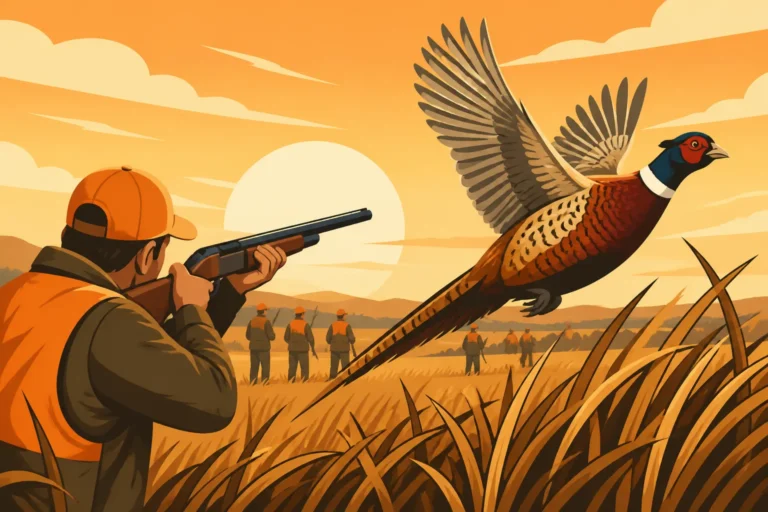
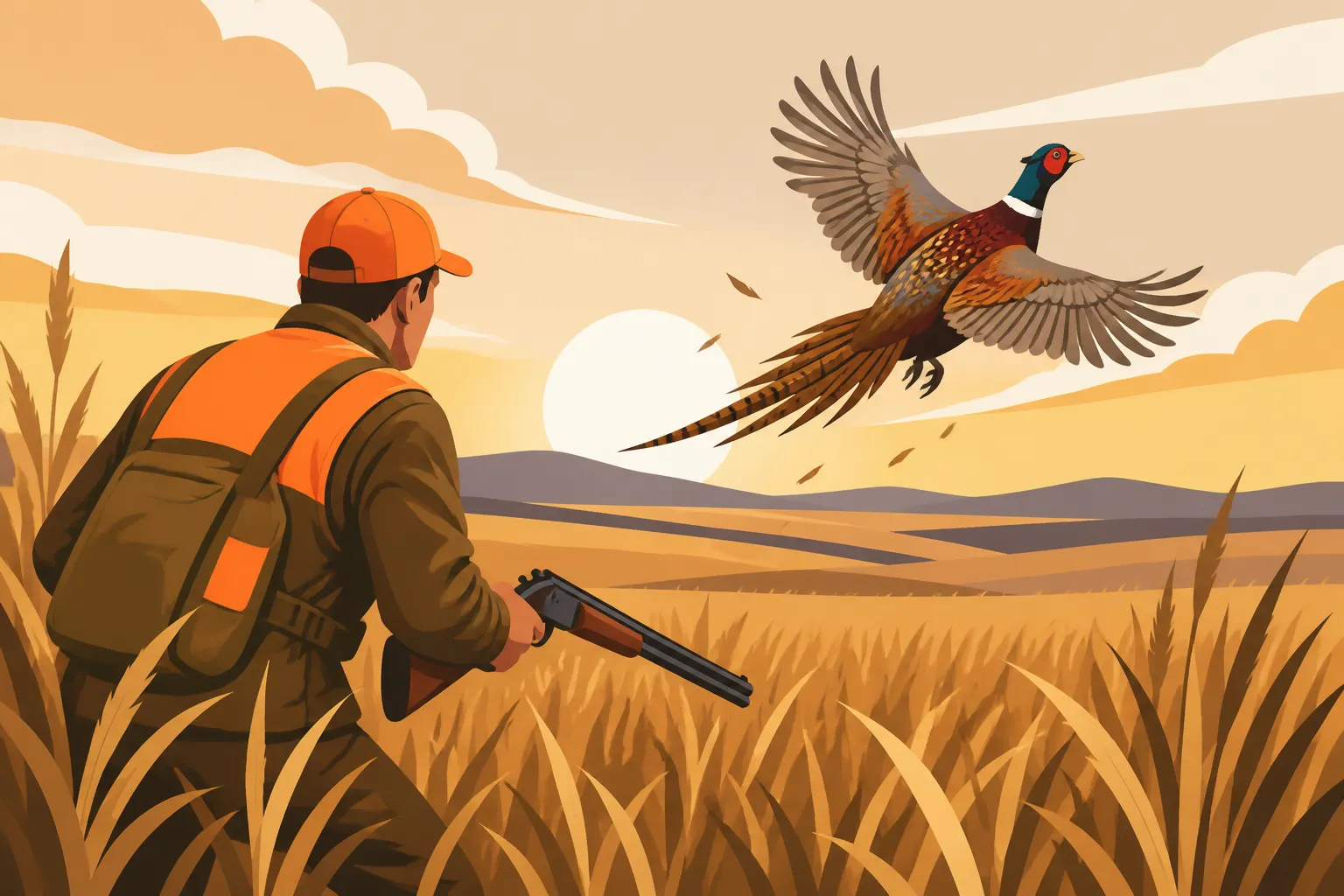
There’s a common misconception that if you don’t have a well-trained bird dog, hunting pheasants in Nebraska is a fool’s errand. Many hunters feel the sting of watching a rooster flush 80 yards out, wondering how they could possibly close that distance without a four-legged friend doing the work. You’re not wrong to feel that frustration; dogs are incredible assets. But let me tell you, with the right approach and a healthy dose of determination, you can absolutely find success hunting pheasant fields in Nebraska, even if your only companion is the open prairie wind. This guide will walk you through proven strategies for the dogless pheasant hunter, helping you turn those frustrating distant flushes into birds in the bag.
Understanding Pheasant Behavior When You're on Foot
Before we dive into tactics, it's crucial to get inside a pheasant's head, especially when there isn't a persistent canine nose trailing them. Roosters are masters of evasion, and without a dog to push them, they rely heavily on their eyesight, hearing, and incredible ability to run.
The Rooster's First Line of Defense: Running
Pheasants are built to run. Their long legs and powerful stride allow them to cover ground quickly, often staying just out of sight in surprisingly sparse cover. When they hear or see a human approaching, their first instinct is rarely to fly, especially if they have an escape route on the ground. This tendency is amplified in open Nebraska fields where dense cover can be patchy. They'll sneak ahead, using ditches, fencelines, and even small changes in elevation to keep a barrier between themselves and you. This is why walking too fast or in a straight line often results in birds flushing far ahead, well out of shotgun range. They’ve simply outrun you. Knowing this means you need to adjust your pace and awareness.
When and Why They Flush: The Pressure Point
A pheasant will only flush when it feels its running escape route is cut off, or when the pressure becomes too intense. For a dogless hunter, this means you need to create that pressure strategically. Think of it like herding. You're trying to funnel the bird into a situation where flying is its only option. Factors like open ground ahead, a sudden change in cover, or hitting an uncrossable boundary (like a road or thick fenceline) can force a flush. Wind direction also plays a critical role. Pheasants often prefer to run into the wind, as it makes flushing easier for them. Walking with the wind at your back might push birds ahead of you even faster, leading to more distant flushes. Conversely, walking into the wind can make them hold tighter, as they're reluctant to launch themselves directly into it. This is a key detail to remember when you're planning your approach to a field.
Strategic Field Walking Techniques for Dogless Hunters
Successfully hunting pheasants without a dog means becoming a more deliberate and observant hunter. You'll need to adapt your walking patterns and use the terrain to your advantage to maximize your chances of getting a close-range flush.
The Slow and Deliberate Grid Pattern
Forget covering ground quickly. When you're dogless, speed is your enemy. Instead, embrace a slow, methodical pace. Imagine dividing the field into a grid, and systematically work each section. Instead of walking one long line down the middle, try walking shorter, overlapping lines. For instance, if you're hunting a rectangular field, start along one edge, walk 50-75 yards, then turn and walk parallel to your first line, 10-15 yards over. Repeat this "zigzag" or "grid" pattern across the field. This ensures you’re thoroughly covering the cover and giving birds less opportunity to slip by unnoticed.
When you hit a dense patch of cover or a transition line – like where stubble meets taller grass – slow down even further. Kick at the base of thick clumps, stomp your feet, and pause frequently. Those pauses can be just as effective as walking, sometimes even more so. A rooster that was running might freeze, thinking you've passed, only to flush when you start moving again, or when you pause and it realizes it's still in danger. This requires immense patience, but it pays off in closer flushes. When you're scouting areas, keep an eye out for diverse cover types, which often hold birds, and consider consulting resources like the Reading a Cedar Draw for Deer Movement guide for understanding how animals use varied terrain, even if the target species is different.
Utilizing Terrain and Natural Funnels
Nebraska fields aren't always flat. You'll find ditches, terraces, creek bottoms, and shelterbelts that act as natural travel corridors and holding cover for pheasants. These are your best friends as a dogless hunter. Instead of walking randomly, identify these features and plan your walk around them.
Walk parallel to ditches, but not directly in them, forcing birds hiding within to either run out or flush. Approach the ends of shelterbelts or tree lines cautiously, as pheasants will often run the length of them before flushing at the end. Corners of fields, especially those near heavier cover, are notorious hotspots.
Think about how birds might try to escape. If you're walking a field with a road on one side, try walking towards the road, but cutting off their escape. This creates a natural barrier that makes them more likely to flush. Using topography to your advantage, such as Setting Up on a Terrace Bench for deer, offers similar lessons in understanding how game animals use subtle changes in elevation for cover and movement. Tools like the GoHunt app can be invaluable here, offering detailed aerial maps that help you identify these subtle terrain features and plan your approach before you even step foot in the field.
The "Block and Flush" with Friends (if possible)
While this guide focuses on hunting without a dog, it's worth mentioning that hunting with other humans can mimic a dog's effect. If you have a partner or two, you can set up a "blocker" at one end of a field or a patch of thick cover, while "walkers" slowly push towards them. This is a highly effective tactic, as the birds are pushed towards a waiting gun. This is not strictly "without a dog," but it's "without your dog." If you can coordinate with a friend, consider trying this.
If you are hunting solo, you can still use this principle on smaller patches of cover or at field corners by circling around to cut off a likely escape route before slowly approaching the cover. This takes more planning and patience but can yield results. For group dynamics and how to cover ground effectively, the principles in Blocking and Driving a Nebraska Field are highly applicable, even if adapted for smaller groups or solo efforts.
Identifying Productive Pheasant Cover in Nebraska
Knowing how to walk a field is only half the battle; you also need to know where to walk. Nebraska offers a diverse range of habitats, and some are far more promising for dogless pheasant hunters than others.
Corn Stubble, Milo, and Other Cropland Edges
After harvest, standing corn and milo fields can be absolute magnets for pheasants. While you can’t walk a standing cornfield efficiently without a dog (and it's generally frowned upon before harvest), the stubble fields after the combines have run through are prime real estate. Walking Milo and Corn Stubble for Pheasants is a tried and true tactic. Pheasants will feed on waste grain and use the remaining stubble for cover. Pay particular attention to field edges, especially those bordering shelterbelts, grass waterways, or CRP fields. These transition zones are where birds feel safe loafing and feeding. When the corn comes off, things change dramatically in the Nebraska landscape. Focusing on the remaining cover in these harvested fields is paramount.
Look for areas where the stubble is a bit thicker, or where there are slight depressions that collect snow or offer more concealment. Pheasants also love to hunker down in old pivot corners that haven't been farmed. These overlooked pockets of cover can hold multiple birds. Don't overlook the subtle nuances of these fields; they're not all created equal. Even small rises or drainage areas can concentrate birds.
Grasslands, CRP, and Shelterbelts
While dense, unbroken grassland can be incredibly challenging without a dog, certain types of grass cover are worth investigating. CRP (Conservation Reserve Program) fields, especially those with a mix of taller grasses and some brushy components, are classic pheasant habitat. These areas offer excellent thermal cover in winter and nesting cover in spring. When hunting these, focus on the edges where they meet croplands, or where there are breaks in the cover, like old farm roads or drainage ditches.
Shelterbelts, those linear plantings of trees and shrubs, are crucial pheasant magnets in Nebraska. They provide vital thermal cover during harsh winters and escape routes. Always approach shelterbelts with caution, walking the upwind side if possible. Birds will often run the length of the belt before flushing at an end or where the cover thins. A common mistake is to walk right through the middle, letting birds slip out the sides. Instead, try to work one side, or if with a partner, one person on each side to maximize pressure. For understanding larger landscape patterns, exploring resources like the Nebraska Public Access Atlas can help you pinpoint promising public land tracts that contain these diverse cover types.
Essential Gear and Safety Considerations for the Dogless Hunter
Going afield without a dog means you bear all the responsibility for finding birds, staying safe, and retrieving your harvest. The right gear can make a big difference.
Footwear, Clothing, and Blaze Orange
You're going to be walking a lot, often through tough terrain like stubble, mud, and possibly snow. Comfortable, durable, and waterproof boots are non-negotiable. Look for boots with good ankle support to prevent twists and turns on uneven ground. Brands like Irish Setter or Danner are often popular choices among serious upland hunters. Your clothing needs to be layered to adapt to Nebraska's notoriously unpredictable weather. Start with a moisture-wicking base layer, add insulating layers, and top it with a windproof and water-resistant outer shell. You'll work up a sweat, so being able to shed layers is key.
Crucially, blaze orange is not optional. Nebraska law requires 400 square inches of blaze orange on your head, chest, and back during the firearm deer season, and it's always a good idea when upland bird hunting, even outside those specific dates. A good blaze orange vest and cap are essential. Not only does it keep you legal, but it makes you highly visible to any other hunters in the area, a critical safety measure, especially on Nebraska Public Hunting Land. A solid vest with plenty of game and shell pockets will make your life much easier.
Shotgun, Ammunition, and Marksmanship
Your shotgun choice should be reliable and comfortable for long walks. A 12-gauge or 20-gauge pump or semi-auto is standard. Practice should focus on quick, instinctive shots, as dogless flushes can be sudden and fast. You won't have the luxury of a dog pinning a bird for a calm setup. For ammunition, consider Shot Sizes for Late-Season Nebraska Roosters, which often need a bit more punch. For early season, 6s or 7.5s are common, but as birds get tougher and the cover gets thinner, 4s or even 5s can be more effective.
Remember that federal and some state public lands require non-toxic shot for waterfowl and sometimes for upland game. Always check the regulations for the specific area you are hunting. On Nebraska Wildlife Management Areas (WMAs), for instance, non-toxic shot is required for all hunting on those areas, not just waterfowl. For Choke Choice for Walking Birds, a modified choke is a good all-around choice, offering a decent pattern density without being too tight for close flushes. Always carry enough shells, but don't overload yourself – every ounce matters on a long hike.
Retrieval and Field Care for Your Harvest
One of the biggest challenges for a dogless hunter is retrieval, especially if a bird falls in thick cover or runs after the shot. Without a dog to pinpoint the exact location, you need a meticulous approach.
Marking the Fall and Grid Search
When a bird goes down, immediately mark the spot where you last saw it or heard it hit the ground. Pick out a prominent landmark: a unique tree, a fence post, a large clump of grass, or even align it with a distant silo or power pole. Do not take your eyes off that spot until you are right there. Once you reach the general area, if the bird isn’t immediately visible, slow down and conduct a thorough grid search. Walk in ever-widening circles or a systematic grid pattern around your marked spot.
Pheasants are masters of camouflage, and a downed bird can disappear into surprisingly sparse cover. Take your time, walk slowly, and use your feet to kick at clumps of grass or stubble. If the bird is wounded, it might try to run, so expand your search outwards, especially along lines of thicker cover like ditches or fencelines. A wounded pheasant often won't make much noise, so visual searching is key. This is where a bright piece of blaze orange on your hat or vest can be invaluable, as you can take it off and lay it down as a reference point for your search grid.
Field Dressing and Cooling
Once you’ve successfully retrieved your bird, proper field care is essential, especially on warmer days. Though pheasants are smaller than deer, the principles of Field Dressing and Cooling Game in Warm Weather still apply. The sooner you can cool the bird down, the better the meat quality will be. Many hunters will simply pluck or breast out pheasants right in the field, especially if they're still several hours from home. Removing the guts and feathers allows the carcass to cool much faster.
Carry a few plastic bags to keep the meat clean, and a small, sharp knife for field dressing. If you’re not plucking immediately, at least open the body cavity to allow heat to escape. If you're going to be out all day, consider carrying a small soft-sided cooler with an ice pack in your vehicle to transfer the birds to as soon as you get back. Proper care ensures your hard-earned bird tastes as good as the hunt felt.
| Field Type | Dogless Walking Strategy | Pheasant Behavior (Dogless) | Retrieval Notes |
|---|---|---|---|
| Corn Stubble | Slow, methodical zig-zag. Focus on edges and low spots. | Runs extensively; holds tight in thicker stubble or depressions. | Can be challenging; meticulous grid search vital due to camouflage. |
| Milo Stubble | Similar to corn stubble; check thicker patches and fencelines. | Excellent cover for running; often holds until pressured. | Similar challenges to corn; birds can "melt" into the stubble. |
| CRP Grassland | Work edges where grass meets crops; pause and stomp. | Runs along cover lines; flushes when escape is cut off. | Higher risk of lost birds if they fall in deep grass. Mark fall precisely. |
| Shelterbelts | Walk one side, forcing birds to run the length; pressure ends. | Runs down the belt; flushes at ends or breaks in cover. | Can be easier due to linear nature, but watch for birds exiting the sides. |
| Creek Bottoms | Walk parallel to the creek; investigate thick brush and banks. | Uses dense cover for hiding; may fly along the creek bed. | Very challenging due to thick cover. Prepare for difficult retrieves. |
Disclaimer
Hunting carries inherent risks, and it is the responsibility of each individual hunter to understand and comply with all applicable laws and regulations. This guide provides general information and recommendations and should not be considered a substitute for personal research, safety training, or professional advice. Always prioritize safety, respect wildlife, and obtain all necessary permits and licenses before heading afield. Seasons, bag limits, and regulations can change, so consult the Nebraska Game and Parks Commission website for the most current information.