Packs for a Day on Public Ground
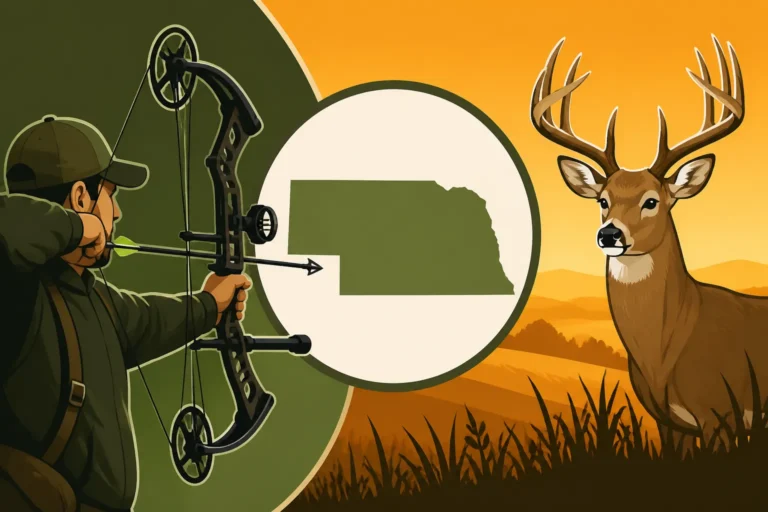
There’s nothing quite like the feeling of heading out onto public land in Nebraska, knowing that a full day of hunting adventure stretches before you. But that excitement can quickly turn to frustration – or even worse, a risky situation – if your day pack isn’t up to snuff or you've packed it poorly. Many hunters grapple with finding that perfect balance: carrying enough essentials without feeling like you’re hauling a backpacking rig through the cattails or the Sandhills. This guide is all about helping you sort through the options and strategies for packing smart for a successful day of hunting on Nebraska's diverse public access ground.
The Unique Demands of Public Land Hunting in Nebraska
Hunting public land in Nebraska isn't like stepping into a well-managed private parcel where every tree stand is pre-hung and the deer walk by on a schedule. It demands a higher level of self-sufficiency and preparation, largely because you're often covering more ground, encountering varied conditions, and are typically further from your vehicle or immediate assistance.
Navigating Diverse Terrains and Unpredictable Weather
Nebraska's public hunting lands offer a rich tapestry of environments, each presenting its own challenges that directly impact what kind of pack you need and what goes inside it. You might find yourself still-hunting river bottoms thick with cottonwoods and cedar, where navigating through tangles of undergrowth requires a pack that won't snag or add bulk. Then there are the vast, open expanses of the Sandhills or the Oglala National Grassland, where glassing for mule deer means spending hours on your feet, often exposed to the elements.
Consider the quick shifts in Nebraska weather. A crisp, cool morning in October bowhunting can quickly turn into a warm, sunny afternoon, requiring you to shed layers. Conversely, a mild November day can abruptly be met with a cold front, strong winds, or even an unexpected snow squall. Your pack needs to accommodate those layers you shed or need to add back on, along with keeping them protected from precipitation. If you're out Walking Nebraska Pheasant Cover With a Dog in December, you might start in frosty conditions, work up a sweat, and then face a bitter wind on your way back to the truck. A robust, weather-resistant pack that can handle a light drizzle or keep your spare gloves dry is invaluable.
Tailoring Your Pack for Different Game Species
What you hunt drastically changes your packing list. A whitetail hunter creeping through a timbered creek bottom with a bow has different priorities than a pheasant hunter walking milo stubble with a shotgun. For a deer hunter, silence is paramount. Every buckle, every zipper pull, every item inside your pack must be quiet. You'll likely be carrying optics like binoculars and perhaps a spotting scope, a rangefinder, scent control items, and maybe a grunt tube or rattling antlers. You might need a small saw for shooting lanes or zip ties for a tag. Rattling and Grunting in Nebraska's Rut can really pay off, but only if your equipment doesn't give you away.
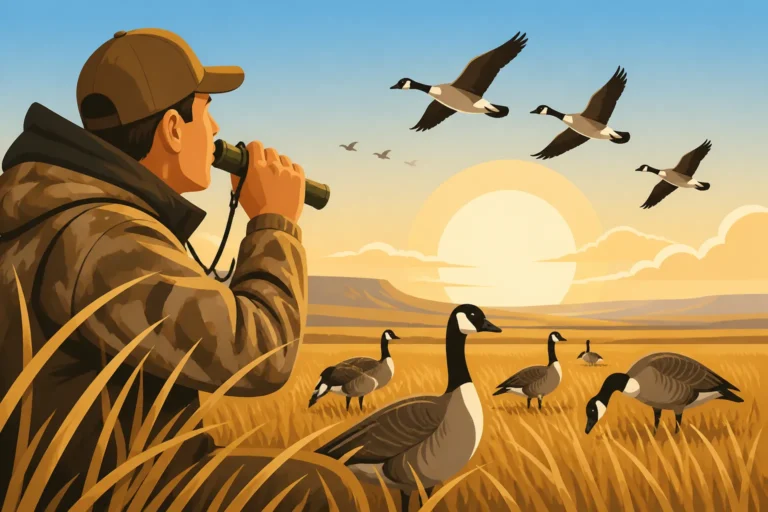
On the other hand, an upland bird hunter chasing pheasants or prairie grouse across open fields will prioritize water – for themselves and especially for their dog. Dog first-aid, extra shells, and blaze orange are non-negotiable. Their pack might be smaller, often a vest-style pack, but it needs quick access to water bottles and secure pockets for electronics like a GPS or dog collar remote. For a spring turkey hunter, decoys, calls, and perhaps a seat cushion will take up significant space, dictating a pack with external straps or larger compartments. Each species demands a unique set of gear, and your pack needs to be versatile enough to carry it efficiently.
The Importance of Self-Sufficiency on Remote Public Ground
When you’re hunting Scouting Nebraska Public Ground Before Opening Day, you'll quickly realize that many tracts of public land, particularly those managed by the Nebraska Game and Parks Commission or part of the Open Fields and Waters program, can be quite remote. Unlike a private lease where you might have an ATV or a cabin nearby, public land often means longer walks from your vehicle and being miles from cell service or other people. This reality amplifies the need for self-sufficiency.
Breaking down, getting lost, or sustaining an injury when you're far from help can be a serious issue. Your day pack becomes your lifeline, holding everything you need to solve common problems or survive an unexpected night out. This includes basic first aid for minor cuts or blisters, navigation tools in case your phone dies (which it inevitably will at the worst possible moment), a way to make fire, and enough water to stay hydrated. Think about the peace of mind knowing you have a small emergency kit in your pack, even if you never have to use it. It's not about being a doomsday prepper; it's about being a responsible, realistic hunter.
Selecting the Perfect Day Pack for Your Nebraska Hunt
Choosing a day pack might seem straightforward, but for hunters, there are specific features that can make or break your experience. It's more than just a bag; it's a critical piece of gear that helps you stay comfortable, organized, and effective in the field.
Capacity Considerations: Not Too Big, Not Too Small
This is perhaps the biggest dilemma. Too large, and you’re lugging unnecessary bulk and weight, tempting you to overpack. Too small, and you’re leaving critical items behind or trying to stuff things into pockets that barely fit. For a typical day hunt in Nebraska, most hunters find a sweet spot in the 2,000 to 3,500 cubic inch (roughly 30 to 55 liter) range.
- Smaller Packs (1,000-2,000 cu in / 15-30 liters): These are great for quick, light hunts, like a morning pheasant walk close to the truck or an archery stand hunt when the weather is stable and you're not carrying many layers. Think minimal water, a few snacks, a small first-aid kit, and essential tools. If you're just bringing a rangefinder, calls, and a bottle of water, a smaller pack is sufficient.
- Medium Packs (2,000-3,500 cu in / 30-55 liters): This is the workhorse range for most Nebraska day hunts. It provides enough space for multiple layers of clothing, a substantial amount of water, extra food, optics, a solid first-aid kit, and species-specific gear. This size is ideal for all-day deer hunts, especially during Hunting the Pre-Rut in Late October or when the weather is variable. It also gives you some room for a small game bag if you happen to harvest something like a coyote or a turkey.
- Larger Day Packs (3,500+ cu in / 55+ liters): While technically still a "day pack," these start to border on overnight packs. They're useful if you're venturing deep into remote country, plan to pack out a large game animal like a mule deer quarter, or anticipate needing a lot of extra gear for extreme conditions. They often come with a frame system to help manage heavier loads.
Ultimately, consider the longest, most gear-intensive hunt you plan to undertake in a single day, and size your pack accordingly.
Durability, Material, and Weather Protection
Nebraska hunting means encountering a lot of abrasive surfaces, from thorny multiflora rose thickets along creek bottoms to sharp corn stubble in harvested fields. Your pack's material needs to be tough.
- Material: Look for robust fabrics like Cordura nylon (500D or 1000D are common) or thick ripstop nylon. These materials resist tearing and abrasion much better than lighter consumer-grade fabrics. For deer or turkey hunting, consider packs made with quiet fabrics that won't rustle or make noise when brushed against branches. Many modern hunting packs use brushed tricot or similar quiet textiles.
- Durability: Beyond the fabric, examine the zippers, buckles, and stitching. YKK zippers are a common hallmark of quality. Reinforced stitching at stress points (where straps attach, around high-use pockets) is critical. A pack with cheap zippers will fail you when you least expect it.
- Weather Protection: While few packs are truly waterproof without a specialized liner, look for those with a Durable Water Repellent (DWR) coating. This will shed light rain and dew, keeping your gear dry. Many packs also come with an integrated rain cover, which is a fantastic feature for Nebraska's unpredictable weather. If yours doesn't, a separate pack cover is a wise investment to protect your gear during a sudden downpour, especially when you're out Still-Hunting a Snow-Covered River Bottom.
Fit and Comfort for Long Days Afield
A pack that doesn't fit well is a miserable companion, turning a great hunt into a painful slog. This is especially true when you're covering miles of ground, whether that's Walking Nebraska Sandhills Meadows for Sharptails or still-hunting through river bottoms.
- Shoulder Straps: They should be well-padded and contoured to distribute weight comfortably across your shoulders without digging in.
- Hip Belt: A good hip belt is crucial for transferring most of the pack's weight (70-80%) to your hips, relieving your shoulders. It should be wide, padded, and wrap securely around your hips. Look for packs where the hip belt is removable or adjustable if you prefer to go without for lighter loads.
- Sternum Strap: This small strap across your chest connects the shoulder straps, helping to stabilize the load and keep the shoulder straps from slipping.
- Back Panel: A well-designed back panel will provide ventilation to prevent sweat build-up and offer adequate padding for comfort against your back. Some packs feature an internal or external frame that helps distribute weight and maintain the pack's structure, which is especially beneficial if you anticipate hauling heavy loads like meat.
- Adjustability: If possible, try on packs with different weights in them. Look for models with adjustable torso lengths, which allow you to fine-tune the fit to your specific body size. Even small adjustments to load lifters (straps connecting the top of the shoulder straps to the pack body) can make a huge difference in how the pack carries.
Organization and Accessibility: Making Your Gear Work for You
A well-organized pack means less fumbling, less noise, and quicker access to essential items. No one wants to dig through a chaotic main compartment when a coyote is coming to a call or a big buck is slipping through the timber.
- Compartments and Pockets: Look for packs with multiple compartments and internal or external pockets. Side pockets are ideal for water bottles or spotting scopes. Hip belt pockets are invaluable for quick-access items like a rangefinder, snacks, or wind checker. A dedicated main compartment, perhaps with a divider, helps keep larger items separate.
- External Straps: Compression straps are great for cinching down the load and keeping it stable. External lashing points or straps are perfect for securing a jacket, a small stool, or even a turkey decoy outside the main compartment.
- Front Access vs. Top Loader: Some packs open only from the top, while others have a full front panel zipper for easy access to the entire contents. Consider which style suits your hunting needs. A front-loader can be fantastic for finding that one item buried at the bottom without emptying everything out.
Essential Gear for Your Nebraska Public Land Day Pack
Now that you have a pack picked out, what exactly should go in it? This is where the "day" in day pack can get a little tricky, as a day in Nebraska can stretch from dawn until dusk, potentially miles from the nearest road.
The Non-Negotiable Survival and Safety Items
These are the items that should always be in your pack, regardless of the species you're chasing or the weather forecast. They are your insurance policy against the unexpected.
- First-Aid Kit: A compact, well-stocked kit is paramount. Include items for blisters, cuts, pain relief, antiseptic wipes, and any personal medications.
- Navigation: A reliable GPS unit (like a Garmin inReach or a handheld GPS) or a fully charged smartphone with offline maps (such as those offered by GoHunt, which often integrates land ownership layers) is crucial. Always carry a physical map of the area and a compass as a backup, and know how to use them.
- Headlamp/Flashlight: Even if you plan to be back before dark, things happen. A small, bright headlamp with extra batteries is essential for navigating in low light or tracking a deer after sunset. Blood Trailing After Dark in Nebraska is much safer with good light.
- Fire Starter: Waterproof matches, a lighter, or a ferro rod can provide warmth, signal for help, or boil water in an emergency.
- Multi-tool/Knife: A good sharp knife is a hunter's best friend. A multi-tool adds versatility for quick fixes.
- Water and Filtration: Carry more water than you think you'll need, especially on warmer days or when covering lots of ground. A small water filter or purification tablets can be a lifesaver if you run out and find a water source.
- Emergency Shelter: A lightweight emergency blanket, space blanket, or a small tarp can provide critical warmth and protection from the elements if you get stranded or injured.
- Whistle/Signal Mirror: Simple, lightweight tools that can help rescuers locate you.
- Communication Device: A fully charged cell phone (even if out of service, it can still call 911), or better yet, a satellite messenger (like an inReach or Zoleo) for truly remote areas, especially if you're Hunting the Nebraska Sandhills Without Permission in vast, remote tracts.
Species-Specific Gear Additions to Maximize Success
Once your essentials are covered, customize the rest of your pack based on your target.
- Deer Hunting:
- Optics: Binoculars (10×42 or 12×50 are popular for Nebraska's open country) and potentially a compact spotting scope if you're glassing vast areas for mule deer. Binocular Magnification for the Sandhills is key for judging distance.
- Rangefinder: Critical for accurate shot placement, especially with a bow or in open country.
- Game Bags: Lightweight, breathable game bags are vital for keeping meat clean and cool, particularly during Field Dressing and Cooling Game in Warm Weather.
- Calls/Scent Control: Grunt tubes, rattling antlers, estrus scents, and scent eliminators.
- Licensing/Tags: Your permit and proper tagging materials are always a must.
- Upland Bird Hunting:
- Dog Gear: Water for your dog (a collapsible bowl is handy), dog first-aid kit, and an e-collar remote.
- Extra Shells: More than you think you’ll need, especially if the birds are wild.
- Blaze Orange: If required, carry extra vests or hats, especially if you're bringing a new hunting partner. Nebraska Blaze Orange Square Inches rule means you'll need adequate coverage.
- Bird Vest/Game Bag: Many upland hunters prefer a dedicated bird vest, but a pack with external loops or a large game pouch can serve a similar purpose.
- Turkey Hunting:
- Calls: A variety of calls – slate, box, diaphragm – to mimic different turkey sounds.
- Decoys: Collapsible turkey decoys (hen, jake, or gobbler) can be invaluable.
- Seat Cushion/Pad: For comfortable sitting during long waits.
- Face Mask/Gloves: Essential for concealment.
Fueling Your Body: Food, Water, and Layering
Staying fueled, hydrated, and comfortable directly impacts your focus and endurance throughout the day.
- Food: High-energy, non-perishable snacks are ideal. Think granola bars, jerky, nuts, dried fruit, or a sandwich. Pack more than you anticipate eating.
- Hydration: Beyond your emergency water, consider a hydration reservoir (bladder) in your pack for easy access to water on the move. Insulated sleeves for the hose can prevent freezing in cold weather. Carry electrolytes in warm weather.
- Layering System: This is crucial for Nebraska's fluctuating temperatures.
- Base Layer: Wicks moisture away from your skin (merino wool or synthetic).
- Mid-Layer: Provides insulation (fleece, down, or synthetic puffy).
- Outer Shell: Windproof and water-resistant/waterproof layer to protect against the elements.
Carry at least one extra mid-layer and a good outer shell in your pack. When you're Cold Weather Sitting Strategy in a deer stand, having an extra puffy jacket makes all the difference.
Smart Packing Strategies for Efficiency and Quiet Movement
It's not just what you pack, but how you pack it. A well-packed bag feels lighter, is easier to navigate, and won't betray your presence to wary game.
Optimizing Weight Distribution and Quick Access
The heaviest items should be placed closest to your back, ideally between your shoulder blades. This helps center the load and keeps it from pulling you backward, reducing strain on your shoulders and back.
- Bottom of Pack: Sleeping bag (if on a larger pack), extra clothes, or other bulky items you won't need until much later in the day.
- Middle/Closest to Back: Water reservoir, heavy food items, extra ammo, or heavy optics.
- Top of Pack/Quick Access Pockets: Rain gear, snacks, headlamp, first-aid kit, calls, wind checker, knife. These are the items you might need immediately without rummaging.
- Side Pockets: Water bottles, tripod for optics, or a compact saw. Hip belt pockets are invaluable for rangefinders, chapstick, or a small GPS.
Distribute weight evenly from side to side to prevent the pack from listing, which can throw off your balance and cause discomfort.
Minimizing Noise and Controlling Scent
For deer and turkey hunters especially, noise and scent control are paramount.
- Quiet Packing: Wrap any hard, noisy items (like rattling antlers, metal calls, or a thermos) in soft clothing, a bandana, or even a piece of felt. Ensure zippers aren't clanking. Consider using silent zipper pulls or covering metal ones with electrical tape. Make sure items aren't rattling against each other inside the pack.
- Scent Control: Use scent-free bags or specialized scent-control compartments within your pack for your hunting clothes, especially base layers. Keep items that might carry strong odors (like food wrappers or trash) in dedicated, sealed bags. For deer hunting, every little bit helps when you're trying to fool a mature buck.
Maximizing Space with External Attachments and Compression
Modern hunting packs are designed to be flexible. Don't be afraid to use the external features.
- Compression Straps: Cinch down all compression straps, whether internal or external. This pulls the load closer to your body, prevents shifting, and makes the pack feel more stable. It also reduces bulk, which is helpful when moving through dense cover.
- External Lashing Points: If your pack has external straps or lashing points, use them for bulky but lightweight items like a rolled-up jacket, a blind chair, or even a small game animal (like a rabbit or squirrel) if you want to keep it outside the main compartment. This frees up valuable internal space for more critical gear. Just ensure anything attached externally is secure and won't snag or create noise. You might even use these to carry your trekking poles when not in use, which can be invaluable when Getting a Deer Out of a Nebraska Sandhills Basin.
Hunting on Nebraska's public lands is an incredibly rewarding experience, but it demands smart preparation. Your day pack is far more than just a carrying case; it's a mobile base of operations that can make the difference between a successful, comfortable hunt and a frustrating, or even dangerous, day. Invest in a quality pack, fill it with the right gear, and pack it with intention, and you'll be ready for whatever the Nebraska wilderness throws your way.
Disclaimer
This article is for general informational purposes only and does not constitute professional advice. Laws, prices and regulations vary by location and change over time. Consult a qualified professional for guidance on your specific situation.