Stalking Pronghorn on Nebraska Grassland
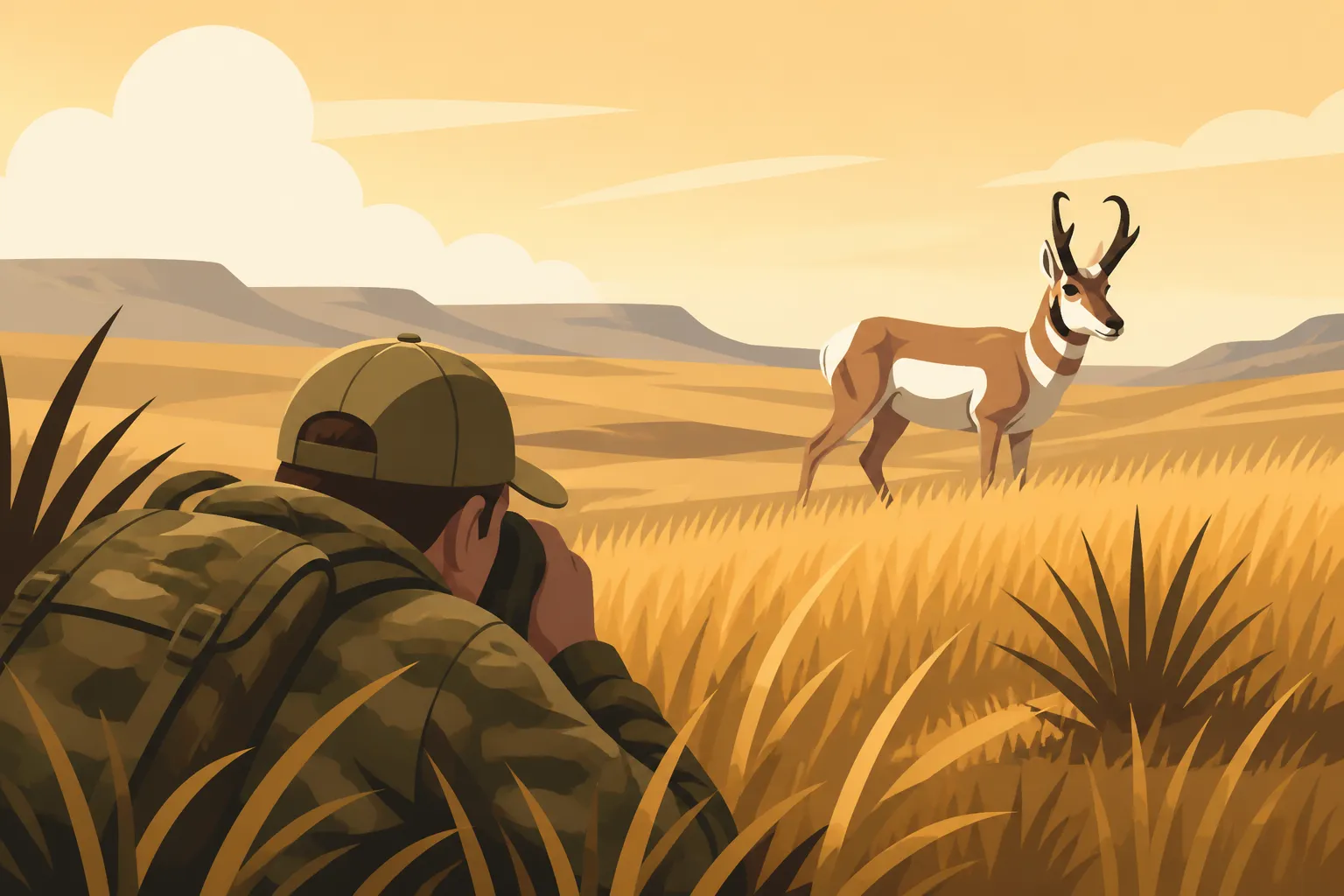
Stalking a pronghorn on Nebraska’s vast grasslands can feel like trying to catch smoke in a sieve. Their incredible eyesight, coupled with the wide-open country they call home, presents one of the most demanding and rewarding hunting challenges. This guide will walk you through the nuances of successful pronghorn stalking in Nebraska, offering practical strategies to turn those distant specks into a memorable harvest.
Understanding the Pronghorn's Senses and Habitat
Before you even think about taking a step in their direction, you've got to truly appreciate what you're up against. Pronghorn aren't just fast; they're equipped with an arsenal of senses that make them incredibly tough to approach, especially in the vast, unforgiving expanses of Nebraska.
Pronghorn's Unmatched Eyesight
Let's be honest, pronghorn have vision that puts a military-grade telescope to shame. They can spot movement from miles away, making a successful stalk on the open prairie feel almost impossible. Their eyes are large, set high on their heads, and give them a nearly 360-degree field of view without needing to move their heads much. Imagine trying to sneak up on an animal that can see you scratch your nose from two miles out. That's the challenge. This incredible visual acuity means that any exposed movement, no matter how subtle, is likely to be picked up, blowing your stalk before it even truly begins. You might think you're perfectly hidden behind a small rise, only to realize the pronghorn has been watching you the entire time, just waiting for you to make a mistake.
The key frustration here is the lack of traditional cover. Unlike hunting deer in thick timber, where you can often use trees and brush to break up your silhouette, the Nebraska grasslands offer very little. A small clump of yucca, a solitary sagebrush, or a subtle dip in the terrain might be all you have to work with. This amplifies the challenge of their eyesight, as every inch of exposed ground becomes a potential billboard advertising your presence. It forces you to be hyper-aware of every undulation in the landscape and every opportunity to stay low and out of sight.
The Role of Wind and Thermals
While their eyes get most of the credit, don't underestimate the pronghorn's nose. They might not have the olfactory prowess of a whitetail, but they're still keen to pick up human scent. More importantly, wind direction dictates much of their movement and how they perceive their surroundings. Playing the wind isn't just a suggestion; it's a non-negotiable rule when stalking pronghorn. If your scent drifts towards them, even from a considerable distance, they're likely to pick it up and bolt.
The challenge intensifies when you consider thermals, especially in the morning and evening. As the sun rises and warms the earth, thermals lift, carrying scent upwards. In the evening, as the air cools, thermals drop, pushing scent down into low-lying areas. This means a perfectly planned stalk in the morning might be ruined by changing thermals mid-day, or a downhill approach in the evening could send your scent swirling directly to your quarry. Understanding how Wind and Thermals in the Sandhills behave is crucial, as even a slight breeze can carry your scent for hundreds of yards, making an otherwise perfect stalk unravel in an instant. Always be conscious of the wind direction and how it might shift as the day progresses.
Key Grassland Habitat Features
Nebraska's grasslands, particularly the Sandhills, are a unique and often deceptive landscape. What appears flat from a distance often reveals subtle rolls, ridges, and hidden basins upon closer inspection. These features, though seemingly insignificant, are vital to successful pronghorn stalking. Pronghorn thrive in these open, arid to semi-arid environments, grazing on various grasses, forbs, and even sagebrush. They gravitate towards areas with good visibility, allowing them to spot predators from afar, but they also utilize the gentle topography for bedding down out of the wind or sun.
Identifying these subtle dips and rises is key to success. A "blowout" in the Sandhills, for instance, might offer just enough depression to conceal a crawling hunter. Shallow drainage ditches, eroded channels, or the gentle slopes of a "choppy" section of prairie can provide crucial cover. They'll feed across these areas, often following contours, and will bed on elevated spots that still offer protection from the wind. Knowing how to read this subtle landscape, understanding where a pronghorn might feel secure, and, conversely, where you might find fleeting cover, is paramount. This insight allows you to formulate a plan that leverages the landscape, rather than constantly fighting against it.
Pre-Stalking Scouting and Strategy
You wouldn't head into a battle without a plan, and stalking pronghorn is no different. The success of your approach begins long before you take the first stealthy step. It starts with careful observation and meticulous planning.
Glassing for Opportunity
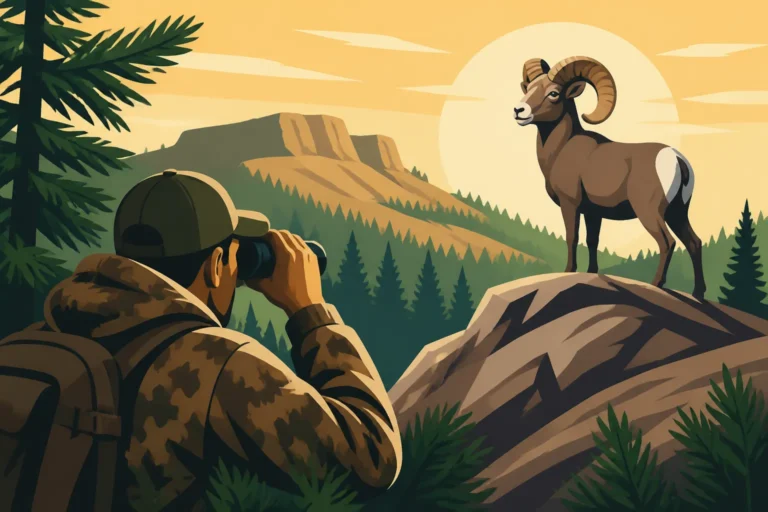
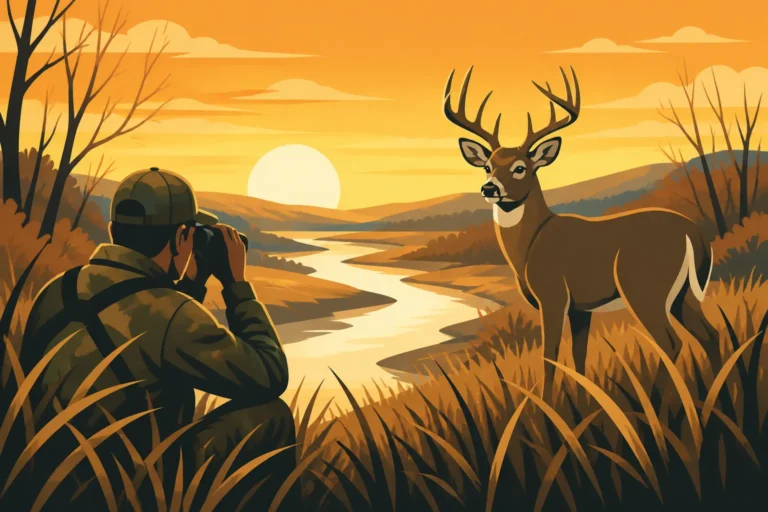
This is arguably the most critical phase of any pronghorn hunt. Given their incredible eyesight and the vastness of their habitat, you simply can't "walk up" on them. You need to locate them from a distance, assess their behavior, and then formulate a plan. High-quality optics are your absolute best friend here. Don't skimp on your binoculars or spotting scope. You'll spend hours, possibly days, behind glass, meticulously picking apart the landscape. The goal is to find an isolated buck or a small, settled group that is feeding or, even better, bedded down. Look for movement, yes, but also for static shapes that don't quite blend with the prairie. Pay attention to subtle color differences or the glint of sunlight off an antler.
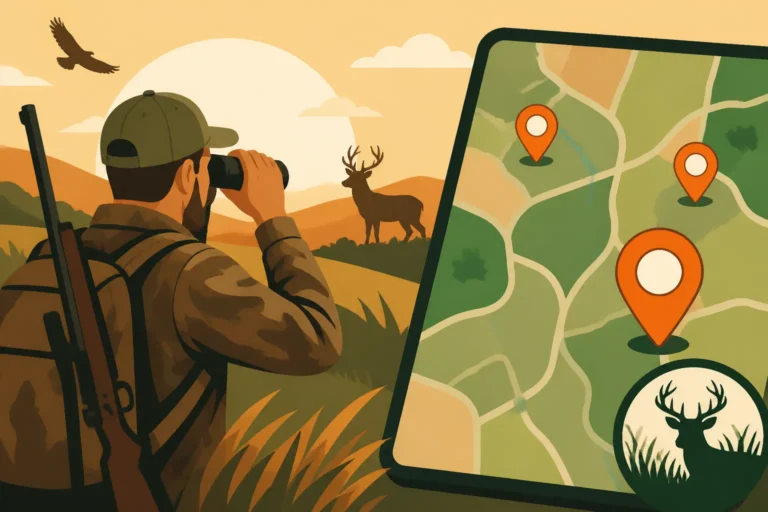
When glassing, cover large areas systematically. Use a tripod for your binoculars or spotting scope to minimize fatigue and maximize stability, allowing you to discern small details at extreme distances. Binocular Magnification for the Sandhills can be a huge advantage when you're trying to pick out a pronghorn hidden in a distant swale. Take your time, scan slowly, and return to areas you've already scanned, as animals can appear seemingly out of nowhere. Tools like GoHunt's mapping features can help you identify high points for glassing, allowing you to maximize your view of the surrounding terrain. Once you've located a target, observe its patterns: is it feeding steadily, or looking around frequently? Is it moving towards or away from potential cover? These observations will inform your entire stalk plan.
Mapping Your Approach
Once you’ve spotted a potential target, don't rush in. This is where modern technology really shines. Use a topographical map or, even better, a hunting app on your phone or GPS device to plan your route. Apps like those recommended by GoHunt often have satellite imagery and topographic overlays that are invaluable. Look for drainages, creek beds, fence lines, and any subtle changes in elevation that can act as cover. These aren't always obvious to the naked eye, but a good topo map will highlight them. Your goal is to identify a path that keeps you out of the pronghorn's line of sight for as long as possible.
Consider multiple approach routes. What if the wind shifts? What if the pronghorn moves unexpectedly? Having a Plan B, or even a Plan C, means you're not caught flat-footed. Think about where you want to end up—ideally within comfortable shooting range, with the wind in your favor, and a stable shooting platform. This detailed mapping helps you visualize the stalk, identifying potential hang-ups and ensuring you utilize every available piece of terrain to your advantage. Remember, the less visible you are during your approach, the higher your chances of success.
Patience and Observation
This can't be stressed enough: patience is a virtue in pronghorn hunting. Often, the best strategy isn't to immediately begin a stalk, but to wait. Pronghorn are creatures of habit. If you watch them long enough, you'll start to notice their patterns: where they feed, where they water, where they bed down for the heat of the day. A pronghorn that is actively feeding or bedded down is significantly easier to approach than one that is alert and on the move. Sometimes, a full day of observation might lead to a quick, effective stalk in the evening.
Don't be afraid to back off if the conditions aren't right. If the wind is swirling, if there's no cover, or if the pronghorn is too alert, sometimes the best move is to wait for another opportunity. Pushing a stalk that isn't viable will almost certainly end in failure and could spook the animal out of the area for good. Knowing when not to stalk is a sign of a seasoned hunter. It takes discipline to pull back and try again later, but it often leads to greater success. Think of it as a chess match against an animal that can see much further than you can.
Executing the Stalk: Techniques and Challenges
Once you've done your homework and found a suitable pronghorn, the real challenge begins: putting boots on the ground (or often, bellies on the ground) and covering the distance. This is where your physical and mental fortitude will truly be tested.
Utilizing Terrain Features
This is the bread and butter of pronghorn stalking. You must become a part of the landscape, using every available dip, rise, and natural feature to break up your silhouette and stay out of sight. A subtle swale that dips only a few feet can be a superhighway for a crawling hunter. A low ridge might hide you for a quarter mile. Don't underestimate the cover provided by even sparse vegetation like sagebrush or tall grass, especially when you are moving slowly and deliberately.
As you move, constantly check your route against your planned approach, and always keep an eye on the pronghorn. How are they oriented? Are they looking your way? Are they feeding, or have they raised their heads to scan? Only move when their heads are down, or they are looking in another direction. If you find yourself needing to cross an exposed area, use the lowest crawl possible, or even a commando crawl, to minimize your profile. Sometimes, even Using a Fence Line to Close on Antelope can provide just enough visual break to shorten a difficult approach. Remember, every foot gained while out of sight is a victory.
The Art of the Low Crawl
Let's face it, stalking pronghorn in Nebraska often means getting dirty. A lot. The "low crawl" isn't just a tactic; it's a necessary skill. This isn't your military training crawl; it's about moving as silently and discreetly as possible, often through short grass, prickly pear, or even over sand and gravel. You’ll be on your hands and knees, or even flat on your stomach, pushing yourself forward inch by painstaking inch. This is physically demanding and can be incredibly frustrating, especially when you feel like you're barely moving.
Good gear can make a difference here. Consider knee pads, especially if you anticipate a long crawl over rough ground. Wear durable, quiet clothing that won't snag or make rustling noises. More importantly, cultivate mental toughness. Long crawls can break your spirit. Your knees will ache, your muscles will burn, and the sun will beat down. But every yard gained is a yard closer to a shot opportunity. Practice this movement beforehand if you can. Get comfortable being uncomfortable, because that's often what it takes to get within range of a wary pronghorn.
Dealing with Wind Shifts and Other Animals
The wind on the Nebraska prairie is a fickle beast. It can shift without warning, turning a favorable crosswind into a direct tailwind, which, as we discussed, spells disaster. You must be constantly aware of wind direction throughout your stalk. Carry a small wind indicator, like a puff bottle, and check it frequently, especially before making any significant moves. If the wind shifts unfavorably, you have two options: either abandon the stalk (often the wisest choice) or drastically alter your approach, potentially adding hundreds of yards to an already difficult crawl.
Another common challenge is other animals. The prairie isn't empty, and a spooked group of cattle, a curious mule deer, or even a chattering squirrel can blow your cover. Pronghorn often react to the alarm of other animals. If you encounter cattle, try to move around them slowly and widely. For other game animals, move with extreme caution. This is where observation from your initial glassing phase helps—if the pronghorn is part of a large herd mixed with deer, it might be a lower-percentage stalk. Every living thing out there can potentially be your undoing.
The Final Approach and Shot Opportunity
You've crawled for what feels like miles, your knees are screaming, and you're covered in dust and sweat. Now, you're within range, and the pressure is on. This final phase is where many stalks are won or lost.
Closing the Last Hundred Yards
This is the most nerve-wracking part of the stalk. You're close, but not quite there. The pronghorn appears larger in your scope, its movements clearer. Every movement you make now is magnified. Slow down even more. Move with extreme deliberation. If the pronghorn raises its head, freeze. If it looks your way, hold absolutely still, even if it feels like an eternity. Sometimes, they will look for a long time before dropping their head back down to feed, or deciding you're just a rock. Your camouflage and motionless posture are your best defense. This is the crucial moment where Closing the Last Hundred Yards on Sand becomes a study in patience and precision.
Before you make that final move into shooting position, assess your surroundings one last time. Is there a clear shot lane? Is the wind still good? Are there any hidden obstacles? Anticipate the pronghorn's next move. Will it walk into thicker cover, or will it present a broadside shot as it feeds? Have your rifle ready, safety on, and know exactly how you'll transition from crawling to a stable shooting position.
Shooting from a Prone Position
In the wide-open expanse of Nebraska's grasslands, a prone shot is often your most stable and ethical option, especially for the longer distances you'll likely encounter with pronghorn. Practice shooting from the prone position extensively before your hunt. Understand how to quickly deploy a bipod, or how to use a backpack or even your hat to create a stable rest. Many hunters are comfortable shooting from a bench, but a real-world prone shot on uneven ground, under pressure, is an entirely different beast.
Consider the potential for mirage on hot days. Heat waves rising from the prairie can make your target appear wavy and distorted through your scope, significantly impacting your ability to aim precisely. Learn to "read" the mirage and adjust your aim accordingly, or wait for a momentary lull. Given that Rifle Ranges Realistic in Open Country can easily stretch to 300-400 yards or more for pronghorn, a stable shooting platform and practice are non-negotiable for a clean, ethical harvest.
Knowing When to Break Off
Sometimes, despite your best efforts, a stalk just isn't going to work. The wind shifts irreversibly, the pronghorn moves into impenetrable cover, or it simply spots you. Knowing when to call it quits is a sign of respect for the animal and good hunting ethics. Don't push a bad stalk. If you blow an approach, you risk educating the animal and potentially other animals in the area, making future stalks even harder. It's frustrating, heartbreaking even, to abandon a meticulously planned and executed stalk, but it's often the right decision.
When you break off, do so discreetly. Don't stand up and wave your hands. Retreat slowly, using the same cover tactics you used during your approach. Get out of the pronghorn's line of sight, put some distance between you, and then you can reassess. Maybe they'll settle down, offering another opportunity later in the day or the next morning. Or perhaps you need to find another group of pronghorn altogether. The prairie is vast, and there are always more opportunities.
Gear Considerations for the Pronghorn Stalker
Just like any specialized hunting pursuit, stalking pronghorn on the Nebraska grasslands calls for specific gear that can stand up to the unique challenges of the environment. Don't underestimate the importance of your equipment.
Essential Optics and Ranging Tools
As mentioned earlier, your eyes are your most important tool, and high-quality optics are an extension of them. A good pair of 10x or 12x binoculars is crucial for initial glassing and for keeping tabs on the pronghorn during a stalk. Invest in a pair with excellent low-light performance and crisp, clear glass. For detailed evaluation of trophy quality and for picking apart distant terrain, a spotting scope (15-45x or 20-60x) mounted on a stable tripod is invaluable. This allows you to differentiate between a mature buck and a doe, or to truly understand the contours of the land miles away.
An accurate rangefinder is absolutely non-negotiable. Pronghorn can appear much closer than they actually are in the vast, open country, leading to missed shots or, worse, unethical hits. A rangefinder with angle compensation is ideal for those subtle uphill or downhill shots. Many hunters swear by rangefinding binoculars, which combine two essential tools into one, streamlining your gear. Products offered by brands like GoHunt often integrate mapping and satellite imagery with gear recommendations, making it easier to select the right tools for your specific hunt. Having reliable Rangefinders in Open Nebraska Country gives you the confidence to make precise shots when the moment arrives.
Clothing and Footwear
Your clothing needs to serve multiple purposes: blend in, protect you from the elements, and be quiet. Choose camouflage patterns that match the dry, golden-brown hues of Nebraska's grasslands. Avoid anything too dark or too green. Layers are essential, as prairie mornings can be chilly, but the midday sun can turn brutally hot. A quiet, durable outer shell is important for crawling, as brush or rough ground can tear lighter fabrics and create noise.
Footwear is another critical choice. You'll be doing a lot of walking, often over uneven terrain, and potentially long, low crawls. You need comfortable, supportive boots that are broken in but still offer good ankle support. Avoid stiff, heavy mountaineering boots that might be overkill and noisy. A lighter, yet durable, hiking boot is often ideal. Look for something that can handle sand, gravel, and perhaps a bit of moisture if you're crossing dewy grass. Choosing the right Boots for Walking Nebraska Grass and Sand can make the difference between a successful hunt and miserable blisters.
Other Must-Have Items
Beyond optics and clothing, a few other items can significantly enhance your pronghorn stalking experience.
Knee Pads: If you're serious about getting low and crawling, a good pair of external knee pads will save you a world of pain and allow you to stay on the ground longer. They prevent scrapes, punctures from prickly pear, and general discomfort.
Hydration and Snacks: Long stalks and intense glassing sessions can be dehydrating. Always carry plenty of water and some high-energy snacks. You might be a long way from your vehicle when you finally get a shot.
GPS/Mapping Device: Whether it's a dedicated GPS unit or a reliable app on your phone (like those often recommended by GoHunt for their detailed mapping features), having a way to navigate and track your position is critical. It helps you stick to your planned stalk route and, more importantly, find your way back if you venture deep into unfamiliar territory.
Small Pack: A small, lightweight pack is ideal for carrying your essentials—water, snacks, rangefinder, extra ammo, and perhaps a small first-aid kit. You want something that doesn't add bulk or noise.
Shooting Sticks/Bipod: While a prone shot is often best, having lightweight shooting sticks or a bipod attached to your rifle can provide a stable rest if you need to take a shot from a kneeling or sitting position, or if the terrain doesn't allow for a perfect prone setup.
Nebraska Pronghorn Stalking Challenges and Solutions
| Challenge | Pronghorn Trait | Hunter Solution |
|---|---|---|
| Visibility | Exceptional 360-degree eyesight | Utilize high-quality optics for long-range glassing; employ every subtle terrain feature for concealment; move slowly and deliberately, especially when pronghorn are looking away. |
| Open Terrain | Prefers vast, unobstructed views | Master the low crawl; use fence lines, drainages, and sparse vegetation as visual breaks; plan routes using topo maps. |
| Wind & Scent | Moderate sense of smell, keen to danger | Constantly monitor wind direction with a puff bottle; always approach with the wind in your face or across; be aware of thermal shifts. |
| Vigilance | Highly alert, skittish | Observe pronghorn patterns (feeding, bedding) for extended periods; wait for calm moments; anticipate movements and reactions. |
| Physical Demands | Requires long walks and crawls | Invest in comfortable, supportive boots and knee pads; maintain physical conditioning; cultivate mental toughness. |
| Mirage | Affects long-range target clarity | Learn to read mirage; wait for lulls in heat waves; practice shooting in various conditions. |
| Other Animals | Spooked by alarm calls of others | Be aware of surrounding wildlife and livestock; move cautiously around them; consider if a mixed group is worth stalking. |
Disclaimer
The information provided in this guide is for informational purposes only and is not a substitute for official regulations. Hunting regulations and conditions can change. Always consult the latest Nebraska Game and Parks Commission hunting guide and local laws before planning any hunt. Safety should always be your top priority when hunting.