Baiting Rules on Nebraska Public Ground
Hunting on public ground in Nebraska offers incredible opportunities, but navigating the specific rules and regulations can feel like trying to decipher a secret code. One area that causes a lot of confusion and, frankly, frustration for hunters is baiting. You want to give yourself the best chance, but the last thing you need is to inadvertently break a rule, especially when it comes to attracting game. This guide will meticulously break down Nebraska's baiting rules on public land, helping you understand what's allowed, what's strictly prohibited, and how to stay on the right side of ethical and legal hunting.
Understanding Nebraska's General Baiting Regulations
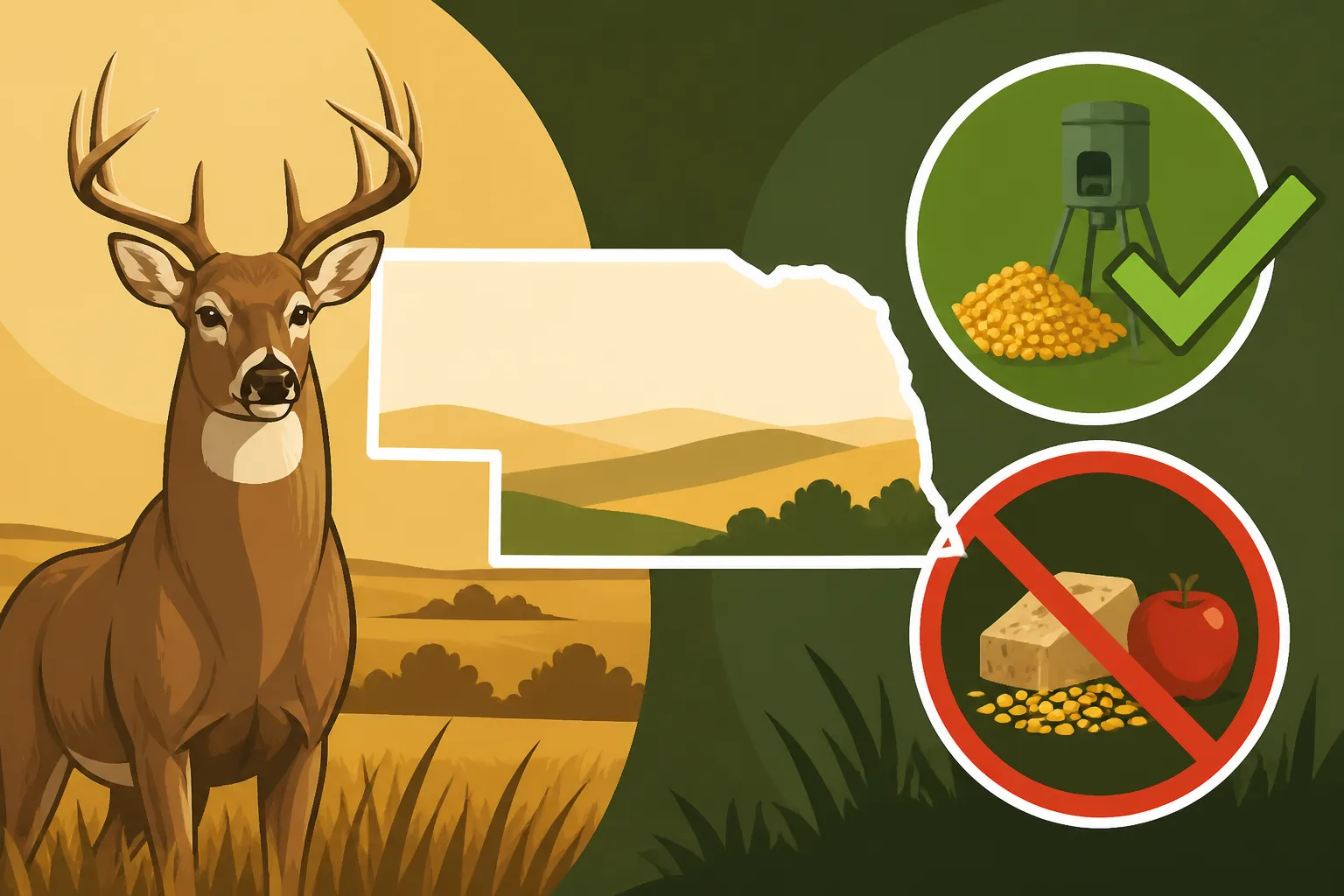
Nebraska's approach to baiting is pretty clear-cut, especially when it comes to public land. Many states have intricate nuances, but here, the general principle is "no baiting on public ground." This isn't just a suggestion; it's a critical regulation designed to maintain fair chase principles, prevent the concentration of animals (which can spread disease), and ensure that hunting success is primarily attributed to skill, scouting, and woodsmanship, rather than artificial attractants.
What Constitutes "Bait" in Nebraska?
The term "bait" might seem straightforward, but it's important to understand the official definition to avoid any missteps. In Nebraska, bait generally refers to any substance that is placed or used to attract game animals to a specific location. This includes, but isn't limited to, corn, salt, mineral blocks, protein pellets, fruits, vegetables, or any other foodstuff. The intent doesn't always have to be malicious; if the substance is present and attracting animals, it can be considered bait, regardless of who placed it there.
It's not just about the food itself; it's also about the purpose. If you're using something to lure deer, even if it's a "natural" product like an apple, on public land, you're stepping into dangerous territory. This rule aims to eliminate any advantage gained by luring animals rather than finding them through traditional hunting methods. The key is understanding that if it's there specifically to draw an animal in, it's likely bait.
Differentiating Public and Private Land Rules
This is where the distinction becomes absolutely critical. While baiting is generally prohibited for deer and elk on all public hunting lands in Nebraska, the rules on private land are significantly different. On private property, if you have the landowner's permission, baiting deer can sometimes be allowed, though there are still specific regulations to follow, such as obtaining a deer permit and adhering to season dates. This contrast is often a source of confusion for hunters who might hunt both public and private ground. They might see bait piles on a friend's farm and assume it's acceptable everywhere, which it definitely isn't.
The difference isn't arbitrary. Private landowners have the right to manage their property, and in many agricultural areas, attracting deer to specific spots might even be part of herd management or depredation control. However, public lands are held in trust for all citizens, and the rules are designed to ensure equitable access and opportunity for everyone, as well as ecological health. Therefore, never assume that what's legal on private land carries over to public access areas. Always verify the rules for the specific piece of ground you intend to hunt.
The "Why" Behind Baiting Regulations: CWD and Fair Chase
The regulations around baiting aren't just there to make hunting harder; they serve important purposes related to both wildlife health and the integrity of the hunt. One of the primary drivers behind baiting prohibitions, especially in recent years, is the concern over Chronic Wasting Disease (CWD). When deer gather around a bait site, they share saliva, urine, and feces, creating an ideal environment for the transmission of CWD prions. This disease is a serious threat to deer populations, and concentrating animals increases the risk of spreading it. You can learn more about this by reading Chronic Wasting Disease in Nebraska.
Beyond disease prevention, baiting rules also uphold the principle of fair chase. Fair chase is about giving the hunted animal a reasonable chance to escape, and it’s a cornerstone of ethical hunting. Luring an unsuspecting animal to a specific, predictable spot with food can be seen as compromising this principle. It reduces the need for extensive scouting, tracking, and understanding animal behavior, which are all integral parts of the hunting experience. For many, the challenge of finding and outsmarting a deer in its natural habitat is what makes hunting so rewarding.
Specifics for Public Hunting Areas
Understanding that public land is largely off-limits for baiting is the first step, but what exactly falls under "public ground" in Nebraska? It's more than just Wildlife Management Areas (WMAs).
Defining "Public Ground" in Nebraska
When we talk about public ground in Nebraska, we're referring to a variety of areas managed by different entities. This includes:
- Wildlife Management Areas (WMAs): These are lands specifically acquired and managed by the Nebraska Game and Parks Commission for wildlife habitat and public recreation, including hunting. These are explicitly "no baiting" zones. You can find detailed information about these areas in Nebraska Wildlife Management Areas.
- Open Fields and Waters (OFW) Program Lands: These are private lands that have been voluntarily enrolled by landowners into a program that opens them up for public hunting access. While privately owned, during the period they are enrolled, they operate under public access rules, meaning baiting is prohibited. This program is a fantastic resource, and you can explore it further in Nebraska's Open Fields and Waters Program.
- National Forests and Grasslands: Areas like the Nebraska National Forests at Halsey and Samuel R. McKelvie, or the Oglala National Grassland in the Panhandle, are federal lands that allow hunting. Again, no baiting is permitted here.
- State Recreation Areas (SRAs) and Parks with Hunting Portions: Some SRAs or state parks have designated hunting areas where specific rules apply, and baiting is typically not allowed. Always check the specific area regulations.
- Other Public Lands: This can include certain U.S. Army Corps of Engineers lands, Bureau of Reclamation lands around reservoirs, and sometimes even school trust lands, though rules can vary. The safest assumption is: if it's not private land that you have explicit permission to bait on (and even then, check state regs), then baiting is off-limits.
It's crucial to consult The Nebraska Public Access Atlas annually, as it's the definitive guide for identifying public hunting opportunities and their specific regulations.
Common Misconceptions and What Not to Do
Hunters often have questions about what constitutes a violation. Let's clear up some common areas of doubt:
- Mineral Blocks and Salt Licks: Even if they don't contain grains or direct food, mineral blocks and salt licks are considered attractants and are prohibited on public land. The intention is the same: to draw animals to a specific spot. Don't place them, and if you find one left by someone else, avoid hunting near it.
- Scent Baits/Lures: While not food, some liquid or gel-based scent attractants that are designed to be ingested or directly consumed by deer (as opposed to just dispersed airborne for curiosity) can cross the line. Generally, curiosity scents, urine-based lures, or tarsal gland attractants used sparingly for calling purposes are usually fine, but anything that creates a persistent, ingestible attractant field would be problematic. The line here can sometimes feel blurry, so err on the side of caution.
- Leftover Food/Trash: Accidentally leaving food scraps or trash that could attract wildlife is a violation of littering laws and could potentially be interpreted as baiting if it's attracting game. Always pack out everything you pack in.
- Cameras and Bait: Setting up trail cameras is perfectly legal on most Nebraska public ground, and they are invaluable scouting tools. However, placing a trail camera directly over bait on public land would still constitute baiting. The camera itself isn't the issue, the bait is. Trail Camera Rules on Nebraska Public Land will give you more specific guidelines.
The simple rule of thumb is this: if you're putting anything on public land that's designed to bring a deer to a specific spot for consumption or prolonged interaction, it's likely considered baiting and is illegal.
Consequences of Violation
Ignoring these rules can lead to serious repercussions. Getting caught baiting on public land in Nebraska isn't a slap on the wrist. You could face:
- Hefty Fines: Fines for baiting violations can be substantial.
- Permit Revocation: Your hunting permits could be revoked, meaning you lose the privilege to hunt for a period of time.
- Loss of Equipment: Your hunting equipment, including your firearm or bow, could be seized.
- Hunting Privileges Suspended in Other States: Due to interstate compacts, a suspension of hunting privileges in Nebraska can sometimes extend to other states as well.
It's simply not worth the risk. The goal of Nebraska Game and Parks is to conserve wildlife and provide fair hunting opportunities. They take violations seriously. If you're unsure about a particular situation or an item you want to use, it's always best to contact Nebraska Game and Parks directly for clarification before you head afield.
Accidental Baiting and Natural Attractants
Sometimes, the line between intentional baiting and natural conditions can seem a little fuzzy. Nebraska recognizes that the landscape isn't always pristine, and hunters need clarity on situations that might look like baiting but aren't intended as such.
Agricultural Practices Adjacent to Public Land
Nebraska is an agricultural state, and it's common for public hunting lands to border private fields of corn, soybeans, milo, or alfalfa. When these crops are harvested, waste grain often remains on the ground. Deer will absolutely feed on this. Is hunting over a harvested cornfield on public land considered baiting? Generally, no. The definition of bait usually specifies that the substance must be placed by a person. If it's part of a normal agricultural operation, it's considered a natural food source, even if it's the result of human farming.
However, there's a caveat. If someone were to intentionally dump excess corn from a private field onto an adjacent public tract, that would be considered baiting. It's about the intent and method of placement. Hunting Standing Corn Before Harvest is also a common tactic, and perfectly legal. It's the introduction of foreign substances to attract animals that the rules target. Always be mindful of the source and placement of any food material you encounter.
Natural Food Sources vs. Intentional Attractants
The distinction boils down to whether a human actively put something there to lure animals. A natural oak grove dropping acorns on public land is a prime deer feeding area, and hunting it is not baiting—it's smart scouting. Similarly, a plum thicket or a wild apple tree provides natural forage. Deer are drawn to these areas naturally, and that's fair game. This is part of understanding Where Nebraska Whitetails Bed in Row-Crop Country or Late-Season Food Sources in Nebraska.
The moment a hunter brings in and places artificial food items, mineral blocks, or excessive amounts of natural food from another location onto public ground, it becomes baiting. This also applies to things like planting a food plot on public land. While food plots are fantastic for wildlife on private property, public land management agencies are typically responsible for habitat improvement on their lands, and individual hunters are generally not permitted to establish their own food plots. In fact, Food Plots on Nebraska WMAs outlines that this activity is typically reserved for the agency itself.
The Nuance of Scents and Lures
This is one of the trickier areas. A deer hunter might use a doe-in-estrus scent, a buck urine scent, or an attractant that smells like an apple. Are these considered bait? For the most part, liquid or gel scents designed to attract via smell and curiosity, rather than direct consumption, are generally permissible on public land. These are often used as calling aids, similar to using a grunt tube or rattling antlers.
However, if a "scent" is mixed with a food product, or is itself palatable and placed in a way that encourages direct consumption (e.g., a "lick" designed to be continuously chewed on), it could fall under the baiting prohibition. The key is "consumption." If the animal is meant to eat it or repeatedly lick it, it's likely bait. If it's purely for olfactory attraction, it's usually fine. Again, if in doubt, check with Nebraska Game and Parks directly.
Best Practices for Ethical Hunting on Public Ground
Since baiting isn't an option on public land, embracing traditional, ethical hunting practices becomes even more important. This is where true hunting skill, patience, and knowledge of wildlife truly shine.
Embracing Scouting and Understanding Deer Movement
The most effective way to hunt public ground without bait is through meticulous scouting. This means spending time in the woods before the season, or even during the off-season, to understand deer patterns. Look for:
- Tracks and Trails: Identify heavily used trails between bedding and feeding areas.
- Rub Lines and Scrapes: Especially during the pre-rut and rut, these are key indicators of buck activity. Scrape Lines Along a Fenceline can be prime locations.
- Food Sources: Pinpoint natural food sources like oak flats, plum thickets, or areas with waste grain from adjacent private fields.
- Bedding Areas: Understand where deer feel safe to bed down, often in dense cover.
- Funnels and Pinch Points: Identify natural terrain features that funnel deer movement, such as creek crossings, saddles, or timber edges. Entry and Exit Routes on Flat Farm Ground are crucial for success.
Using tools like onX Hunt can be incredibly helpful for identifying public land boundaries, understanding terrain features, and marking sign you find while scouting. This digital mapping can be a game-changer for navigating complex public land holdings.
Alternative Strategies for Attracting Deer
Without bait, you need other ways to draw deer into range or intercept them. Here are some strategies that are perfectly legal and highly effective:
- Calling: Grunt calls, doe bleats, and rattling antlers can be incredibly effective, especially during the rut. Practice your calls and understand when and how to use them effectively. Rattling and Grunting in Nebraska's Rut can make a difference.
- Decoys: Using a deer decoy can draw a buck in, especially when combined with calling. Just ensure your decoy placement is safe and ethical, and remember to check specific regulations on decoy use. Decoying a Nebraska Whitetail Buck is a tactic worth learning.
- Still-Hunting/Stalking: Moving slowly and deliberately through cover, looking for deer, is a classic and challenging method. This is particularly effective in areas like Still-Hunting Nebraska Cedar Draws or Still-Hunting a Snow-Covered River Bottom.
- Stand Placement: Rather than placing a stand over bait, place it along natural travel corridors, feeding areas, or bedding area edges. Consider wind direction carefully. Choosing a Treestand Site on Nebraska Farmland or Hanging a Stand on a Cornfield Edge are great starting points for this.
- Ground Blinds: These can be excellent for concealment, especially in open country or when hunting natural funnels. Ensure you brush them in well. Ground Blinds in Open Nebraska Country covers how to effectively use them.
Knowing Your Area and Staying Current
Regulations can sometimes change, and specific public areas might have unique rules. Before every hunt, always check the current Nebraska Game and Parks regulations. The Public Access Atlas is updated annually and is your best resource for land boundaries and specific rules. Tools like GoHunt can also provide valuable insights into specific hunting units and their regulations, helping you plan your hunt meticulously.
Remember, responsible hunting means being informed. It's not just about what's legal, but about what preserves the integrity of the hunt and the health of the wildlife. By understanding and adhering to Nebraska's baiting rules on public ground, you contribute to a positive hunting culture for everyone.
To make things a bit clearer, here's a quick summary of what's generally allowed and not allowed regarding deer attractants on Nebraska's public hunting lands:
| Category | Allowed on Public Land? | Notes |
|---|---|---|
| Corn, Pellets, Grain | NO | Any foodstuff placed to attract deer is prohibited. |
| Mineral Blocks/Salt Licks | NO | Attractants designed for consumption are prohibited. |
| Natural Crops (e.g., waste corn) | YES | If part of normal agricultural operations adjacent to public land, it's considered a natural food source. |
| Liquid/Gel Scents (olfactory only) | GENERALLY YES | Scent lures designed purely for smell attraction (e.g., urine, curiosity scents) are usually fine. Avoid those encouraging consumption. |
| Calls (grunt tubes, rattles) | YES | Active calling methods are traditional and encouraged. |
| Decoys | YES | Physical deer decoys are legal, but always ensure safe and ethical use. |
| Scouting (tracks, rubs, sign) | YES | Essential for successful, ethical hunting. |
| Trail Cameras | YES | Legal for scouting, but not over bait on public land. |
| Food Plots (planted by hunter) | NO | Hunters cannot establish their own food plots on public land. This is a management activity by the agency. |
| Human Food Waste | NO | Littering is illegal and can attract wildlife, potentially creating a "baiting" situation inadvertently. Always pack out trash. |
By sticking to these guidelines and focusing on traditional hunting skills, you'll find great success and satisfaction hunting Nebraska's public lands.
Disclaimer
This article is for general informational purposes only and does not constitute professional advice. Laws, prices and regulations vary by location and change over time. Consult a qualified professional for guidance on your specific situation.