Nebraska Muzzleloader Deer Tactics in December
December in Nebraska can be a brutal but incredibly rewarding time to pursue deer with a muzzleloader. Many hunters pack up their gear after the general firearm season, but for those who brave the cold and master the unique challenges, this late-season opportunity offers a chance at truly mature bucks often overlooked. This guide will walk you through the essential tactics, gear considerations, and strategies you need to fill your tag during Nebraska's demanding December muzzleloader season.
Decoding December Deer Behavior in Nebraska
When the calendar flips to December, deer behavior changes dramatically from the frenetic rut activity of November. The focus shifts entirely to survival: finding consistent food sources, conserving energy, and seeking thermal cover from the harsh Nebraska elements. Understanding these shifts is paramount to success.
Late-Season Food Priority and Patterns
After the primary firearm season has pushed through and the rut has wound down, a deer's metabolism screams for calories. This is especially true for bucks that have depleted their reserves during breeding. Their survival hinges on finding high-energy food sources that are still available. While acorns might have been king in early fall, by December, they're often buried under snow or long gone. Instead, deer turn to agricultural crops that remain in the fields or accessible browse. Think standing corn, harvested cornfields with scattered kernels, soybean stubble, or winter wheat fields. These spots become absolute magnets. Identifying these critical food plots is often the first step in successful late-season hunting. They’ll visit these areas with a regularity born of necessity, often moving in predictable patterns from bedding to feeding. This is where your scouting efforts will pay off immensely, as deer will travel considerable distances for a reliable meal. You might find a buck hitting a particular cornfield edge day after day, almost like clockwork, especially during late afternoon.
Bedding, Thermal Cover, and Winter Survival
With temperatures dropping, sometimes well below freezing, and winds howling across the plains, thermal cover becomes just as important as food. Deer aren't just looking for cover to hide; they're looking for places that block the wind and offer warmth. This means thick cedar thickets, dense willow bottoms, south-facing slopes, and even deep draws or creek beds that offer protection from prevailing winds. In the Nebraska Sandhills, deep blowouts with heavy stands of plum brush or cedars can be prime bedding. Along the Platte River or other major river systems, heavy cottonwood stands with thick undergrowth become critical sanctuaries. These areas often receive more direct sunlight, helping to melt snow and warm the ground, providing crucial relief from the cold. Understanding Where Deer Yard Up in a Nebraska Winter is key to finding these high-density bedding areas. Deer will often bed on the downwind side of a ridge or a cedar thicket, allowing them to smell danger approaching from one direction while watching their backtrail.
Navigating Post-Firearm Season Pressure
One of the biggest factors influencing December deer behavior is the memory of the firearm season. Most hunters have packed it in, but the deer remember the commotion, the shots, and the constant human presence. This makes them significantly warier and more nocturnal, especially in areas with moderate to heavy hunting pressure. Public lands, in particular, will see deer that are on high alert. You'll often find them moving more at dawn and dusk, or even predominantly at night, seeking refuge in the thickest cover during daylight hours. This means you’ll need to adjust your tactics. Sitting long hours, even in brutal cold, might be necessary. Being as scent-free and quiet as possible is non-negotiable. Hunting remote pockets of public land that others overlook, or gaining access to private land where pressure is low, can significantly increase your odds. Remember, these deer have seen it all, so patience and stealth are your greatest assets.
Optimizing Your Muzzleloader Setup for Cold Weather
Muzzleloader hunting in December adds a layer of complexity not present with modern firearms: reliability in extreme cold and moisture. Your equipment needs to be meticulously prepared to perform flawlessly when that long-awaited buck finally steps out.
Muzzleloader Choice and Component Reliability
Choosing the right muzzleloader for December in Nebraska often comes down to personal preference, but reliability in the cold is non-negotiable. Inline muzzleloaders with 209 primer ignition systems are generally favored for their superior ignition reliability in damp or cold conditions compared to traditional percussion or flintlock systems. Brands like CVA, Traditions, and Thompson/Center offer excellent inline models. When it comes to the rifle itself, consider a synthetic stock and stainless steel barrel for weather resistance. Ensure your scope is rated for extreme temperatures and has clear glass. A crucial aspect is component reliability: use fresh primers, clean powder, and quality projectiles. Old primers can fail in the cold, and moisture can compromise powder. For your Muzzleloader Powder Choices for December, many hunters prefer pellets for convenience, but loose powder can offer more flexibility in charge weights. Whichever you choose, ensure it's specifically designed for modern inline muzzleloaders. Always perform several test shots in similar cold conditions before your hunt to confirm your rifle's performance and accuracy.
Protecting Powder and Primers from the Elements
Nothing ruins a muzzleloader hunt faster than a misfire due to damp powder or a wet primer. December in Nebraska can bring snow, sleet, freezing rain, and high humidity, all of which are detrimental to black powder or its substitutes. The key is meticulous sealing and preparation. For 209 primers, keep them in their original sealed packaging until ready for use, then store them in a waterproof container. Many experienced hunters use a small piece of electrical tape over the primer pocket on the breech plug once the primer is seated, or even a small balloon stretched over the end of the barrel, especially if it's raining or snowing. When carrying extra powder charges, pre-measure them and store them in small, sealed, waterproof tubes or vials. The last thing you want is fumbling with a powder flask in the cold with wet hands. Regularly inspect your breech plug for fouling and ensure it’s clean and dry before each hunt. Consider carrying a spare, clean breech plug as well. For more on this, check out our guide on Loading and Keeping Powder Dry in December.
Dressing for Brutal Nebraska Winter Conditions
Staying warm and dry is absolutely critical for December muzzleloader hunting. You’re often sitting for extended periods in freezing temperatures, exposed to biting winds. Layering is not just a suggestion; it’s a survival strategy. Start with a good quality moisture-wicking base layer against your skin to pull sweat away. Next, add insulating mid-layers like fleece or down. For your outer layer, you need something windproof and waterproof. Many hunters swear by insulated bibs and a parka, ensuring they have plenty of room for movement. Don't forget your extremities: a warm blaze orange hat (required during the firearm season overlap, and a good idea even if not, for safety), thick gloves or mittens (with finger access for shooting), and insulated, waterproof boots are essential. Invest in quality gear from brands like Sitka or First Lite, designed for cold-weather performance. You’ll be much more patient and focused if you're comfortable. For a deeper dive into staying warm, our article on Cold Weather Sitting Strategy offers excellent tips.
Effective Muzzleloader Hunting Strategies for December
The success of your December muzzleloader hunt hinges on adapting your tactics to the unique challenges of the late season. It’s about precision, patience, and knowing exactly where to be and when.
Focusing on Key Late-Season Food Sources
As mentioned, food becomes the number one driver for deer in December. Your primary strategy should revolve around these high-calorie havens. This means spending your time scouting and hunting around standing cornfields, cut cornfields, soybean stubble, alfalfa, or winter wheat. Deer will often stage in thick cover near these fields during daylight and move into them during the low light hours of dawn and dusk. Setting up a ground blind or a well-placed treestand along a field edge, especially one with a good deer trail, can be highly effective. Look for trails leading out of dense cedar thickets or river bottom cover directly to these food sources. The key is to be on stand before first light and stay until after dark, enduring the cold to catch deer making their crucial movements. Pay particular attention to areas where snow cover makes remaining food more visible and accessible, such as south-facing slopes. Consider how Hunting Standing Corn Before Harvest shifts to hunting the stubble and scattered grains after harvest.
Still-Hunting and Tracking Through Winter Landscapes
While stand hunting over food sources is often productive, still-hunting can be incredibly effective, especially after a fresh snowfall. Snow provides several advantages: it quiets your footsteps, highlights fresh tracks, and makes deer stand out against the white backdrop. Still-hunting involves moving slowly and deliberately through cover, pausing frequently to observe. Focus on thick bedding areas, cedar draws, and river bottoms where deer seek shelter. Look for fresh tracks, beds, and signs of browsing. The presence of snow also makes Still-Hunting a Snow-Covered River Bottom a highly viable tactic, as the river provides a natural travel corridor and the snow muffles sound. When tracking, pay attention to the gait of the tracks – a buck often has a more deliberate, heavier track. Follow tracks into thick cover, moving into the wind and using available cover to conceal your approach. This is a game of patience and quiet observation, often leading to close-range muzzleloader shots.
Utilizing Thermal Cover and Terrain Features
Deer use terrain and cover to their advantage for survival, and so should you. During December, they prioritize areas that offer protection from the wind and cold. This means hunting the sunny, south-facing slopes that warm up faster and offer relief from northerly winds. Also, look for deep ravines, creek bottoms, and thick stands of evergreens like cedars or pines that provide excellent thermal cover. These areas can hold deer even during the middle of the day. If you can find a good vantage point overlooking such an area, you might spot deer bedded down, soaking up the sun. Accessing these areas quietly is paramount. Use topographical maps to identify these features and plan your approach with the wind in mind. Our article on Reading a Cedar Draw for Deer Movement can provide valuable insights into how deer utilize these features in Nebraska's varied landscapes. Sometimes, the most overlooked, wind-protected pocket can be holding a trophy buck that has been pressured out of more obvious spots.
Strategic Scouting to Pinpoint December Deer
Scouting is an ongoing process, but in December, it takes on a critical new dimension. Fresh sign, especially in snow, tells a story you can't ignore.
Deciphering Winter Tracks and Sign
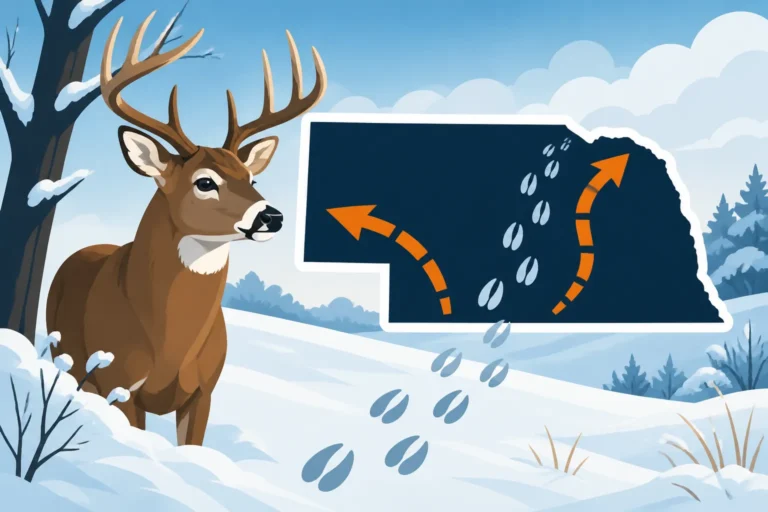
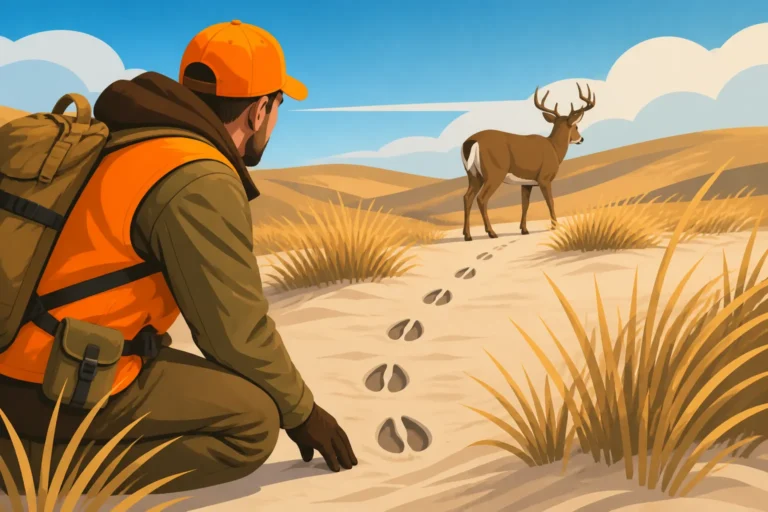
A fresh snowfall is a gift to the late-season hunter. It erases old sign and leaves a clean slate for deer to write their latest movements. Learning to read these tracks is like reading a newspaper. Look for large, deep tracks, especially those indicating a heavy-bodied animal. Pay attention to stride length and any dragging marks from a heavy brisket or dewclaws, which often indicate a mature buck. Fresh tracks are paramount; if the snow is still falling and you find tracks with fresh snow in them, you know they're recent. Follow these tracks, looking for consistent travel patterns between bedding and feeding areas. Droppings can also tell you about a deer's diet and freshness. Look for rubs and scrapes, though scrapes will be less active in December. Focus on concentrated activity where multiple sets of tracks converge, indicating a travel corridor or a popular food plot. Even without snow, trails to Late-Season Food Sources in Nebraska will show heavy usage.
Leveraging Topographical Maps and Digital Tools
Modern hunting has been revolutionized by digital mapping tools, and they are invaluable for December muzzleloader hunting. Platforms like GoHunt, OnX Hunt, or BaseMap allow you to analyze terrain features from your couch. You can identify south-facing slopes, thick timber, pinch points, and water sources that might be overlooked on the ground. Use these maps to find potential thermal cover, identify secluded bedding areas away from roads, and trace likely travel corridors between these areas and known food sources. You can also mark areas of deer sign you find on scouting trips. Some applications even have layers showing public land boundaries, which is crucial for ethical hunting. Consider how using a GPS Units Versus Phone Apps can streamline your scouting and navigation in the field, helping you stay oriented in unfamiliar territory or tracking a deer. These tools are especially helpful when planning an approach to a stand location, allowing you to choose a path that minimizes scent and noise impact.
Understanding Deer Movement in Snow and Extreme Cold
Extreme cold and deep snow significantly alter deer movement patterns. When temperatures plummet, deer will move less, seeking to conserve energy. They will often shorten their travel between bedding and feeding. If the snow is deep, they'll often stick to established trails or areas with less snow accumulation, like plowed field edges or frozen creek beds. A fresh blanket of snow, however, can provide an excellent window of opportunity. Deer will often feed heavily before a major snowstorm and then hunker down during it. As soon as the snow stops, they'll often be on the move, desperate for food. High winds will also push deer into the thickest, most sheltered cover available. Paying attention to weather forecasts isn't just about your comfort; it’s about predicting deer behavior. If you’re hunting in a region like the Nebraska Pine Ridge, understanding Deep Snow and Deer Movement will be critical to finding deer that have yarded up in protected canyons or draws.
| Muzzleloader Projectile Type | Pros | Cons | Ideal December Scenario |
|---|---|---|---|
| Full Bore Conical | Excellent energy transfer; good for heavy bone; simple loading. | Can be less accurate at long range; heavier recoil; limited rifling compatibility. | Close-range shots in thick cover; good for larger bucks; when maximum impact is desired. |
| Saboted Bullet | Superior accuracy at longer ranges; wide variety of bullet weights/designs; typically lighter recoil. | Sabot can fail in extreme cold; more complex loading; plastic sabot pieces litter area. | Open field edges; longer shots (100-200 yards); prioritizing precision and flat trajectory. |
| PowerBelt Bullet | Easy loading; good accuracy; high ballistic coefficient. | Can shed jacket on impact; less penetration on heavy bone; expensive. | General purpose hunting; good for accuracy and ease of use; ideal for moderate ranges. |
Executing the Shot and Ensuring Recovery
Even with the best tactics, the moment of truth with a muzzleloader requires focus. And after the shot, the challenges of winter weather make recovery an even more critical, time-sensitive task.
Precision Shooting with a Muzzleloader in Cold
Muzzleloaders, by their nature, are single-shot firearms, meaning you get one chance. In December's cold, this means perfect shot placement is critical. Practice shooting your muzzleloader in cold weather, wearing your hunting clothes, to understand how your body and rifle perform. Cold hands can affect trigger pull, and stiff clothing can impede your shooting form. Account for potential wind drift on the open Nebraska prairie; a strong crosswind can push your projectile significantly. Most muzzleloader shots will be within 150 yards, often much closer in thick cover. Take your time, ensure a solid rest, and aim for the vital organs – typically the lung-heart area. Avoid marginal shots, especially when temperatures are low and tracking could be difficult. Ensure your optics are clear and fog-free. The adrenaline of seeing a buck in the late season can be intense, but a steady hand and a calm mind are vital for a clean shot.
Mastering the Art of Blood Trailing in Snow
After the shot, the challenge immediately shifts to recovery. Snow can be both a blessing and a curse. While it makes blood more visible, falling snow can quickly obscure a blood trail. If you have a clean shot and see the deer react, give it time, especially in cold weather, which can cause deer to stiffen up quickly. If it's a marginal hit, give it even more time—several hours, or even until morning if you hit in the evening and the weather permits. When tracking, move slowly and methodically, marking the last known blood sign. Look for disturbed snow, broken branches, or hair at the shot site. If the blood trail becomes sparse, expand your search area in the direction the deer was headed. Note how the blood looks: bright red and frothy often indicates a lung hit, while dark red may indicate a liver or muscle hit. Cold can make the blood freeze and clump, making it harder to discern. For strategies on Blood Trailing After Dark in Nebraska, ensure you have adequate lighting and consider bringing a friend to help. Even with snow, a good blood trail is not always guaranteed, so be prepared for a difficult track.
Essential Game Recovery and Meat Care
Once you've recovered your deer, prompt field dressing is necessary, even in cold weather. While the cold helps preserve the meat, removing the entrails quickly allows the carcass to cool properly and prevents spoilage. If you're in a remote area, consider the gutless method to lighten your load. Have game bags ready to protect the meat from dirt, snow, and predators. Transporting the deer out can be physically demanding, especially through deep snow or rugged terrain. If you're hunting in the Nebraska Sandhills, getting a deer out of a deep basin can be a significant undertaking, so plan your extraction method beforehand. Back at camp or home, skin the deer promptly and hang it in a cool, well-ventilated place, ideally between 30-40 degrees Fahrenheit. This allows the meat to age slightly, improving tenderness and flavor. If temperatures are consistently below freezing, ensure the meat doesn't freeze solid before it has a chance to cool down properly. Protecting the meat from critters and keeping it clean are your final, crucial steps in a successful December muzzleloader hunt.
Disclaimer
Always consult the latest Nebraska Game and Parks Commission regulations before planning any hunting trip, as rules and seasons can change.