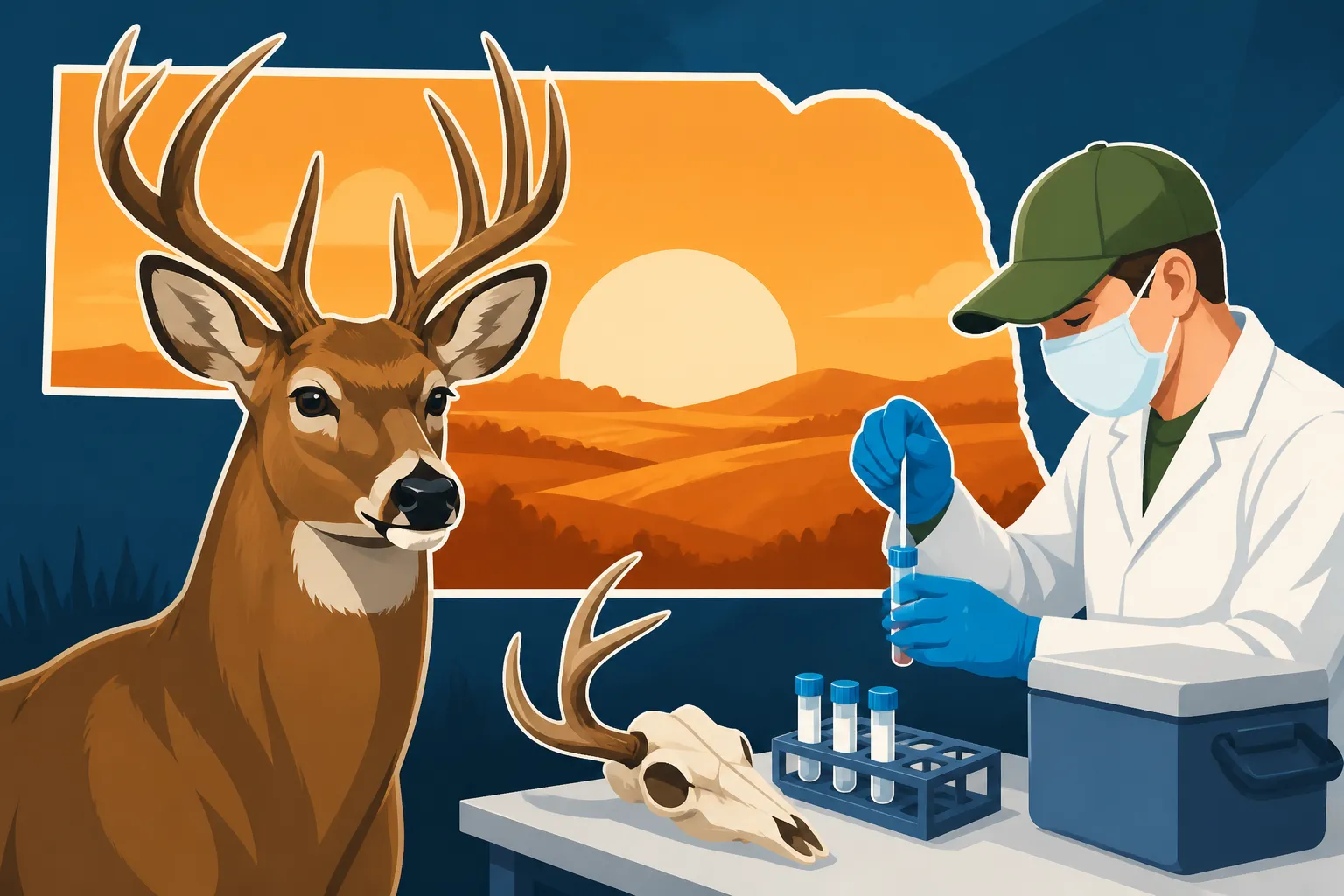
Getting a Nebraska Deer Tested for CWD
The moment you down a magnificent Nebraska deer, a rush of excitement and pride takes over. But then, for many of us, a quiet worry creeps in: "What about CWD?" Chronic Wasting Disease is a serious concern, and ensuring the health of the game you've harvested, both for consumption and for the health of the broader herd, is a responsible step. This guide is here to walk you through the practical, real-world steps of getting your Nebraska deer tested for CWD, helping you navigate the process with confidence and clarity.
Why Getting Your Nebraska Deer Tested for CWD Matters
It’s completely normal to feel a mix of triumph and trepidation after a successful deer hunt these days. We pour our time, effort, and passion into these pursuits, and the last thing anyone wants is to discover a problem with their harvest. Getting your deer tested for Chronic Wasting Disease (CWD) isn't just a bureaucratic step; it’s a crucial part of being a responsible hunter and a good steward of Nebraska’s wildlife resources.
Understanding the Threat of CWD in Nebraska
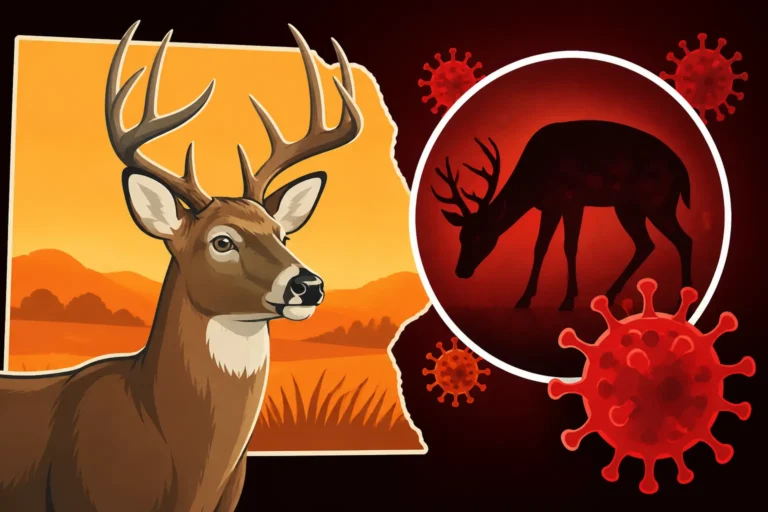
CWD is a terrible neurological disease that affects cervids – deer, elk, and moose. It's a progressive and always fatal disease, and it's caused by abnormal proteins called prions. These prions can accumulate in the brain and other tissues, slowly wasting away the animal's body and leading to behavioral changes, emaciation, and eventually, death. Imagine seeing a deer that’s simply fading away, uncoordinated, and showing no fear of humans – that’s the heartbreaking reality of advanced CWD. It’s a threat to the vitality of our deer populations, potentially leading to long-term declines in areas where it becomes prevalent. Hunters have been seeing more and more reports, and while it's easy to feel overwhelmed, understanding the disease is the first step in addressing it. The Nebraska Game and Parks Commission (NGPC) has been diligent in tracking its presence, and unfortunately, Where CWD Has Been Found in Nebraska includes several areas across the state, making testing a relevant consideration for many of us.
Protecting Your Family and Other Hunters
One of the biggest anxieties surrounding CWD is its potential impact on human health. While there's no strong scientific evidence showing direct transmission of CWD from deer to humans, health organizations, including the Centers for Disease Control and Prevention (CDC), advise caution. They recommend against consuming meat from animals that test positive for CWD. For many of us, providing wild game meat for our families is a cherished tradition, and the peace of mind that comes from a negative test result is invaluable. It removes that lingering "what if" from your freezer. Beyond personal consumption, your decision to test also contributes to a larger cause. The data collected from hunter-submitted samples helps wildlife agencies like the NGPC understand the disease's spread and prevalence. This information is vital for developing effective management strategies, identifying hotspots, and ultimately working to maintain healthy deer herds for future generations of hunters. It's an ethical responsibility we all share, a small action that can have a big collective impact on preserving our hunting heritage. If you're concerned about other deer health issues, you might also want to look into EHD Outbreaks in Nebraska Deer, as disease monitoring is a continuous effort.
How to Collect a CWD Sample from Your Deer in Nebraska
Okay, so you’ve got your deer, you've done the initial field dressing, and now you're thinking about that CWD test. Don't sweat it too much; it's a straightforward process once you know what you're looking for. The key is to be prepared and methodical.
Essential Gear for Sample Collection
Before you start, gather a few basic items. You’ll need a sharp knife, a clean work surface (or a fresh plastic sheet if you're still in the field), several sturdy plastic bags (zip-top freezer bags work great), permanent markers, and, crucially, a pair or two of disposable gloves. Wearing gloves is important for hygiene, protecting both you and the sample from potential contamination. Some hunters find it helpful to have a dedicated "CWD kit" in their pack, perhaps even a small GoHunt branded kit if available, that includes these items, making it easy to grab and go after a successful harvest. A cooler with ice is also essential if you're not immediately submitting the sample, especially if you harvested in warmer early season conditions. Keeping the head or the sample cool is paramount to preserving its integrity for testing. Remember, the quality of your sample can affect the accuracy and turnaround time of the test results.
Step-by-Step Guide to Lymph Node Extraction
The most common sample required for CWD testing is the retropharyngeal lymph nodes. These are located in the throat area, specifically at the back of the jaw, near where the head meets the neck. Here’s how you can typically find and remove them:
- Position the Deer: Lay the deer on its back or side with the head extended, exposing the throat.
- Access the Area: You’ll need to make an incision under the jaw, extending back toward the throat. Carefully separate the skin and muscle layers to expose the deeper tissues.
- Locate the Nodes: Feel for two small, bean-shaped glands, usually about the size of a shelled pecan or small grape, located deep in the fat and muscle on either side of the windpipe, near the angle of the jawbone. They are typically firm and reddish-brown. If you've already caped the deer for a shoulder mount, this area might be easier to access, but if not, you'll need to be careful with your cuts.
- Careful Removal: Using your sharp knife, carefully cut around each lymph node, making sure to get the entire gland. Try not to cut into the node itself, and avoid including excessive muscle or tissue. Just get the nodes.
- Bag and Label: Place each node into its own separate plastic bag. Using your permanent marker, clearly label the bag with your name, phone number, hunting permit number, the date of harvest, and the location (county, nearest town) where the deer was taken. This information is vital for the lab and for tracking the disease.
If you struggle to find the nodes or accidentally damage them, don't despair. It happens. You might need to submit the entire head, which we'll discuss next. For general field care, especially in early archery season, ensuring you're also thinking about Field Dressing and Cooling Game in Warm Weather is critical alongside CWD sample collection.
Head Collection for Designated Areas
Sometimes, particularly if you harvest a deer in a known CWD management zone or if you're simply unable to extract the lymph nodes cleanly, the Nebraska Game and Parks Commission might require or recommend submitting the entire head. This is often the case during specific surveillance periods or at mandatory check stations in high-prevalence areas.
To prepare the head for submission:
- Remove the Head: Sever the head from the neck, ensuring you leave at least a few inches of neck tissue attached. This ensures all necessary lymphatic tissue is preserved.
- Keep it Cool: The most important thing is to keep the head cool. Place it in a sturdy garbage bag, and then immediately into a cooler packed with ice. This prevents decomposition, which can compromise the sample.
- Labeling: Just like with the lymph nodes, label the bag clearly with all your hunter information, date, and location of harvest.
- Transport: Transport the head to a designated submission site as quickly as possible. This can be a bit more cumbersome than carrying a small bag of lymph nodes, so plan your route and timing accordingly. Remember, the goal is to get a viable sample to the lab for Nebraska CWD Sampling for Hunters.
Submitting Your Sample for CWD Testing in Nebraska
So you've done the hard part of harvesting your deer and collecting the sample. Now comes the submission. This step is largely about knowing where to go and what to expect.
Locating Official CWD Submission Sites
The Nebraska Game and Parks Commission (NGPC) is your go-to resource for CWD testing. They have established a network of submission points designed to make it as convenient as possible for hunters. These can include:
- Designated Check Stations: During specific firearm seasons, the NGPC often sets up mandatory or voluntary check stations where you can bring your deer (or just the head/sample). These are usually clearly marked and staffed by wildlife professionals.
- NGPC Offices/WMAs: Some regional NGPC offices or Wildlife Management Area (WMA) headquarters serve as year-round or extended-season drop-off points. You'll want to check the specific hours of operation.
- Participating Veterinarian Clinics: In some areas, local vet clinics might partner with the NGPC to accept samples.
- Self-Serve Drop-off Sites: These are increasingly common, especially in rural areas. They usually consist of a freezer or collection box where you can deposit your properly bagged and labeled sample. Make sure to follow all instructions posted at these sites meticulously.
It’s absolutely critical to always check the official NGPC website or their current hunting guide for the most up-to-date list of submission sites, their operating hours, and any specific requirements for the current hunting season. This information can change yearly based on CWD prevalence and monitoring needs. A resource like GoHunt can also be incredibly helpful for staying abreast of regulatory changes and finding current maps of submission locations, helping you avoid a wasted trip. Even when you're Planning a Hunt From the Public Access Atlas, it’s wise to scout out potential CWD drop-off points in your chosen unit beforehand.
Understanding the Testing Process and Results
Once you've dropped off your sample, the waiting game begins. CWD testing isn't an instant process. The samples are sent to a lab where specialized techniques are used to detect the prions. The turnaround time can vary significantly, often taking several weeks, especially during peak hunting seasons when labs are swamped.
Typically, the NGPC will provide information on how to check your results. This might be through an online portal where you can enter your permit number or a unique sample ID, or you might receive a notification via mail or email. If you receive a positive test result, the NGPC will usually contact you directly to discuss the implications.
Here's what a result means for your venison:
- Negative Result: Great news! This means no CWD prions were detected in the sample. Most health agencies suggest that meat from CWD-negative animals is safe for consumption. You can process and enjoy your harvest with peace of mind.
- Positive Result: If your deer tests positive for CWD, it is strongly recommended that you do not consume the meat. While again, human transmission isn't definitively proven, the risk is not worth it, especially when it comes to feeding your family. The NGPC will provide guidance on safe disposal if your deer tests positive.
The testing process is designed to be a proactive measure. The vast majority of deer tested in Nebraska come back negative, and by participating, you're helping everyone involved.
Carcass Movement and Disposal Guidelines
This is a critical area where rules can be strict, especially concerning CWD. If you harvest a deer in a designated CWD management zone, there are often restrictions on how you can transport certain parts of the carcass out of that zone. The general idea is to prevent the spread of prions to new areas.
Common rules for carcass movement include:
- No High-Risk Parts: You often cannot transport the brain, spinal cord, eyes, spleen, or lymph nodes (except for samples submitted for testing) out of a CWD management zone.
- Allowed Parts: Typically, deboned meat, hides without the head, cleaned skull plates with antlers, and taxidermy-ready capes are allowed, as these parts are considered low-risk.
- Whole Carcasses: Transporting an entire carcass might be restricted to within the CWD management zone or directly to a CWD sampling station.
Always verify the current Carcass Transport Rules Out of Nebraska and within specific zones before you move your deer. Ignoring these rules, even unknowingly, can lead to fines and penalties.
For disposal, especially of positive or untested high-risk parts:
- Landfill: Many landfills are equipped to handle animal carcasses, but always call ahead to confirm their policy and any specific requirements.
- Burying: If you own land, burying the carcass deeply can be an option, but ensure it's deep enough to prevent scavengers from digging it up and potentially spreading prions.
- Professional Disposal: Some rendering plants or specialized facilities can also assist with proper disposal.
The ethical disposal of carcasses and high-risk parts is just as important as the testing itself in preventing the spread of CWD. It's a small but significant act of stewardship that helps maintain the health of Nebraska's deer herd. Always make sure you're also following Nebraska Deer Tagging and Checking Rules and Reporting a Nebraska Deer Harvest as part of your post-harvest responsibilities.
Beyond the Test: What Every Hunter Should Know
Getting your deer tested for CWD is a commendable act, but being informed about CWD goes beyond a single test. It's about ongoing awareness and good practices that support the health of our deer herds for years to come.
General CWD Prevention Practices
While there's no magic bullet to eliminate CWD, every hunter can adopt practices that help mitigate its spread and impact. Think of it as common sense conservation:
- Don't Feed Deer: As tempting as it might be to attract deer, feeding them concentrates animals in unnatural ways, increasing nose-to-nose contact and the likelihood of disease transmission, including CWD. It’s best to let deer forage naturally.
- Proper Carcass Disposal: As we discussed, correctly disposing of high-risk carcass parts is paramount. Never leave them in the field where scavengers can spread prions, especially in areas with known CWD presence.
- Clean Your Equipment: Thoroughly clean all hunting equipment that comes into contact with deer, including knives, saws, and processing tools. Use a bleach solution (50/50 bleach and water) for non-porous surfaces. This helps prevent accidental transmission of prions between animals or locations.
- Know the Rules: Stay informed about current CWD regulations for the specific hunting unit you're in. Rules can vary, and what's permissible in one area might not be in another.
These simple steps collectively make a big difference. They’re part of the ongoing responsibility we take on as hunters.
Staying Informed About CWD in Nebraska
The landscape of CWD in Nebraska is dynamic. Prevalence can change, new areas can be detected, and management strategies might evolve. Relying on information from a few seasons ago won't cut it. It's truly important to commit to staying current.
- Nebraska Game and Parks Commission (NGPC): Their website is the official source for all CWD-related information, including maps of surveillance zones, updated regulations, and submission site lists. Make it a habit to check before each hunting season.
- Local Wildlife Officials: Don't hesitate to reach out to your local conservation officer or NGPC wildlife biologist if you have specific questions about CWD in your hunting area. They are an invaluable resource and happy to help.
- Hunting Community Resources: Platforms like GoHunt and local hunting forums can be great places to find out about real-time discussions among hunters, though always double-check critical information with official NGPC sources. They can also share stories and experiences with Chronic Wasting Disease in Nebraska.
Being an informed hunter not only makes you more effective in the field but also makes you a better advocate for wildlife conservation and health.
The Future of CWD Management and Hunting
CWD is a challenging disease, and scientists and wildlife managers are continuously researching new ways to combat it. Efforts include everything from genetic studies to understand deer resistance to disease, to exploring new containment strategies. As hunters, we play an indispensable role in this fight. Our participation in testing programs, adherence to regulations, and commitment to ethical practices are the backbone of CWD management. We are the first line of defense, the eyes and ears in the field, and our contributions are essential for gathering the data needed to protect Nebraska’s deer herds. The future of hunting in Nebraska, and indeed across the country, is tied to our ability to address and adapt to challenges like CWD. By embracing these responsibilities, we ensure that the thrill of the hunt and the tradition of wild game on the table remain vibrant for generations to come.
Here’s a quick summary of the dos and don'ts when it comes to CWD testing:
| Action | Do | Don't |
|---|---|---|
| Sample Collection | Wear disposable gloves. | Touch the sample with bare hands. |
| Use a sharp, clean knife. | Damage the lymph nodes (if extracting). | |
| Extract both retropharyngeal lymph nodes. | Forget to label your sample clearly and completely. | |
| Keep the sample or head cool on ice. | Let the sample decompose before submission. | |
| Submission | Check NGPC website for current submission sites & hours. | Assume previous year's submission sites are still valid. |
| Follow all posted instructions at drop-off sites. | Submit samples without required hunter information. | |
| Carcass Movement | Debone meat before transporting out of CWD zones. | Transport high-risk parts (brain, spinal cord, etc.) out of CWD zones. |
| Understand specific unit regulations for movement. | Risk spreading prions to new areas. | |
| Disposal | Dispose of positive/untested high-risk parts safely (landfill/bury). | Leave high-risk parts accessible to scavengers. |
| General Practice | Stay informed on NGPC updates and CWD research. | Feed deer or attract them to concentrated areas. |
| Clean all hunting equipment with disinfectant. | Ignore CWD concerns or regulations. |
Disclaimer
This article is for general informational purposes only and does not constitute professional advice. Laws, prices and regulations vary by location and change over time. Consult a qualified professional for guidance on your specific situation.