Nebraska Apprentice Hunter Certificates
Embarking on the journey of hunting, whether you're a seasoned outdoors person or someone completely new to the field, can feel incredibly daunting. The regulations, the gear, the knowledge – it's a lot to take in. For many folks, the time commitment for traditional hunter education courses can be a real hurdle, especially if they're just trying to dip their toes in the water. This comprehensive guide is here to demystify the Nebraska Apprentice Hunter Certificate, providing a clear path for new hunters and those looking to mentor them.
Understanding the Nebraska Apprentice Hunter Certificate
The Nebraska Game and Parks Commission recognized that getting started in hunting could be an intimidating process, particularly with the mandatory hunter education requirements. While essential for safety and conservation, these courses often posed a barrier for individuals curious about hunting but not yet ready to fully commit. That's where the Apprentice Hunter Certificate comes in – it's a brilliant bridge designed to get new hunters into the field under close supervision, allowing them to gain invaluable hands-on experience.
What Exactly Is an Apprentice Certificate?
Simply put, a Nebraska Apprentice Hunter Certificate acts as a temporary alternative to a full hunter education certification. It allows an individual, regardless of age, to lawfully hunt most game species in Nebraska without first completing the traditional hunter education course. This is a game-changer for many, as it removes that initial time investment barrier. Think of it as a learner's permit for hunting. It's a way to experience the thrill and responsibility of hunting firsthand, learning directly from an experienced mentor in a practical, real-world setting, rather than solely from a classroom or online module. It's not a standalone hunting permit; it’s a certification that allows you to purchase the actual hunting permits (like deer or pheasant tags) that you need. You'll still need the appropriate permits for the game you intend to pursue, along with a Nebraska Habitat Stamp, just like any other hunter. For those looking into Nebraska Habitat Stamp and Hunter Education, it's important to understand the relationship between these requirements.
The core philosophy behind the apprentice certificate is experiential learning. Instead of waiting to complete a course, new hunters can immediately begin to understand concepts like ethical shot placement, tracking, wildlife identification, and safe firearm handling directly in the field. This hands-on approach often resonates more deeply and can cultivate a lifelong passion for hunting and conservation. It's a pragmatic solution for busy families or individuals who might struggle to fit a multi-day hunter education course into their schedule, especially if they're uncertain whether hunting is for them in the long run.
Who Benefits Most from This Program?
The Nebraska Apprentice Hunter Certificate is truly a blessing for several groups. First and foremost, it's perfect for new adult hunters who never had the opportunity to learn as kids but now find themselves drawn to the outdoors and the idea of ethical harvesting. Starting a new hobby as an adult can be tough, and this program lowers the entry barrier significantly. It allows them to accompany a trusted friend or family member who already hunts, experiencing the rhythms of the season and the nuances of the hunt directly.
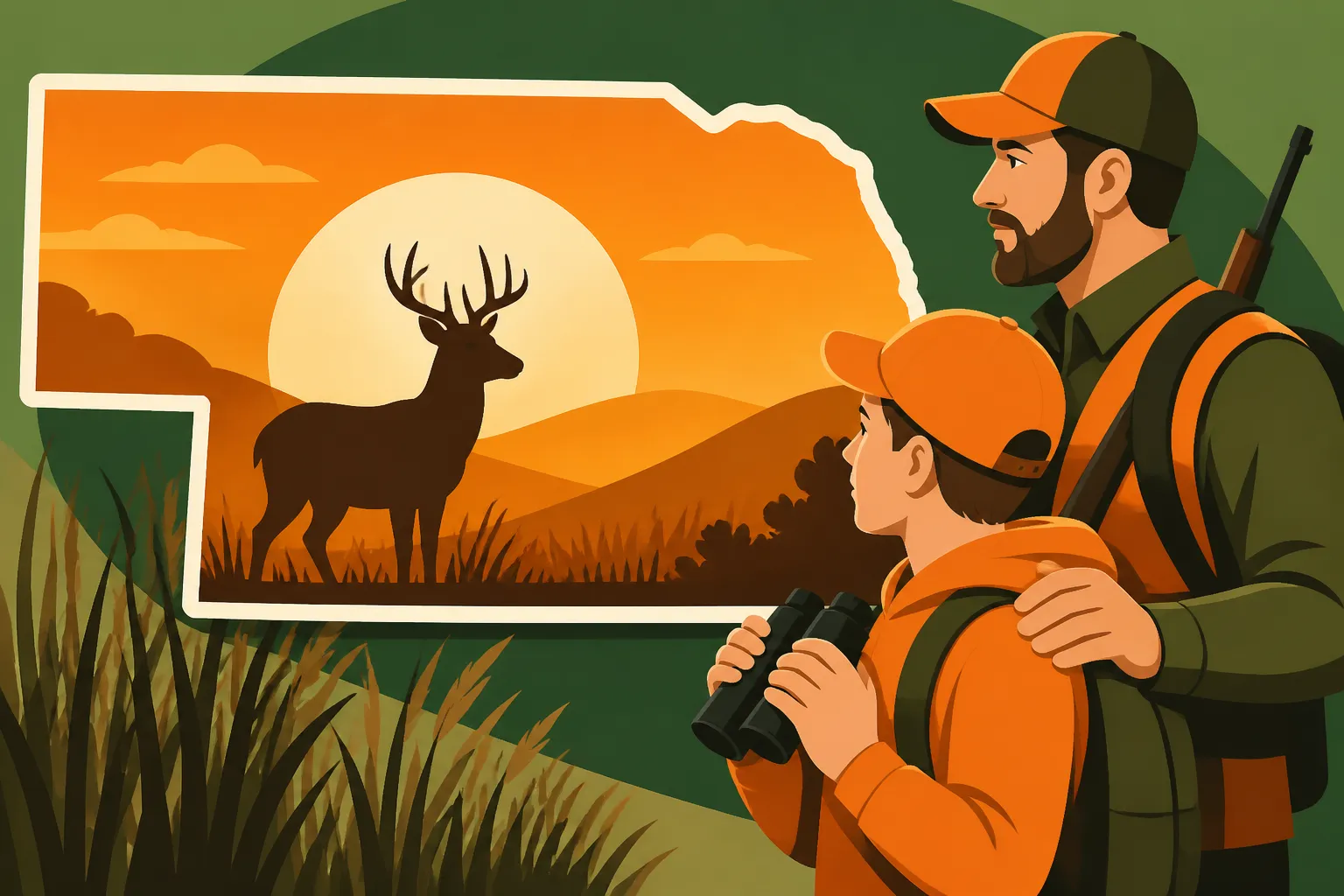
Secondly, it's invaluable for youth hunters who are just starting out. While Nebraska offers Youth Deer Permits and Mentored Hunts, the apprentice certificate specifically addresses the hunter education hurdle. It means a parent or guardian can take their child hunting without the child having completed the full course yet, allowing them to see if hunting sparks their interest before dedicating time to formal education. This "try before you buy" approach is fantastic for fostering interest in the next generation of conservationists. Imagine a fall pheasant hunt where a new youth hunter can walk alongside their parent, carrying a shotgun, and experience the flush and shot sequence for themselves, all while under direct supervision. This is far more impactful than just reading about it in a book.
Lastly, and perhaps most crucially, it benefits experienced hunters who want to become mentors. This program empowers them to introduce new participants to hunting without the new person needing prior certification. It's an opportunity for mentors to share their passion, knowledge, and ethical practices directly, ensuring that new hunters learn the ropes the right way, from the ground up, with safety and respect at the forefront of every lesson. The responsibility of guiding an apprentice is significant, but the reward of passing on the tradition is immeasurable.
Eligibility and Requirements for Apprentice Hunters
The brilliance of the Apprentice Hunter Certificate lies in its simplicity and accessibility, but it's important to remember that it comes with very specific rules designed to prioritize safety and ethical conduct. This isn't a free pass to hunt alone; it's a supervised learning experience.
Age Restrictions and Mentor Responsibilities
One of the most appealing aspects of the apprentice certificate is that there are no age restrictions for the apprentice. Whether you're 8 years old or 80, if you've never completed hunter education, this certificate opens the door. However, the cornerstone of this program is the mentor. Every apprentice hunter, regardless of age, must be accompanied and directly supervised by a qualified mentor at all times while hunting. This isn't just a suggestion; it's a strict legal requirement.
A qualified mentor must meet several criteria:
- They must be at least 19 years old.
- They must possess a valid, Nebraska-issued hunter education certification or be exempt from the requirement (e.g., born before January 1, 1977).
- They must possess all required Nebraska permits for the current hunting season, including a valid hunting permit and habitat stamp.
- Crucially, the mentor must be in direct supervision of the apprentice. This means the mentor must be within sight and normal voice communication of the apprentice hunter at all times. This isn't a "drop them off at the stand" situation. If the apprentice is carrying a firearm or bow, the mentor must be close enough to take immediate control if needed, ensuring the safety of both the apprentice and anyone else in the vicinity. For instance, if you're taking a youth hunter out for Bowhunting Nebraska's Four-Month Archery Season, your supervision needs to be constant and direct, especially when dealing with equipment and shot opportunities.
This direct supervision ensures that every shot decision, every tracking effort, and every ethical consideration is guided by an experienced hand. It's an intensive, hands-on teaching method where the mentor is constantly assessing, advising, and demonstrating proper hunting behavior.
Key Rules and Regulations to Follow
While the apprentice certificate waives the hunter education requirement, it doesn't waive any other hunting laws or regulations. Apprentice hunters, like all other hunters, must strictly adhere to:
- Season Dates and Bag Limits: You cannot hunt outside of established seasons, and you must respect all daily and possession bag limits for the species you are pursuing. This applies whether you're chasing deer during When the Whitetail Rut Peaks in Nebraska or hunting pheasants in December.
- Permit Requirements: The apprentice certificate allows you to purchase permits, but you still need those specific permits (e.g., deer permit, turkey permit, small game permit) for the species you intend to hunt.
- Method of Take: All legal methods of take (e.g., specific firearms, archery equipment, muzzleloaders) must be followed. The mentor should ensure the apprentice understands and uses appropriate gear.
- Blaze Orange Requirements: If hunting during any firearm deer season or other periods where blaze orange is mandatory, both the apprentice and the mentor must comply. Understanding Orange Requirements for Archers in November is crucial for safety.
- Land Access Rules: Apprentice hunters must also follow all rules regarding public and private land access, including Nebraska's trespass and permission laws. This means obtaining proper permission for private land or understanding the regulations for hunting Nebraska public ground before opening day.
One critical aspect to remember is that an individual may only obtain an Apprentice Hunter Certificate a maximum of two times in their lifetime. Each certificate is valid for one calendar year. This limitation underscores its purpose as a temporary learning tool, not a permanent substitute for full hunter education. After exhausting the two-certificate limit, the individual must complete a certified hunter education course to continue hunting in Nebraska. This structure encourages eventual, full certification, ensuring a well-educated hunting population.
The Application Process and What to Expect
Getting your hands on an Apprentice Hunter Certificate in Nebraska is a straightforward process, designed to be as accessible as the program itself. The Nebraska Game and Parks Commission has made it relatively simple, understanding that ease of access helps get new participants into the field.
Steps to Obtain Your Certificate
The process to obtain a Nebraska Apprentice Hunter Certificate is very similar to purchasing any other hunting permit, making it convenient for both the apprentice and their mentor.
- Online Purchase: The most common and easiest method is to purchase the certificate online directly through the Nebraska Game and Parks Commission's permit system. You can typically find this on their official website. You'll need to create an account if you don't already have one, or log in with your existing credentials. The system will guide you through selecting the Apprentice Hunter Certificate.
- In-Person Purchase: If you prefer, you can also purchase the certificate at any authorized permit vendor across Nebraska. This includes many sporting goods stores, bait shops, and some county clerk offices. Just ask for the Apprentice Hunter Certificate.
- Required Information: You'll need basic personal information for the apprentice, such as name, address, date of birth, and possibly a state ID number. The cost is typically very reasonable, often just a few dollars, reflecting its role as an access tool rather than a major revenue generator.
- Immediate Access: Once purchased, the certificate is usually valid immediately for the current permit year. You can print it out or keep a digital copy on your phone, but always make sure you have it with you, along with any other required permits, when afield. The convenience of buying Nebraska Permits Online means you can often decide to go hunting last minute and get everything sorted quickly.
It's crucial to understand that while the apprentice certificate itself is a low-cost item, it does not replace the need for specific game permits or a Nebraska Habitat Stamp. For example, if you plan to hunt deer, you'll still need to purchase a deer permit for the specific unit and season you plan to hunt.
Integrating the Certificate with Other Permits
The Apprentice Hunter Certificate works in conjunction with other required permits. It essentially unlocks your ability to purchase game-specific permits without having first passed a hunter education course.
Here's how it generally works:
- Hunting Permit: Every hunter in Nebraska, including apprentices, needs a general Nebraska Hunting Permit. This is the base permit for most hunting activities.
- Habitat Stamp: A Nebraska Habitat Stamp is required for nearly all hunting and trapping activities for residents and nonresidents alike. This stamp funds critical habitat improvement projects across the state.
- Game-Specific Permits: Depending on what you're hunting, you'll need additional permits. For deer, you'd purchase a deer permit (e.g., "Statewide Whitetail Buck Permits Explained" or an antlerless permit). For turkeys, you'd get a turkey permit. For waterfowl, you'd need a Federal Duck Stamp in addition to your state hunting permit and habitat stamp.
- Federal Duck Stamp: If you're planning to hunt migratory waterfowl (ducks, geese), you'll need to purchase a Federal Migratory Bird Hunting and Conservation Stamp (often called a "Duck Stamp") in addition to your state permits. This is a federal requirement and funds wetland conservation across the nation.
When you go to purchase these game-specific permits (either online or in person), the system will check if you have a valid hunter education certificate or an Apprentice Hunter Certificate. As long as you have one of those, you'll be able to proceed with your purchase. This integration makes the process seamless, allowing new hunters to quickly gear up for their first experiences in the field. Tools like GoHunt can be particularly helpful here, allowing you to easily manage and track your required permits and ensure you're compliant with all regulations before heading out. They often integrate permit purchasing and tracking into their platforms, streamlining the planning process for your hunting adventures.
Practical Advantages and Real-World Scenarios
The Apprentice Hunter Certificate isn't just a piece of paper; it's a gateway to hands-on learning and the rich experiences that hunting offers. Its greatest strengths lie in its ability to facilitate direct instruction and accelerate practical skill development.
Gaining Field Experience Without Hunter Education
The most significant advantage of the apprentice certificate is the immediate opportunity for real-world application. Instead of theoretical knowledge from a textbook, an apprentice hunter gets to see, hear, and feel what hunting is truly like from day one.
Consider a scenario: A new hunter, perhaps an adult who just moved to Nebraska and wants to try pheasant hunting, is interested but daunted by the time commitment of a hunter education course. With an apprentice certificate, they can join an experienced friend for Walking Nebraska Pheasant Cover With a Dog. They'll learn:
- Safety First: The mentor can constantly reinforce muzzle control, zone of fire, and safe handling in varying terrain. This isn't abstract; it's immediate and crucial when a rooster flushes at your feet.
- Reading the Land: An apprentice learns how pheasants hold in cover, how to approach a cattail slough, or how to work a milo stubble field. This contextual learning is far more effective than just diagrams.
- Ethical Decisions: They witness firsthand the importance of shot selection, knowing when not to shoot, and proper game recovery. They learn about Shot Placement on a Rising Rooster and how to ensure a clean harvest.
- Wildlife Identification: Differentiating game species, identifying sign, and understanding animal behavior becomes second nature when actively observed.
- Mentorship in Action: The mentor can explain why they're walking a certain way, why they're pausing here, or how to interpret a dog's body language. This constant dialogue builds understanding and confidence.
This direct immersion is invaluable. It helps new hunters develop a "hunter's eye" – the ability to observe, interpret, and anticipate, which is difficult to teach outside of the actual environment. It helps build critical skills like Blood Trailing After Dark in Nebraska or Field Dressing and Cooling Game in Warm Weather directly when the situation demands it, under the guidance of someone who has done it countless times.
How Mentors Can Effectively Use the Program
For mentors, the Apprentice Hunter Certificate program provides a structured and legal framework to pass on their knowledge. It’s an opportunity to create new hunters and ensure the traditions of ethical hunting continue. Effective mentorship goes far beyond just taking someone to the woods; it involves comprehensive teaching.
Here are ways mentors can maximize the program:
- Start with the Basics: Before even stepping into the field, cover essential firearm safety rules (ACTT: Assume every gun is loaded, Control the muzzle, Keep your finger off the trigger, Be sure of your target and what is beyond). Demonstrate safe loading, unloading, and carrying techniques. For archers, explain string safety, nocking arrows, and drawing mechanics.
- Pre-Hunt Scouting and Planning: Involve the apprentice in the planning process. Show them how to use tools like GoHunt or the Nebraska Public Access Atlas to research areas. Explain Reading a Cedar Draw for Deer Movement or Setting Up on a Nebraska Cornfield Edge. Discuss wind direction, terrain, and game sign. This turns them into active participants in the hunt, not just observers.
- Emphasis on Ethics and Conservation: Discuss why seasons and limits exist, the importance of habitat, and the role of hunters in conservation funding through licenses and stamps. Explain the responsibility that comes with taking an animal.
- Patience and Positive Reinforcement: Hunting involves long periods of waiting, missed opportunities, and sometimes tough conditions. A mentor needs patience to guide an apprentice through these experiences, offering encouragement and celebrating small victories, like spotting a distant deer or making a good call.
- Post-Harvest Responsibilities: This includes teaching proper field dressing, tracking, recovery, and respecting the animal. Learning about Nebraska Deer Tagging and Checking Rules and transporting game correctly is a critical part of the process. Discuss meat care and utilization, reinforcing the "waste not, want not" ethos.
A mentor isn't just a chaperone; they are a teacher, a guide, and a role model. The apprentice certificate facilitates this profound transfer of knowledge and experience, fostering safe, ethical, and responsible hunters for generations to come.
Limitations and Future Steps
While the Nebraska Apprentice Hunter Certificate is an excellent pathway into hunting, it's vital to remember its temporary nature and the ultimate goal it serves: to transition new hunters into fully certified, independent participants in the sport. It's not a permanent workaround for comprehensive hunter education.
The Time Limit and Transition to Full Hunter Education
As previously mentioned, an individual can only obtain the Apprentice Hunter Certificate twice in their lifetime. Each certificate is valid for one calendar year. This means you essentially have two hunting seasons under direct supervision to decide if hunting is for you and to begin acquiring the skills necessary for formal certification. This limitation is intentional, reinforcing that the program is designed for an introductory period, not as a long-term substitute.
After exhausting the two-certificate limit, or even before, the next logical and legally required step for any aspiring hunter in Nebraska is to complete a full hunter education course. This is the official path to becoming a fully certified hunter, no longer needing direct supervision by a mentor. For those who used the apprentice certificate to try out hunting, this transition feels natural. They've had a taste of the field, developed a basic understanding, and hopefully, solidified their interest, making the hunter education course more relevant and engaging.
The structure ensures that while initial barriers are lowered, the commitment to safety, ethics, and conservation through education remains paramount for all long-term hunters. It's a progressive system: introduction, experience, then comprehensive education.
Hunter Education Requirements Beyond the Apprentice Certificate
Once you've used your two Apprentice Hunter Certificates, or if you simply decide to pursue full certification from the start, you'll need to complete a Nebraska Hunter Education course. There are typically a few ways to fulfill this requirement, catering to different learning styles and schedules:
- Traditional Classroom Courses: These are instructor-led courses, often held over several days or evenings, which cover firearm safety, wildlife identification, hunting ethics, basic first aid, and conservation principles. They usually include a live fire component or hands-on practice with equipment.
- Online Courses: For those with busy schedules, online hunter education courses offer flexibility. These self-paced modules allow you to complete the coursework at home, at your own speed. However, most online courses require an in-person field day or practical exam to ensure hands-on skill proficiency and safety.
- Combination Courses: Many states, including Nebraska, offer hybrid options that combine online learning with a shorter in-person field day or review session.
Who needs to take hunter education? Generally, anyone born on or after January 1, 1977, must successfully complete a Nebraska-approved hunter education course to legally hunt in the state without an Apprentice Hunter Certificate. This is a common requirement across many states and is a cornerstone of hunter safety programs. Knowing Who Nebraska Requires to Take Hunter Education is crucial for planning your hunting career. There are specific requirements for Bowhunter Education for Big Game Hunters if you plan to exclusively hunt with a bow, though the general hunter education certificate often covers the basics.
Completing hunter education is not just a legal obligation; it's an investment in your safety, the safety of others, and the future of hunting. It provides a deeper understanding of wildlife management, responsible land stewardship, and the rich traditions of the sport. It also gives you the confidence to hunt independently, knowing you have a solid foundation of knowledge and skills. After experiencing the field with an apprentice certificate, the lessons learned in a hunter education course will likely resonate even more profoundly, building upon the practical experience already gained. This phased approach, supported by programs like the Apprentice Hunter Certificate, is a testament to Nebraska's commitment to growing responsible hunters. GoHunt and similar platforms can also provide resources and links to help you find and enroll in certified hunter education courses once you're ready to take that next step.
Navigating Nebraska Hunting Certifications and Permits
Understanding the various permits and certifications needed for hunting in Nebraska can sometimes feel like solving a puzzle, especially with specific requirements like the Apprentice Hunter Certificate. To help clarify, here’s a table outlining the key differences and requirements for new hunters in Nebraska.
| Feature | Apprentice Hunter Certificate | Full Hunter Education Certification |
|---|---|---|
| Purpose | Temporary, supervised introduction to hunting | Permanent certification for independent hunting |
| Hunter Education Course | Not required to obtain | Mandatory for certification |
| Validity | One calendar year | Lifetime (once completed) |
| Number of Times Obtainable | Maximum of two times per individual lifetime | Once |
| Supervision Required | ALWAYS; by a certified mentor (19+, within sight/voice) | Not required (after certification) |
| Age Requirement for Hunter | None | Generally, anyone born on or after Jan. 1, 1977, needs it |
| Mentor Requirements | Mentor must be 19+, hunter education certified, possess permits | N/A (for independent hunting) |
| Cost | Low (typically a few dollars) | Varies by course type (can be free to ~$30 for online/field day) |
| Game Specific Permits | Still required for each species (e.g., deer, turkey) | Still required for each species |
| Habitat Stamp | Still required | Still required |
| Federal Duck Stamp | Still required for migratory birds | Still required for migratory birds |
This table highlights that while the Apprentice Hunter Certificate provides an invaluable entry point, it's designed with strict guidelines to ensure safety and to encourage eventual completion of the full hunter education program. It's a stepping stone, not a bypass, on the path to becoming a truly self-sufficient and responsible hunter in Nebraska.
Disclaimer
Please remember that hunting regulations can change. While this guide aims to provide accurate and up-to-date information, it is always your responsibility to consult the most current Nebraska Game and Parks Commission regulations and statutes before participating in any hunting activity. This content is for informational purposes only and should not be considered legal advice.