Bobwhite Quail in Eastern Nebraska
For many upland hunters, the distinctive "bob-white" call is the soundtrack of autumn, but the reality of finding these prized birds in Eastern Nebraska can be a frustrating challenge. While numbers have seen their ups and downs, dedicated hunters know that with the right knowledge of habitat, behavior, and conservation efforts, consistent success on bobwhite quail is still within reach in the rolling hills and creek bottoms of the eastern part of our state. This guide will take a deep dive into what makes Eastern Nebraska quail country, where to find these elusive birds, and how you can be a more effective and successful quail hunter here.
Understanding the Bobwhite Quail and Its Eastern Nebraska Habitat
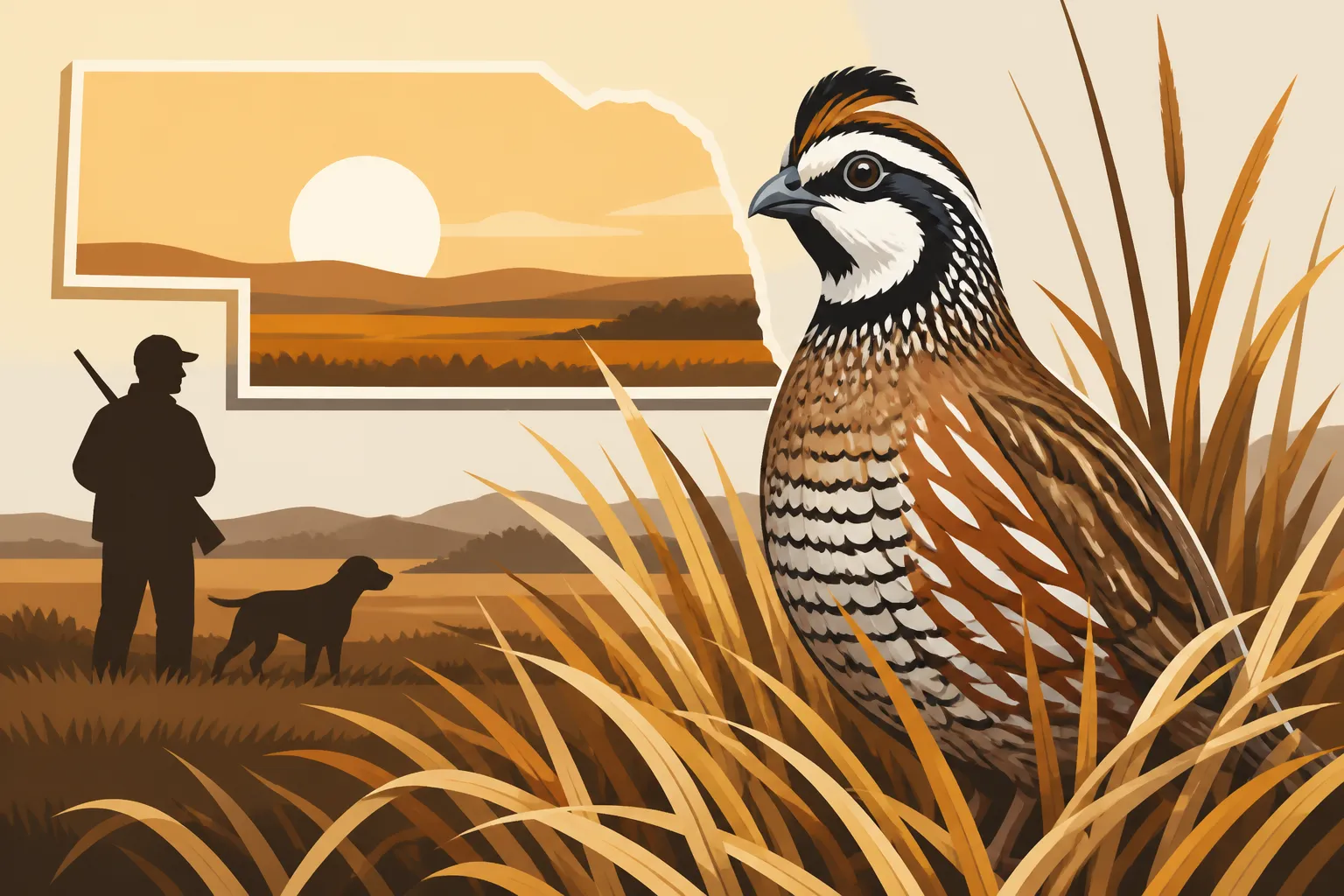
The Northern Bobwhite, often simply called bobwhite quail, is a small, ground-dwelling game bird that holds a special place in the hearts of many upland hunters. Their explosive flush and tight covey rises are legendary, but their survival hinges entirely on very specific habitat requirements. Eastern Nebraska, with its mix of agriculture, timbered draws, and grasslands, provides pockets of suitable ground, though these areas are often fragmented and can be challenging to locate.
The Elusive Nature of the Bobwhite
Bobwhite quail are masters of camouflage and are incredibly shy birds. They prefer to run and hide rather than fly, especially when they feel pressured. This makes them incredibly difficult to find without a good bird dog, as they'll often hold tight in dense cover, letting hunters walk right past them. Their flight is rapid and low, designed for quick escapes into nearby brush. When a covey flushes, it's a cacophony of wings and calls, spreading birds in every direction. This scatter is part of their survival strategy, making it harder for predators—and hunters—to target multiple birds. Understanding this evasive behavior is crucial for anyone hoping to connect with a covey. It means you need to hunt slowly, methodically, and be ready for an immediate shot when the unexpected happens.
Geographical Strongholds in Eastern Nebraska
While you won't find bobwhite quail across the entire state of Nebraska, Eastern Nebraska boasts the primary range for these birds. Specifically, the southeastern counties, where agricultural fields intermingle with river breaks, wooded creek bottoms, and tracts of native grass, tend to hold the most consistent populations. Areas along the Missouri River drainage, the Big Blue River, and other smaller tributaries provide the necessary mosaics of cover. These river corridors offer critical winter thermal cover, tall grass, and escape routes. Further west into the Sandhills, you might find some quail, but their numbers generally decrease as the habitat transitions to more open grassland, which is better suited for prairie grouse. The key is to look for areas that haven't been "cleaned up" too much by modern farming practices, where fencerows, small woodlots, and unmanaged field edges still exist. When considering Where Nebraska Quail Are Densest, you'll often find yourself focusing on these specific types of landscapes.
Life Cycle and Behavioral Patterns
The bobwhite's year revolves around breeding, brood-rearing, and survival through the winter. In spring, the familiar "bob-white" whistle rings out as males establish territories and attract mates. Hens will lay clutches of eggs in well-concealed nests on the ground, often in grassy cover. Once hatched, the chicks are precocial, meaning they can move and feed themselves almost immediately, but they are incredibly vulnerable to predators and weather. Coveys form in late summer, as broods merge, and these groups are the social unit of the quail through the fall and winter. These coveys can range from a handful of birds to a couple of dozen, and their size and health are direct indicators of habitat quality and past weather events. During the day, coveys move between feeding areas and loafing cover, often dusting themselves in bare patches of dirt. At night, they roost on the ground in a tight circle, tails inward, heads outward, to conserve heat and provide a 360-degree lookout for predators. This unique roosting behavior is a critical aspect of their survival, especially during cold winter nights.
Population Dynamics and Challenges for Nebraska Bobwhites
The story of the bobwhite quail in Nebraska, like much of the Midwest, is one of fluctuating populations, heavily influenced by both human land use and the whims of nature. Understanding these dynamics is essential for both hunters and conservationists working to secure a future for this iconic game bird.
Historical Trends and Current Numbers
Historically, bobwhite quail were abundant across much of their range, thriving in the patchwork of small farms, hedgerows, and diverse landscapes of yesteryear. In Nebraska, the peak of quail populations was likely in the mid-20th century, before the intensification of agriculture significantly altered the landscape. Since then, Bobwhite Quail Numbers in Nebraska have experienced a general decline, marked by periodic severe drops. These declines are largely attributed to a loss of suitable habitat. Modern farming, with its large monoculture fields and emphasis on clean farming practices, has removed many of the fencerows, brushy draws, and small patches of cover that quail rely on. While there are still good numbers in localized areas, the overall trend has been downward. State wildlife agencies continually monitor populations through various surveys, and while a good year can see a strong rebound, persistent habitat issues remain a limiting factor.
The Impact of Habitat Loss and Fragmentation
Habitat loss isn't just about land disappearing; it's about the quality and connectivity of the remaining habitat. Bobwhite quail need a specific "quail mosaic" – a mix of tall grass for nesting, brushy cover for escape and loafing, bare ground for dusting, and reliable food sources, all within a small home range. When these components are separated by vast expanses of row crops or mowed lawns, it creates fragmentation, making it difficult for birds to move safely between essential areas. A covey might have good roosting cover, but if their preferred food source is a quarter-mile across an open field, they become incredibly vulnerable to avian predators. This lack of interconnected habitat also limits genetic diversity and makes local populations more susceptible to sudden changes, whether it's an EHD outbreak in deer impacting forage or simply a severe winter. It's not enough for habitat to exist; it must be diverse and connected to support healthy quail populations. This is a critical factor for quail hunters hoping to locate productive ground.
Weather Events and Their Severe Consequences
Beyond habitat, weather plays an enormous, often devastating, role in bobwhite populations. Quail are relatively short-lived birds, and their numbers can fluctuate wildly from year to year based on nesting success and winter survival. A cold, wet spring can decimate nesting hens and young chicks, leading to poor recruitment for the upcoming fall. Conversely, a mild winter followed by a warm, dry spring can lead to booming populations. However, severe winters, especially those with prolonged periods of deep snow and ice, can be catastrophic. When snow covers ground-level food sources and freezes into a crust, quail can literally starve or freeze to death. This phenomenon, often referred to as Quail Winter Kill in Hard Years, can wipe out local coveys entirely, setting back populations for several seasons. Extreme heat and drought during the summer can also stress birds, reduce insect populations (a critical food source for chicks), and make water sources scarce. These climatic extremes highlight the delicate balance bobwhite quail exist within and underscore the importance of robust, diverse habitat that can provide refuge during adverse conditions.
Key Habitat Features for Eastern Nebraska Quail
For the astute quail hunter or land manager, understanding the specific components of prime bobwhite habitat is paramount. It’s not just about finding any patch of cover; it’s about recognizing the critical features that make an area truly hospitable for these covey-forming birds.
The Importance of Early Successional Cover
Bobwhite quail thrive in what's known as early successional habitat. This isn't dense, mature timber or vast, unbroken prairies. Instead, it's a dynamic mix of young, regenerating plants—think old fields transitioning back to brush, shrubby thickets, plum and dogwood patches, and diverse native grasses. This type of cover provides the crucial protection from predators and the elements that quail need. The tangled nature of young shrubs and briars offers overhead concealment from hawks and owls, while also creating tunnels and escape routes at ground level from mammalian predators. It's where they can loaf during the day, feeling secure while still having access to food. Without this "messy" habitat, which is often tidied up in modern landscapes, quail simply can't survive. It's often found along unmanaged field edges, creek bottoms, and areas that have been recently disturbed but are now regenerating. When you're Reading Cover After a Nebraska Wind, pay attention to how these diverse elements intermingle, as these are the spots most likely to hold birds.
Food Sources and Their Seasonal Availability
Quail are opportunistic eaters, and their diet changes with the seasons and what's available. In spring and summer, insects are a vital protein source, particularly for growing chicks. Grasshoppers, beetles, and spiders provide essential nutrients for rapid development. As fall approaches, their diet shifts to seeds, berries, and waste grain. Ragweed, smartweed, tick-trefoil, and various native grass seeds are staples. In agricultural areas, spilled corn, milo, and soybeans can also be critical, especially heading into winter. However, relying solely on waste grain can be a gamble, as it might not always be accessible or sufficient. A diverse mix of native forbs and grasses ensures a more consistent food supply. Hunters often find quail working the edges of crop fields where this natural vegetation meets the cultivated land. Understanding what the birds are likely feeding on at any given time of year will greatly aid in locating them.
Water and Roosting Cover Requirements
While bobwhites can get much of their water needs from dew and the food they eat, readily available water sources are still important, especially during hot, dry periods. Small ponds, seeps, creekbeds, and even heavy dew on vegetation can fulfill this need. However, the type of cover around water is just as important as the water itself. Birds won't venture far from dense, protective cover to drink. For roosting, quail seek out tall, dense grassy cover or thickets that provide concealment and thermal protection. They prefer to roost on the ground, in that characteristic covey circle, in areas that offer good drainage and are relatively sheltered from strong winds. A good roosting site will be adjacent to feeding areas, allowing for minimal travel and exposure. Areas like dense plum thickets, heavy stands of switchgrass, or a secure Hunting a Shelterbelt Between Nebraska Fields can provide ideal overnight shelter. The connectivity of these elements – food, water, loafing, and roosting cover – within a relatively small area (often just a few acres) defines truly productive quail habitat.
Finding and Hunting Bobwhite Quail in Eastern Nebraska
Hunting bobwhite quail is a quintessential upland experience, but it demands skill, patience, and often the partnership of a good bird dog. Eastern Nebraska offers opportunities, but success often hinges on meticulous scouting and smart hunting tactics.
Scouting for Quail Coveys
You simply cannot overstate the importance of scouting for bobwhite quail. Unlike some other game birds that might be more spread out, quail live in coveys, and finding one is like hitting the jackpot. Start by researching maps, looking for those critical habitat mosaics: areas where timbered draws meet overgrown fencerows, small crop fields, and patches of native grass or shrubby cover. Satellite imagery can highlight these transition zones. Once you've identified potential areas, boots-on-the-ground scouting is next. Look for quail sign: tracks in dusty paths, dusting bowls (small depressions where birds dust themselves), and droppings. The distinctive "bob-white" call or the "caterpillar" call (a low, gathering whistle) are dead giveaways, especially in early morning or late afternoon. Listen carefully. This is where tools like GoHunt can be invaluable, helping you pinpoint specific cover types on public lands or aiding in identifying prime private parcels where you might seek permission. They can help you overlay habitat maps, recent agricultural activity, and even potential water sources, all of which are crucial for finding these birds. Remember, a prime spot for Quail Coveys in Nebraska Shelterbelts or a brushy creek bottom might be overlooked by others.
Effective Hunting Strategies and Dog Work
Hunting bobwhite quail almost always involves a well-trained bird dog. Pointers, setters, and versatile breeds are invaluable for their ability to cover ground, scent birds, and hold a point. Without a dog, finding quail in their preferred dense cover is incredibly challenging, bordering on impossible for consistent success. Work your dog into the wind, allowing them to pick up scent. Move slowly and deliberately, especially in dense cover, anticipating a flush. When your dog goes on point, approach cautiously, ready for the explosive covey rise. Once the covey flushes and scatters, mark where individual birds land. Often, these scattered singles will hold tighter, offering excellent opportunities for follow-up shots. Don't be afraid to put pressure on singles; they'll often run a short distance and then hunker down. This is where your dog's retrieving skills also come into play, as downed birds can disappear quickly in thick vegetation. Consider a strategy of working cover in grids, ensuring you cover all potential hiding spots. For larger groups, a team approach can be effective, with blockers at one end and walkers pushing through. Always be mindful of Upland Season Dates and Bag Limits to ensure you're hunting legally and sustainably.
Safety Considerations and Ethical Hunting
Safety is paramount when hunting upland birds. Always be aware of your hunting partners, your dog, and your surroundings. Quail flushes are fast and unpredictable, so maintain muzzle control and know your safe shooting lanes. Blaze orange is not just a good idea; it's often a legal requirement, especially during the overlap of the Orange Requirements for Archers in November and other seasons. It helps ensure you are highly visible to other hunters. When working through dense cover, watch your footing, as uneven terrain, downed logs, and hidden obstacles can lead to falls. Always be sure of your target and what lies beyond it. Ethical hunting also means respecting the birds and the land. Only shoot at birds within your effective range, and always make a concerted effort to retrieve every downed bird. Don't leave wounded birds in the field. If hunting on private land, ensure you have explicit Getting Private Land Permission in Nebraska and follow all landowner rules. Report your harvest accurately, as this data helps wildlife agencies manage populations.
Conservation Efforts and the Future of Nebraska Quail Hunting
The future of bobwhite quail hunting in Eastern Nebraska is intrinsically linked to ongoing conservation efforts. While challenges are significant, dedicated individuals and organizations are working to restore and enhance habitat, ensuring that the "bob-white" call continues to echo across the landscape.
Collaborative Conservation Initiatives
Addressing the widespread decline of bobwhite quail requires a concerted effort from various stakeholders. State agencies, like the Nebraska Game and Parks Commission, collaborate with federal programs, non-profits such as Pheasants Forever and Quail Forever, and private landowners to implement habitat improvement projects. These initiatives often focus on creating diverse early successional habitat, which directly benefits quail, pheasants, and a host of other wildlife. Programs might involve prescribed burning to set back succession, planting native grasses and forbs, controlling invasive species, and establishing brushy shelterbelts. The goal is to reconnect fragmented habitat patches and create larger, more resilient areas where quail can thrive. These collaborative efforts are vital because no single entity can tackle the scale of habitat degradation that has occurred over decades.
Landowner Participation and Habitat Programs
Private landowners hold the key to much of Nebraska's quail habitat, as most suitable land is privately owned. Incentivizing habitat improvements on these lands is a cornerstone of conservation. Programs like the Conservation Reserve Program (CRP) have been incredibly beneficial, compensating landowners for taking marginal agricultural land out of production and planting it to beneficial cover. While CRP Acres and Nebraska Bird Numbers have seen fluctuations, these programs still represent a significant opportunity. Landowners can enroll in various state and federal programs that provide technical assistance and financial incentives for practices such as creating field borders, establishing native prairie, or managing timbered draws for wildlife. Education is also a big part of this, helping landowners understand the specific needs of quail and how small changes in land management can make a huge difference. For instance, leaving brush piles, delaying haying until after nesting season, or simply allowing fencerows to grow wild can provide immense benefits. GoHunt, for instance, can also be a useful tool for landowners to visualize and plan potential habitat improvements on their properties, offering insights into terrain, water features, and vegetation.
The Role of Hunters in Quail Management
Hunters are often the most passionate advocates for wildlife conservation, and their role in bobwhite quail management is critical. Beyond purchasing hunting permits and Nebraska Habitat Stamp Requirements, which directly fund conservation efforts, hunters can become active participants. This includes volunteering for habitat projects, advocating for sound wildlife policies, and supporting organizations dedicated to quail conservation. Ethical hunting practices, such as accurate harvest reporting, provide valuable data to biologists. Moreover, hunters can be effective citizen scientists, reporting observations of quail coveys, nesting success, or severe winter mortality, which helps agencies assess population health. By being vocal and engaged, hunters ensure that quail remain a priority for land managers and policymakers. Ultimately, the future of this iconic game bird relies on a shared commitment to restoring and preserving the diverse, interconnected habitats that quail, and so many other species, desperately need to survive and flourish in Eastern Nebraska.
Disclaimer
This article is for general informational purposes only and does not constitute professional advice. Laws, prices and regulations vary by location and change over time. Consult a qualified professional for guidance on your specific situation.