Nebraska Mule Deer Harvest Recovery
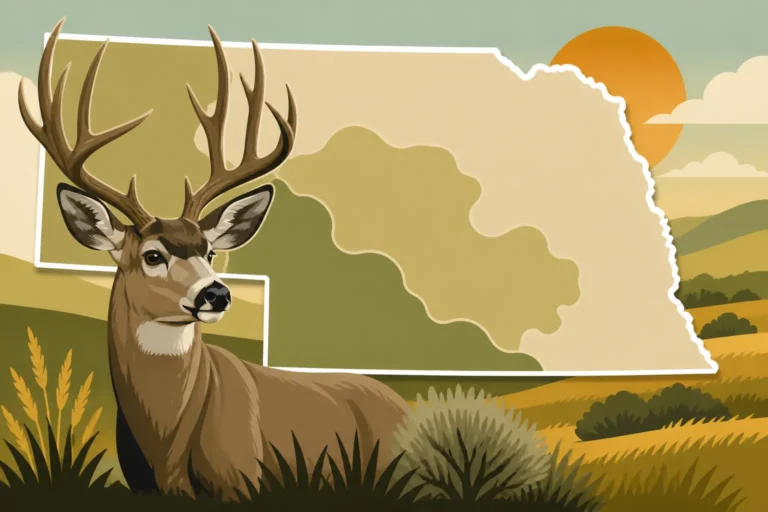
For years, many of us who chase mule deer in Nebraska have felt a genuine sense of worry, watching population numbers fluctuate and the buck harvest sometimes dipping to disheartening lows. It's tough when you pour your heart and soul into scouting, only to feel like the opportunities are shrinking. But there's good news brewing on the prairie and in the badlands: Nebraska's mule deer harvest is showing promising signs of recovery. This comprehensive guide will walk you through the journey of that comeback, exploring the challenges faced, the strategies employed, and what this resurgence means for hunters eager to pursue these iconic big game animals.
The Rollercoaster Ride of Nebraska's Mule Deer Harvest
It's no secret that Nebraska's mule deer have faced their share of ups and downs. If you've been hunting the state for any length of time, you've witnessed the lean years firsthand. That feeling of heading into a season with lower expectations because you're just not seeing the numbers of deer you once did is a real frustration. But understanding where we've been helps us appreciate where we're going.
Understanding the Historical Decline
Back in the day, Nebraska wasn't always a prime mule deer destination for everyone. While pockets always existed, various factors contributed to significant declines, particularly impacting harvest numbers. We saw a stark reality when the Mule Deer Buck Harvest at a 45-Year Low was recorded, a statistic that truly hit home for many of us passionate about these animals. This wasn't just a blip; it was a symptom of deeper issues.
Several culprits were often pointed to: habitat loss and fragmentation from changing land use practices, persistent drought conditions that directly impacted forage and water sources, and disease outbreaks like Epizootic Hemorrhagic Disease (EHD) that could wipe out significant portions of local herds. On top of that, competition from burgeoning whitetail populations, and concerns about Chronic Wasting Disease (CWD) also played a role in how management decisions were made and how hunters perceived the herds. The combination of these pressures created a challenging environment for mule deer to thrive, and consequently, for hunters to find success. It was a tough period, leaving many of us wondering if we'd ever see the robust herds of yesteryear.
Identifying the Turning Points for Recovery
Thankfully, the story didn't end with decline. State wildlife agencies, private landowners, and conservation groups recognized the severity of the situation and started implementing strategies aimed at stabilization and recovery. This wasn't an overnight fix; it required long-term vision and commitment. One significant turning point involved more targeted management units, adjusting permit numbers to reduce pressure on struggling populations, particularly antlered bucks. The Nebraska Game and Parks Commission (NGPC) began to focus heavily on habitat projects, working to restore and enhance critical areas that had been degraded.
Environmental shifts also played a subtle but important role. Periods of improved moisture, after sustained drought, allowed rangelands to recover, providing better forage and cover. Public awareness campaigns also helped garner support for conservation initiatives. The combined efforts, both from an ecological and human intervention standpoint, started to create a more favorable environment for mule deer to not just survive, but begin to rebound. It wasn't a sudden flood of deer, but rather a slow, steady trickle of positive changes that built momentum over time. Hunters, too, played their part by adapting to new regulations and supporting conservation funding.
Factors Fueling the Comeback
The recovery hasn't been by chance. It's the result of concerted efforts focused on the fundamental needs of mule deer: healthy habitat and sound management. When you're out Glassing the Nebraska Sandhills for Mule Deer, you start to see the subtle improvements on the landscape that contribute to their well-being.
Habitat Improvement and Management Strategies
One of the most crucial elements in the mule deer comeback story is the unwavering focus on habitat. After all, deer need food, water, and cover to survive and reproduce. Across Nebraska, programs like the Conservation Reserve Program (CRP) have been vital, taking marginal cropland out of production and turning it into lush grasslands and cover that benefit countless wildlife species, including mule deer. Landowners enrolling in these programs receive financial incentives, and the result is more diverse and resilient landscapes.
Beyond CRP, active range management techniques, such as prescribed burns and rotational grazing, have helped restore the natural health of grasslands and cedar draws. These practices prevent encroachment by less desirable species, promote the growth of native forbs and grasses that mule deer prefer, and create the mosaics of open and thick cover they rely on for bedding, feeding, and fawning. You can really see the difference in areas where these strategies have been implemented, offering deer the diverse habitat they need to thrive. It's a continuous, often complex effort, but one that directly impacts the deer you pursue.
Conservation Efforts and Hunter Contributions
The dedication of conservation organizations and the financial contributions of hunters have been indispensable. Every time you purchase a hunting license, a Habitat Stamp, or a permit in Nebraska, a portion of that revenue goes directly to wildlife management and habitat projects. These funds support the Nebraska Game and Parks Commission's crucial work, from population surveys and disease monitoring to on-the-ground habitat improvements. Organizations like the Mule Deer Foundation also play a significant role, often partnering with state agencies and private landowners to implement large-scale habitat restoration projects.
These groups also advocate for sound wildlife policies and engage in critical research to better understand mule deer ecology, migration patterns, and disease dynamics. For example, understanding how Chronic Wasting Disease (CWD) affects herds and implementing strategies to monitor CWD Prevalence by Deer Unit is a continuous effort that relies on funding and hunter cooperation. Without the combined financial and active support of hunters, many of these recovery initiatives simply wouldn't be possible. It's a partnership where hunters are directly investing in the future of the game they love to pursue.
Where the Recovery is Most Evident Across Nebraska
While the recovery isn't uniform across the entire state, certain regions are truly leading the charge, offering renewed hope for hunters. Knowing Where Nebraska Mule Deer Range can help you understand these regional differences.
Key Recovery Zones and Their Unique Characteristics
When we talk about mule deer in Nebraska, two regions immediately come to mind: the vast, rolling expanse of the Sandhills and the rugged, breaks country of the Panhandle, including the Pine Ridge and Wildcat Hills. These areas represent the traditional strongholds for Mule Deer in the Nebraska Sandhills and Panhandle, and they are where the recovery efforts have shown the most significant impact.
The Nebraska Sandhills, with its unique blend of grassland, subirrigated meadows, and scattered cedar canyons, provides ideal mule deer habitat. The sheer scale of the Sandhills offers immense space, and while hunting here can be challenging due to the open terrain, the deer are spread out, and the habitat supports robust populations. The recovery here is often attributed to improved rangeland health and strategic management that allows bucks to reach older age classes. The Panhandle, on the other hand, presents a different landscape with the dramatic bluffs and canyons of the Pine Ridge, the Wildcat Hills, and the far western prairie. This region's varied topography offers excellent cover and diverse forage. Mule deer in these areas often thrive in the mixed habitat of ponderosa pine forests, rugged canyons, and adjacent agricultural fields. Both regions have seen increases in mule deer sightings and, consequently, improving harvest numbers, making them prime targets for hunters.
Understanding Current Population Trends by Region
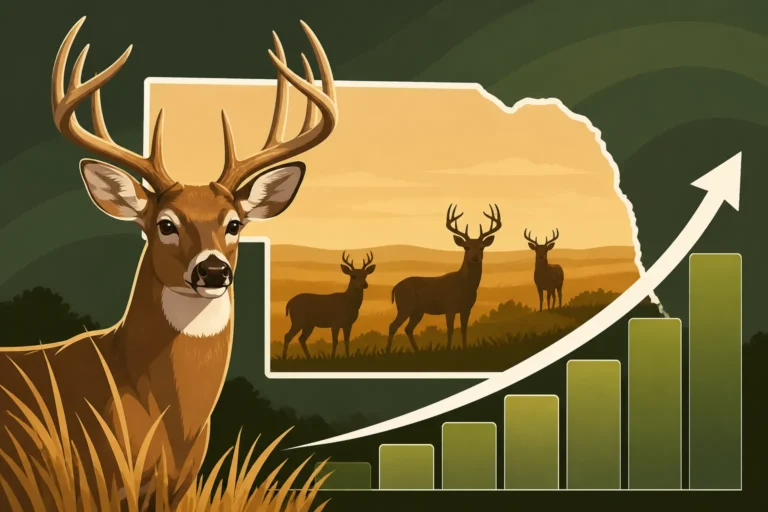
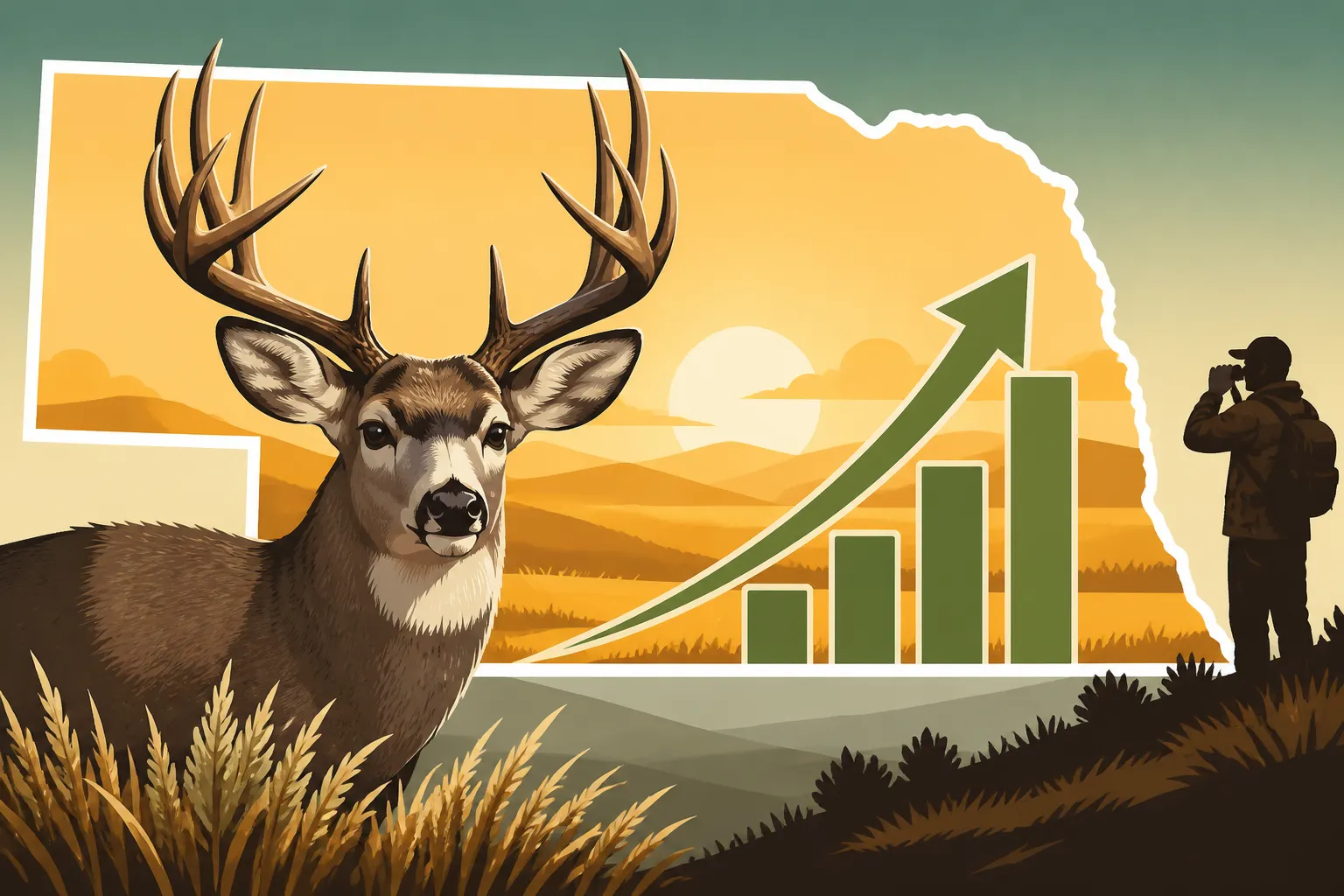
The Nebraska Game and Parks Commission continually monitors mule deer populations through various methods, including aerial surveys, harvest data, and landowner reports. The good news is that these indicators suggest a sustained upward trend in many of these core mule deer areas. While localized fluctuations always occur, the overall trajectory has been positive.
For example, units within the Sandhills, like the Sandhills Unit itself, and areas in the Panhandle such as the Pine Ridge and Plains units, have consistently shown improving Nebraska Mule Deer Population Estimate and buck harvest numbers. This doesn't mean every unit is booming equally, but it does indicate that the strategies employed are working in the most critical mule deer habitats. Hunters are reporting seeing more deer, and specifically, a healthier age structure among the bucks, which points to successful management allowing younger deer to mature. If you're planning a trip to Nebraska, researching these specific units can give you a clearer picture of where the recovery is most advanced.
To give you a better idea, here's a look at general trends in key mule deer regions:
| Region | Habitat Type | Observed Trend (Recent Years) | Harvest Opportunity | Primary Hunting Method |
|---|---|---|---|---|
| Sandhills | Grassland, cedar draws, subirrigated areas | Steady Increase | Good | Spot-and-stalk |
| Pine Ridge | Ponderosa pine, canyons, breaks | Strong Recovery | Excellent | Spot-and-stalk, still |
| Wildcat Hills | Rugged hills, mixed grassland/shrub | Consistent Growth | Very Good | Spot-and-stalk |
| Western Plains | Open prairie, canyons, agricultural edges | Improving | Moderate to Good | Spot-and-stalk, ambush |
This table provides a general overview based on recent trends and typical characteristics. Specific unit data should always be consulted for detailed planning.
What the Recovery Means for Nebraska Hunters
The improving health of Nebraska's mule deer herds directly impacts hunting opportunities and strategies. It's an exciting time for those of us who have long waited for this resurgence.
Permit Availability and Draw Odds
With a recovering mule deer population comes renewed discussion around permit availability and draw odds, especially for highly sought-after units that hold good numbers of mature bucks. The NGPC carefully manages permit allocations to ensure sustainable harvest while allowing the herd to continue growing. This means that while some units may still have limited permits due to specific management goals, the overall outlook for drawing a mule deer tag has become more favorable in recent years, particularly for residents. Nonresidents, too, might find a slightly better chance in some units or by purchasing a preference point.
Tools like those offered by GoHunt become incredibly valuable here. They allow hunters to dive deep into draw odds, permit history, and success rates for specific units, helping you make informed decisions when applying for your Nebraska Big Game Permits and How to Get One. Understanding these statistics is key to maximizing your chances, especially if you're targeting one of the units known for producing quality mule deer. While nothing is guaranteed in a draw, the trend toward recovery means more opportunities are on the horizon.
Tactics and Opportunities in Recovering Areas
The improving numbers mean that strategies like Spot-and-Stalk Mule Deer in the Nebraska Sandhills are becoming even more rewarding. Instead of endlessly searching for a ghost, hunters are finding more visible deer, particularly during the early archery season or the general firearm season. The expansive nature of mule deer habitat in Nebraska, particularly in the Sandhills and Panhandle, lends itself perfectly to glassing vast amounts of country. Investing in quality optics and a solid tripod for spotting deer from a distance is paramount.
Once a mule deer is spotted, the real challenge begins: the stalk. The open terrain means careful use of topography, wind direction, and thermals. Understanding Wind and Thermals in the Sandhills is critical for a successful approach. Hunters are increasingly finding success by adapting their approach to the specific landscape, whether it's utilizing the subtle folds of the Sandhills, the deep canyons of the Pine Ridge, or the broken terrain of the Wildcat Hills. The recovery means that patience and persistence in these tactics are more likely to pay off, offering exhilarating hunting experiences for those willing to put in the work.
Looking Ahead: Sustaining Nebraska's Mule Deer Future
While the current recovery is cause for celebration, the work of conservation is never truly finished. We must continue to look forward, addressing ongoing challenges and ensuring future generations can enjoy the thrill of hunting Nebraska mule deer.
Ongoing Challenges and Management Considerations
Despite the positive trends, mule deer still face significant hurdles. Chronic Wasting Disease (CWD) remains a persistent concern across the state, and its long-term impacts on deer populations are still being studied. Monitoring CWD, encouraging hunter testing, and implementing adaptive management strategies are crucial to mitigating its spread and effects. Additionally, habitat fragmentation continues to be a challenge, particularly as land use practices evolve. Balancing agricultural needs with wildlife habitat is an ongoing discussion and requires creative solutions and strong partnerships between private landowners and conservation entities.
Furthermore, drought cycles are a natural part of Nebraska's climate, and future dry periods could again stress mule deer populations. Management considerations must always factor in these environmental variables, adapting harvest quotas and habitat projects as conditions change. It's a dynamic system, and the Game and Parks Commission, along with hunters, must remain vigilant and flexible in their approach to ensure the sustainability of this valuable resource.
The Role of Hunters in Long-Term Conservation
As hunters, our role extends far beyond pulling a trigger. We are, in fact, the most vital stewards of Nebraska's wildlife. Supporting organizations like the Nebraska Game and Parks Commission, Mule Deer Foundation, and local conservation groups financially is a direct way to contribute to ongoing research and habitat projects. Beyond financial contributions, active participation is key. Reporting your harvest accurately and in a timely manner provides critical data for population management. Participating in CWD testing programs helps scientists track the disease and develop strategies.
More importantly, it's about being ethical, responsible hunters. This means respecting private land, adhering to regulations, and practicing good land stewardship, whether on public or private ground. Sharing our knowledge, mentoring new hunters, and fostering a conservation ethic ensures that the passion for mule deer hunting continues for generations. The journey of Nebraska's mule deer harvest recovery is a testament to what can be achieved when dedicated individuals and agencies work together, and hunters are at the heart of that success. Keep scouting, keep learning, and keep enjoying the opportunities that these incredible animals offer across our beautiful state.
Disclaimer
Please remember that hunting regulations, seasons, and permit availability can change. Always consult the most current Nebraska Game and Parks Commission regulations before planning any hunting activity. This guide is for informational purposes only and should not replace official sources.