Waterfowl of the Central Flyway in Nebraska
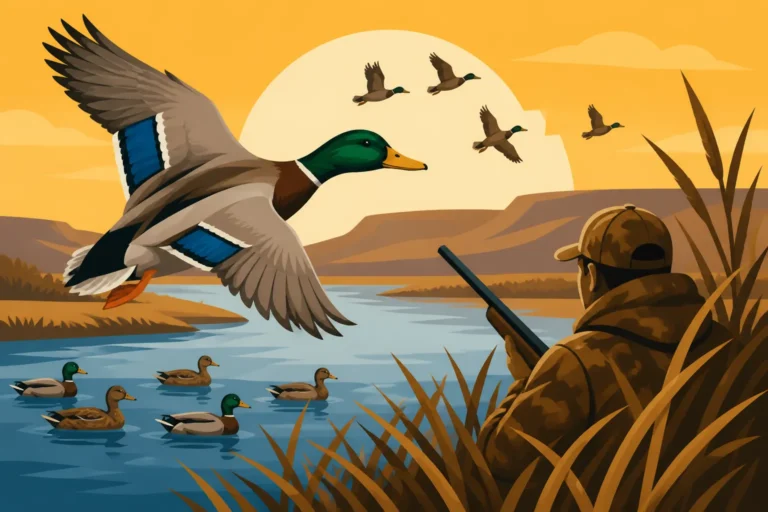
For anyone who’s ever stood in a frigid field before dawn, listening to the distant gabble of geese or the whistle of wings overhead, you know the magic and the frustration of waterfowl hunting in Nebraska. It’s a pursuit that hinges on migration, weather, and often, sheer luck. But it's also a deeply rewarding experience, placing you squarely in the heart of one of the continent's most vital avian corridors. This guide aims to pull back the curtain on the incredible diversity of waterfowl that grace Nebraska’s skies and waters, helping you understand their patterns, habitats, and how you can best connect with them.
Nebraska's Crucial Role in the Central Flyway
Nebraska might be known for its cornfields and cattle, but for millions of migratory waterfowl, it's an indispensable pit stop, a crucial feeding ground, and a critical resting place along the vast Central Flyway. Imagine a massive aerial highway stretching from the Arctic tundra all the way down to the Gulf Coast of Mexico. Nebraska sits right smack in the middle of this incredible journey, offering a lifeline of wetlands, rivers, and agricultural fields that provide the fuel and respite these birds desperately need. Without Nebraska, the annual migration simply couldn't happen as we know it.
It's easy to look at a map and see Nebraska as just a landlocked state, but that perspective completely misses the immense ecological significance of our waterways and wetlands. We're not just talking about a few ducks and geese passing through; we're talking about massive concentrations of birds that literally darken the sky, especially during peak migration. This unique position makes Nebraska a bucket-list destination for many waterfowlers, despite the challenges of unpredictable weather and ever-changing conditions. You really have to appreciate the sheer scale of the journey these birds undertake and the vital role our state plays in their survival.
The Rainwater Basin's Significance
If there's one area that exemplifies Nebraska's importance to waterfowl, it's the Rainwater Basin. This ancient landscape in south-central Nebraska is a mosaic of shallow, ephemeral wetlands that act as a magnet for ducks and geese, particularly during spring and fall migrations. These aren't your typical deep lakes; they're often wide, shallow depressions that fill with water from rain and snowmelt, creating perfect feeding and resting grounds. When these basins are full, they are absolutely teeming with birdlife.
The sheer volume of birds that pass through the Rainwater Basin is staggering. You can literally witness hundreds of thousands, if not millions, of ducks and geese congregating in these wetlands, creating a deafening symphony of calls. For more details on the sheer numbers, you might want to look into Rainwater Basin Waterfowl Numbers. This area is particularly critical for pintails, mallards, and various species of diving ducks, as well as an incredible number of white-fronted geese and snow geese. The shallow water and abundant food sources, often from flooded agricultural fields, provide an ideal environment for these birds to refuel before continuing their arduous journey. Understanding the dynamics of these wetlands is key to successful hunting here; knowing when and where the water is holding birds can make or break a hunt. The struggle, of course, is that these basins are ephemeral—they come and go with the rain, meaning prime hunting spots can change year to year, even week to week. It takes dedication and scouting to find the hotspots.
Platte River Corridor
Moving north, the Platte River corridor presents another indispensable habitat for waterfowl, especially ducks and geese. While the river is most famously associated with sandhill cranes, it also provides vital resting and roosting sites for ducks, particularly mallards, and a significant number of Canada geese. The braided channels, sandbars, and adjacent wetlands create a complex ecosystem that supports a diverse array of waterfowl.
During the fall migration, the Platte River becomes a major thoroughfare. Ducks and geese will often feed in nearby cornfields and then fly back to the relative safety of the river's open water to roost. The river acts as a natural sanctuary, especially where it's wide and undisturbed. Hunters often focus on fields adjacent to the river or smaller sloughs and backwaters that are connected to its flow. The challenge here is access and understanding bird movements between feeding and roosting areas. Knowing Mallard Numbers on the Platte River can give you a sense of the scale of opportunity here. It's a different kind of hunting than the Rainwater Basin, often involving setting up blinds in corn stubble or along the river's edge, hoping to intercept birds flying to or from their feeding grounds. It's a game of observation and patience, but when those flights come in, there's nothing quite like it.
Other Key Waterways and Reservoirs
Beyond the Rainwater Basin and the Platte, Nebraska is crisscrossed with numerous other rivers, reservoirs, and smaller wetlands that contribute significantly to waterfowl habitat. The Missouri River, forming Nebraska's eastern border, is a major migration corridor, especially for Canada geese and a variety of ducks. Its large, open stretches of water and adjacent agricultural lands provide ample food and cover. Many hunters will target backwater sloughs, islands, and river bends, often utilizing boat blinds or shore blinds.
Large reservoirs like Lake McConaughy, Harlan County Reservoir, and Merritt Reservoir also play a crucial role. These large bodies of water offer expansive open-water areas that are particularly attractive to diving ducks, like canvasbacks and scaup, which prefer deeper water for feeding and resting. While these larger lakes can be challenging to hunt due to their size and often limited access, they can hold incredible numbers of birds, especially during severe weather when smaller wetlands freeze up. For those interested in these specific species, exploring Diver Ducks on Nebraska Reservoirs is a must. Don't forget the myriad of smaller farm ponds, stock dams, and creek bottoms scattered across the state; these often overlooked spots can be goldmines for a few mallards or wood ducks, especially if you get permission on private land. Each of these waterways offers a unique set of challenges and rewards, making Nebraska a truly diverse waterfowl hunting destination.
Diving into Duck Species in Nebraska
Nebraska's location in the Central Flyway means we see a fantastic array of duck species throughout the hunting season. From the familiar quack of a mallard to the sleek flight of a pintail, understanding what ducks you're likely to encounter can significantly improve your hunting strategy and enjoyment. It's not just about "ducks"; it's about the specific behaviors and preferences of each species.
Often, hunters get focused on one or two popular species, but truly successful and rewarding hunts come from recognizing the full spectrum of birds moving through. Each species has its own habits, feeding preferences, and even flight patterns, which, once understood, can help you set more effective decoy spreads or choose the right calling sequence. It's a continuous learning process, and the ducks keep us humble!
Puddle Ducks
Puddle ducks, also known as dabbling ducks, are likely the most commonly encountered ducks for many Nebraska hunters. These birds typically feed in shallow water, tipping their bodies forward to dabble for seeds, aquatic insects, and vegetation, rarely diving completely under the surface. They’re also known for springing straight up into the air when flushed, a distinctive trait.
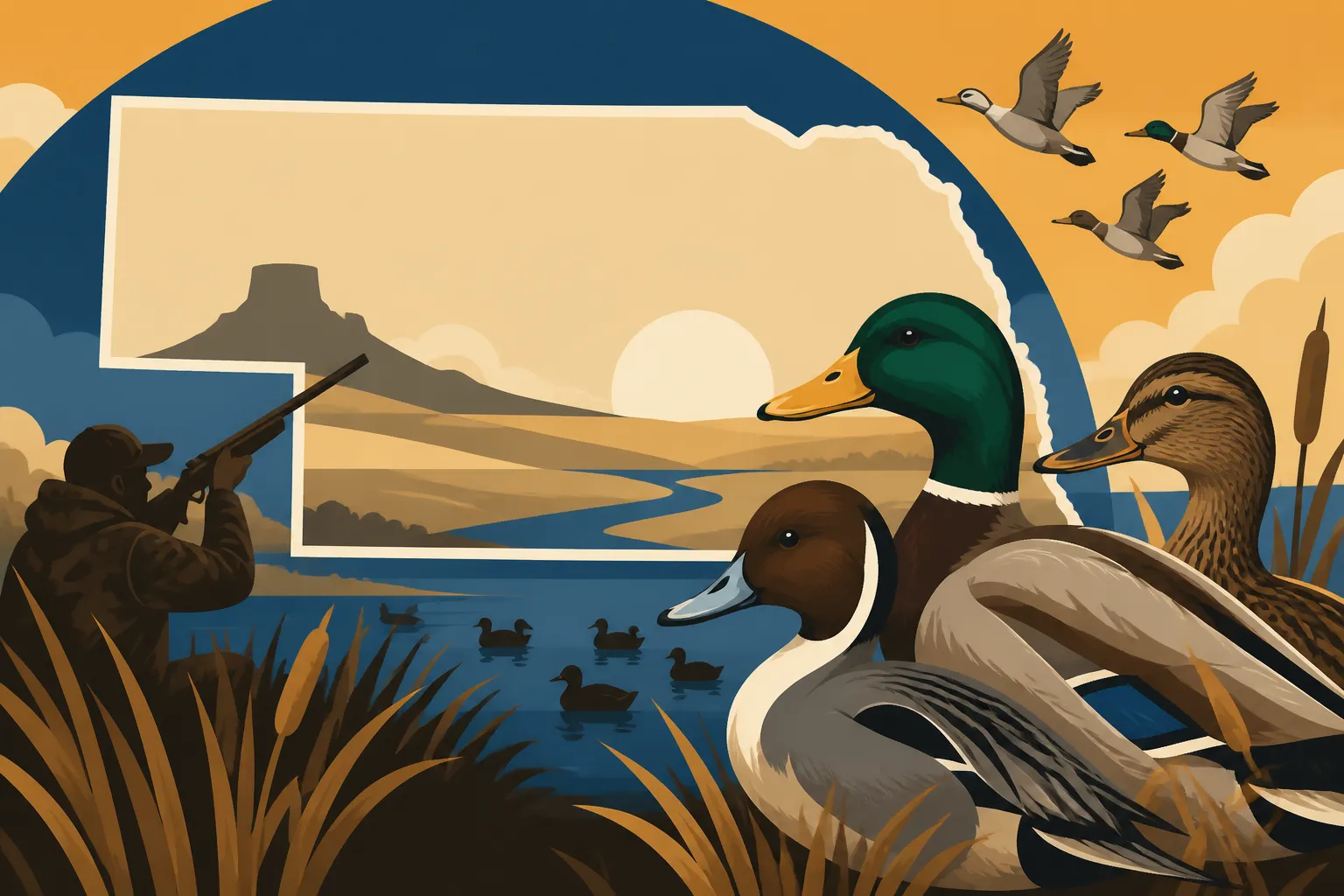
The Mallard is, without a doubt, the king of puddle ducks and a favorite for many, with its iconic green head on the drakes. They are highly adaptable and can be found almost anywhere there's water – from the smallest farm ponds to vast rivers and flooded cornfields. Their loud, familiar "quack" is a staple sound of the marsh. Next up, the elegant Pintail is another common sight, especially in the Rainwater Basin. Their long, slender neck and distinctive pointed tail (on drakes) make them easy to identify in flight. They prefer shallow wetlands and often fly in large, loose flocks. Green-winged Teal and Blue-winged Teal are smaller, incredibly fast-flying ducks. Blue-wings are often early migrants, passing through Nebraska in incredible numbers during the early teal season, while green-wings tend to show up a bit later. They love shallow, muddy flats and are a real challenge to shoot with their acrobatic flight. Don't overlook Wigeon (often called "bald pates") with the white patch on their heads, and Gadwall, a more subtly patterned duck but excellent table fare. Both are common in Nebraska's wetlands and often decoy readily. They’re all fantastic birds, and learning to differentiate them in flight is a huge part of the fun.
Diving Ducks
Diving ducks offer a different challenge and often prefer larger, deeper bodies of water like our major reservoirs or wider river channels. Unlike puddle ducks, they dive completely underwater to forage for aquatic plants, mollusks, and fish. When they take flight, they tend to run across the water to gain momentum before becoming airborne.
Among the most sought-after diving ducks are Canvasbacks, often referred to as the "king of ducks" by some. Their regal profile, with a sloping forehead and long bill, combined with their incredible speed in flight, makes them a prized trophy. They prefer deeper water with submerged vegetation and are often found on larger lakes and reservoirs. Similarly, Redheads are common divers, especially in the Rainwater Basin when water levels are good. They're often seen in mixed flocks with other divers. The distinctive blue bill of the drake is a key identifier. Scaup (greater and lesser, often called "bluebills") are smaller, black-and-white divers that can appear in enormous rafts on open water. They are typically later migrants and can tolerate colder weather. You'll often find them on our larger reservoirs and deep river sections. Then there are Buffleheads and Goldeneyes, small, chunky divers with distinctive head patterns, which are hardy little birds often found on open water even in freezing temperatures. Hunting divers can be a completely different experience than puddle ducks, often requiring larger decoy spreads in open water and a good boat or layout blind.
Lesser-Seen Duck Species
While mallards and Canada geese might dominate the conversation, Nebraska also hosts several other intriguing duck species that add to the richness of the hunting experience. These might not be as numerous or as widely distributed, but encountering them adds a special touch to any hunt.
The Wood Duck is a stunningly beautiful bird, with iridescent plumage and a unique crested head. They prefer wooded wetlands, small timbered creeks, and backwater sloughs, often flying through timbered river bottoms. You'll typically find them in the eastern and central parts of the state, especially along the Missouri and Platte River systems. They don't decoy like mallards, often darting through the trees at incredible speed. Targeting them usually means finding secluded, timbered water bodies. Then there are the Mergansers – the Common, Hooded, and Red-breasted Mergansers. These are often viewed less favorably for the table due to their fish-eating diet, but they are striking birds, especially the Hooded Merganser with its incredible fan-like crest. They're also diving ducks, typically found on larger rivers and reservoirs, and are often a sign of healthy fish populations. While not usually the primary target, they are a fascinating part of Nebraska's waterfowl diversity and contribute to the overall spectacle of the migration. They serve as a good reminder that every bird on the wing has its own unique story and role in the ecosystem.
Goose Hunting Opportunities in Nebraska
Goose hunting in Nebraska is a truly grand affair, offering some of the most exciting and challenging opportunities in the Central Flyway. The sheer scale of goose migration through the state is awe-inspiring, with large flocks of Canada geese, snow geese, and white-fronted geese darkening the skies. Unlike ducks, which often rely on water, geese are largely field feeders, making scouting agricultural lands absolutely critical to success.
There's nothing quite like the sound of a thousand geese descending on a field, or the sight of a perfect "cupped and committed" flock of Canada geese heading straight for your spread. It's a high-energy, often social hunt that demands good gear, meticulous setup, and a lot of patience. And yes, sometimes it demands getting up in the middle of the night to beat the competition to a prime field. The camaraderie among goose hunters is often as strong as the pursuit itself, sharing stories and coffee in the pre-dawn darkness.
Canada Geese
Canada geese are perhaps the most recognizable geese in Nebraska, and their populations are robust, offering consistent hunting opportunities. We see both resident populations that breed within the state and vast numbers of migratory birds that pass through. These migrants can range from the giant "giants" (Branta canadensis maxima) to smaller subspecies. Learning to identify these different populations can be key to predicting their behavior.
Hunting Canada geese typically involves setting up large decoy spreads in agricultural fields, most commonly harvested corn or winter wheat. The birds will fly from their roosting areas on large bodies of water (reservoirs, rivers) to feed in these fields. Timing is everything; you need to scout diligently to find where the birds are feeding. They are incredibly wary birds, so good concealment in a layout blind or a well-brushed pit blind is paramount. Calling is also a huge component, and a skilled caller can often convince a reluctant flock to commit. Nebraska's Canada goose populations have shown significant growth over the years, as you can see by studying Canada Goose Growth in Nebraska. This means more opportunities for hunters, but also means these birds are smarter and more pressured. Setting a goose spread in harvested corn requires attention to detail, from the number and placement of decoys to ensuring your blinds are perfectly hidden. It's a chess match with wings, and it's exhilarating when you win.
Snow and Ross's Geese
The spectacle of snow geese and Ross's geese migrating through Nebraska is something every outdoors enthusiast should witness at least once. These birds, often found together in immense flocks, create a breathtaking display of sound and movement. During peak migration, especially in the spring, the sky can literally be filled with tens of thousands of these white geese.
While they are distinct species, snow geese and Ross's geese are often hunted together, as they share similar behaviors and habitat preferences. Both are primarily grazers, feeding on waste grain in agricultural fields. Their sheer numbers can be overwhelming, but also incredibly challenging to hunt. They often fly in massive, chaotic flocks, making them difficult to decoy consistently. Many hunters utilize huge spreads of white decoys, often hundreds or even thousands, to mimic the massive feeding flocks. The spring migration, covered under the Nebraska Light Goose Conservation Order Tactics, offers extended seasons and expanded methods to help manage their populations, which can sometimes be so large they cause habitat damage in their Arctic breeding grounds. This can include unplugged shotguns and electronic calls, which are normally illegal. The sheer volume of birds during the spring conservation order is legendary; checking Snow Goose Numbers in Spring Migration will give you a sense of the scale. It's an intense, high-volume hunting experience, often in very muddy conditions, but the reward of a flock of "light geese" locked up and coming into your spread is simply unforgettable.
White-Fronted Geese
Often called "specklebellies" or "specks" because of the dark bars on their white breast, white-fronted geese are a prized trophy for many Nebraska waterfowlers. They are smaller than Canada geese but larger than snow geese, with a distinctive high-pitched, yelping call that sounds like "lah-LOK" or "kol-LOK." Once you hear it, you won't forget it.
White-fronted geese are highly intelligent and notoriously wary. They tend to migrate a bit earlier than peak snow goose numbers and are often found in smaller, tighter family groups or flocks, rather than the massive congregations of snows. They also prefer to feed in agricultural fields, often favoring corn, milo, or winter wheat. Hunting specks requires excellent concealment, realistic decoys (often full-body shells are preferred), and precise calling. They respond well to specific "hail" calls and feeding sounds. They are also fantastic table fare, making them a favorite among many hunters. If you're using a service like GoHunt to scout, pay particular attention to reports of white-fronted goose movements, as they can be somewhat localized. These birds challenge you to be at the top of your game, and earning a specklebelly for the freezer is a true accomplishment for any Nebraska hunter.
Understanding Waterfowl Migration Patterns
One of the biggest factors that dictates waterfowl hunting success in Nebraska is understanding migration patterns. These birds don't just magically appear; their movements are driven by a complex interplay of weather, food availability, and instinct. Being able to read these signs and predict when and where birds will show up is what separates the consistently successful hunter from the one who's always just a day late or a dollar short.
It can be frustrating when birds are here one day and gone the next, or when the forecast calls for a "push" but nothing materializes. However, by paying close attention to weather fronts, temperature drops, and moon phases, you can start to piece together the puzzle of their journey. Remember, these birds are traversing thousands of miles, and every decision they make is about survival. Our job as hunters is to understand those survival instincts and use them to our advantage.
Early Season Movement
The waterfowl season in Nebraska often kicks off with the earliest migrants, particularly various species of teal. The Early Teal Days Before the Regular Opener are a highly anticipated time for many hunters, offering a chance to get into the field when the weather is still warm and the birds are abundant. Blue-winged teal are the primary target during this early season, making their way south quickly.
These early birds are often less wary than their later-season counterparts, but their speed and erratic flight can be incredibly challenging. They favor shallow, vegetated wetlands and mudflats, where they can dabble for seeds and invertebrates. As the early teal season progresses, green-winged teal and some local wood ducks might also be encountered. Understanding When Ducks Migrate Through Nebraska is essential to capitalize on these early opportunities. The key to early season success is scouting for water. Small, ephemeral wetlands that might dry up later in the year can be absolute magnets for teal. Decoy spreads don't need to be huge, but movement, like a jerk string or a spinning-wing decoy, can be very effective in grabbing their attention. This early season is a fantastic way to shake off the rust, get your dog back in shape, and enjoy some fast-paced action before the main push of larger ducks and geese arrives.
Mid-Season Push
The true heart of the Nebraska waterfowl season often falls during the mid-season, typically from late October through November. This is when the main body of mallards, pintails, wigeon, gadwall, and most of the white-fronted geese and Canada geese really begin to push south from their breeding grounds in Canada and the northern U.S. This is when the Central Flyway truly comes alive.
Major cold fronts, especially those accompanied by snow or strong north winds, are often the catalysts for these massive migrations. Suddenly, fields that were empty yesterday can be covered with birds, and the sound of distant honking becomes a constant backdrop. This mid-season migration is what many hunters dream of. Ducks will be looking for reliable food sources in harvested grain fields and stable water on larger wetlands and rivers. Geese will be setting up predictable patterns between roosts and feeding areas. This is also when hunters often encounter peak numbers of White-Fronted Geese in the Rainwater Basin and other prized species. Scouting becomes even more critical, as competition for prime spots can increase dramatically. Having a reliable source for aerial imagery or even a scouting app can be invaluable in tracking bird movements and finding those hot spots. This period demands dedication, often meaning early mornings and late nights, but the rewards of a heavy strap or a full limit are well worth the effort.
Late Season Holdouts
As winter truly grips Nebraska, usually from December through January, the hunting shifts to targeting the hardier ducks and geese that either linger or are forced south by severe weather further north. This late season can be incredibly challenging, with freezing temperatures, snow, and ice, but it can also offer some of the most rewarding and memorable hunts.
Mallards, often referred to as "greenheads" in this context, are the primary duck species targeted late in the season. They are incredibly resilient and will seek out any open water they can find, often relying on flowing rivers or areas kept open by springs. They become highly dependent on waste grain in harvested cornfields. Canada geese also remain in large numbers, seeking out similar food and water sources. Hunting in these conditions means dealing with ice, frozen equipment, and the need for extra layers. You'll often find birds concentrated in smaller, isolated patches of open water or specific feeding fields. Strategies might include breaking ice to create open water in your decoy spread or focusing on river bends and areas with strong currents. The birds are extremely wary, having faced hunting pressure for months, so concealment is paramount. Look into Cold Weather Sitting Strategy and Hunting a Frozen Nebraska River Bottom for specific tactics to brave these conditions. It's a game for the dedicated, but the satisfaction of calling in a late-season mallard or a big Canada goose against a snowy backdrop is an experience unlike any other.
Habitat Management and Conservation Efforts
Hunting in Nebraska and enjoying our rich waterfowl opportunities wouldn't be possible without significant, ongoing habitat management and conservation efforts. It's a constant battle against habitat loss, climate change, and other pressures, but dedicated individuals, organizations, and hunters themselves contribute immensely to ensuring healthy populations and accessible hunting grounds for generations to come.
It's easy to take for granted the wetlands, rivers, and fields that host these incredible birds, but the reality is that many of these habitats are fragile and require active management. Hunters, through their license fees and the purchase of stamps, are actually the original conservationists, providing critical funding that directly supports these efforts. It's a tangible way we give back to the resource we cherish so much.
Wetland Restoration and Preservation
At the heart of waterfowl conservation in Nebraska is the tireless work of wetland restoration and preservation. Organizations like Ducks Unlimited, Pheasants Forever, and the Nebraska Game and Parks Commission (NGPC) work to acquire, restore, and manage vital wetland habitats, particularly in the Rainwater Basin and Platte River areas. This often involves intricate hydrological engineering to ensure wetlands fill and drain properly, mimicking natural processes.
The focus isn't just on creating water, but creating quality habitat – ensuring diverse vegetation, appropriate water depths, and abundant food sources for migrating birds. Without these efforts, many of the ephemeral wetlands that birds rely on would be drained for agriculture or development. A great example of the critical need for this work is explained in Why the Rainwater Basin Matters to Ducks. These efforts are expensive and require significant expertise, but they are absolutely essential. As hunters, we directly benefit from these restored wetlands, finding prime hunting opportunities in areas that might otherwise be dry or unsuitable for waterfowl. It’s a powerful reminder that our passion for hunting is intrinsically linked to our commitment to conservation.
Hunter Contributions
Hunters play an absolutely critical, though often overlooked, role in funding waterfowl conservation. Every time you purchase a hunting permit, a federal duck stamp, or a state habitat stamp, a portion of that money goes directly to habitat acquisition, restoration, and management projects. It's a user-pays, user-benefits system that has been incredibly successful.
The Federal Migratory Bird Hunting and Conservation Stamp, universally known as the "Duck Stamp," is arguably the most successful conservation program in U.S. history. Since its inception in 1934, it has generated over a billion dollars and conserved millions of acres of wetland habitat. Similarly, the Nebraska Habitat Stamp Requirements ensure that state-level projects receive funding. These aren't just fees; they are direct investments in the future of waterfowl and waterfowl hunting. By buying these stamps, you're not just buying a right to hunt; you're actively contributing to the preservation of the very landscapes and wildlife that make hunting possible. It’s a powerful testament to the conservation ethic within the hunting community.
Challenges: Drought, Disease, Habitat Loss
Despite the dedicated efforts, waterfowl conservation in Nebraska faces significant ongoing challenges. Drought cycles are a perennial concern, especially in the Rainwater Basin, where wetlands are reliant on rainfall and snowmelt. Prolonged dry periods can drastically reduce available habitat, concentrating birds and increasing competition for limited resources.
Disease outbreaks, such as Avian Influenza, also pose a constant threat. These diseases can spread rapidly through concentrated bird populations, leading to significant die-offs. Climate change introduces further uncertainty, potentially altering migration timings, breeding success, and the availability of critical wetland habitats. Finally, ongoing habitat loss due to agricultural expansion and urban development continues to put pressure on remaining wild spaces. The more we convert grasslands and wetlands, the less resilient our waterfowl populations become. It's a complex web of factors, and while hunters do their part, the long-term health of the Central Flyway requires a broad, sustained commitment from all stakeholders to address these pressing environmental issues. GoHunt, for instance, often publishes articles that dive deep into the specific challenges hunters face due to these environmental shifts, providing valuable context.
Essential Gear and Tactics for Nebraska Waterfowling
Stepping into the world of Nebraska waterfowling means equipping yourself not just with a shotgun, but with a whole array of specialized gear and an understanding of key tactics. The conditions can be incredibly diverse – from warm, early-season teal hunts to frigid, late-season goose endeavors. Having the right tools for the job and knowing how to use them effectively can make all the difference between a successful hunt and a frustrating one.
It’s easy to get overwhelmed by all the options out there, but remember, gear should enhance your experience, not complicate it. Focus on what's essential for the type of hunting you'll be doing most often. The Nebraska wind and unpredictable weather demand durable, reliable equipment. Don't cheap out on things like blinds or warm clothing; your comfort and safety are paramount.
Decoy Spreads and Blind Selection
The art of decoy placement is paramount in waterfowl hunting. Your decoys are meant to mimic a flock of contented, feeding birds, drawing in wary migrants. For ducks, smaller spreads (2-3 dozen) can be effective in tight spots, while larger spreads (50-100+) are often necessary for open water or to attract large groups of mallards. Creating an open landing zone, or "kill hole," is crucial, where birds can confidently settle. For geese, especially snow geese, numbers matter, often requiring hundreds or even thousands of decoys. For Canada geese, 5-10 dozen full-body or shell decoys, carefully placed, can be very effective, often arranged in family groups or feeding patterns. A common strategy for geese is to use Setting a Goose Spread in Harvested Corn which details specific layouts to attract these wary birds.
Blind selection is equally critical for concealment. For field hunting geese, Layout Blinds for Nebraska Cut Corn are incredibly popular. These low-profile blinds allow hunters to lie down in the field, blending in perfectly with the stubble, and then pop up for the shot. For ducks on smaller wetlands or river edges, pop-up ground blinds brushed in with natural vegetation work well. Boat blinds are essential for larger open water or river hunting. In some situations, simply finding natural cover like cattails or a brush line and making yourself invisible can be enough. The key, always, is to disappear into your surroundings. No matter how good your call or your spread, if the birds spot you, the hunt is over.
Shotguns and Ammunition
When it comes to shotguns for Nebraska waterfowl, reliability and appropriate gauge are paramount. The 12-gauge is by far the most popular and versatile, offering a wide range of loads suitable for everything from fast-flying teal to hardy geese. However, 20-gauge shotguns are also gaining popularity, especially for those looking for a lighter gun or for smaller-bodied ducks. The most important rule for waterfowl hunting is the requirement for nontoxic shot. Lead shot is strictly prohibited for all waterfowl hunting throughout Nebraska and across the United States. This is a critical conservation measure to prevent lead poisoning in birds.
Steel shot is the most common and affordable nontoxic option, but bismuth, tungsten-matrix, and other heavier-than-steel loads are also available, offering denser patterns and better knockdown power, albeit at a higher cost. For ducks, typically 2 ¾-inch or 3-inch shells in sizes #2, #3, or #4 steel are common. For geese, you'll want to step up to 3-inch or 3 ½-inch shells, often in BB, BBB, or T shot size, to ensure sufficient energy for clean kills. Always match your choke to your shot and the range you expect to shoot. Modified or improved cylinder chokes are generally good all-around choices, while full or extra full chokes are rarely recommended for steel shot due to potential barrel damage and poor patterns. Understanding Waterfowl Loads for Nebraska Geese can help you choose the best ammunition for your specific hunt.
Calling Strategies
A skilled caller can turn a slow hunt into an epic one, but a bad caller can scare birds away. Waterfowl calling is an art form that takes practice, listening, and knowing when to call and, more importantly, when to shut up. For ducks, particularly mallards, a variety of calls are used: the greeting call, comeback call, feeding chuckle, and the infamous "hail call" to get their attention from a distance. The key is to sound like a natural duck, not a broken record.
For Canada geese, the deep, resonant honk is the primary sound, often accompanied by clucks and moans to simulate a flock. Snow geese calling is a completely different beast, often requiring a high-pitched, almost squealing sound, often done with multiple callers or electronic calls during the conservation order. White-fronted geese have their distinct two-note "lah-LOK" call. Practice is crucial, and listening to real birds is the best teacher. Start with basic greeting and feeding calls for ducks, and a simple honk and cluck for geese. Don't overcall, especially as birds get closer. If they're coming in, let them come. Knowing Goose Calls for Open Prairie and understanding how different calls influence bird behavior is essential. A truly great caller doesn't just make noise; they "talk" to the birds, responding to their movements and adjusting their calling to coax them into the spread.
Hunting Regulations and Permit Requirements
Navigating the rules and regulations for waterfowl hunting in Nebraska can sometimes feel like trying to untangle a bowl of spaghetti. There are federal regulations, state regulations, specific zone rules, and different permit requirements. But don't let that deter you! Understanding these rules is absolutely essential for a legal and enjoyable hunt. It's your responsibility as a hunter to know and follow all applicable laws.
The Nebraska Game and Parks Commission (NGPC) publishes an annual waterfowl guide that is your bible for the season. Always get the latest copy, read it thoroughly, and keep it handy. Ignorance of the law is never an excuse. While it might seem like a lot to take in, these rules are in place to ensure fair chase, manage populations sustainably, and maintain safe hunting environments for everyone.
Federal and State Stamps
Before you even think about heading afield for ducks or geese in Nebraska, there are a few crucial permits and stamps you absolutely must have. First and foremost, you need a valid Nebraska hunting permit. On top of that, if you're 16 years of age or older, you're required to purchase a Federal Migratory Bird Hunting and Conservation Stamp, more commonly known as the "Federal Duck Stamp." As mentioned earlier, this stamp is a critical funding source for wetland conservation.
In addition to the federal stamp, Nebraska requires hunters aged 16 and older to purchase a Nebraska Habitat Stamp. This state stamp helps fund habitat restoration and public access initiatives right here in Nebraska. Finally, you must also be registered with the Harvest Information Program (HIP). This is a federal requirement for all migratory bird hunters, collecting information that helps wildlife managers track harvest data. HIP registration is typically free and can be done when you purchase your permits online or at a vendor. Without these stamps and HIP registration, you are not legally allowed to hunt migratory waterfowl in Nebraska. Make sure you check the boxes for Nebraska Habitat Stamp Requirements and the Federal Duck Stamp before you go.
Daily Bag Limits and Possession Limits
Understanding daily bag limits and possession limits is non-negotiable for waterfowl hunters. These limits are set annually by the U.S. Fish and Wildlife Service, in cooperation with state wildlife agencies like NGPC, based on population data and harvest objectives. Daily bag limits refer to the maximum number of birds of a specific species (or combination of species) that you can harvest in one calendar day. Possession limits refer to the maximum number of birds you can have in your possession at any given time, including those stored at home.
These limits can vary significantly by species. For example, the daily bag limit for mallards might be four, but only two of those can be hens. Other species, like pintails or canvasbacks, often have much stricter limits, sometimes as low as one bird per day, or may even be entirely closed if populations are struggling. Goose limits are generally higher but can also have restrictions. Always refer to the current year's Nebraska Waterfowl Guide for the precise daily and possession limits for each species you intend to hunt. Misidentifying a bird or exceeding your limit can result in significant fines and loss of hunting privileges. It's a key aspect of ethical hunting and conservation.
Special Seasons
Nebraska offers a few "special seasons" that provide unique waterfowl hunting opportunities outside of the regular statewide dates. These seasons are specifically designed to target certain species when they are most abundant or to help manage populations.
The most notable is the Nine-Day Early Teal Hunt. This season, typically held in early September, allows hunters to target fast-flying blue-winged and green-winged teal before the general duck season opens. It’s a fantastic way to kick off the waterfowl season, often in relatively mild weather. Another significant special season is the Nebraska Light Goose Conservation Order, which runs during late winter and early spring (typically February to April). This season is implemented to help reduce the overpopulation of snow geese and Ross's geese, which can cause significant damage to their Arctic breeding grounds. During this conservation order, hunters are allowed to use unplugged shotguns (meaning they can hold more than three shells) and electronic calls, which are normally prohibited during regular seasons. While not as common, there can also be youth waterfowl hunting weekends before the regular season opens, providing a great opportunity for young hunters to get introduced to the sport in a less pressured environment. Always verify specific dates and rules for these special seasons in the current waterfowl regulations.
The Future of Nebraska Waterfowling
Looking ahead, the future of waterfowl hunting in Nebraska is a blend of optimism, challenge, and constant adaptation. Our role in the Central Flyway isn't static; it's influenced by complex ecological processes, continental population dynamics, and, increasingly, global climate patterns. For those of us who cherish the tradition of chasing ducks and geese, understanding these trends and actively engaging in conservation efforts is more important than ever.
The beauty of the Central Flyway is its resilience, but that resilience isn't infinite. As hunters, we have a vested interest in the long-term health of these populations and the habitats they depend on. It's about more than just bagging birds; it's about perpetuating a natural wonder and a cherished way of life.
Population Trends
Waterfowl populations are dynamic, fluctuating year to year based on breeding conditions, habitat availability, and harvest rates. For many years, North American duck populations, particularly mallards, have been relatively robust, often exceeding long-term averages. However, there are always species-specific concerns. For instance, pintail populations have faced challenges, leading to stricter bag limits in many areas. Goose populations, especially Canada geese, have seen significant growth, leading to expanded hunting opportunities. Meanwhile, the sheer numbers of snow geese have necessitated special conservation orders.
The U.S. Fish and Wildlife Service conducts annual breeding population surveys in key areas like the prairies of Canada and the Dakotas, providing vital data that informs hunting regulations. Hunters can often find summaries of these Nebraska Duck Harvest Numbers and breeding ground reports published by the NGPC and conservation groups. While overall trends often remain positive, localized factors like EHD outbreaks or severe drought can impact certain species or areas. Staying informed about these trends helps us appreciate the science behind our hunting seasons and understand the management strategies in place.
Climate Change Impacts
Climate change is undoubtedly one of the most significant long-term threats to waterfowl and waterfowling in Nebraska. Shifts in weather patterns can have profound effects on bird migration, breeding success, and habitat availability. Warmer winters, for example, might mean ducks and geese don't migrate as far south, staying in northern states longer, or even altering their traditional routes. This can directly impact hunting opportunities in Nebraska.
Changes in precipitation patterns could exacerbate drought conditions in critical wetland areas like the Rainwater Basin, reducing the available water and food sources essential for migrating birds. Extreme weather events, such as severe blizzards or intense floods, can also impact bird survival and habitat. While the full scope of these impacts is still being studied, it's clear that the future will require adaptable management strategies and continued investment in resilient habitats. Organizations like GoHunt are increasingly looking at these broader environmental factors and how they might shape the hunting landscape in the years to come. For hunters, this means being prepared for variability and supporting policies that promote healthy ecosystems, which ultimately benefit all wildlife.
Disclaimer
The information provided in this guide is for general informational purposes only and does not constitute legal advice. Hunting regulations and seasons can change frequently. Always consult the official Nebraska Game and Parks Commission regulations and federal migratory bird hunting regulations for the most up-to-date and accurate information before engaging in any hunting activities. It is the hunter's responsibility to know and follow all applicable laws.