Hunting the Light Goose Conservation Order
The spring light goose conservation order in Nebraska offers an incredible, almost overwhelming, opportunity that feels completely different from any other hunt. For many of us, the regular waterfowl seasons are about careful limits and savoring each bird. But when those snow and Ross's geese start pushing through, often in truly staggering numbers, it presents a unique challenge and a chance to participate in something much bigger than just a hunt – helping manage a booming population. It's an experience that can test your patience, your gear, and your ability to adapt, but when it clicks, there’s nothing quite like thousands of geese circling your spread. This guide will walk you through the nuances of tackling this extraordinary hunt in the Cornhusker State.
Understanding the Light Goose Conservation Order
The Light Goose Conservation Order isn't just another hunting season; it's a critical population management strategy. The sheer numbers of migrating snow, blue, and Ross's geese have created significant concerns about their impact on fragile Arctic nesting grounds. Without intervention, these exploding populations can devastate delicate tundra habitats, affecting other nesting bird species and the long-term health of the ecosystem. So, while it's an exciting hunt, it also carries a crucial environmental purpose.
What Makes the Conservation Order Different?
The key distinction of the conservation order lies in its relaxed regulations, designed to encourage a higher harvest. This isn't your typical duck or dark goose season with strict bag and possession limits. In fact, during the conservation order, you'll find there are no daily bag limits and no possession limits on light geese. This freedom allows hunters to stay in the field as long as the birds are flying and to take as many as they can, truly focusing on reducing the population.
Beyond the limits, the gear restrictions are also significantly loosened. Most notably, you're allowed to use unplugged shotguns, meaning you can load up your gun with as many shells as it can hold, rather than being restricted to the typical three-shot capacity. This makes a huge difference when a large flock commits to your spread, as it gives you more opportunities to put birds on the ground. Additionally, electronic calls are legal, which is a game-changer when trying to mimic the deafening roar of a thousand geese. Imagine the natural cacophony of a large roost – trying to replicate that with mouth calls alone is almost impossible. Electronic calls allow you to project that volume and variety of sound across vast fields, drawing in wary birds from incredible distances. These regulatory changes are designed specifically to increase hunter success and, in turn, population control.
Key Dates and Regulations in Nebraska
Nebraska's Light Goose Conservation Order typically runs from early February through mid-April, effectively bridging the gap between the end of regular waterfowl seasons and the start of spring turkey hunting. The exact dates can shift slightly year to year, so always double-check the current Nebraska Game and Parks Commission (NGPC) regulations. During this period, light geese (snow, blue, and Ross's geese) are the target.
While the rules are relaxed, you still need to be properly licensed. This means having a valid Nebraska hunting permit, a Nebraska Habitat Stamp, and a Federal Duck Stamp. You also need to make sure you're HIP (Harvest Information Program) registered for migratory birds. These are the same basic requirements you'd have for regular waterfowl hunting.
Specific zones also come into play, with the most prominent being the Rainwater Basin and sections of the Platte River corridors. These areas are historical migration highways and staging grounds for millions of waterfowl, including light geese. Knowing these zones is crucial for understanding where you can expect to find the highest concentrations of birds. For more details on the unique equipment rules, make sure you understand the specifics of Unplugged Guns Under Nebraska's Spring Goose Rules before you head out. These regulations are unique to the Conservation Order and knowing them is key to maximizing your effectiveness and staying legal.
Scouting for Success
One of the biggest frustrations, and indeed, one of the biggest keys to success in conservation order goose hunting, is scouting. You can have the best decoy spread and the most expensive calls, but if you're not where the birds want to be, you might as well be hunting unicorns. Light geese are constantly moving, driven by weather, food availability, and migration patterns. They are creatures of habit to an extent, but their habits can change overnight.
Identifying Roosts and Feed Fields
Locating the massive concentrations of light geese is the critical first step. These birds will typically establish large roosting areas, often on big bodies of water like reservoirs, large sandpits, or even flooded fields, where they feel safe overnight. From these roosts, they'll fan out in the mornings and evenings to feed in agricultural fields. Your job is to find these feed fields.
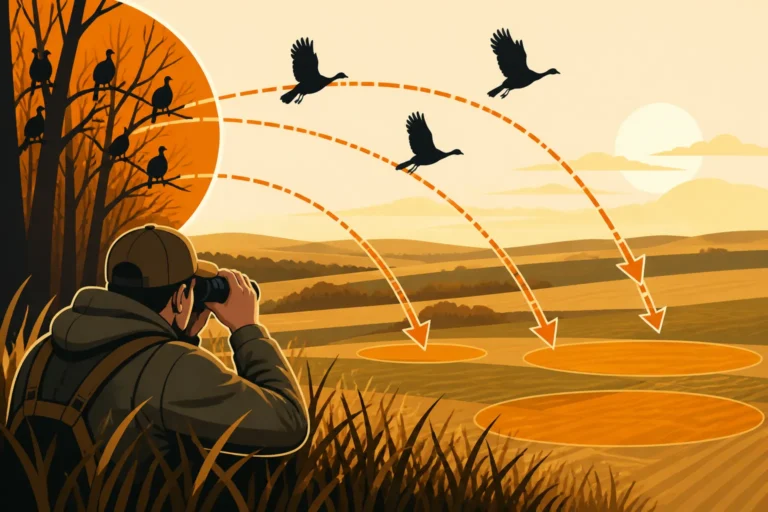
Start by driving the backroads in known goose migration corridors, particularly around the Rainwater Basin wetlands or the Platte River valley. This is where a good pair of binoculars and a spotting scope become your best friends. Look for white speckles on the horizon – what might look like snow drifts from a distance could actually be thousands of geese. Focus your search on recently harvested cornfields, wheat stubble, or even new green shoots of winter wheat, as these are prime feeding grounds.
Pay close attention to flight lines. Where are the birds coming from in the morning? Where are they heading in the evening? This will lead you back to their roost. Many experienced hunters will use mapping apps like GoHunt, which can layer aerial imagery with property ownership, helping them identify potential landing spots, field edges, and access points. A feature that allows you to drop pins and track sightings can be incredibly valuable over multiple days of scouting. Once you've identified a heavily used field, that's your starting point. You'll want to get permission from the landowner for private land, or confirm it's public access if you're on a wildlife management area or Open Fields and Waters tract. Understanding Reading Roost-to-Field Flight Lines is paramount here – it’s not just about seeing geese, but understanding their daily commute.
The Role of Weather and Migration Patterns
Weather is arguably the most significant factor influencing light goose behavior during the conservation order. These birds are on a massive migration, moving north from their wintering grounds in the south to their Arctic nesting sites.
As the late winter sun gains strength and temperatures begin to consistently warm, the geese will push further north. A strong cold front can halt their progress, holding them up in Nebraska for days or even weeks. Conversely, a prolonged period of warm, southerly winds can trigger a mass exodus, seemingly emptying the state overnight. Keeping a close eye on long-range forecasts is essential. Look for periods of stable weather, especially those with consistent, moderate winds, which often encourage birds to move and feed predictably.
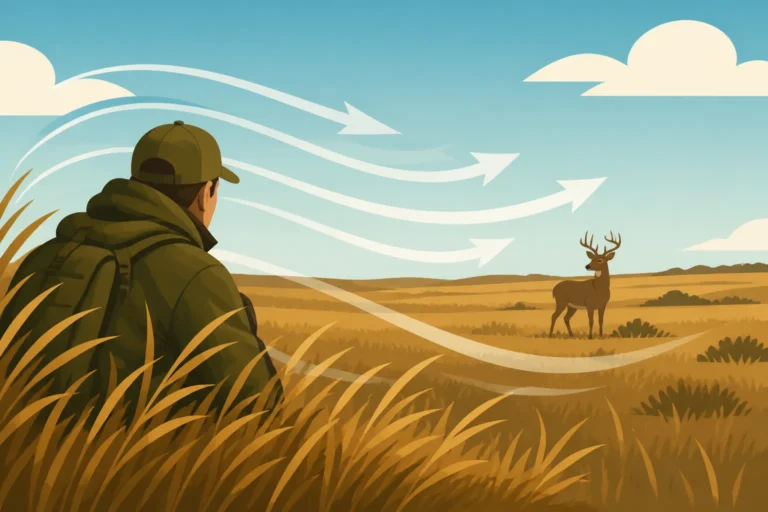
Snow cover also plays a huge role. If a late winter storm blankets the ground, it can make finding food incredibly difficult for geese. They'll concentrate on any bare patches or areas where farmers have spread manure, revealing grain. Without snow, their feeding areas are much more dispersed. Wind direction is critical not just for scouting, but for your setup. Geese, like all waterfowl, land into the wind. Knowing the prevailing wind direction for your hunt day will directly impact where you place your decoy spread and blinds. GoHunt’s detailed weather overlays and real-time wind forecasts can be invaluable for making these critical decisions, helping you predict how birds will approach your spread based on current conditions and topography. This information is far more powerful than just a simple weather app.
Essential Gear and Decoy Spreads
Hunting light geese during the conservation order is a gear-intensive endeavor, and the sheer scale of the hunt often demands specialized equipment. This isn't a "run-and-gun" affair; it's about creating an irresistible illusion.
Decoy Strategies for Massive Flocks
When you're trying to attract flocks that can number in the thousands, you simply can't skimp on decoys. Forget your dozen duck decoys; for light geese, we're talking about a minimum of several hundred, with many successful hunters deploying 500 to 1,000 or even more. The goal is to create a visual spectacle that mimics a massive, safe feeding frenzy.
You'll use a variety of decoy types, each serving a purpose:
- Full-body decoys: These are the most realistic and visually effective, especially on calm days. They add crucial dimension to your spread.
- Sillosocks: Lightweight, easy to transport in large numbers, and incredibly effective in a breeze. They sway and move, mimicking feeding geese.
- Texas rags (windsocks): The most economical way to add bulk and movement. They're basically white plastic bags on stakes, but from the air, they look like feeding geese.
- Shells: Less common for conservation order but can add some bulk.
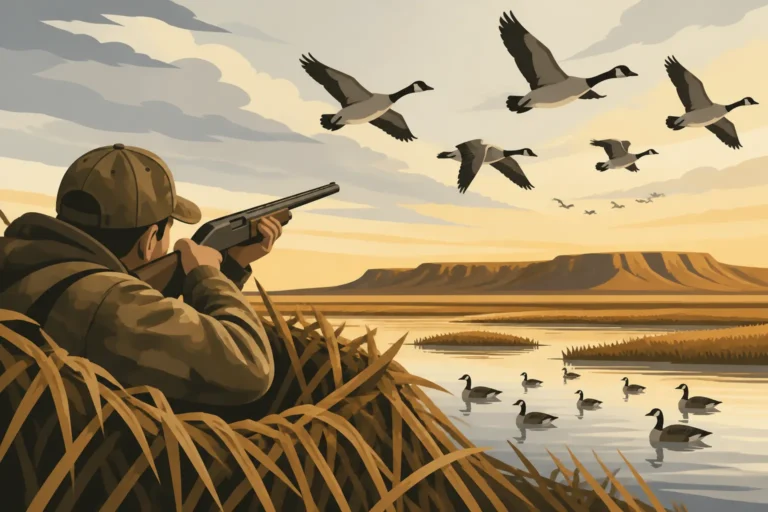
The layout of your spread is critical. A popular and effective strategy is the "V" or "U" shape, with the open end of the "V" facing directly downwind. This creates a natural landing zone for incoming birds. Within this "V," you'll want to create pockets or "kill holes" where the geese will naturally want to set down. Sprinkle in motion decoys – flyers on poles, rotary machines, or even battery-operated flappers – to give the impression of a lively, active flock. The more movement, the better. Consider using some darker, "juvenile" decoys to represent younger, less wary birds. For comprehensive guidance on setting up these impressive displays, you might want to review tactics like Decoy Spreads for Rainwater Basin Geese or Full-Body Decoy Spreads for Geese. These guides offer detailed insights into maximizing the visual appeal of your spread.
Electronic Calls and Unplugged Shotguns
The ability to use electronic calls is a game-changer. Light geese are extremely vocal, and their sheer numbers create a constant roar on the ground. Trying to replicate this with mouth calls is exhausting and often insufficient. Electronic calls allow you to broadcast a powerful, realistic array of sounds – feeding chatter, contented clucks, and excited hails – at volumes that will reach birds high in the sky. Invest in a high-quality call with multiple speakers to disperse the sound effectively across your spread. Experiment with different sound loops and volumes to see what the birds respond to best on any given day. Sometimes a soft, inviting chatter is all it takes; other times, you need to crank it up to grab their attention.
The unplugged shotgun rule means you can load your firearm to its full capacity, which is a significant advantage when flocks are circling and landing. A typical semi-automatic shotgun might hold 5-7 shells, giving you multiple follow-up shots on a large group of birds. This is not about being wasteful, but about taking advantage of the unique rules of the conservation order to maximize your harvest and contribute to population control. Ensure your shotgun is in good working order and that you're comfortable shooting it quickly and accurately. You'll still need to use nontoxic shot, as lead shot is prohibited for waterfowl. Pay attention to shot size; many hunters opt for larger sizes like BB or #2 for the added range and knockdown power on these surprisingly tough birds. For more on ammunition choices, check out Waterfowl Loads for Nebraska Geese.
Blind Options and Concealment
When you have hundreds or thousands of eyes scanning the landscape, concealment is paramount. Light geese are notoriously wary, and they will spot anything out of place. The preferred blind choice for field hunting light geese is undoubtedly the layout blind. These low-profile blinds allow you to lie flat in the field, virtually disappearing into the stubble.
However, simply lying in a layout blind isn't enough. You need to become part of the field. This means:
- Stubble straps: Most layout blinds come with straps or pockets to attach natural vegetation. Fill these with cornstalks, wheat stubble, or whatever local vegetation matches your field. Don't be shy; over-camouflage is almost impossible.
- Natural surroundings: If possible, position your blinds along a subtle rise, a fenceline, or in a patch of thicker stubble that naturally breaks up your outline.
- Hiding the shine: Anything reflective – sunglasses, gun barrels, even shiny buttons – needs to be covered or dulled. Geese have incredible eyesight.
Consider using large white tarps or camouflage netting draped over sections of your blinds and decoys to help blend everything together, especially if you're hunting in a wide-open expanse. Remember that geese will often approach from downwind, so ensure your concealment is robust from all angles. For additional concealment advice, take a look at Layout Blind Concealment in Stubble.
Tactics on the Ground
Once you've done your scouting, laid out your impressive spread, and concealed your blinds, the real game begins. This is where patience, observation, and adaptability truly come into play.
Setting Up and Calling Sequences
The optimal setup location is usually just downwind of your main decoy spread, creating that crucial "landing zone" directly in front of your blinds. This positions the geese right where you want them when they commit to land. Remember, geese land into the wind, so your setup must account for the prevailing wind direction. If the wind shifts significantly, you might even consider moving your entire spread – it's a lot of work, but sometimes necessary to maintain effectiveness.
When it comes to calling, start with a more subdued approach. As birds begin to appear in the distance, use soft feeding chatter and contented clucks to entice them. As they get closer and show interest, gradually increase the volume and intensity. Hit them with excited hails and "come back" calls as they circle. The electronic call is your orchestra, and you're the conductor. Watch the geese carefully; their reaction will tell you if your calling is working or if you need to adjust. If they flare, back off the calling. If they're cupping their wings, keep it up. Consistency in calling, mixed with strategic bursts of intensity, is often the most effective. Sometimes, a well-timed cut-off call as they get close can seal the deal.
The Importance of Persistence and Flexibility
Light goose hunting is rarely a quick affair. You'll often spend long hours in the field for brief moments of intense action. Persistence is absolutely key. Don't get discouraged if the first few flocks ignore you. These birds have seen every trick in the book.
Flexibility is equally important. Geese can be incredibly finicky. What worked yesterday might not work today. If birds are consistently flaring at a certain point in your spread, consider making adjustments. Maybe your landing zone is too small, or your blinds are too obvious from a particular angle. Don't be afraid to change your calling sequence, move some decoys around, or even pick up and move your entire setup to a different field if the geese aren't cooperating. This is where tools like GoHunt can be beneficial again; if you've marked multiple potential feeding fields during your scouting, you can quickly assess new locations and pivot your strategy. This willingness to adapt is often what separates successful hunters from those who go home empty-handed.
Dealing with "snowballing" is a common frustration. This is when a massive flock circles, and rather than committing as one, small groups of 10-20 birds break off, trying to land while the main flock stays high. It can be tempting to shoot these smaller groups, but often, waiting for the larger flock to commit pays off. It's a tough call, but part of the conservation order challenge. Also, don't underestimate the physical demands of this type of hunting. Long walks with heavy gear, coupled with lying still for hours in a blind, can be exhausting. Packing enough water, snacks, and warm clothing is vital, especially during Nebraska's unpredictable early spring weather. You might also want to review Setting a Goose Spread in Harvested Corn for practical, on-the-ground setup strategies that emphasize adapting to your specific field.
Processing the Harvest
One of the unique aspects of the light goose conservation order is the potential for a truly massive harvest. This means you need a plan for processing dozens of birds efficiently and ethically.
Handling Large Numbers of Birds
When you're dealing with potentially hundreds of geese, efficiency in field dressing is crucial. There are various methods, but many hunters opt for breasting out the birds in the field. This saves weight and space for transport, and it's much faster than plucking full birds. A sharp knife and a clean surface (even a large trash bag laid out flat) are essential. Make sure to keep at least one wing attached to each breast (or the entire bird, depending on local regulations; check current NGPC rules) for identification purposes during transport, especially if you're crossing state lines.
Cooling the birds quickly is paramount, particularly if the weather is mild or warming up, which is common during Nebraska's spring. If birds sit too long in a pile, the meat can spoil rapidly. Have plenty of coolers packed with ice. As you breast out the birds, immediately place the meat on ice. Don't underestimate the amount of cooler space you'll need – a successful day can quickly fill multiple large coolers. The quality of the meat starts the moment the bird hits the ground, so prompt cooling is non-negotiable.
Logistics of Transport and Storage
After a successful hunt, the logistics of getting your harvest home can be a challenge. Ensure you have enough large, sturdy coolers and plenty of ice. Pack the breasts tightly on ice, ensuring they are not sitting in water once the ice melts; consider using drain plugs or elevating the meat on racks.
When transporting your harvest, always be aware of state and federal regulations regarding migratory birds. As mentioned, often a wing needs to remain attached for identification. Be prepared for potential checks by conservation officers, who will want to ensure you're in compliance.
For long-term storage, vacuum sealing the goose breasts is the best method. This prevents freezer burn and keeps the meat fresh for extended periods. Goose meat is delicious, often compared to lean beef, and can be used in a variety of recipes, from roasts to jerky. Don't let the sheer volume of birds deter you; with proper planning, you can easily process and enjoy your harvest. For broader context on goose populations, consider reading about Snow Goose Numbers in Spring Migration to understand the driving force behind this conservation effort. The more you know about the birds, the better you can plan your hunt and respect the resource. And remember to adhere to Nebraska Habitat Stamp Requirements to support the wildlife areas where these birds thrive.
| Decoy Type | Pros | Cons | Ideal Use | Notes |
|---|---|---|---|---|
| Full-Body | Most realistic, excellent dimension | Expensive, bulky to transport and store, heavy | Adding realism to the kill hole, calm days | Often used in smaller numbers to enhance the spread |
| Sillosocks | Lightweight, compact, excellent movement | Can look flat in no wind, less durable | Bulk of the spread, windy days | Good for simulating feeding geese, easy to deploy |
| Texas Rags | Very inexpensive, compact, good movement | Least realistic, can tangle easily, require more setup time | Adding massive bulk for distant visibility | Excellent for making a huge spread on a budget |
| Shells | Moderate cost, somewhat stackable | Can look "flat," less realistic than full-bodies | Mixing with full-bodies, adding depth | Good for filling out the edges of a spread |
| Motion Decoys | Unbeatable realism, attracts attention | Expensive, require batteries, can malfunction | Central to the landing zone | Flyers, rotary machines, "flapper" decoys; crucial for wary birds |
Disclaimer
Please remember that hunting regulations, seasons, and permit requirements can change. Always consult the most current Nebraska Game and Parks Commission (NGPC) regulations before planning any hunt. This guide is for informational purposes only and does not replace official state regulations.