Fixed Versus Mechanical Broadheads
Deciding on the right broadhead for your Nebraska bowhunt can feel like navigating a minefield of opinions and marketing hype, leaving you wondering if you're making the right choice for the big buck or antelope you've been chasing. This guide will walk you through the nitty-gritty of fixed versus mechanical broadheads, helping you understand their performance nuances, their pros and cons, and ultimately, which one might be the perfect match for your archery setup and the specific hunting situations you'll encounter across the diverse landscapes of Nebraska.
The Core Debate: Fixed Blade Versus Mechanical Broadheads
For any bowhunter, the broadhead is arguably the most critical component of their arrow setup. It's the part that actually does the work of taking down game. The long-standing debate between fixed blade and mechanical broadheads isn't just about personal preference; it's about understanding how each design interacts with your bow, your arrow, and ultimately, the animal you're pursuing. Many hunters have very strong opinions on the matter, often rooted in personal experiences or ingrained traditions, but truly understanding their differences requires a look at their design, flight characteristics, and terminal performance.
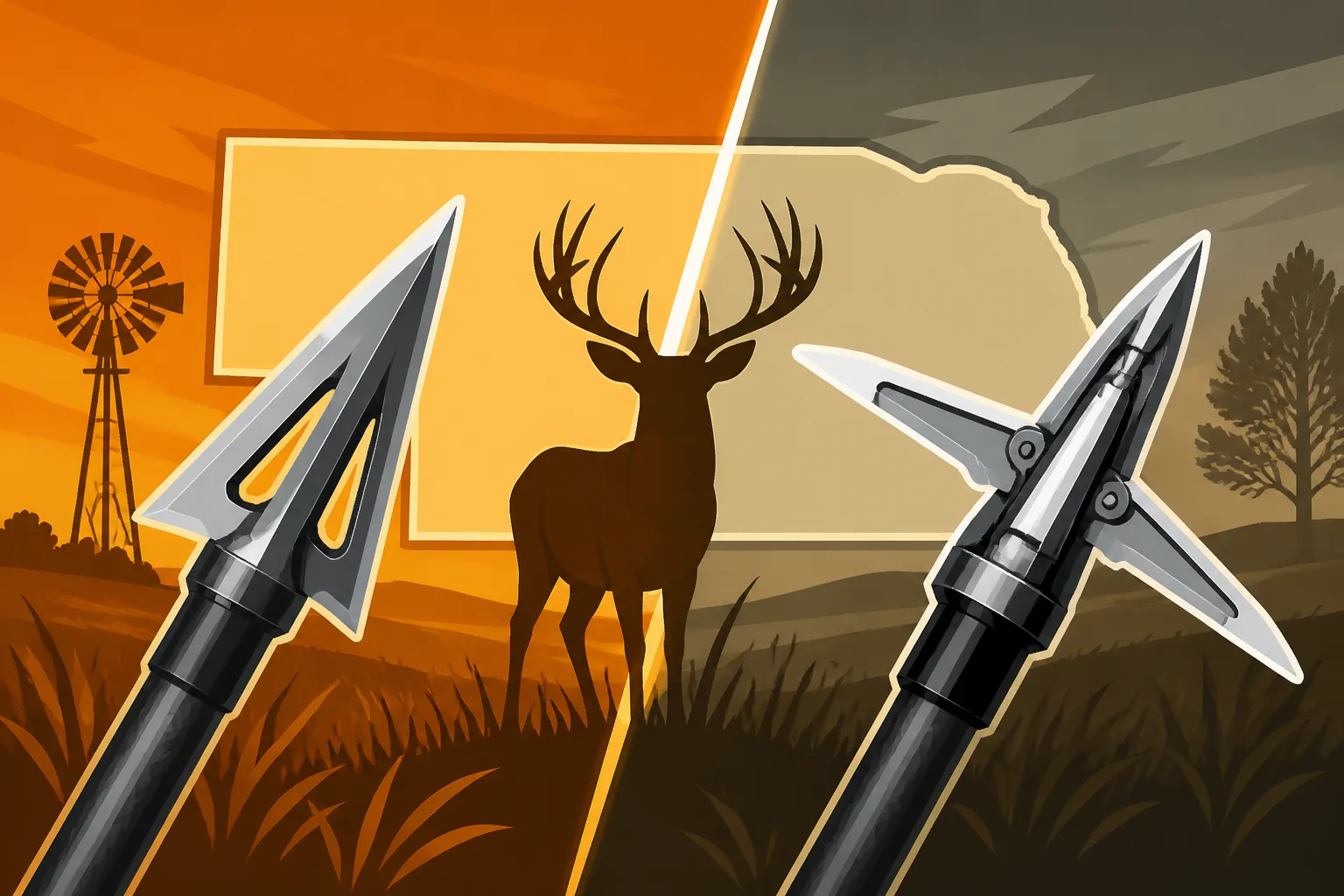
Fixed blade broadheads, as the name suggests, have blades that are rigidly attached to the ferrule (the body) of the broadhead. They maintain their shape from the moment they leave the bowstring until they exit the animal, or as far as they penetrate. This design is robust and has been around for generations, evolving from flint and obsidian points to modern steel and aluminum marvels.
Mechanical broadheads, on the other hand, feature blades that retract or fold back against the ferrule during flight. Upon impact, these blades deploy, usually through kinetic energy or a spring mechanism, to create a wider cutting diameter. The innovation behind mechanicals aimed to address some of the perceived shortcomings of fixed blades, primarily their flight characteristics, while offering a larger wound channel. Both types have distinct advantages and disadvantages that warrant a deep dive, especially when you consider the unique challenges and opportunities of hunting in Nebraska.
Understanding Flight and Energy Transfer
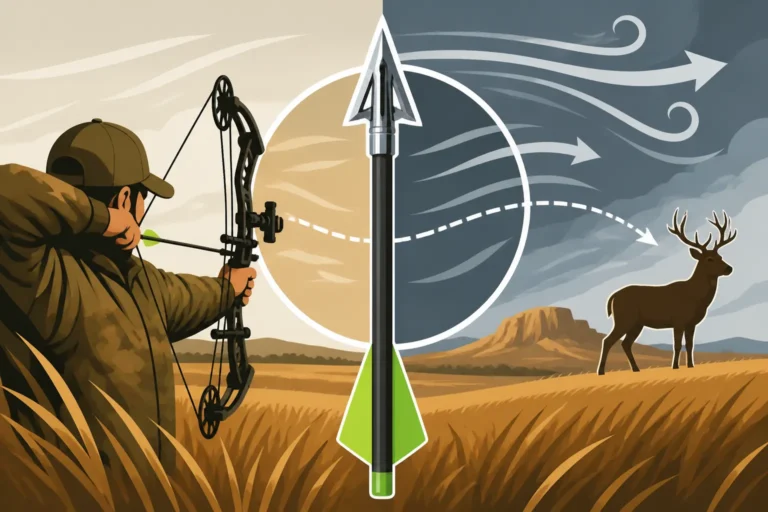
The way a broadhead flies is a major factor in a bowhunter's choice. Fixed blade broadheads, with their exposed blades, can act like small wings, catching air currents and potentially steering the arrow off course, especially in crosswinds. This is often why bowhunters using fixed blades stress the importance of perfectly tuned bows and arrows. Any slight imperfection in arrow flight or fletching contact can be amplified by the broadhead, leading to inconsistent groups at longer distances. In Nebraska's often windy conditions, particularly on the open prairie or in the Sandhills, this can be a real concern.
Mechanical broadheads were largely developed to overcome this flight issue. By tucking their blades away, they present a smaller profile to the wind, mimicking the flight of a field point. This can lead to tighter groups, especially for hunters whose bows aren't perfectly tuned or who might struggle with torquing the bow. The appeal of "field point accuracy" is a powerful one, as it gives hunters more confidence in their shot placement, particularly when aiming for those tight vitals on a whitetail in thick river bottom cover or an antelope across a wide-open expanse. However, the energy required to deploy those blades on impact is energy that isn't going directly into penetration, which is a crucial consideration for ethical harvesting.
Fixed Blade Broadheads: Pros, Cons, and When They Shine in Nebraska
Fixed blade broadheads are the workhorses of the bowhunting world. They are reliable, durable, and when properly tuned, incredibly effective. Their simplicity is their strength, offering a consistent performance that many experienced hunters swear by, especially when chasing big game across Nebraska.
Reliability and Penetration in Tough Conditions
One of the biggest advantages of fixed blade broadheads is their sheer reliability. There are no moving parts to fail, no blades to not deploy, and no springs to malfunction. What you see is what you get, every single time. This consistent performance instills confidence, knowing that if your arrow hits its mark, the broadhead will perform exactly as designed. This is particularly important when considering tough game animals or challenging shot angles.
When hunting species like mule deer or even larger whitetails in Nebraska, especially if you anticipate hitting shoulder bone or heavy muscle, the robust design of a fixed blade really shines. Because all of the arrow's kinetic energy is concentrated on driving the solid broadhead through the animal, fixed blades generally offer superior penetration. This deep penetration creates two holes, a valuable exit wound that facilitates a better blood trail, which can be absolutely critical when tracking a deer in heavy cover or across vast prairie. Imagine trying to find a deer in a large section of standing corn before harvest – a strong blood trail from a pass-through shot is invaluable.
The sturdy construction also means fixed blades are often more durable. If you hit a rib or even a tough piece of hide, the chances of the broadhead remaining intact and continuing to cut are very high. This can lead to more consistent wound channels, which are vital for a quick and ethical harvest. For hunters taking longer shots on Spot-and-Stalk Mule Deer in the Nebraska Sandhills where unexpected gusts can occur, or dealing with thicker hides of late-season game, that unwavering reliability provides immense peace of mind.
Tuning Challenges and Blade Exposure
Despite their many benefits, fixed blade broadheads do come with their own set of challenges. The most common frustration among bowhunters using fixed blades is achieving perfect flight. As mentioned earlier, their exposed blades can interact with air currents, causing the arrow to plane or veer off course if the bow isn't perfectly tuned. This means more time on the shooting range, meticulously adjusting your rest, nocking point, and potentially even fletching angle to ensure your broadheads group with your field points. This can be a daunting task for new bowhunters or those with limited time for practice.
In addition to tuning, the exposed blades can also be a safety concern, requiring careful handling during transport and while in the stand. They can snag on clothing or gear, and a slip can lead to a nasty cut. Many hunters use special broadhead cases to mitigate this risk. Furthermore, for some bow setups, particularly those with very high arrow speeds, fixed blades can be notoriously difficult to tune out, leading to inconsistent accuracy beyond shorter distances. This is a crucial consideration if you're planning on pushing the ethical limits of your archery range in Nebraska's expansive landscapes. For those venturing into varied hunting areas, from River-Bottom Whitetail Hunting in Eastern Nebraska to the more open country of the west, consistent flight is non-negotiable.
Mechanical Broadheads: Pros, Cons, and Their Place on the Nebraska Plains
Mechanical broadheads have gained significant popularity for their promise of field point accuracy and devastating wound channels. They offer a different set of advantages and disadvantages that make them appealing to many hunters, especially in certain hunting scenarios across Nebraska.
Field Point Accuracy and Larger Cutting Diameters
The primary allure of mechanical broadheads is their advertised "field point accuracy." Because their blades are tucked away during flight, they don't catch the wind in the same way fixed blades do. This often means less tuning is required to achieve tight groups with your broadheads, as they fly much like your practice points. For hunters who prioritize accuracy above all else, or who struggle with tuning their bow for fixed blades, mechanicals can be a game-changer. This ease of achieving accuracy can translate to greater confidence in the field, which is vital when you get that once-in-a-lifetime shot opportunity on a trophy buck.
Beyond flight, mechanical broadheads deliver on their promise of larger cutting diameters. Once deployed, their blades can expand to create a significantly wider wound channel than most fixed blades. This larger cutting surface can lead to a more rapid and thorough bleed-out, which contributes to a quicker, more humane harvest. A wider cut increases the chances of hitting vital organs, especially if your shot placement isn't absolutely perfect. Imagine hunting a strong Nebraska whitetail buck in the peak of the rut, when adrenaline is pumping – that wider cutting diameter can give you an extra margin of error.
When considering your Bow Setups for Nebraska Whitetails, mechanical broadheads often factor heavily into the equation, especially for those aiming for cleaner pass-throughs with maximum damage. Resources like GoHunt often highlight bow setups that pair well with various mechanical designs, offering hunters a broad perspective on optimal equipment choices.
Potential for Failure and Reduced Penetration
While mechanical broadheads offer impressive accuracy and cutting diameters, they are not without their drawbacks. The biggest concern revolves around their moving parts. There is always a small, but present, risk that the blades may not deploy correctly upon impact. This could be due to hitting a glancing blow on a rib, encountering dense hide at a sharp angle, or even a manufacturing defect. A broadhead that doesn't deploy properly will act more like a field point, leading to minimal damage and poor penetration, which can result in a lost animal. This is a serious ethical consideration for any bowhunter.
Another trade-off for the larger cutting diameter is often reduced penetration. The energy required to deploy those blades on impact is taken away from the energy available to drive the broadhead through the animal. This means that in situations where deep penetration is paramount – such as hitting heavy bone, taking an angled shot, or hunting with a lower draw weight bow – mechanicals may not perform as well as fixed blades. For example, if you're using Bow Draw Weight for Nebraska Whitetails on the lower end of the legal spectrum, every bit of kinetic energy matters. Hunters pursuing game that requires maximum penetration, like an elk (which is rare in Nebraska but the principle holds for larger deer), might lean towards fixed blades for this reason.
Furthermore, some mechanical broadheads can be less durable than fixed blades, particularly if they feature thin blades or intricate deployment mechanisms. Hitting solid bone can sometimes damage the blades or the ferrule, potentially leading to less effective secondary cutting or even breaking off within the animal. It’s critical to choose a high-quality mechanical broadhead from a reputable brand to minimize these risks. As you're considering Arrow Weight for Windy Conditions, remember that a heavier arrow can help drive a mechanical broadhead deeper, counteracting some of the penetration loss from blade deployment.
Making Your Choice: Matching Broadhead to Hunt and Setup
Ultimately, the best broadhead for you is the one that you have the most confidence in and that performs reliably with your specific bow setup for the type of hunting you'll be doing. There's no one-size-fits-all answer, especially when considering the varied terrain and game across Nebraska.
Assessing Your Bow Setup and Tuning Capability
Before you even look at broadhead types, take an honest assessment of your bow setup and your tuning expertise. If your bow is perfectly tuned and you can consistently group fixed blades with your field points at all practical hunting distances, then a fixed blade broadhead might be an excellent choice, offering superior penetration and reliability. Many experienced hunters in Nebraska, especially those who diligently practice and tune their gear, stick with fixed blades for their ruggedness and peace of mind.
However, if you struggle with fixed blade flight, or if your bow's tuning isn't absolutely spot-on, a mechanical broadhead might provide better accuracy and boost your confidence. It's far better to hit your mark with a mechanical broadhead than to miss or make a poor hit with a fixed blade. Accuracy is always paramount. Some archers prefer the simplicity of less tuning and opt for mechanicals, understanding the slight trade-offs in penetration. For hunters utilizing online tools and forums like those found on GoHunt, there's a wealth of information from other archers about how different broadheads perform with various bow models and setups.
Consider your arrow speed and kinetic energy as well. While specific numbers are hard to give due to variations in setup, generally speaking, bows with higher kinetic energy (faster bows, heavier arrows) can more effectively drive mechanical broadheads and compensate for the energy lost in blade deployment. Slower bows or lighter arrows might benefit more from the penetration efficiency of a fixed blade.
Considering Game Species and Hunting Conditions
The type of game you're targeting in Nebraska also plays a significant role. For whitetails, which are abundant across the state in varied habitats from river bottoms to Where Nebraska Whitetails Bed in Row-Crop Country, both fixed and mechanical broadheads can be highly effective. A well-placed shot with either will typically result in a quick recovery. However, if you're specifically hunting mule deer in the Sandhills or Pine Ridge, which can be larger-bodied and often require quartering-away shots in open country, the deep penetration of a fixed blade might offer an edge, especially if you anticipate hitting tough hide or bone. Similarly, when Archery Antelope From a Water Blind, a wider cutting mechanical can sometimes be desirable for a quicker takedown on a smaller-bodied, high-adrenaline animal, though again, shot placement is key.
Nebraska's notorious wind is another critical factor. On a blustery day in the open plains, a mechanical broadhead's field point-like flight might give you more confidence in your shot, reducing the impact of crosswinds on your arrow's trajectory. If you're hunting in thick timber where shots are typically shorter and less affected by wind, the inherent reliability of a fixed blade might be your priority.
| Feature | Fixed Blade Broadheads | Mechanical Broadheads |
|---|---|---|
| Flight Characteristics | Can be affected by wind, requires precise tuning | Flies like a field point, less susceptible to wind |
| Reliability | Very high, no moving parts to fail | High, but small risk of deployment failure |
| Penetration | Generally superior, especially on bone/tough hide | Can be reduced due to energy used for blade deployment |
| Cutting Diameter | Typically smaller (1"-1.25") | Typically larger (1.5"-2.5" or more) |
| Durability | Generally very robust, reusable if sharpened | Varies, some designs can be damaged on heavy impacts |
| Tuning Required | More extensive tuning often necessary for accuracy | Minimal tuning often required for field point accuracy |
| Best For | Heavy bone, angled shots, maximum penetration, windy conditions with a tuned bow | Field point accuracy, larger wound channels, less tuning required, open country with good shot placement |
In the end, it’s about making an informed decision that aligns with your personal hunting style, your equipment, and the specific challenges of your hunt. Test both types of broadheads thoroughly with your setup. Don't just shoot them once; shoot them multiple times, from different distances, and in varying conditions. What works perfectly for one hunter might not be ideal for another. Your confidence in your equipment is your most valuable asset in the field, whether you're still-hunting a snow-covered river bottom or chasing a coyote across winter grassland. Whether you opt for a steadfast fixed blade or a dynamic mechanical, make sure it's sharpened to razor perfection.
Disclaimer
This article is for general informational purposes only and does not constitute professional advice. Laws, prices and regulations vary by location and change over time. Consult a qualified professional for guidance on your specific situation.