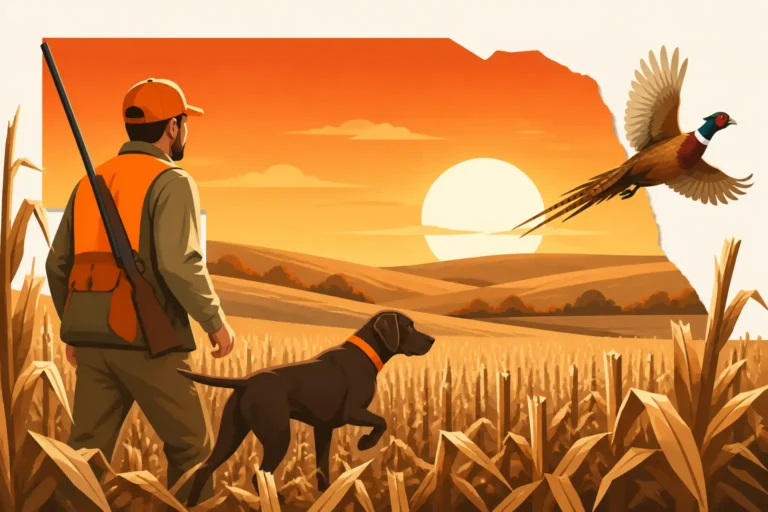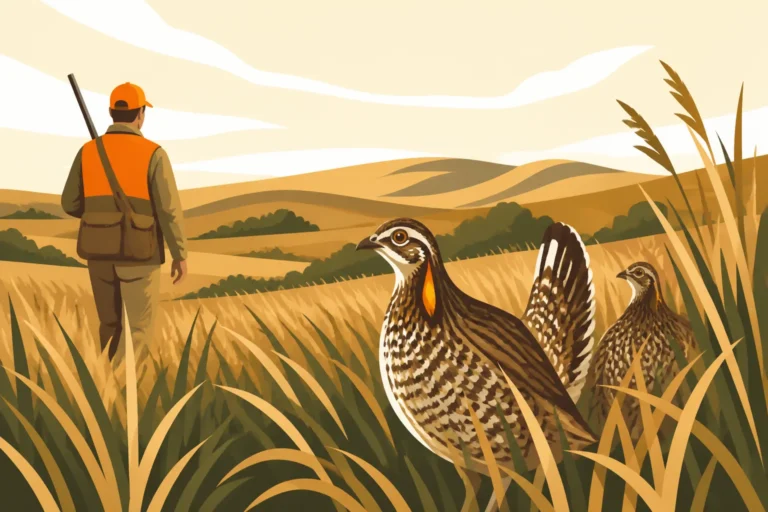
Working Sharptails and Prairie Chickens on Foot
The vast, unbroken grasslands of Nebraska offer a truly unique upland bird hunting experience, but chasing sharptails and prairie chickens on foot is a whole different ballgame than walking milo stubble for pheasants. These birds live in some of the most remote, challenging, and beautiful country, and figuring out how to effectively cover that ground and connect with coveys can feel like searching for a needle in a haystack. This guide will dive deep into proven strategies for walking down Nebraska's elusive grouse species, giving you the insights to make your next hunt a success.
Understanding Nebraska's Prairie Grouse
Before you lace up your boots and hit the vastness of the Nebraska Sandhills, it's crucial to understand the birds you're pursuing. Sharptails and prairie chickens aren't your typical farm-country pheasants; they have distinct behaviors, preferred habitats, and even subtle differences that can impact your hunting strategy. Knowing these nuances is the first step toward a successful hunt.
Sharptail vs. Prairie Chicken Identification and Behavior
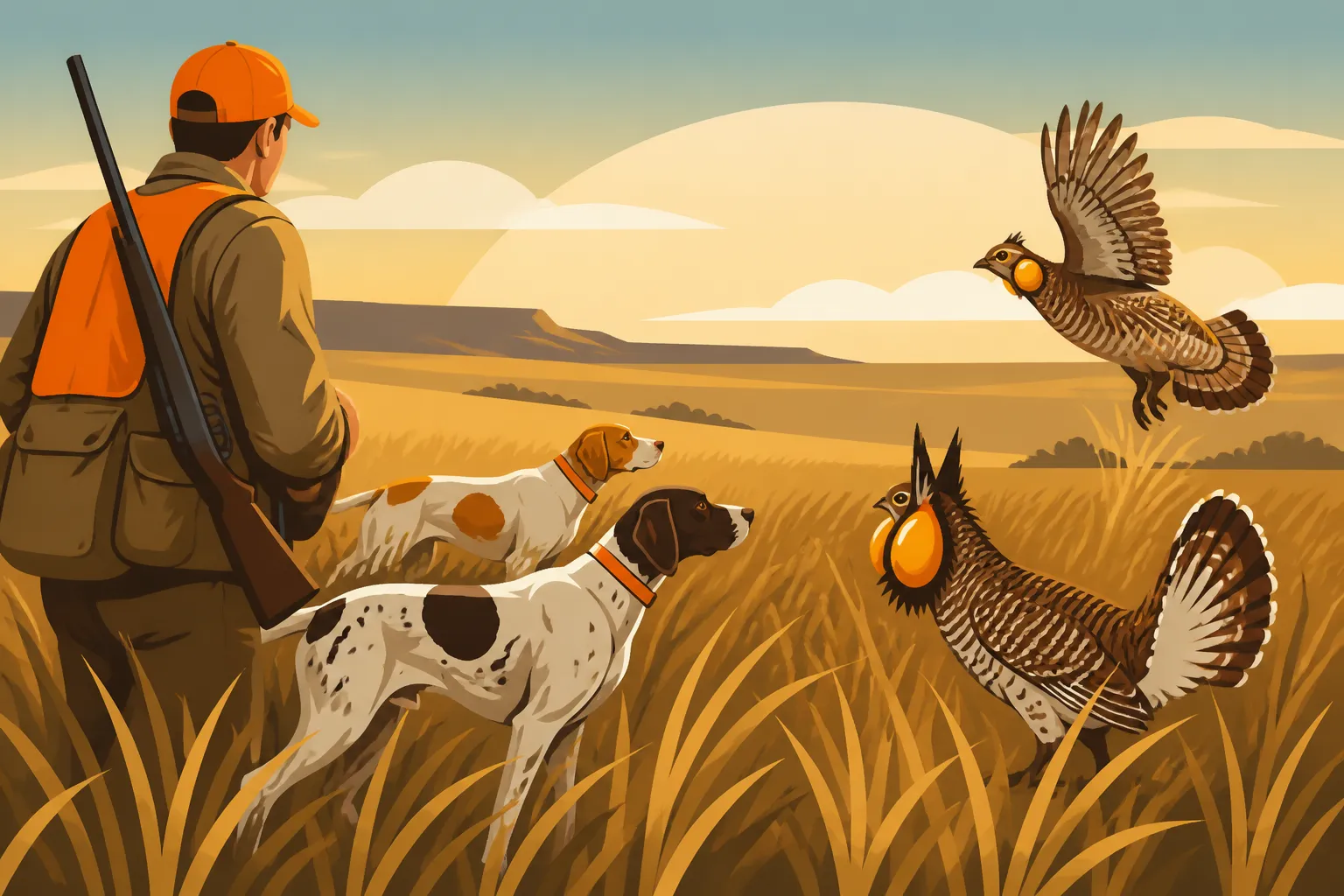
While both are often lumped together as "prairie grouse," sharp-tailed grouse and greater prairie-chickens have some key differences that can help you understand where to find them and how they might react. Sharptails, as their name suggests, have pointed tail feathers, often visible in flight as they glide away with stiff wing beats. They tend to flush in smaller groups, sometimes individually, and will often fly further than prairie chickens, especially if pressured. You'll find their flight pattern to be somewhat erratic, a series of quick bursts followed by glides.
Prairie chickens, on the other hand, have a more rounded tail and a deeper, more deliberate wing beat in flight. They often flush as a covey, can hold tighter to cover, and tend to land within a few hundred yards, making follow-up flushes a real possibility. When you get a flush of "chickens," it often feels like the ground explodes with multiple birds, offering a thrilling, albeit sometimes overwhelming, shooting opportunity. Both species are master camouflagers, blending seamlessly into the tawny grass. When you're out there, remember that these birds are wired for survival in wide-open spaces, which means they're always alert to approaching danger.
Preferred Habitats: Sandhills and Native Prairies
The Nebraska Sandhills are the heart of grouse country, offering the quintessential habitat for both sharptails and prairie chickens. These rolling hills, covered in native grasses like sand bluestem, switchgrass, and little bluestem, provide everything these birds need: dense nesting cover, abundant insects and forbs for food, and protection from predators. Sharptails often prefer areas with a mix of taller grasses and scattered brush, like plum thickets or small cedar clumps that offer escape cover and roosting sites. They also frequent areas that have seen recent burns or grazing, as these create mosaic patterns of cover and expose new food sources.
Prairie chickens tend to favor the expansive, unbroken tracts of tall-grass prairie. While you'll find them in the Sandhills, they're often associated with the very best, least disturbed native prairie ecosystems, like those found in the central and eastern Sandhills. These areas are characterized by vast stretches of homogenous grassland, sometimes with gently rolling topography. Understanding that slight distinction in preferred habitat can help you narrow down your focus when scouting, whether you're using aerial maps or tools like GoHunt to analyze habitat features. Remember, it's all about finding those pristine grasslands. For a broader look at where these birds call home, check out our guide on Greater Prairie-Chicken Range in Nebraska.
Seasonal Movements and Food Sources
Grouse movements and feeding habits shift throughout the season, and knowing these patterns can significantly influence your success. Early in the season, typically September when it's still warm, grouse are often found in areas with lush forbs and abundant insects, especially grasshoppers, which are a critical food source for young birds. They'll frequent the edges of hay meadows, ungrazed pastures, and even wet meadows where insect life thrives. As the season progresses into October and November, and insect populations dwindle, their diet shifts towards seeds, berries, and the buds of woody plants.
During the colder months, they might congregate in areas with available grain, like neglected corn or milo fields adjacent to good cover, though this is less common than with pheasants. They also rely heavily on cover that provides shelter from harsh winds and snow, often moving into plum thickets, cedar draws, or even the lee side of large sand dunes. Overcast days might see them feeding longer into the morning, while bright, sunny days might push them into cover earlier. Keep in mind that their range can be vast, and understanding these shifts can help you target specific types of cover at different times of the season.
Gear and Preparation for Walking Hunts
Hunting grouse on foot in Nebraska is an exercise in endurance and preparation. The terrain is unforgiving, the distances are deceptive, and the weather can change on a dime. Having the right gear isn't just about comfort; it's about safety and effectiveness. Skimping on preparation here can quickly turn a fantastic hunting adventure into a miserable ordeal.
Essential Clothing and Footwear for Long Walks
When you're walking miles of rolling sandhills and rough prairie, your feet are your most important asset. Invest in high-quality, comfortable, and supportive boots that are specifically designed for upland hunting. Look for models with good ankle support, durable uppers, and aggressive soles that can grip sandy hillsides and resist punctures from cactus and yucca. Waterproofing is a must, as you might encounter dew-laden grass in the morning or unexpected wet areas. Break them in well before your hunt – new boots on a multi-mile trek are a recipe for blisters and a ruined day. For more on this, our article on Boots for Walking Nebraska Grass and Sand offers excellent advice.
Layering is equally critical for your clothing. Nebraska weather in the fall can swing wildly from chilly mornings to warm afternoons, sometimes with significant wind. Start with a moisture-wicking base layer to manage sweat, add an insulating layer like fleece for warmth, and top it with a durable, wind-resistant outer shell. Blaze orange is paramount for safety, especially if hunting public land or with others. A good upland vest or bird strap is essential for carrying shells, water, and your harvested birds, distributing the weight evenly. I always recommend a vest with plenty of pockets for snacks, a GPS, and a small first-aid kit.
Shotgun and Ammunition Selection for Grouse
Choosing the right shotgun for walking grouse means balancing weight, maneuverability, and stopping power. A lightweight 12-gauge or 20-gauge shotgun is ideal, as you'll be carrying it for hours. Over/unders, side-by-sides, or semi-automatics are all viable options, but consider how they handle, balance, and swing for quick shots at flushing birds. Grouse typically flush strong and fast, so you need a gun that comes to the shoulder instinctively.
For ammunition, 6-shot or 7 ½-shot in lead is a common choice, providing a good pattern and enough energy to bring down these robust birds without over-penetrating. If hunting on some federal lands or specific WMAs, you may be required to use non-toxic shot, so always check the regulations for your hunting area. If you're on a multi-day trip, bring plenty of shells – more than you think you'll need. Choke selection is often a matter of personal preference, but an improved cylinder or modified choke is generally versatile enough for the range at which grouse typically flush. Our guide on Shotguns and Loads for Nebraska Pheasants provides a good starting point for understanding appropriate loads, even for different bird species.
Navigation Tools and Water
The Nebraska Sandhills are immense and can be disorienting, even on a clear day. Reliable navigation is non-negotiable. A GPS unit or a smartphone with a robust hunting app (like GoHunt's mapping features) is essential. Download offline maps before you go, as cell service is often nonexistent in remote areas. Mark your vehicle, trailheads, and any key features like water sources or potential cover. Carry a compass and a physical map as a backup – batteries die, and technology fails.
Water is perhaps the most critical item you'll carry, especially during early-season hunts when temperatures can soar. Hunters and dogs alike can quickly dehydrate. Plan to carry at least two to three liters of water per person, per day, and more if you have a dog. Consider a hydration pack for easy access. Electrolyte supplements can also be a lifesaver. You might be miles from your vehicle, and turning back because you're out of water is not just uncomfortable, it can be dangerous. Our article on Water and Heat Risk for Bird Dogs elaborates on the importance of hydration for your canine companions.
Effective Walking Strategies for Grouse
Successfully hunting sharptails and prairie chickens on foot is more art than science. It demands patience, keen observation, and the willingness to cover a lot of ground strategically. You can't simply walk in a straight line; you need to think like a bird and anticipate where they'll be.
The Art of the Zig-Zag and Contour Hunting
Straight-line walking in the Sandhills is often a waste of effort. The terrain dictates a more thoughtful approach. One of the most effective methods is the "zig-zag" or "grid" pattern, especially across large, relatively flat prairie expanses. This allows you to cover an area thoroughly, pushing birds forward or to the sides, and ensuring you don't walk past pockets of cover that might hold birds. Vary your pace; sometimes a slow, deliberate walk works best, other times a slightly brisker pace might surprise a covey.
When hunting rolling hills or draws, contour hunting comes into its own. Instead of slogging directly up and down every steep dune, which is exhausting and noisy, try to walk along the contours of the hills. This allows you to maintain a relatively consistent pace and gives you better angles to spot birds flushing from the sides of draws or over the crests of hills. Always try to approach draws from the downwind side, pushing birds up and over into the wind, which can sometimes slow their flight or make them hold tighter. Remember, these birds rely on their eyes, so using the topography to break up your silhouette can give you an advantage. The sheer scale of the landscape can be intimidating, but by methodically working sections, you can make progress.
Hunting Cactus Patches and Plum Thickets
While wide-open grass is the primary habitat, don't overlook pockets of denser cover. Sharptails, in particular, love plum thickets, brushy draws, and even patches of prickly pear cactus. These areas offer excellent protection from predators and the elements, serving as prime roosting or loafing spots, especially during the middle of the day or on windy days. Approaching these areas requires caution, both for yourself and your dog. Thorns are a real hazard.
When you encounter these types of cover, slow down and be prepared for an immediate flush. Birds often hold tighter in dense cover, only flushing when you're almost on top of them. Work around the edges first, then carefully penetrate the thickest parts. If you have a dog, ensure they are wearing appropriate protection if needed and are under close control to avoid injury. These small islands of heavy cover can often concentrate birds in an otherwise vast landscape, making them high-percentage spots to investigate.
Targeting Lekking Grounds Pre-Season
While you can't hunt birds on their active leks (breeding grounds), knowing where these leks are located can be an invaluable pre-season scouting tool. Leaks are traditional gathering spots for grouse, used year after year, especially by prairie chickens, during the spring breeding season. Although the birds disperse after breeding, the surrounding habitat often remains excellent grouse country throughout the hunting season.
By identifying historical lek locations through research or by observing birds in the spring, you can pinpoint areas of prime habitat. Birds will often be in the vicinity of these leks in the fall, feeding and roosting in the surrounding grasslands. This strategy is particularly useful when hunting for prairie chickens. Using a GPS or the GoHunt app, mark these lek locations and focus your hunting efforts in the miles surrounding them. This proactive approach allows you to scout without actually disturbing the birds during the hunting season. For more detailed information, our guide on Finding Prairie Chickens on a Lek Range can be very helpful.
Working with a Dog, or Without
A well-trained bird dog can be an incredible asset when hunting prairie grouse, transforming the experience and significantly increasing your chances of success. However, it's entirely possible to have a rewarding hunt without one, provided you adjust your tactics.
Benefits and Training for Grouse Dogs
A good bird dog excels at finding and flushing game, especially in the vastness of the Sandhills. Their superior sense of smell can locate birds that you would undoubtedly walk past. Pointers will lock up on scent, giving you time to get into position for the flush. Flushers will systematically work cover, pushing birds into the air. Regardless of breed, a dog allows you to cover more ground effectively and retrieve downed birds from dense cover or difficult terrain, minimizing lost game. For an overall look at grouse hunting, including with dogs, check out Prairie Grouse Hunting on Nebraska's Open Range.
Training for grouse dogs, particularly in open country, focuses on developing a wide, independent range, but also on rock-solid obedience and responsiveness to commands. These dogs need to be physically conditioned for long, arduous hunts, capable of covering many more miles than their human companions. Teaching them to hunt to the wind is crucial, as is a reliable "whoa" or "heel" command for when you need them close, especially near roads or fences. Early exposure to the specific scent of grouse and the vastness of the prairie environment will build their confidence and skills.
Managing Dog Range in Open Country
One of the biggest challenges in grouse hunting with a dog is managing their range. In open country, dogs have a tendency to run big, sometimes out of sight. While a wide-ranging dog is efficient at covering ground, you need to ensure they don't get too far ahead or out of control, flushing birds too far out of gun range. A GPS collar system, like those offered by Garmin or SportDOG, is practically a necessity. It allows you to monitor your dog's location and track their movement, helping you guide them into productive cover.
Use your understanding of the terrain and wind to direct your dog. Send them into draws, around hills, and through dense cover patches. Work them back and forth across the wind, allowing them to scent birds effectively. When you know you're in a high-percentage area, shorten their range slightly using verbal commands or an e-collar, ensuring they work the cover thoroughly within your shooting zone. Remember, it's a partnership; you guide the dog to the likely spots, and they use their nose to pinpoint the birds. Our detailed guide on Hunting Grouse in September Heat emphasizes managing both your and your dog's energy levels in challenging conditions.
Hunting Without a Dog: The Flusher's Approach
If you don't have a dog, a "flusher's approach" is your best bet. This involves systematically walking through cover with the goal of kicking birds into the air yourself. You'll need to be even more diligent in your ground coverage and pay close attention to subtle changes in terrain and vegetation that might hold birds.
Walk slowly and deliberately, pausing frequently. These pauses often cause nervous birds to flush, thinking they've been spotted. Focus on working edges, draws, and any pockets of thicker cover. If you're hunting with a partner, spread out in a line, maintaining visual contact, and walk in a coordinated sweep across the landscape. This creates a larger "front" to push birds. When a bird flushes, pay close attention to where it lands – mark the spot mentally or with your GPS – as follow-up flushes are possible, especially with prairie chickens. It's a more physically demanding way to hunt, but very rewarding when you connect. When working without a dog, always remember your internal links and resources like Walking Nebraska Sandhills Meadows for Sharptails for specific tactics.
Reading the Landscape and Wind
The Nebraska landscape is a canvas of subtle variations, each telling a story about where birds might be. Learning to "read" this landscape and understand the role of wind is fundamental to becoming a successful grouse hunter. It’s about more than just walking; it’s about strategic movement.
Using Topography to Your Advantage
The rolling hills and basins of the Sandhills create natural funnels, travel corridors, and sheltered spots that birds utilize. Observe the subtle changes in elevation, the direction of the slopes, and how they might affect bird movement. Grouse will often travel along the tops of ridges or through the bottoms of draws. Hunting the lee side of hills (the side sheltered from the wind) can be particularly productive, as birds seek refuge from strong breezes. They might roost or loaf in these areas, especially during harsh weather.
When working a series of rolling dunes, think about how to use the crests to your advantage. You can often approach a ridge line, pause just before you break over, and then quickly step up, surprising birds on the other side. This tactic requires stealth and awareness of your silhouette against the skyline. Conversely, when birds flush, watch how they use the topography to put distance between you and them. They'll often fly low over a ridge and drop into a basin, disappearing quickly. Understanding these tendencies will help you anticipate their flight path and plan your follow-up. Our guide on Hunting the Wildcat Hills Rimrock might give you some ideas for using elevation, even if the species are different.
Understanding Wind Direction and Bird Behavior
Wind is a constant companion on the Nebraska plains, and it's a critical factor in grouse hunting. Birds almost always flush and fly into the wind. This is because flying into the wind gives them better lift and control, making their escape more efficient. Knowing this allows you to position yourself or your dog strategically. Always try to approach cover from the downwind side, pushing birds to flush into the wind, which can slow them down slightly and offer better shooting opportunities.
A strong wind can also make birds hold tighter to cover, seeking shelter. On very windy days, focus your efforts on the thickest plum thickets, brushy draws, or even deep blowouts in the Sandhills where birds can get out of the direct blast. The wind also carries scent, which is vital for dogs. Work your dog into the wind, allowing them to pick up bird scent more effectively. Pay attention to how the wind shifts throughout the day; what was a productive approach in the morning might be less so in the afternoon if the wind changes direction.
Identifying Key Roosting and Feeding Areas
Successful grouse hunters become adept at identifying areas where birds are likely to roost, loaf, or feed. Roosting areas are often dense patches of tall grass, plum thickets, or even brush piles where birds can feel secure through the night. These areas are worth investigating early in the morning, shortly after sunrise. Feeding areas will vary with the season, but generally consist of areas rich in seeds, berries, or insects. These might be ungrazed pastures, native forb patches, or the edges of hay meadows.
Loafing areas are where birds spend the mid-day hours, often between feeding and roosting. These spots typically offer a combination of cover and sun exposure (or shade, depending on the temperature). Look for areas with a mix of grass height, scattered brush, or even the sunny side of a low hill on a cold day. By understanding these daily patterns, you can develop a hunting plan that targets birds during different parts of the day. Using public land resources like the Oglala National Grassland Hunting information can help identify these prime habitat types. Pre-season scouting, even without a gun, can help confirm these patterns, as can using the GoHunt app to mark potential hotspots.
Safety and Recovery
Hunting in Nebraska's expansive prairie environment, especially for grouse, means you're often miles from pavement, cell service, or immediate assistance. Prioritizing safety and knowing how to properly care for your harvested birds are just as important as the hunting itself.
Hydration and Heat Management for Hunters and Dogs
We've touched on this, but it bears repeating: dehydration and heat exhaustion are serious risks, particularly during the warm early season (September and even early October). The physical exertion of walking mile after mile, often uphill and through sand, combined with sun exposure, can quickly deplete your body's fluids. Drink water consistently, even if you don't feel thirsty. Carry enough for yourself and more than enough for your dog. For more specific guidance on your canine partner, refer to Water and Heat Risk for Bird Dogs.
Recognize the signs of heat exhaustion in both humans and dogs: excessive panting, lethargy, stumbling, confusion, and vomiting are all red flags. If you or your dog shows these symptoms, stop immediately, find shade, and cool down with water. If you're on public ground like the McKelvie Forest Grouse Hunting areas, these remote locations mean self-sufficiency is key. Consider bringing a small cooling towel for your dog and for yourself. Plan your hunts to avoid the hottest parts of the day if temperatures are high, favoring early mornings and late afternoons.
Field Dressing and Transporting Birds
Once you've successfully harvested a bird, proper field dressing is essential, especially in warmer weather, to ensure the meat quality. While it might be tempting to just toss the bird in your vest, taking a few minutes to clean it in the field makes a huge difference. The simplest method is to breast out the bird: lay it on its back, make a cut through the skin from the breastbone to the vent, and then pull the skin away. Then, separate the breast meat from the bone, making sure to get both halves. Some hunters prefer to take the legs as well, but the breast offers the most meat.
Once the meat is separated, place it in a breathable game bag to allow it to cool quickly. Avoid plastic bags, which can trap heat and moisture, accelerating spoilage. Get the birds out of the sun and into a cooler with ice as soon as possible. Even on a cool day, body heat can quickly spoil meat if not properly handled. When transporting your birds, be aware of tagging and transport regulations specific to Nebraska. You might need to leave a wing or head attached to aid in identification if crossing state lines or in certain situations.
Dealing with Remote Locations and Emergencies
Hunting Nebraska's grouse country means you'll likely be in very remote areas, sometimes miles from the nearest road or even another human. This isolation makes preparedness for emergencies paramount. Always let someone know where you're going and when you expect to return. Carry a fully charged cell phone (even if service is spotty, it might work in some spots, or you can use it for GPS), a personal locator beacon (PLB) or satellite messenger for true emergencies, and a comprehensive first-aid kit.
The first-aid kit should be equipped for cuts, scrapes, snake bites (rare but possible), and sprains. Know basic first aid. Carry fire-starting materials, a flashlight, and extra layers of clothing for unexpected overnight stays. Vehicle preparedness is also crucial: ensure your tires are good, you have a spare, and consider a shovel and tow strap for sandy roads. Getting stuck is a common occurrence in the Sandhills. Being self-sufficient and knowing how to respond to common emergencies will ensure your remote grouse hunting adventure remains a positive memory.
Disclaimer
Please remember that hunting regulations can change. Always consult the latest Nebraska Game and Parks Commission regulations before heading afield. This guide is for informational purposes only and does not supersede official hunting laws.