Rangefinding Binoculars Worth the Cost
For years, hunters have debated the merits of separate binoculars and rangefinders versus combining them into one sleek, powerful unit. If you've spent any time hunting the expansive landscapes of Nebraska, you know how crucial accurate yardage can be, especially when a trophy buck or bull steps out at an unexpected distance across a wide-open field or a sprawling Sandhills pasture. The sticker shock of rangefinding binoculars can be real, leaving many wondering: are they truly worth the significant investment, or is it just another piece of gear adding to an already overflowing pack? This guide will dive deep into that question, helping you understand when these advanced optics are an indispensable tool and when your trusty separate units might still do the trick for your Nebraska hunts.
The Unmatched Convenience of Having It All in One
Let's be honest, hunting involves a lot of gear. Boots, pack, rifle, calls, scent control, snacks, water—the list goes on. Anything that can consolidate essential functions while enhancing performance is worth considering. Rangefinding binoculars, or "bino-ranges" as some call them, bring together two of the most critical optical tools into a single package, and for hunters in Nebraska, this convenience can be a game-changer.
Streamlined Workflow and Faster Target Acquisition
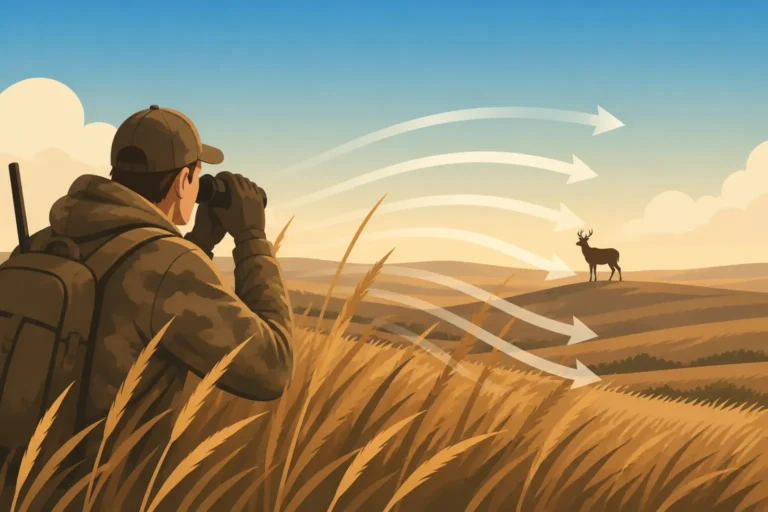
Imagine you're glassing a distant ridge in the Pine Ridge area, looking for a mule deer buck. With traditional optics, you spot a potential target with your binoculars, then have to lower them, grab your separate rangefinder, reacquire the target, and finally get a yardage reading. That's precious time, and in a high-stakes hunting situation, even a few seconds can mean the difference between getting a shot off and watching your quarry disappear over the horizon. The integrated design of rangefinding binoculars eliminates this two-step dance. You glass, you range, all with one fluid motion.
This isn't just about speed; it's about reducing movement. Every little twitch you make while fumbling for gear can be detected by sharp deer eyes, especially in open country where cover is minimal. The less you move, the less likely you are to be spotted. For anyone serious about Spot-and-Stalk Mule Deer in the Nebraska Sandhills or trying to close the gap on a wary pronghorn, this streamlined approach is a significant advantage. It allows you to stay focused on the animal, keeping your head down and your profile low.
Think about those moments when a whitetail suddenly appears in a river bottom, or a coyote slips through a cut cornfield. You need to identify, assess, and range instantly. With a quality pair of rangefinding binoculars, that process becomes almost instinctive. Your eye relief and focus are already set, you simply press a button, and the yardage appears in your field of view. This kind of efficiency isn't just a luxury; it can be a critical tactical edge in the field, making your hunting experience smoother and more effective, especially in unpredictable Nebraska conditions.
Reduced Pack Weight and Bulk
While some might argue that a high-end rangefinding binocular can be heavier than a pair of standard binoculars alone, the true comparison is against carrying both a separate pair of binoculars and a separate rangefinder. When you combine those two items, the weight and bulk can often exceed that of a single, well-engineered rangefinding binocular. Every ounce matters when you're trekking miles across diverse Nebraska terrain, from the rugged Pine Ridge to the rolling Sandhills or through thick river bottom timber.
For hunters who prioritize light and fast movements, whether still-hunting or covering ground to get into position, reducing the number of items dangling from your neck or weighing down your pack is a tangible benefit. It means one less strap to tangle, one less item to worry about dropping, and one less battery to check. This consolidation contributes to a more organized and efficient hunting setup, allowing you to focus on the hunt itself rather than managing your gear.
This benefit is particularly noticeable on hunts where you might be packing in for several days or covering vast distances on foot. Less bulk translates to more space for other essentials, or simply a lighter load on your back, which can directly impact your endurance and comfort levels throughout a long day or week afield. It allows you to move more freely, navigate challenging terrain with less hindrance, and maintain stamina for those crucial last hours of a hunt.
Precision in the Vastness: Why Nebraska's Landscapes Demand Accuracy
Nebraska hunting often involves wide-open spaces, and with that comes the need for extreme precision in rangefinding. Whether you're targeting a distant mule deer or setting up for a pronghorn, understanding exact yardage, especially with varying angles, is paramount. This is where high-quality rangefinding binoculars truly shine, offering features that cater specifically to these challenging environments.
Angle Compensation for Upland and Rolling Terrain
Many of Nebraska's prime hunting areas, like the Wildcat Hills or parts of the Pine Ridge, feature significant elevation changes. Hunting from a ridge down into a canyon, or shooting uphill at an animal on a rise, introduces a critical factor: angle compensation. A traditional flat-ground rangefinder will give you the line-of-sight distance, but gravity doesn't care about line of sight; it cares about horizontal distance. Shooting a rifle or bow at a target uphill or downhill requires knowing the adjusted horizontal distance, not just the straight-line measurement.
Most modern rangefinding binoculars incorporate advanced angle compensation technology, often referred to as "equivalent horizontal range" or similar. This means the readout you get isn't just the raw distance, but the actual ballistic distance you need to dial your scope or hold your pin for. This accuracy is non-negotiable for ethical shot placement in steep country. Without it, you're left guessing or using complicated calculations in the field, which can lead to missed shots or, worse, wounded game.
This feature is invaluable, especially when you're preparing for a long shot in a place like the Nebraska Panhandle, where a shot at 400 yards across a valley might only require a 350-yard hold due to the angle. Having that compensated range displayed instantly within your binos allows you to make rapid, confident adjustments to your shooting solution. When combined with scouting data from tools like GoHunt, which can give you topographic insights, your in-field ranging becomes even more robust and reliable.
Ballistic Solutions for Long-Range Confidence
For those who hunt with a rifle in Nebraska's wide-open spaces, pushing the ethical limits of their effective range, advanced rangefinding binoculars can offer integrated ballistic solutions. Some high-end models can be programmed with your specific rifle and ammunition data, providing not just the distance but also the precise holdover or turret adjustments (clicks) needed for that shot.
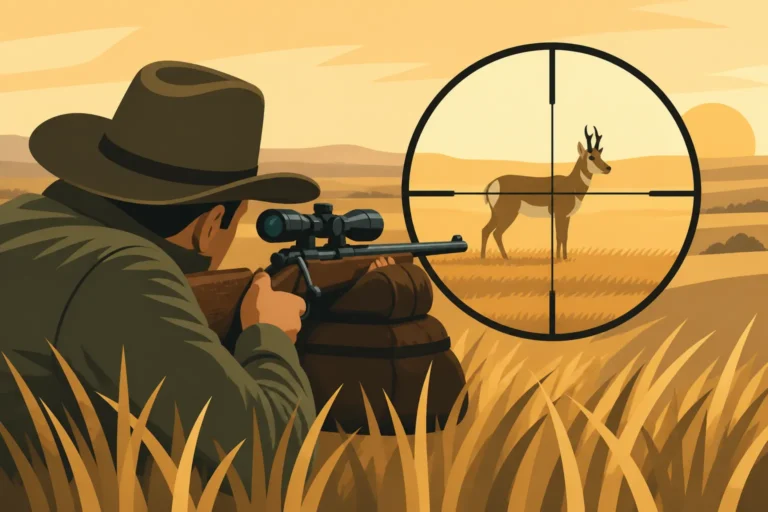
Imagine ranging a Sandhills mule deer at 550 yards. Instead of ranging, then consulting a separate ballistic app or drop chart, your rangefinding binoculars can display "550 yards, hold 12 MOA" or "550 yards, 3.4 mils." This level of integration further reduces steps, increases speed, and minimizes the potential for human error under pressure. When a trophy animal presents itself at a significant distance, having that information instantly available and integrated into your primary viewing optic is a massive advantage for ensuring a clean, humane shot.
This capability empowers hunters to be more confident in their Rifle Ranges Realistic on the Nebraska Prairie by removing much of the guesswork. It transforms ranging from a mere distance measurement into a comprehensive shooting solution, especially useful for hunters pursuing pronghorn on open grasslands or mule deer across vast blowouts. These systems often account for temperature and barometric pressure as well, further refining the ballistic solution and giving you an edge when every detail counts.
Weighing the Investment: Are the Cons Outweighed by the Pros?
It's easy to get excited about the cutting-edge technology and convenience of rangefinding binoculars, but it's equally important to consider the potential downsides. For many hunters, the "cons" column might seem to start and end with the price tag, but there are other factors to weigh before making such a significant purchase for your Nebraska hunting adventures.
The Initial Financial Hit
Let's address the elephant in the room: cost. High-quality rangefinding binoculars represent a significant financial investment, often surpassing the combined cost of a good pair of standalone binoculars and a separate rangefinder. This sticker shock can be a major barrier for many hunters, especially those who are just getting started or are on a tighter budget. You're paying for the convenience, the integrated technology, and often, superior optical quality in a single, robust package.
For some, the budget might simply not allow for such an expenditure, and that's perfectly okay. A hunter doesn't need rangefinding binoculars to be successful in Nebraska. Many successful hunters have taken countless animals with traditional setups. It's a tool, and like any tool, its value is in how it's used and whether it fits your specific needs and financial situation. It's crucial to evaluate your hunting style, frequency, and the types of terrain you primarily hunt before committing to this kind of investment.
However, consider it an investment in your hunting efficiency and success. Just as you might invest in a reliable rifle or a comfortable pair of Boots for Walking Nebraska Grass and Sand, investing in optics that enhance your ability to make ethical shots and increase your confidence in challenging environments can be worthwhile. The key is to see if the value proposition truly aligns with your personal hunting goals and whether the features genuinely benefit your approach to hunting across Nebraska's diverse landscapes.
Weight, Ergonomics, and Battery Life Concerns
While rangefinding binoculars combine two tools, they aren't always lighter than a minimalist separate setup. Depending on the model and the optics quality, a single unit can sometimes feel a bit heavier and bulkier in hand than a lightweight pair of standalone binos. The ergonomics can also be a personal preference; some hunters prefer the feel of a dedicated rangefinder that fits easily in one hand, separate from their binoculars.
Another consideration is battery life. When you have one device performing two functions, that device relies on a single battery source. If that battery dies in the field, you lose both your glassing capability (assuming you only brought the rangefinding binos) and your ranging capability. While most modern units have excellent battery life and indicators, it's a single point of failure. With separate units, if your rangefinder battery dies, you still have your binoculars, and vice-versa. Carrying spare batteries is always wise, but it's an extra layer of planning.
| Feature / Consideration | Separate Binoculars + Rangefinder | Rangefinding Binoculars |
|---|---|---|
| Convenience | Two items to carry, switch between | One item, faster transition |
| Cost | Potentially lower entry point, mix and match quality | Higher initial investment, often premium |
| Weight | Two separate units might be lighter or heavier combined | Single unit, can be heavier than binos alone |
| Durability | Two points of failure, more moving parts | Single robust unit, less fumbling |
| Ergonomics | Choose best of each type, dedicated feel | Fixed combo, might be bulkier for some |
| Battery Life | Two separate battery sources, redundancy | Single battery for both functions, single point of failure |
| Low Light Performance | Can optimize bino for low light, rangefinder separate | Combo units often excel in optics too, but one battery |
Ultimately, these factors come down to personal preference and how you intend to use the gear. If you spend most of your time glassing from a tripod or a vehicle in the Sandhills, the slightly increased weight might be negligible. If you're constantly on the move, Still-Hunting Nebraska Cedar Draws or walking miles for pheasants, it might be more noticeable. The goal is to find the system that maximizes your personal effectiveness and enjoyment afield, not just to buy the most expensive gear.
Making the Decision: Is a Rangefinding Bino Right for Your Next Nebraska Hunt?
So, after all that, how do you decide if rangefinding binoculars are the right fit for your hunting style in Nebraska? It really boils down to your specific needs, the type of hunting you do most often, and your budget. There's no single "best" answer for everyone, but by considering a few key points, you can make an informed choice.
Evaluate Your Primary Hunting Style and Terrain
Consider the kind of hunting you do most frequently in Nebraska. Are you primarily a rifle hunter pursuing mule deer or antelope in the vast, open expanses of the Sandhills or Panhandle, where long shots are common and precise rangefinding with angle compensation is critical? If so, the benefits of quick, integrated ranging and ballistic solutions could significantly enhance your success and confidence. When you're glassing for hours, being able to range immediately after spotting an animal, especially in an area like the Oglala National Grassland Hunting, is a huge time-saver.
Perhaps you're a bowhunter, spending your time in the dense river bottoms of Eastern Nebraska, where shots are typically closer, but quick, silent ranging is still important. Or maybe you're Bowhunting Nebraska's Four-Month Archery Season and occasionally find yourself in more open settings. While the immediate ballistic solutions might be less critical at archery distances, the convenience and speed of acquisition can still be invaluable. For those who enjoy Coyote Calling on Winter Grassland and often take shots at varied distances, these binos can also be incredibly useful for quick, accurate targeting.
On the other hand, if most of your hunting involves thick timber, short-range encounters, or if you predominantly hunt small game where precise rangefinding isn't as vital, then the added cost might not justify the benefits. Think about how often you truly need to range quickly and how often you're faced with challenging angles or long distances.
Consider the Value of Time and Efficiency
One of the biggest, yet often overlooked, advantages of rangefinding binoculars is the value of time and efficiency they provide in the field. Every moment spent fumbling with gear is a moment you're not fully focused on the hunt. In hunting, opportunities can vanish in an instant. The fluid transition from glassing to ranging can mean the difference between getting a shot off and just getting a look.
This efficiency also reduces fatigue. Less movement, less fumbling, fewer separate items to manage contribute to a more relaxed and focused hunter over the course of a long day. If you find yourself consistently frustrated by the need to switch between optics, or if you've missed opportunities because of the delay, then the investment might be well worth it. Professional guides and serious trophy hunters often lean towards integrated optics precisely because they understand the critical value of saving time and streamlining operations when everything is on the line. Resources like GoHunt can help you scout and plan, but in the moment, fast, accurate ranging is paramount.
The "Good Enough" Factor Versus Peak Performance
Ultimately, the question boils down to your personal definition of "good enough." Can you still be a highly successful hunter in Nebraska with separate binoculars and a rangefinder? Absolutely. Many, many hunters do just that every year. There are fantastic standalone binoculars that offer incredible low-light performance and dedicated rangefinders that are incredibly fast and accurate. The "combo" option isn't about needing it to hunt, but about optimizing your performance and experience.
If you are someone who constantly strives for marginal gains, who appreciates the latest technology, and who demands peak performance from every piece of gear, then rangefinding binoculars are likely to be a worthwhile investment. They represent the pinnacle of convenience and precision in optics, especially for the challenges presented by Nebraska's diverse hunting landscapes. If you frequently find yourself out in the wind-swept plains, glassing vast distances, and trying to decipher Wind and Thermals in the Sandhills, having all that information at your fingertips can make your hunting more enjoyable, more successful, and more ethical.
Before you make a decision, try to get your hands on a pair if possible. Visit a local sporting goods store or ask a hunting buddy if you can try theirs out in a simulated field environment. See how they feel in your hands, how quickly you can acquire a range, and how the display looks to your eye. The personal feel and functionality are just as important as the specifications on paper. With a little research and hands-on experience, you can confidently decide whether these advanced optics are the right choice for your next Nebraska adventure.
Disclaimer
This article is for general informational purposes only and does not constitute professional advice. Laws, prices and regulations vary by location and change over time. Consult a qualified professional for guidance on your specific situation.