Ammunition Availability Before a Nebraska Season
There's nothing quite as frustrating as meticulously planning your Nebraska hunting trip – scouting the fields, checking the regulations, even getting your Nebraska Deer Permit Types by Unit in hand – only to hit the sporting goods store a week before opening day and find the shelves utterly bare of your preferred ammunition. This isn't just an inconvenience; it can completely derail your hunt, forcing last-minute compromises or, worse, sidelining you altogether. This guide will walk you through the often-unpredictable world of ammunition availability before a Nebraska season, offering insights and strategies to ensure you're never left scrambling when it matters most.
The Pre-Season Rush: Why Ammunition Disappears So Quickly
You might think, "It's just bullets, how hard can it be?" But the reality of ammunition manufacturing and distribution is complex, and it's heavily influenced by global events, economic factors, and plain old human behavior. The surge in demand before hunting season, especially for popular calibers, can create a perfect storm of scarcity that catches many hunters off guard. It's a problem that seems to get more pronounced every year, leaving seasoned veterans and new hunters alike scratching their heads.
Supply Chain Realities and Manufacturing Bottlenecks
Ammunition isn't just magically conjured. It's a product of raw materials – brass, lead, copper, gunpowder, primers – all sourced, processed, and assembled. Each step in this intricate supply chain is vulnerable to disruptions. We've seen firsthand how global events, from economic downturns to international conflicts, can impact the availability and cost of these fundamental components. For instance, a sudden spike in demand for brass in one industry can divert resources away from ammunition production, causing ripple effects that trickle down to your local gun shop.
Moreover, ammunition factories operate on production schedules that are often set months, if not a year, in advance. They can't just flip a switch and double production overnight. Tooling wears out, skilled labor is needed, and quality control is paramount. If a particular caliber experiences an unexpected surge in demand – perhaps a new rifle model becomes incredibly popular, or a major hunting season like Nebraska Firearm Deer Season Dates is approaching – it takes time for manufacturers to adjust. They might prioritize common calibers like .308 Winchester or .270, leaving less popular or specialty rounds in short supply for longer. This allocation decision isn't made lightly, but it has a very real impact on what you see on the shelves in Nebraska. A factory might churn out millions of rounds of 9mm or .223 for sport shooters and self-defense, potentially limiting the batches of specialized hunting cartridges they can produce in a given quarter.
Hunter Behavior and the Cycle of Hoarding
Let's be honest, we've all been there, or at least thought about it. When you see empty shelves, a little panic sets in. That "just in case" mentality is a powerful driver of ammunition shortages. A hunter might usually buy two boxes of .30-06 Springfield for their Rifle Setups for Nebraska's Open Country deer hunt – one for sighting in and practice, one for the hunt itself. But if they've struggled to find it in the past, they might grab four or five boxes if they see them available, just to be safe. Multiply that behavior across thousands of hunters preparing for various Nebraska seasons, from Bowhunting Nebraska's Four-Month Archery Season to Muzzleloader Deer Hunting in Nebraska in December, and you quickly understand how a perceived shortage can become a very real one.
This cycle is self-fulfilling. Hunters hear whispers of shortages, see a few empty spots, and then stock up more aggressively, which further depletes inventory, reinforcing the belief that ammunition is hard to find. Social media amplifies this, with posts about barren shelves spreading quickly and fueling more frantic buying. It creates a dynamic where even if a fresh shipment arrives, it might be gone within hours, snapped up by those who learned their lesson from previous seasons. For a new hunter, or someone just moving to Nebraska, this can be incredibly disheartening, as they might not have the existing stock or the network to know when a shipment is coming in.
Specialized vs. Common Calibers: A Tale of Two Shortages
Not all ammunition is created equal, nor does it face the same availability challenges. Common calibers, like the aforementioned .308, .270, .30-06, or 12-gauge shotgun shells, are mass-produced and generally easier to find. However, during peak hunting seasons in Nebraska, even these can vanish due to overwhelming demand. Everyone needs them, and everyone is buying them. You might see a full shelf of obscure calibers, only to find the .30-06 bin completely empty.
Then there are the more specialized hunting calibers. Think about some of the newer, high-performance cartridges or older, less common rounds. If you hunt with a 6.5 PRC or an 8mm Mauser, for example, your struggle to find ammunition might be a year-round affair, compounded exponentially before hunting season. Manufacturers produce these in smaller batches, and distributors carry less inventory. If your rifle is chambered in something unique, it's not just about competition from other hunters; it's about limited production runs and fewer retailers willing to stock large quantities. This is particularly true for Straight-Wall Cartridge Options in Nebraska, which have become more popular for deer hunting in recent years due as regulations have changed in some areas, leading to demand spikes for cartridges like .350 Legend or .450 Bushmaster.
Strategies for Securing Your Ammunition and Avoiding Headaches
Given the unpredictable nature of ammunition supply, proactive planning is no longer just a suggestion – it's a necessity. Waiting until the last minute is a recipe for stress and potential disappointment. By adopting a few key strategies, you can significantly increase your chances of having the right rounds when you need them for your Nebraska hunt.
The Early Bird Gets the Bullet: Planning Months in Advance
This is perhaps the most critical piece of advice: buy your ammunition months, not weeks, in advance. As soon as you secure your Nebraska Big Game Permits and How to Get One or even when you start seriously thinking about your hunt for the year, that's your cue to start looking for ammo. For deer season, which can run from September through December in various forms, think about buying your hunting loads in late spring or early summer. Don't wait until August or September when everyone else is starting to gear up.
A good rule of thumb is to have enough ammunition on hand not just for the upcoming season, but for the next one too, if possible. This means having enough for practice, sighting in your rifle – which is crucial for Zeroing a Rifle for Open Country shots on the open Nebraska plains – and your actual hunt. Many experienced hunters will purchase their hunting ammunition immediately after a season closes, taking advantage of lower demand and potentially clearer shelves. This ensures that when the next wave of pre-season buying hits, you're already prepared, minimizing stress and allowing you to focus on Scouting Nebraska Public Ground Before Opening Day or refining your hunting tactics. Think of it like buying your duck stamps in July; it's just part of your overall preparation.
Local vs. Online Retailers: Navigating Your Options
When it comes to purchasing ammunition, you generally have two main avenues: your local brick-and-mortar gun shop or larger online retailers. Both have their pros and cons, and a smart hunter often uses a combination of the two.
Local gun shops are invaluable. They often have a dedicated customer base, and if you're a regular, they might give you a heads-up when a rare shipment comes in. They also understand the local hunting scene and which calibers are most in demand in your specific area of Nebraska. Building a relationship with your local FFL dealer can pay dividends, especially when inventory is tight. They are also excellent resources for local advice, such as Legal Firearms for Nebraska Deer regulations or even where to find good practice ranges. The downside is that their stock is limited by shelf space and distribution, and their prices can sometimes be higher than online counterparts due to lower volume purchasing.
Online retailers, on the other hand, offer a vast selection and often more competitive pricing. You can frequently find calibers online that are impossible to locate locally. However, shipping costs can add up, and many states have restrictions on direct-to-door ammunition delivery, requiring it to be sent to an FFL holder, which can incur additional fees. The biggest challenge with online retailers is timing: popular hunting ammunition sells out incredibly fast. You might need to set up "in-stock" notifications and be ready to click "buy" the moment you get an email. Researching the best gear and planning your hunt, perhaps with tools like GoHunt that provide insights into hunting areas and strategies, should include an early check on online ammo availability as part of your comprehensive preparation. Just as you’d use GoHunt to plan your approach to a Creek Crossing in the Sandhills, you should plan your ammo procurement with equal diligence.
Alternative Ammunition: Being Flexible When Needed
Sometimes, despite your best efforts, your exact preferred brand, bullet weight, or load simply isn't available. In these situations, flexibility is key. Is there another reputable brand that produces a similar hunting round in your caliber? Often, bullet manufacturers use very similar components, and the performance difference in the field might be negligible for typical hunting distances. It's always a good idea to buy a box to test for accuracy with your rifle, but a slight change in brand is often a better option than no ammunition at all.
Consider different bullet weights if your preferred 150-grain .30-06 isn't around but 165-grain is. Your Rifle Setups for Nebraska's Open Country might shoot it just as well, or with minor adjustments to your scope. For those hunting in areas with specific lead-free requirements or personal preferences, exploring Lead-Free Ammunition Choices for Nebraska Deer early can also broaden your options. It's also wise to know what kind of shotgun loads you need for different upland game. If you're heading out to walk Milo and Corn Stubble for Pheasants, understanding your options for shot size and material well in advance can prevent a last-minute scramble. Having a backup plan for ammunition, much like having a backup plan for a stand location when using a Ground Blinds in Open Nebraska Country, is a mark of a prepared hunter.
Post-Purchase Considerations and Storage Best Practices
Once you’ve successfully navigated the ammunition acquisition process, your responsibility doesn't end there. Proper handling, testing, and storage are crucial to ensuring your ammunition performs as expected and remains reliable for years to come. These steps are an integral part of responsible hunting preparation, just as important as knowing your Nebraska Hunter Education Age Requirement or understanding Nebraska's 400-Square-Inch Orange Rule.
Checking Your Lot Numbers and Testing New Loads
When you finally get your hands on that coveted box of hunting ammunition, take a moment to check the lot number. Manufacturers typically print these on the box. While not always critical for casual target shooting, for serious hunting, it's ideal to have ammunition from the same lot number for your primary hunting rounds. Slight variations can occur between different production runs, which could theoretically impact accuracy, even if only subtly. If you bought several boxes, try to get ones with matching lot numbers.
Even more importantly, if you end up with a different brand, bullet weight, or even just a new lot number than what you previously sighted in with, you absolutely must re-verify your zero. Just because it's the same caliber doesn't mean it will impact the same point of aim. A few rounds at the range with your chosen hunting load before the season opens is non-negotiable. This ensures that when that buck steps out at 200 yards, your Rifle Ranges Realistic on the Nebraska Prairie calculations are accurate and your shot is ethical. Using a robust planning tool like GoHunt can help you remember these critical steps in your pre-season checklist, ensuring no detail, especially your ammunition performance, is overlooked.
Proper Storage for Longevity and Reliability
Ammunition, when stored correctly, can last for decades. The key factors are consistency in temperature and humidity, and protection from direct sunlight. The worst place for ammunition is often in an uninsulated garage or shed where temperatures can swing wildly from freezing cold to scorching hot, and humidity can fluctuate dramatically. These conditions can degrade gunpowder, primer compounds, and even corrode brass casings over time, leading to misfires or inconsistent performance.
An ideal storage location is a cool, dry, dark place with stable temperatures, like an interior closet or a climate-controlled safe. Keep ammunition in its original boxes or in purpose-built plastic ammunition cans. Desiccants can be useful in very humid environments. The goal is to prevent moisture absorption and extreme temperature cycling, which are the primary enemies of ammunition longevity. For those buying in bulk to offset availability concerns, proper storage isn't just about preserving function; it's about protecting a significant investment. You wouldn't leave your Muzzleloaders for a Nebraska December exposed to the elements, and the same care should be given to your ammunition.
The "Practice" Dilemma: Balancing Skills and Stock
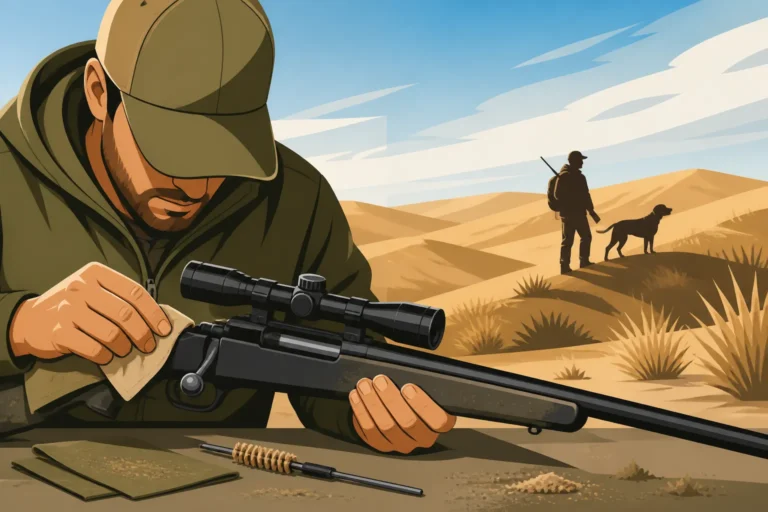
We've talked about buying ahead, and that often means buying more than you might immediately need. This brings up the "practice dilemma." You need to practice to maintain your shooting skills and ensure proficiency with your hunting firearm. This is especially true if you are Hunting the Wildcat Hills Rimrock where shots can be tricky. But every round you send downrange is one less round in your hunting stock. How do you balance this?
The ideal scenario is to purchase two distinct types of ammunition: bulk, less expensive rounds for practice, and premium, consistent hunting loads for the actual hunt. If you can only find premium hunting loads, consider saving the majority for hunting and use a small portion for sighting in and verifying zero. Dedicate a small, consistent amount for crucial practice shots that mimic hunting scenarios, rather than extensive plinking sessions. For instance, instead of shooting 50 rounds, focus on 5-10 perfect shots from hunting positions. This conservative approach, especially when ammunition is scarce, ensures you're proficient without depleting your critical hunting supply. Remembering to allocate practice rounds early is part of the overall preparation that a comprehensive platform like GoHunt helps hunters manage effectively.
| Ammunition Type | Typical Availability Before Season | Best Practice for Purchase | Key Consideration |
|---|---|---|---|
| Common Hunting Calibers (.308, .270, .30-06) | Moderate to Low | Buy 3-6 months in advance | High demand, prone to sudden depletion |
| Popular Straight-Wall Cartridges (.350 Legend, .450 Bushmaster) | Low to Very Low | Buy 6+ months in advance | Newer demand, often slower production |
| Specialized/Newer Calibers (6.5 PRC, .28 Nosler) | Very Low | Buy 6-12 months in advance | Limited production, fewer retailers stock |
| Shotgun Shells (12ga, 20ga) | Moderate | Buy 2-4 months in advance | High volume use, especially for Walking Nebraska Pheasant Cover With a Dog |
| Rimfire (.22 LR) | Generally High | Anytime | Less critical for big game, but good for practice |
Disclaimer
This article is for general informational purposes only and does not constitute professional advice. Laws, prices and regulations vary by location and change over time. Consult a qualified professional for guidance on your specific situation.