Muzzleloaders for a Nebraska December
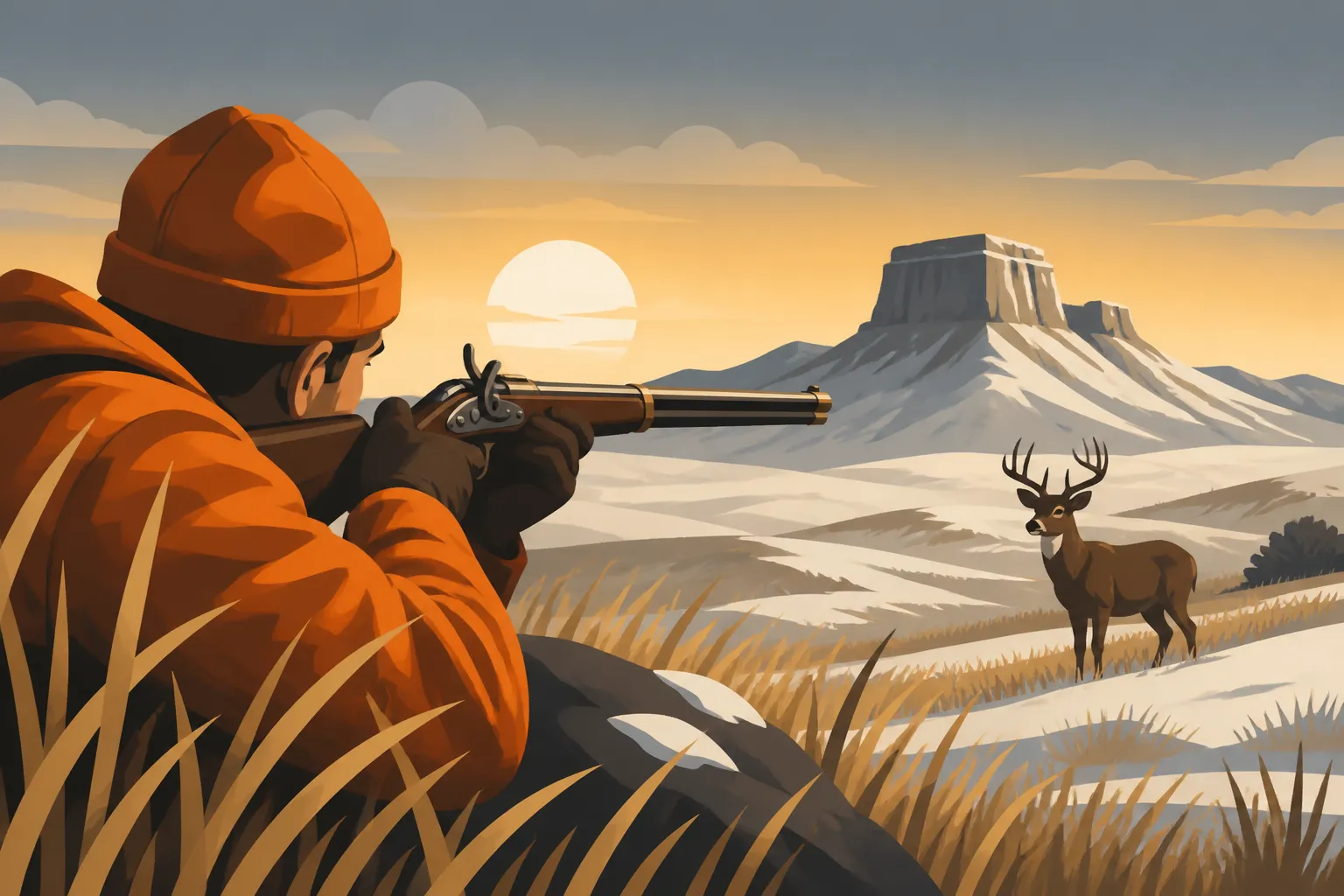
Oh, December in Nebraska! For many hunters, it feels like the big show is over once the main firearm season wraps up. You might be feeling a bit of post-rut blues, or perhaps you missed out on drawing a coveted buck tag for November. But here's the thing: Nebraska's muzzleloader season in December offers a fantastic, often overlooked, opportunity to extend your deer hunting, presenting unique challenges and rewards that make it truly special. This guide is all about equipping you with the knowledge and gear to not just survive, but truly thrive, when chasing deer with a muzzleloader in the heart of a Nebraska winter.
The Unique Appeal of Nebraska's December Muzzleloader Season
December hunting in Nebraska isn't for the faint of heart, but that's precisely what makes it so appealing to a dedicated few. While many hunters have packed away their gear for the season, the muzzleloader enthusiast finds themselves in a quieter, more challenging, yet incredibly rewarding landscape. It’s an experience that harkens back to earlier hunting traditions, forcing you to slow down, hone your skills, and truly understand the deer and their environment.
Why Embrace the Late Season Challenge?
Let's be honest, the adrenaline of the November rut is hard to beat, but that also means crowded public lands and highly pressured deer. By the time December rolls around, things have changed significantly. The deer have settled back into a more predictable pattern, focused on survival, and many of the fair-weather hunters have moved on. This can be your advantage. The muzzleloader season often falls after the main firearm rut, meaning deer behavior shifts from frenzied breeding to a more urgent search for calories and thermal cover. This requires a different kind of hunting — one focused on patience, detailed scouting, and an intimate understanding of winter deer habits.
The satisfaction of harvesting a deer with a primitive weapon, especially in challenging winter conditions, is immense. There’s a directness to it, a reliance on your own woodsmanship rather than cutting-edge technology. It truly forces you to embrace the spirit of the hunt. Plus, if you're like many who might have been frustrated by the sheer number of hunters during the peak November rifle season, the December muzzleloader season offers a much-needed respite, a chance to find some solitude in the field.
Beyond the challenge, there's also the practical side: extended opportunity. For those who didn't fill their tags, or perhaps want to pursue additional antlerless deer, the December muzzleloader season can be a fantastic way to put more venison in the freezer. Many units offer ample antlerless permits for this season, which can be an excellent option for managing local deer populations and providing food for your family. If you're looking for more details on the exact dates and permit types, check out Nebraska's December Muzzleloader Deer Season.
Understanding December Weather and Deer Behavior
December in Nebraska can be brutal. We're talking frigid temperatures, biting winds that cut right through you, and often significant snowfall. These aren't just minor inconveniences; they dictate everything about how deer behave and how you need to hunt them. The deer, much like us, shift into pure survival mode. Their priorities become finding reliable food sources and the densest thermal cover to escape the elements.
This extreme weather concentrates deer activity. Instead of spread out browsing, they'll be hitting specific, high-calorie food sources like standing corn, milo, or even pockets of alfalfa if available. They'll also be seeking out the thickest cedar draws, river bottoms with dense brush, or even man-made shelterbelts to get out of the wind and conserve energy. Understanding these shifts is paramount to success. You're no longer looking for rutting bucks cruising for does; you're looking for animals trying to stay warm and fed.
While the harsh weather presents difficulties for the hunter, it can also create predictable patterns that you can exploit. A fresh snowfall, for example, not only quiets the woods but also lays down a fresh canvas for tracks, telling you exactly where the deer are moving and when. Knowing how deer react to Deep Snow and Deer Movement is a crucial piece of the puzzle. They'll take the path of least resistance, follow established trails, and often feed more heavily before or after a severe storm.
This time of year demands a different set of tactics, moving away from rut-based calling or blind-spot hunting. Instead, it leans heavily on precise scouting, understanding micro-climates, and being willing to put in the work to track and intercept deer as they move between bedding and feeding areas. It’s a true test of woodsmanship and perseverance.
Choosing Your Muzzleloader for Nebraska's Winter Hunts
When you're out in the teeth of a Nebraska winter, the last thing you want is gear that's going to fail you. Your muzzleloader isn't just a tool; it's a critical piece of equipment that needs to be reliable, accurate, and capable of performing in adverse conditions. Choosing the right one can make all the difference between a successful hunt and a frustrating day of misfires and frozen fingers.
In-Line vs. Traditional: What's Best for the Plains?
For the vast majority of hunters pursuing deer in Nebraska's December muzzleloader season, an in-line muzzleloader is the way to go. These modern marvels have revolutionized black powder hunting, offering significantly improved reliability, accuracy, and ease of use compared to their traditional counterparts. In-lines are designed with a direct path from the primer to the powder charge, minimizing the chance of misfires even in damp conditions. Many models feature sealed primer pockets, further protecting against moisture. This is a huge advantage when you consider the wet snow, sleet, or freezing rain that can plague a December hunt.
Traditional side-lock or flintlock muzzleloaders certainly hold a romantic appeal and offer an incredible challenge. There's an undeniable satisfaction in bringing down a deer with a rifle that requires such intimate knowledge of its workings. However, for consistent performance in Nebraska's harsh December weather, they are generally less practical. Their exposed ignition systems are highly susceptible to moisture, leading to frustrating hangfires or complete misfires when you least expect it. While some experienced traditionalists make it work, for most hunters, especially those focused on putting venison in the freezer, the modern in-line provides a much higher probability of success.
Beyond the reliability, modern in-line muzzleloaders are also generally much easier to load and clean. Many feature removable breech plugs that simplify the cleaning process, a real blessing after a cold day in the field when you just want to get warm. They're also typically designed to be scoped, which is a major benefit for increasing accuracy and making ethical shots in the low light of a winter morning or evening, especially when hunting the open expanses of Nebraska. If you're serious about your December muzzleloader hunt, an in-line is a practical and dependable choice.
Key Features for Cold Weather Performance
When selecting a muzzleloader for December, think about durability and resistance to the elements. Stainless steel barrels, for instance, are a fantastic investment. While a blued barrel can look classic, it's far more prone to rust and pitting when exposed to snow, rain, and fluctuating temperatures. Stainless steel will hold up much better to the inevitable moisture you'll encounter, keeping your rifle reliable and accurate for years to come.
Synthetic stocks are another feature that really shines in cold, wet conditions. Unlike traditional wood stocks, synthetic materials won't warp, swell, or absorb moisture, which can affect accuracy and the overall feel of the rifle. They're also more durable, shrugging off bumps and scrapes that might damage wood. While a beautiful wood stock has its place, a synthetic stock is a workhorse designed for the demanding conditions of a late-season hunt.
Finally, pay close attention to the ignition system and how well it seals against the elements. Modern in-lines often boast features like fully enclosed primer systems or O-rings on breech plugs, all designed to keep moisture out and ensure a hot, consistent spark every time. When you're facing down a trophy buck on a freezing morning, the last thing you want is a dud. A muzzleloader that prioritizes reliable ignition in adverse weather is a non-negotiable feature for serious December hunting. Ease of cleaning, especially with a removable breech plug, also contributes significantly to maintaining performance throughout a demanding season.
Powering Up: Ammunition and Loading for December
A muzzleloader is only as good as the propellant and projectile you put in it. In December, when temperatures plummet and moisture abounds, the margin for error shrinks considerably. Choosing the right powder, primers, and bullets, and understanding how to keep them effective in the cold, is critical for a successful Nebraska muzzleloader hunt.
Powder and Primer Choices for Reliable Ignition
When it comes to powder, modern muzzleloaders offer a couple of main routes: granular powder (like real black powder or Pyrodex RS) or pre-formed pellets (such as Hodgdon Triple Seven or Pyrodex Pellets). Both have their place, but for December, consistency and reliability are paramount. Granular powder gives you the flexibility to fine-tune your load, but it requires careful measurement with a powder measure and is more susceptible to moisture if not handled meticulously. Pellets offer convenience and consistent charges, which can be a real plus when your fingers are numb from the cold. They are also generally less hygroscopic, meaning they absorb less moisture from the air, which is a big deal in damp conditions. You can read more about options in Muzzleloader Powder Choices for December.
Regardless of your choice, ensuring consistent ignition in cold weather is key. Temperature can affect powder burn rates, so practicing with your chosen load in conditions similar to what you expect to hunt in is essential. For primers, 209 shotshell primers are the standard for most modern in-line muzzleloaders. These primers are powerful and generally reliable, but some brands are hotter than others. Using a quality, consistent primer is crucial. Also, ensure your muzzleloader's primer pocket system seals well to prevent moisture from reaching the primer. Some hunters even add a dab of non-petroleum jelly around the primer to create an extra seal.
The frustration of a misfire on a cold morning after hours of waiting is something no hunter wants to experience. Taking the time to select high-quality, weather-resistant powder and primers, and practicing good loading habits, will drastically reduce that risk. Always store your powder and primers in dry, climate-controlled conditions until you head afield.
Bullet Selection for Deer in Late Season
The projectile you choose for your muzzleloader can significantly impact accuracy and terminal performance on deer. For modern in-line muzzleloaders, saboted bullets are incredibly popular. These bullets, like the Hornady SST or Barnes Expander MZ, consist of a smaller-caliber bullet (often .45 or .40 caliber) encased in a plastic sabot that engages the rifling of your larger bore (.50 caliber is most common). Sabots allow for much higher velocities and flatter trajectories, making them excellent for the potentially longer shots you might encounter in Nebraska's open country. They also tend to expand reliably, creating effective wound channels.
Alternatively, conical bullets, such as PowerBelt or Thor, are single, full-bore diameter projectiles designed to be loaded directly down the muzzle without a sabot. These bullets are often heavier and hit with considerable force. Some hunters prefer conicals for their simplicity and ease of loading, which can be a factor when your hands are cold. They also tend to be very accurate in rifles with slower twist rates. When comparing your options, consider Sabot Versus Conical for Deer to find what best suits your rifle and hunting style.
When selecting a bullet, consider its weight and how it's designed to expand. You want a bullet that will retain enough mass to penetrate deep into a deer's vitals, even through a shoulder, while still expanding to create a wide wound channel. Heavy clothing and thick hide on a winter deer demand a robust bullet. Also, it’s critical to match your bullet choice to your muzzleloader's barrel twist rate for optimal accuracy. Most modern in-lines have faster twist rates that favor saboted bullets, while older or more traditional models might prefer heavier conicals. Experiment on the range to find what shoots best out of your specific rifle.
Keeping Your Powder Dry When It Matters Most
This is perhaps the single most critical aspect of successful muzzleloader hunting in December. Moisture is the arch-nemesis of black powder and its substitutes. Nothing is more heartbreaking than a misfire when a deer of a lifetime is standing in front of you, and it almost always comes down to damp powder or a wet primer. The elements of a Nebraska winter — snow, sleet, freezing rain, even just heavy fog — are constantly working against you.
There are several strategies to employ to keep your powder dry. First, ensure your muzzleloader has a good sealing primer system. Many modern in-lines have tight-fitting breech plugs and primer pockets that offer good protection. For added security, some hunters will wrap electrical tape around the barrel/breech plug junction or even over the muzzle to keep moisture out, removing it just before the shot. A simple piece of a balloon stretched over the muzzle can also work wonders. For granular powder, ensuring your powder flask or container is absolutely airtight is crucial. For pellets, while less sensitive, keeping them in a sealed container is still a wise move.
When you're out in the field, avoid exposing your powder or primers to the open air any more than necessary. If you're using a speed loader – and you absolutely should be for December hunting – make sure the speed loader itself is waterproof and seals tightly. This allows you to carry pre-measured charges and a bullet, ready to load quickly and, most importantly, dryly. Imagine having to fumble with individual powder pellets and a separate bullet with frozen fingers in a snow squall; a good speed loader bypasses that frustration entirely. For more specific tips on battle the elements, check out Keeping Powder Dry in Wet Snow. Remember, diligence in moisture control is your best defense against a dreaded misfire.
Rigging Your Muzzleloader for Nebraska's Winter Environment
Just having the right muzzleloader and ammunition isn't enough; you need to prepare it for the harsh reality of a Nebraska winter hunt. This means ensuring your optics are up to the task, and you have the necessary tools for field maintenance and comfortable carry. Every small detail can make a big difference when conditions are challenging.
Scopes, Sights, and Zeroing for Cold
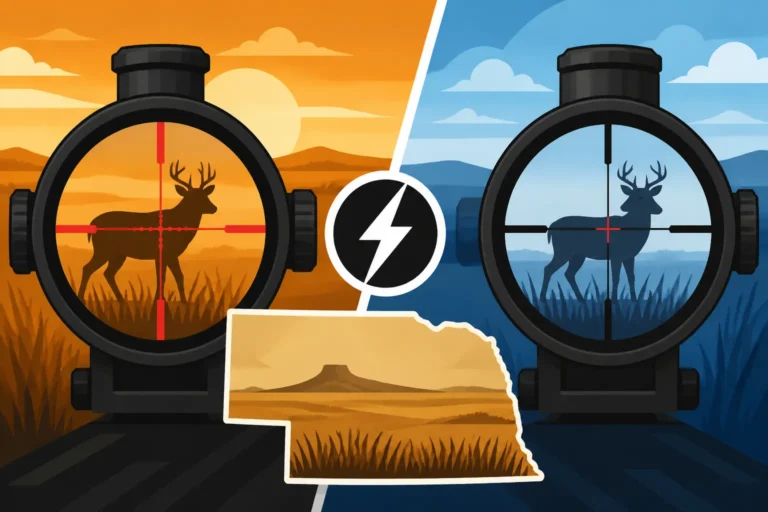
Unlike some states with muzzleloader restrictions, Nebraska generally allows scopes on muzzleloaders, and for December hunting, a quality scope can be a significant advantage. Low light conditions are common in winter, and a good scope with excellent light-gathering capabilities can extend your effective shooting hours and improve target acquisition. Look for scopes that are robust, waterproof, and fog-proof. Temperature fluctuations can quickly fog up cheaper optics, leaving you blind at a critical moment. When zeroing your muzzleloader, it’s crucial to do it in conditions that mimic your hunting environment. Extreme cold can sometimes cause a slight shift in a rifle's point of impact, so don't just zero on a warm fall day and expect it to be perfect in December. Practice shooting with gloves on to understand how your grip and trigger pull might change.
While scopes offer precision, some hunters prefer the added challenge and tradition of open sights. Fiber optic sights can be a good compromise, offering increased visibility in low light compared to traditional iron sights. They are less prone to fogging and mechanical failure than scopes, but they inherently limit your effective range. Whatever your choice, ensure your sights are clear, robust, and well-protected from bumps and scrapes. The goal is to maximize your ability to make an ethical shot under pressure, and that starts with clear, reliable aiming.
Slings, Carriers, and Field Maintenance Tools
A comfortable and durable sling is absolutely essential for a muzzleloader hunt in December. You'll likely be doing a fair amount of walking, whether still-hunting or tracking through snow, and carrying a heavy rifle in cold weather can quickly become a chore without a good sling. Look for one that's wide, padded, and made from a non-slip material that won't freeze or become brittle in the cold. A good sling allows you to keep your hands free for glassing, using trekking poles, or simply keeping them warm in your pockets.
Beyond the sling, consider how you'll carry your essential field maintenance tools. A small pouch or bag attached to your sling or pack should hold your cleaning jag, a few patches, bore butter or oil, and a short, rigid ramrod. You might need to clear a fouled barrel or address a misfire, and having these tools readily accessible, even with cold hands, is vital. Don't forget spare parts like an extra breech plug or a handful of extra primers. These small items can save a hunt.
Many hunters also find speed loaders indispensable. These compact tubes hold a pre-measured powder charge, sabot/bullet, and sometimes a primer, allowing for rapid and, crucially, dry reloading in the field. This is particularly important with a muzzleloader, as you only get one shot before needing to reload. Fumbling with individual components in freezing weather can be frustrating and even lead to missed opportunities. A well-organized field kit that’s easy to access and operate with cold, gloved hands is just as important as the muzzleloader itself.
Tactics for Muzzleloader Deer Hunting in December
Hunting deer with a muzzleloader in December isn't just about the right gear; it's about shifting your mindset and tactics to match the late-season challenges. Deer behavior changes dramatically after the rut and with the onset of deep winter. Understanding these shifts and adapting your approach is the key to success.
Locating Late-Season Food and Cover
By December, deer are no longer distracted by the rut. Their world revolves around two things: finding enough calories to survive the cold and finding thick cover to escape the wind and snow. This means your scouting efforts need to shift dramatically. Forget about those rub lines and scrapes you saw in October; now you're looking for survival hotspots. Focus intensely on identifying reliable Late-Season Food Sources in Nebraska. This often means standing crop fields – unharvested corn, milo, or even soybeans that might still be offering residual browse. Don't overlook winter wheat fields, or areas with persistent natural browse like honeysuckle or multiflora rose.
Equally important is identifying dense thermal cover. Deer will seek out the thickest cedar draws, dense river bottoms, overgrown shelterbelts, or even large CRP (Conservation Reserve Program) fields that offer a buffer from the biting wind and a place to bed down and conserve energy. They will use these areas not just for bedding, but also for travel corridors between bedding and feeding. Learning to read how deer utilize these areas, especially in relation to topography, is critical. High points might offer sun exposure, but low, sheltered pockets can be warmer. Using advanced mapping tools like GoHunt's platform can really help you pinpoint these critical areas before you even step foot in the woods, highlighting topography, historical crop data, and cover types.
Your scouting should focus on finding the pinch points, funnels, and natural travel corridors that connect these essential food and cover areas. Deer will often take the path of least resistance, especially when conserving energy, so identifying these routes will be vital. Fresh tracks leading into and out of these areas, or heavily browsed vegetation, are clear indicators you're in the right spot.
Still-Hunting and Tracking in Snow
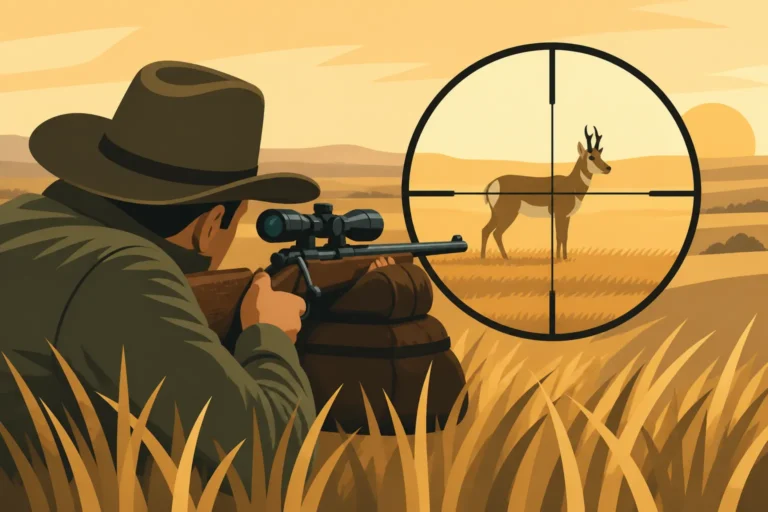
Snow in December isn't just a picturesque backdrop; it's one of your most valuable hunting tools. A fresh blanket of snow silences the woods, making your movements quieter, and more importantly, it provides a pristine canvas for deer tracks. This makes still-hunting and tracking incredibly effective tactics for muzzleloader season. Still-hunting involves moving incredibly slowly, pausing frequently to glass ahead and listen. You're not just walking; you're observing, anticipating, and trying to spot deer before they spot you.
When tracking, focus on fresh sign. How deep are the tracks? Is there snow kicked up at the edges? Are there dewclaws showing (indicating a heavier animal or deeper snow)? Pay attention to the stride – a long, even stride suggests a relaxed animal, while a shorter, choppy stride might mean an alert deer. Identifying the sex of the deer from tracks can be challenging, but larger, heavier tracks are generally those of bigger animals, potentially bucks. The key to successful tracking is patience and persistence. Follow every turn, scan ahead constantly, and be prepared for the deer to double back or circle into heavy cover. For a deeper dive into these late-season techniques, including reading sign, refer to Nebraska Muzzleloader Deer Tactics in December.
With a muzzleloader, you get one shot, so making it count is paramount. This means you need to get closer to your target than you might with a modern rifle. Still-hunting and tracking are excellent ways to close that distance, allowing for a more controlled, ethical shot. Always aim for the vitals, and ensure you have a clear, unobstructed shot before you pull the trigger. There's no room for guessing in muzzleloader hunting, especially in the cold when a wounded animal can be even harder to recover.
Stand Placement and Cold Weather Strategy
While still-hunting is excellent, sometimes a well-placed stand is still your best bet, especially if you've identified a consistent travel corridor or a prime feeding area. For December, ground blinds can be particularly effective. They offer excellent concealment and, crucially, a break from the brutal wind. Make sure your ground blind is brushed in thoroughly and anchored securely against Nebraska’s notorious winds. For more open country, a hub-style blind can be invaluable. If you prefer treestands, choose one that offers good cover and is positioned downwind of expected deer movement. Remember, deer will be extremely wary in late season, and any sign of human presence can send them packing.
Your cold weather sitting strategy is paramount to success. Cold Weather Sitting Strategy details how to maintain your body heat during those long, frigid waits. Wind direction is always important, but in December, it's absolutely critical. Deer will almost always bed with the wind at their back, allowing them to detect danger from both directions. When setting up, position yourself so your scent is carried away from their suspected bedding and feeding areas.
Finally, your entry and exit routes must be meticulously planned. Avoid walking through bedding areas or disturbing food sources when going to and from your stand. The goal is to be a ghost in the woods, leaving as little trace as possible. Longer sits are often necessary in December, as deer might move less frequently. This means you need to be mentally and physically prepared for hours in the cold, remaining still and observant. The deer are focused on survival, and so must you be focused on outsmarting them.
Understanding Nebraska's Muzzleloader Regulations
Navigating hunting regulations can sometimes feel like trying to solve a puzzle, but knowing the rules for Nebraska's muzzleloader season is vital. Not only does it keep you on the right side of the law, but it also ensures you're maximizing your hunting opportunities.
Permit Requirements and Purchase
Nebraska offers specific muzzleloader permits that open up opportunities beyond the general firearm season. These permits can sometimes be less competitive than those for the November rifle season, offering a great chance to secure a deer tag. You'll typically find both statewide muzzleloader tags and unit-specific permits. It's crucial to understand the nuances of each. Statewide tags offer more flexibility, allowing you to hunt across multiple units, while unit-specific permits are tied to a particular deer management unit. The availability of these permits can vary, so it's always best to check the Nebraska Game and Parks Commission website well in advance. For a general overview of the permit system, Nebraska Big Game Permits and How to Get One is a helpful resource, and specifically for muzzleloaders, refer to Nebraska Muzzleloader Deer Permits.
It’s important to note that nonresident muzzleloader permits can be very popular and sometimes sell out quickly, so don't delay if you plan to hunt from out of state. Residents usually have more options. Online platforms like GoHunt can be incredibly useful for staying on top of application periods, draw odds (if applicable), and over-the-counter availability, helping you strategize your permit acquisition.
Beyond the deer permit itself, remember that you'll also need a valid Nebraska annual hunting permit and a Nebraska Habitat Stamp. These are standard requirements for nearly all hunting in the state and contribute directly to conservation efforts. Don't let a small detail like forgetting a stamp derail your well-planned hunt. Always double-check all necessary licenses and permits before heading afield.
Legalities of Muzzleloader Use
Nebraska has specific definitions for what constitutes a legal muzzleloader for deer hunting. Generally, this means a rifle that is loaded from the muzzle, uses black powder or a black powder substitute, and has an exposed ignition system. The minimum caliber for deer is typically .44 caliber. While most modern in-line muzzleloaders easily meet these criteria, it's always wise to confirm the exact regulations, as they can sometimes change. This is especially true if you're using an older or less common model.
In terms of projectiles, both saboted and conical bullets are generally allowed. There typically aren't specific restrictions on bullet materials, but it's always a good idea to consider non-toxic options if you're hunting in areas where lead might be a concern. When it comes to optics, as mentioned earlier, scopes are typically permitted during Nebraska's muzzleloader season, offering a distinct advantage for accuracy and low-light performance. However, always verify that there aren't any specific restrictions on magnified optics in certain units or during specific seasons, though this is less common for muzzleloaders. For comprehensive information on what constitutes Legal Firearms for Nebraska Deer, it's best to consult the official regulations.
One common question revolves around blaze orange requirements. During the December muzzleloader season, if you're hunting in an area or during a time that overlaps with other firearm seasons (which is less common in December but can happen for specific antlerless hunts), you may be required to wear blaze orange. However, for most of the dedicated December muzzleloader season, orange is not required by law, though wearing it for safety is always a good practice, especially on public land. Always check the current year's hunting guide for the most up-to-date and specific regulations.
Ethical Considerations and Safety
Hunting with a muzzleloader brings a unique set of ethical considerations, particularly due to its single-shot nature. With only one shot at your disposal, the importance of positive target identification and a clean, ethical shot cannot be overstated. In the low light and potentially obscured visibility of a December woods, take extra time to ensure you're shooting at a legal deer and that you have a clear path to the vitals. Never take a shot you're not confident in. Practicing extensively at the range will build this confidence.
Safety, as always, is paramount. Handling black powder and its substitutes requires care. Always follow the manufacturer's instructions for loading and storage. Never overload your muzzleloader, and be mindful of proper storage to prevent accidental ignition. Ensure your firearm is unloaded and safe when not actively hunting. Always treat every muzzleloader as if it were loaded, keep the muzzle pointed in a safe direction, and be absolutely sure of your target and what's beyond it.
Finally, while it might be tempting to carry a modern handgun as a backup, it's generally not allowed during specific muzzleloader seasons. Your muzzleloader is your primary and only legal firearm for deer during this period. Understanding and respecting these regulations ensures a safe, legal, and ethical hunting experience for everyone in the Nebraska outdoors.
Surviving and Thriving in December's Chill
Nebraska winters are no joke. The cold, wind, and snow can quickly turn a memorable hunt into a miserable ordeal if you're not properly prepared. Beyond your muzzleloader, your clothing and personal gear are your frontline defense against the elements. Staying warm and comfortable isn't just about enjoyment; it's about safety and maintaining the focus needed for a successful hunt.
Layering for Extreme Cold and Wind
The key to enduring Nebraska's December chill is effective layering. Forget about bulky, single-layer coats; the secret lies in multiple, adaptable layers that you can add or remove as conditions change. Start with a good base layer: something that wicks moisture away from your skin, like merino wool or synthetic performance fabrics. Cotton is your enemy in cold weather, as it absorbs sweat and loses all insulating properties when wet, making you dangerously cold.
Next comes your mid-layers. These are your insulation workhorses. Fleece, down, or high-loft synthetic jackets and pants are excellent choices. Their job is to trap warm air and provide warmth. Again, focus on materials that retain warmth even if they get damp. For your outer layer, you need a windproof and waterproof shell. This layer protects you from the biting Nebraska wind and any precipitation. It should be durable enough to withstand brush and briars, and quiet enough not to spook deer. Check out Clothing for Nebraska Wind and Cold for more specific advice.
Don't forget your extremities. A good insulated hat is non-negotiable, as you lose a significant amount of body heat through your head. A neck gaiter or balaclava can protect your face and neck from windburn and frostbite. For your hands, a system of thin, shooting gloves combined with thick, insulated mittens or "flip-top" mitts allows you to maintain dexterity when needed, while still keeping your hands toasty warm during long waits. Always bring more layers than you think you'll need; it's easier to shed a layer than to conjure one from thin air.
Footwear and Hand Protection
Your feet are your foundation, and cold, wet feet will ruin a hunt faster than anything. Invest in high-quality, insulated, and absolutely waterproof boots. Look for boots with at least 800-1000 grams of Thinsulate (or an equivalent synthetic insulation) and a reliable waterproof membrane. They should be comfortable for walking, but also robust enough to keep your feet dry when trudging through snow, slush, or even shallow water. Pay close attention to the fit; too tight, and circulation will be cut off, leading to cold feet; too loose, and you'll get blisters. For more on this, consider Insulated Boots for a Firearm Season Sit or Boots for Walking Nebraska Grass and Sand.
Socks are just as important as boots. Layering a thin, wicking liner sock under a thick, warm wool or synthetic sock is often the best strategy. The liner helps prevent blisters and wicks moisture, while the outer sock provides insulation. Always bring an extra pair of dry socks to change into halfway through the day or back at the truck; a fresh pair can feel like a miracle.
For hand protection, a system is again key. You'll want a thin, form-fitting glove that allows you to feel the trigger and operate your muzzleloader's controls. Over these, wear a pair of thick, insulated mittens or a "mitt-within-a-glove" system. Mittens are generally warmer than gloves because they allow your fingers to share warmth. Keep chemical hand warmers in your pockets or inside your mittens for extra warmth on bitterly cold days. Remember, your hands are crucial for reloading and shooting, so keeping them functional is paramount.
Essential Cold Weather Comforts
Beyond your primary clothing, a few additional items can significantly boost your comfort and endurance in the December cold. A good thermos filled with hot coffee, tea, or cocoa can provide a much-needed internal warm-up and morale boost during a long, cold sit. High-calorie snacks like trail mix, energy bars, or jerky are also vital for keeping your energy levels up and fueling your body's internal furnace.
Portable heating pads or body warmers are fantastic for extending your time on stand. Place them in your pockets, inside your vest, or even under your seat for radiating warmth. If you're using a ground blind or sitting on the ground, an insulated seat cushion is an absolute must. It prevents heat loss to the frozen ground and makes those long waits far more tolerable.
Finally, remember to stay hydrated, even though you might not feel as thirsty in cold weather. Dehydration can lead to fatigue, reduced mental clarity, and an increased risk of hypothermia. Carry water in an insulated container to prevent it from freezing. By paying attention to these creature comforts, you're not just making the hunt more enjoyable; you're increasing your ability to stay focused, alert, and ultimately, successful in Nebraska's challenging December muzzleloader season.
Disclaimer
This article is for general informational purposes only and does not constitute professional advice. Laws, prices and regulations vary by location and change over time. Consult a qualified professional for guidance on your specific situation.