Hunting Near Broken Bow
Hunting in a new area can be daunting, especially when you're looking for public access or trying to understand the lay of the land in a region known for its vast private holdings. If you're eyeing the Broken Bow area of Nebraska for your next adventure, you're likely wondering what opportunities lie beyond the endless corn and rolling hills. This guide will walk you through what to expect when chasing game near Broken Bow, highlighting accessible areas, the species you'll encounter, and practical advice to make your hunt a success.
Exploring the Hunting Opportunities Near Broken Bow
Broken Bow, nestled in the heart of Nebraska, represents a fascinating blend of the Sandhills and the transitional zones that bridge them with agricultural lands. This unique geographical position means a diverse array of hunting opportunities for those willing to do their homework and lace up their boots. While some might picture only flat cornfields when they think of Nebraska, the landscape around Broken Bow offers much more, from deeply incised river bottoms to expansive, undulating grasslands. It's a place where hunters can chase big game like deer, but also enjoy excellent upland bird hunting.
The Landscape and Its Game
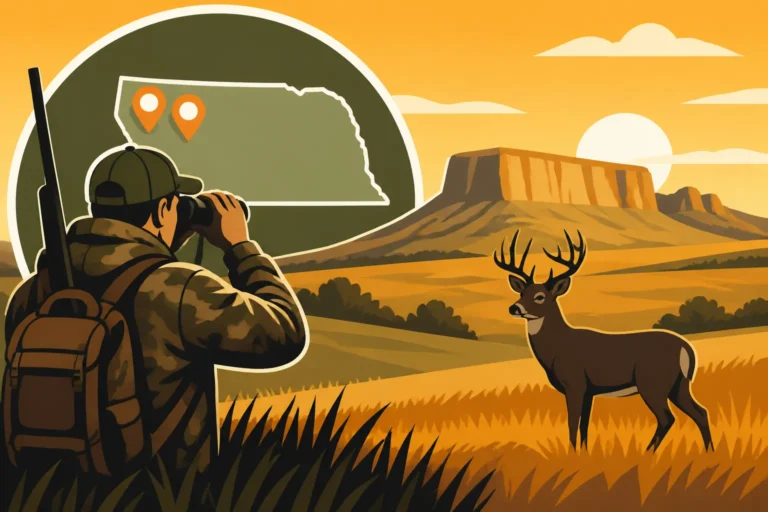
The dominant feature of the region around Broken Bow is undoubtedly the Sandhills. These aren't just barren dunes; they're stabilized grasslands, often dotted with subirrigated meadows, small wetlands, and occasional timbered draws, especially along rivers. The Loup River system, for instance, provides vital riparian habitat with cottonwoods and brush that stand in stark contrast to the open prairie. This mix creates incredible biodiversity. Whitetail deer thrive in the river bottoms and along agricultural edges, seeking cover in the dense growth. Mule deer, typically associated with the more rugged terrain of the panhandle, also make a strong showing in the open, broken country of the Sandhills, often found utilizing blowouts and cedar draws for bedding. When you're glassing the hills, don't be surprised to spot the distinct jump-and-stot of a mule deer.
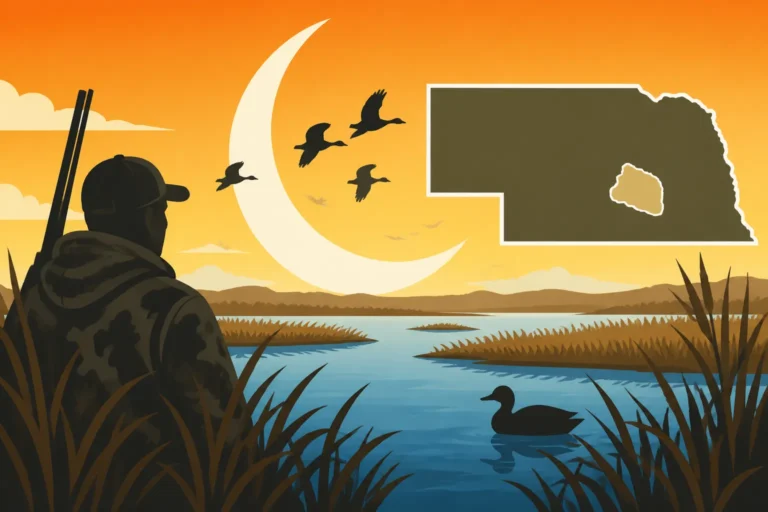
Beyond deer, the Sandhills are renowned for their upland bird populations. Greater Prairie-Chickens and Sharptails in Nebraska call these grasslands home, offering unique hunting experiences for those who love to walk. Pheasants also find suitable habitat where the Sandhills meet irrigated crop fields or where dense cover provides protection from winter winds. Waterfowl can be found on the numerous small lakes, ponds, and streams throughout the region, though prime waterfowl spots might require a bit more specific scouting. Understanding this varied landscape is the first step to unlocking its hunting potential, realizing that different habitats hold different treasures.
Key Species to Target Around Broken Bow
When planning a hunt near Broken Bow, a few species typically rise to the top of every hunter's list. Deer, both whitetail and mule deer, are a major draw. The whitetail population tends to be robust along the river corridors and in the pockets of timber and brush that break up the agricultural landscape. They utilize the abundant food sources provided by crop fields, retreating to thick cover during the day. Mule deer, on the other hand, are more at home in the expansive Sandhills. They are often found in the wide-open spaces, using subtle topography for concealment, making them a fantastic challenge for spot-and-stalk hunters. If you're after deer, knowing which species you're targeting can greatly influence where you focus your efforts.
Upland birds are another significant attraction. The region is home to good populations of ring-necked pheasants, sharp-tailed grouse, and even some bobwhite quail in the eastern parts of the Sandhills transition zone. Pheasants will often be found in cover adjacent to corn, milo, or soybean fields, as well as in CRP (Conservation Reserve Program) grasses. Sharptails and prairie chickens, however, prefer the native grasslands, often flushing from short-to-medium height prairie grasses. The beauty of hunting these birds in the Sandhills is the vastness of the landscape and the rewarding challenge of walking it. For a hunter with a good bird dog, this can be an incredibly memorable experience. Waterfowl, particularly ducks and geese, also utilize the many small bodies of water and agricultural fields in the region, especially during migration, but dedicated waterfowl hunting might require seeking out specific wet areas or larger river systems.
Public Access Points and How to Find Them
One of the biggest hurdles for hunters, especially non-residents or those unfamiliar with a particular area, is finding legal and accessible hunting ground. Nebraska has a significant amount of private land, but also offers excellent public access programs and lands if you know where to look. Around Broken Bow, the key is to be diligent with your map research and understand how the state's access programs function. Don't assume that public land will be immediately obvious or clearly marked from main roads; sometimes the best spots require a bit of extra effort to find and reach.
Wildlife Management Areas in the Vicinity
While Broken Bow itself isn't surrounded by massive tracts of federal land, there are certainly Nebraska Wildlife Management Areas (WMAs) in the broader central Nebraska region that provide public hunting opportunities. These WMAs are managed by the Nebraska Game and Parks Commission and are specifically designated for wildlife habitat and public recreation, including hunting. The types of habitat on WMAs can vary widely, from river-bottom timber to wetland complexes to upland grass and cedar breaks. It's crucial to consult the Nebraska Game and Parks Commission website or The Nebraska Public Access Atlas to pinpoint the exact locations and boundaries of WMAs near Broken Bow. These areas often support healthy populations of deer, pheasants, and other small game. Always check the specific regulations for each WMA, as rules regarding vehicle access, blinds, and camping can differ.
One common frustration is that WMAs can be fragmented or smaller in size, requiring hunters to stitch together multiple spots or focus on smaller parcels. This isn't necessarily a bad thing; smaller, less obvious WMAs can sometimes hold overlooked game simply because they don't draw the same crowds as larger, more well-known areas. Be prepared to walk, scout thoroughly, and be flexible with your plans. A quick look at the atlas often reveals a few within a reasonable drive, especially along the Loup River system or tucked into the Sandhills.
Open Fields and Waters Program
Beyond the traditional WMAs, Nebraska offers an incredible program for public access called Nebraska's Open Fields and Waters Program. This initiative partners with private landowners to open their property to public hunting and fishing access. These tracts are often strategically located to provide access to valuable habitat for deer, pheasants, waterfowl, and other species. For hunters looking to find ground near Broken Bow, the Open Fields and Waters (OFW) program is an absolute game-changer. The types of enrolled lands can range from crop stubble fields and dense CRP cover to river access points and Sandhills pastures.
The beauty of OFW is its dynamic nature; new tracts are added, and others might be removed on an annual basis. This means your best friend for hunting in the Broken Bow area will be the most current Public Access Atlas. This atlas, available digitally and often in print, clearly shows all OFW properties, their boundaries, and the specific rules for each tract. For instance, some might be "walk-in only," meaning you'll need to leave your vehicle at a designated parking area and proceed on foot, which is often a fantastic way to get away from pressure. It’s important to always respect the posted rules and landowner boundaries on OFW tracts, as the continuation of the program relies on positive hunter-landowner relationships. This program greatly expands the options for hunters in areas like Broken Bow where private land dominates.
Navigating with Digital Tools
In today's hunting world, digital mapping tools are no longer a luxury but a necessity, especially when hunting near Broken Bow where property boundaries can be complex and public land pockets can be elusive. Tools like onX Hunt are absolutely invaluable for navigating public and private lands. You can overlay different map layers, including public lands, private landowner names, and even different types of habitat. This allows you to quickly identify Open Fields and Waters tracts, WMAs, and even small pieces of School Trust Land that might offer hunting access.
Before you even leave home, you can use onX Hunt to virtually scout areas, identifying potential entry and exit routes, bedding areas, and feeding zones. In the field, its GPS capabilities allow you to know exactly where you stand in relation to property lines, preventing accidental trespass – a critical concern in a mixed private/public landscape. For those looking at broader planning or even drawing applications, resources like GoHunt can provide detailed unit information, draw odds, and scouting resources that help you choose which deer management unit or area might offer the best chance for success. Combining these digital tools with the official Public Access Atlas gives you the most comprehensive picture for hunting around Broken Bow, letting you spend more time hunting and less time guessing.
Strategies for a Successful Hunt in Central Nebraska
Hunting in central Nebraska, particularly in and around the Broken Bow area, presents its own set of challenges and rewards. The landscape, while beautiful, can be deceptively tough, and the weather is notoriously unpredictable. Success often boils down to thorough preparation, adaptability, and a deep understanding of how local wildlife interacts with the environment. It's not just about showing up with a gun or bow; it's about connecting with the land and its creatures.
Scouting and Understanding Local Movement Patterns
Pre-season scouting is paramount, especially on public or Open Fields and Waters ground that might see significant pressure. While walking miles of Sandhills grassland might seem daunting, it's the best way to uncover hidden gems. Look for fresh deer tracks, rub lines, and scrapes along river bottoms or in timbered draws. For pheasants and grouse, identify areas with good cover like cattail sloughs, dense CRP fields, or brushy fence lines, especially those adjacent to food sources. You're looking for signs of active use, not just a place that "looks" good. Scouting Nebraska Public Ground Before Opening Day can give you a significant advantage. Even if you're traveling from a distance, using aerial maps on onX Hunt to identify pinch points, funnels, and potential travel corridors can be a great starting point for an efficient on-the-ground scout.
Understanding game movement patterns is equally crucial. Whitetail deer in river bottoms are often driven by food, water, and cover, moving between crop fields and thick riparian zones. Mule deer in the Sandhills might be more influenced by thermal cover and subtle terrain features, often bedding on leeward slopes during windy conditions or in deep blowouts. Pheasants will move into heavier cover during colder weather and seek out food in harvested fields. Paying attention to crop rotations, water sources, and prevailing winds will help you anticipate where game will be. Knowing Where Nebraska Whitetails Bed in Row-Crop Country or Where Mule Deer Feed at First Light can turn a speculative hunt into a strategic one.
Dealing with Weather and Terrain
Nebraska weather can be extreme and change quickly. Early season hunts might be surprisingly hot, requiring strategies for Field Dressing and Cooling Game in Warm Weather to prevent spoilage. Later in the fall, fierce winds are common, which means considering Wind Direction on Open Nebraska Prairie Stands and selecting hunting positions that offer some protection or allow you to use the wind to your advantage for scent control. A strong wind can also completely change bird behavior, making them hold tighter or flush wilder. Winter hunts, particularly for late-season antlerless deer or pheasants, can involve deep snow and bitter cold. Layering clothing is essential, and investing in good insulated boots is a must for staying comfortable during long sits or walks.
The terrain around Broken Bow can also be physically demanding. Walking the undulating Sandhills can be surprisingly strenuous, often involving soft sand that saps energy. River bottoms can be thick with brush, requiring tough brush pants and a willingness to push through heavy cover. If you plan on doing a lot of walking, especially for upland birds or spot-and-stalk mule deer, physical conditioning before your trip will pay dividends. Always carry enough water, especially in early season, and be aware of your surroundings; it's easy to get disoriented in seemingly endless hills. Consider bringing a robust vehicle with four-wheel drive if you plan to venture onto less-maintained county roads or two-tracks in the Sandhills. Getting Stuck in Sandhills Sand is a real possibility for the unprepared.
Ethical Considerations and Local Customs
Beyond the legal requirements for hunting, embracing ethical practices and respecting local customs is vital, especially when hunting in an area with a strong agricultural presence and a mix of public and private land. Always ensure you have the proper permits, including your annual hunt permit and a Nebraska Habitat Stamp. If hunting big game, make sure your specific deer permit or antelope permit is valid for the unit you are in. Understand Nebraska Trespass and Permission Law thoroughly. While Open Fields and Waters tracts provide access, they are still private property for which the landowner has graciously opened access. Treat these lands, and any private land where you gain permission, with the utmost respect. Close gates, don't litter, and avoid damaging crops or fences. A simple thank you to a landowner goes a long way.
Be mindful of other hunters, especially on popular public access areas. Plan your approach to avoid disturbing another hunter's setup, and communicate respectfully if you encounter others in the field. Leave no trace of your presence other than footprints. By being a responsible and considerate hunter, you not only uphold the integrity of the sport but also help ensure these valuable hunting opportunities continue for years to come.
Here's a quick reference for hunting opportunities near Broken Bow:
| Game Species | Typical Habitat Around Broken Bow | Common Hunting Methods | Key Considerations |
|---|---|---|---|
| White-tailed Deer | River bottoms (Loup River), timbered draws, agricultural field edges | Stand hunting, still-hunting, rattling/grunting | Focus on thick cover, food sources. Often overlap with private land. |
| Mule Deer | Open Sandhills, blowouts, cedar draws, broken terrain | Spot-and-stalk, still-hunting | Requires good optics and patience. Can cover vast distances. |
| Ring-necked Pheasant | CRP grass, milo/corn stubble, shelterbelts, cattail sloughs | Walking with dogs, blocking/driving | Often found where agriculture meets cover. Can be wary late season. |
| Sharp-tailed Grouse | Native Sandhills grasslands, rolling prairie | Walking with dogs, covering vast ground | Requires extensive walking. Look for subtle rises and open areas. |
| Ducks & Geese | Small Sandhills lakes, ponds, river sloughs, harvested fields | Decoying, jump shooting | Requires scouting for active water/food. Consider Decoy Spreads for Rainwater Basin Geese if near larger basins. |
Disclaimer
This article is for general informational purposes only and does not constitute professional advice. Laws, prices and regulations vary by location and change over time. Consult a qualified professional for guidance on your specific situation.