How Nebraska’s Archery Deer Season Overlaps the Rut
For many bowhunters in Nebraska, there's one timeframe that dominates their thoughts, fuels their dreams, and often leads to the most intense frustrations and exhilarating successes: the deer rut. Trying to time your precious vacation days or weekend excursions with the peak of this chaotic breeding period can feel like chasing a ghost, especially when you're limited to archery gear. But here's the good news: Nebraska's archery season actually offers a fantastic, often prolonged, overlap with the various stages of the rut, providing incredible opportunities if you know when and where to focus your efforts. This guide is all about helping you understand that crucial overlap and giving you the strategies to make the most of it.
Understanding Nebraska's Archery Deer Season Framework
Nebraska's archery deer season is wonderfully expansive, stretching from early September all the way into the end of the year, with a brief interruption during the November firearm season for bowhunters in certain units or without specific permits. This generous timeline means bowhunters have the chance to experience deer behavior across a wide spectrum, including the entire whitetail rut. However, the exact dates and regulations can vary, making it crucial to stay informed and plan your hunt accordingly.
Early Archery Opportunities and Pre-Rut Build-Up
The archery season in Nebraska typically kicks off on September 1st, offering hunters nearly two months before the major pre-rut activity really begins to heat up. While this early period often presents warmer weather and deer still on summer patterns, it’s a critical time for gathering intelligence. Bucks are often still in bachelor groups or moving predictably between bedding and consistent food sources, like alfalfa fields, soybean plots, or even early mast crops in river bottoms.
This is when you should be deep into your scouting, identifying key travel corridors, and monitoring trail camera activity. You're looking for those first subtle signs of bucks starting to get a little edgy, maybe a fresh rub here or there, or a solitary buck moving during daylight hours that was previously nocturnal. It’s not about hunting the rut yet, but rather setting the stage for it. You’re building a mental map of deer movement and identifying the bucks you want to target once they lose their minds. Knowing When Nebraska's Archery Deer Season Opens allows you to hit the ground running with your preseason preparations.
The October Transition and the First Signs of Seeking
As October rolls in, a noticeable shift occurs. Temperatures begin to drop, agricultural fields start to dry down or get harvested, and the deer's focus gradually moves from purely food-driven patterns to a growing interest in breeding. This is a fascinating time for bowhunters, as it marks the true beginning of the pre-rut. Bucks, now fully shed of their velvet and often looking sleek and hardened, start to become more aggressive. They'll lay down rubs and scrapes with increasing frequency, marking their territory and leaving scent for does.
While the full-blown chasing might still be a couple of weeks away, this period is fantastic for catching cruising bucks or those responding to light calling. Early morning and late evening hunts near traditional scrape lines or funnel points can be incredibly productive. You're trying to capitalize on the increasing buck movement as their testosterone levels surge and they begin to seek out the first does coming into estrus. This transitional phase is often overlooked by hunters who wait for the "peak," but it offers some of the most consistent and exciting bowhunting for big, mature bucks before the chaos truly erupts. Many experienced archers consider Hunting the Pre-Rut in Late October to be one of the most exciting times to be in the woods.
Decoding the Whitetail Rut in Nebraska
The whitetail rut is not a single event but a progression of distinct phases, each presenting unique challenges and opportunities for hunters. Understanding these phases and how they manifest in Nebraska is key to maximizing your success during the archery season overlap. While the exact timing can vary slightly from year to year due to weather, moon phase, and individual deer populations, the general progression remains consistent.
The Pre-Rut Phase: Seeking and Signaling
The pre-rut is often considered by many bowhunters to be the most exciting time to be in the woods. In Nebraska, this period typically ramps up in late October and extends into the first week or two of November. During this phase, bucks are primarily focused on two things: establishing dominance and finding the first does coming into estrus. You'll see an explosion of sign—new rubs on saplings and larger trees, and fresh scrape lines appearing along field edges, timber breaks, and travel corridors. Bucks are actively "checking" these scrapes, leaving their scent, and scent-checking does.
Behaviorally, bucks become more visible during daylight hours. They’ll be cruising, scent-checking doe bedding areas, and often traveling significant distances in search of receptive females. This is an excellent time for aggressive calling tactics like rattling and grunting, as bucks are often eager to confront rivals or investigate potential breeding opportunities. Knowing When the Whitetail Rut Peaks in Nebraska is useful for overall planning, but the pre-rut offers unique advantages to the bowhunter who enjoys the cat-and-mouse game.
The Peak Rut: Chaos and Courtship
The peak rut, often referred to as the "chase phase," typically occurs in mid-November in Nebraska. This is when the majority of does come into estrus, and bucks are completely consumed by breeding. Forget predictable patterns; during the peak rut, deer movement can seem utterly random and frenetic. Bucks will chase does relentlessly, often running them for miles, sometimes in open fields during broad daylight. This high-energy pursuit is what most hunters visualize when they think of the rut.
While it’s thrilling to witness, hunting during the peak rut can also be challenging for archers. Does often dictate the movement, and bucks are typically locked down with a doe in secluded cover for 24-48 hours. This makes them less responsive to calling and less likely to be found cruising. However, if you can locate a doe that is almost ready to breed, a buck is likely nearby. Targeting bedding areas, dense cover where does might be hiding, or natural funnels through which does are likely to be pushed, can be effective. Persistence is key during this period; staying in your stand all day can pay off, as deer can literally pop up anywhere at any time.
The Post-Rut: Recovery and Reluctance
As November transitions into December, the peak breeding activity begins to subside. This is the post-rut phase. Most does have been bred, and bucks are physically exhausted from weeks of relentless chasing, fighting, and minimal feeding. Their testosterone levels start to drop, and their primary focus shifts back to survival: finding food, recovering lost body weight, and seeking refuge in thick cover.
While you might still encounter a few late-estrus does that can pull a weary buck out of his recovery, the intense rutting behavior largely diminishes. Bucks become much warier again, often reverting to nocturnal movements or sticking to dense, secure bedding areas. This isn't to say success is impossible; late-season archery in December can still be productive, but the tactics need to shift. Hunters need to focus on primary food sources, thermal cover, and patience. The deer are tired, but they’re still deer, and they need to eat. This period demands a more strategic, less aggressive approach than the peak rut.
The Dynamic Overlap: Archery During Nebraska's Rut
This is where it gets exciting for bowhunters. Nebraska's archery season doesn't just touch on the rut; it encompasses substantial portions of it. From the thrilling build-up of the pre-rut to the frantic activity of the peak rut, and even into the early stages of the post-rut, archers have a front-row seat to the year's most dramatic deer behavior. This extensive overlap creates unique advantages but also introduces specific challenges that require careful planning and adaptability.
Key Dates of Intersection for Bowhunters
The sweet spot for Nebraska bowhunters looking to capitalize on the rut generally spans from the last week of October through the second or third week of November. This window often coincides directly with the most intense pre-rut and peak rut activity.
- Late October (Pre-Rut): This period sees bucks actively establishing dominance, checking scrapes, and beginning to seek out the first does in estrus. Archery season is wide open, offering fantastic opportunities to intercept cruising bucks.
- First Two Weeks of November (Peak Rut Potential): This is often when the peak rut occurs, bringing frenzied chasing. While Nebraska's nine-day firearm season typically runs during the second week of November, archers can still hunt during this time. However, specific blaze orange requirements apply for archers hunting during the November firearm season. Understanding Orange Requirements for Archers in November is non-negotiable for safety and legality. This brief period of high hunter pressure can make deer even more unpredictable, but also push them into areas they might normally avoid, creating new opportunities.
- Late November (Post-Rut/Recovery): After the firearm season concludes, and as Thanksgiving approaches, the peak rut usually begins to wane. However, "second-rut" activity from does that weren't bred in the first cycle can occur, offering some lingering chances for bowhunters to catch weary bucks.
This broad window gives archers ample time to scout, adapt, and hunt the various stages of the rut, providing a distinct advantage over hunters limited to shorter firearm seasons.
Advantages and Challenges of Rut Overlap
The extended rut overlap for Nebraska bowhunters is a double-edged sword, offering incredible advantages alongside specific challenges:
Advantages:
- Increased Buck Movement: During the pre-rut and peak rut, mature bucks that were largely nocturnal suddenly become much more active during daylight hours, dramatically increasing encounter rates for patient archers. They are driven by an instinctual urge to breed, making them less cautious and more susceptible to calling and decoying.
- Predictable Behavior (to a point): While "predictable" is a loose term during the rut, bucks will actively use pinch points, funnels, and traditional travel corridors between doe bedding and feeding areas. If you've scouted well, you can often anticipate where a buck might cruise.
- Calling Effectiveness: The rut is prime time for calling. Grunts, bleats, and rattling sequences can pull a curious or aggressive buck into bow range. This allows hunters to actively engage with deer rather than simply waiting for them to appear.
- Targeting Specific Bucks: If you've identified a specific buck through trail cameras or previous encounters, the rut provides the best chance to intercept him as he abandons his usual patterns in pursuit of does.
Challenges:
- Unpredictability: While movement increases, deer behavior can still be highly erratic. A buck might be locked down with a doe for a day or two, making him impossible to find, only to suddenly reappear miles away.
- Hunter Pressure: The mid-November firearm season creates a significant challenge. Even if you're bowhunting, the sheer volume of hunters in the field can push deer, change their patterns, and make them incredibly wary. You'll need strategies to adapt to this. Bowhunting During Nebraska's November Firearm Season requires extra diligence.
- Weather Variability: November in Nebraska can bring anything from mild, sunny days to bitter cold, high winds, and early snow. Dressing appropriately and being prepared for rapid weather changes is crucial for all-day sits.
- Scent Control: With deer constantly on the move and scent-checking, impeccable scent control becomes even more paramount. A single puff of bad wind can send a hot buck scurrying.
Successfully navigating this overlap means embracing the advantages while mitigating the challenges through smart strategy and persistent effort.
Effective Archery Tactics for Rut Overlap
Harnessing the power of the rut in Nebraska with a bow requires more than just being in the woods; it demands a tactical approach that leverages deer behavior during this unique time. You'll need to adapt your strategies from the early season, focusing on aggressive calling, precise stand placement, and unwavering commitment.
Aggressive Calling and Decoying Strategies
During the pre-rut and peak rut, deer are incredibly vocal and responsive to sound. This is your cue to get aggressive with your calling.
- Grunts and Bleats: A simple fawn bleat can sometimes stop a cruising buck dead in his tracks, thinking he's found a lost fawn, or a doe bleat can draw him in expecting a receptive female. Aggressive buck grunts, especially when paired with rattling, can challenge a territorial buck or pique the curiosity of a subordinate one. Experiment with different tones and volumes; sometimes a soft, pleading bleat is all it takes, while other times a loud, excited grunt sequence is needed to get attention.
- Rattling Sequences: Rattling works exceptionally well during the pre-rut when bucks are still establishing their dominance and haven't fully committed to breeding. Start with a short, light sequence, then build to a more aggressive, longer crash if you don't get a response. Follow up with grunts and give it time. Bucks might hang up just out of sight, trying to pinpoint the source of the sound before committing. For successful Rattling and Grunting in Nebraska's Rut, remember that in open country, your rattling volume might need to be higher to carry across the plains.
- Decoys: Using a buck or doe decoy can be incredibly effective, especially when paired with calling. A buck decoy can draw in an aggressive rival, while a doe decoy can lure a searching buck right into bow range. Position your decoy to present a quartering-away shot opportunity for the deer approaching it. Always consider the wind direction carefully to ensure your scent isn't carried towards the approaching deer before they reach the decoy. Remember that deer are often looking for interaction, and a visual cue can be the final piece of the puzzle to draw them in. For a detailed look into Decoying a Nebraska Whitetail Buck, consider the subtle cues of body language you want to present.
Strategic Stand Placement for Rutting Bucks
During the rut, deer movement shifts from predictable feeding patterns to more frenetic, breeding-driven travel. Your stand placement needs to reflect this change, focusing on areas that funnel deer or serve as critical intersections.
- Funnels and Pinch Points: These are natural constrictions in the landscape that force deer into a narrower travel path. Think about areas where thick cover meets open fields, where two timber lines converge, or where a creek crossing restricts movement. These are prime ambush points where bucks will often cruise while scent-checking for does.
- Doe Bedding Areas: While bucks might be locked down with a doe, other bucks are still searching. Setting up downwind of known doe bedding areas, especially those with good escape cover, can pay dividends. Bucks will often circle these areas, looking for receptive females.
- Travel Corridors and Transition Lines: Identify routes that deer use to move between different types of cover—for example, from a cedar draw to a river bottom, or from a shelterbelt to a cornfield. Bucks will often use these transition lines to minimize their visibility while maximizing their travel efficiency.
- Setting Up on a Terrace Bench: In rolling terrain common in many parts of Nebraska, deer will often follow terrace benches that offer both cover and an easier path of travel. These can be excellent spots to intercept a buck cruising for does.
- All-Day Sits: During the peak rut, bucks can move at any time of day. Committing to an all-day sit, especially in a high-traffic area, significantly increases your odds. Pack enough food, water, and warm layers to stay comfortable and vigilant from dawn till dusk. When Choosing a Treestand Site on Nebraska Farmland, consider how these funnels might be affected by hunting pressure.
The Critical Role of Scent Control and Wind Awareness
Even during the rut, when deer are seemingly less cautious, their nose remains their primary defense. Neglecting scent control or misjudging the wind will quickly ruin your hunt, especially when you're trying to coax a buck into bow range.
- Meticulous Scent Control: This goes beyond just spraying down. It means washing your hunting clothes in scent-free detergent, storing them in airtight containers, showering with scent-free soap, and minimizing human odor transfer from your vehicle, gear, and skin. Pay attention to your breath and any food odors.
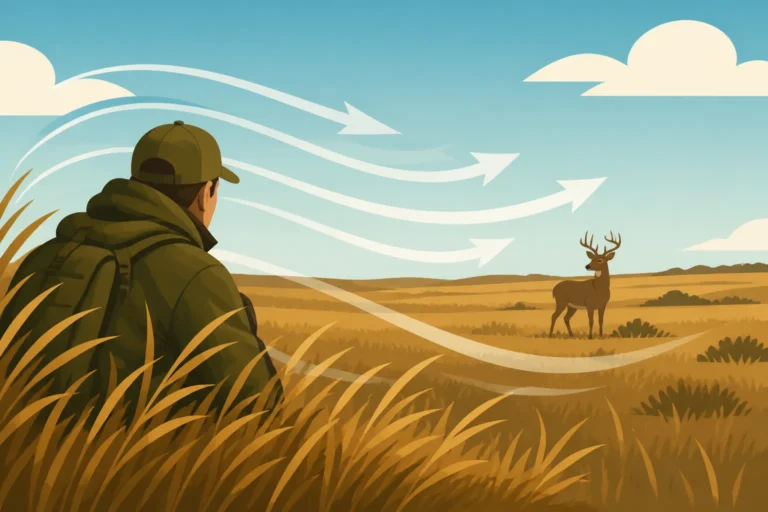
- Play the Wind, Always: The wind is your ultimate hunting partner or your worst enemy. Never, ever hunt a stand if the wind isn't right. During the rut, bucks are constantly scent-checking, and they'll often circle downwind of a call or scrape. You need to position yourself so that your scent blows away from where you expect deer to approach. This might mean having multiple stand locations for different wind directions, or being prepared to move to a ground blind if the wind shifts unexpectedly. Understanding Wind Direction on Open Nebraska Prairie Stands is paramount, as thermals and wide-open spaces can make wind currents notoriously tricky.
- GoHunt's Role in Planning: This is where a robust planning tool like GoHunt can be invaluable. Use its mapping capabilities to identify potential funnels, bedding areas, and precise stand locations relative to prevailing wind directions. You can mark multiple entry and exit routes for different winds, ensuring you can get to your stand without blowing deer out and optimizing your scent cone for any given hunting day.
Navigating Hunter Pressure and Public Land During the Rut
Hunting the rut on public ground, or even pressured private land, in Nebraska adds another layer of complexity. The excitement of the rut often draws out more hunters, which can change deer behavior significantly. Understanding how to adapt to this pressure is crucial for success.
Public Land Considerations and Tactics
Public lands in Nebraska, from Wildlife Management Areas (WMAs) to Open Fields and Waters (OFW) tracts, offer incredible opportunities, but they also typically see higher hunter traffic, especially during the rut.
- Scouting is Paramount: Before the season, spend extensive time scouting public areas. Look for overlooked pockets of cover, thick transition zones, or areas that are harder to access and therefore less pressured. These can be small cedar thickets, brushy draws, or isolated islands of timber within larger tracts. For comprehensive guidance, refer to Scouting Nebraska Public Ground Before Opening Day.
- Embrace the Walk-In: Most hunters won't walk more than a quarter or half-mile from their vehicle. If you're willing to go deeper, especially into difficult terrain like the Nebraska Sandhills or dense river bottoms, you significantly increase your chances of finding unpressured deer. Use satellite imagery, perhaps with mapping layers from GoHunt, to identify those hidden sanctuaries and plan your arduous entry and exit routes.
- Hunt Mid-Week: If your schedule allows, hunting public ground during weekdays can drastically reduce the competition compared to bustling weekends.
- Utilize Terrain: Look for depressions, creek beds, and natural low spots that offer thermal cover and act as travel routes for deer avoiding open areas. In the Sandhills, for instance, a buck might use a series of blowouts to travel undetected.
- Ground Blinds: While treestands are effective, a well-brushed-in ground blind can be less intrusive and offer more flexibility, especially in areas with limited suitable trees or heavy pressure. Many public lands allow temporary ground blinds, but check specific WMA rules.
Private Land Access and Rut Strategies
Gaining access to private land can dramatically reduce hunter pressure and increase your chances of encountering unpressured rutting bucks. However, it requires effort and respect.
- Building Relationships: Start early, well before the season. Knock on doors, introduce yourself, and offer to help with chores. Many landowners are more receptive to responsible hunters who show respect and a willingness to lend a hand. Understanding Asking a Nebraska Farmer for Permission is crucial for successful outreach.
- Respect Boundaries and Rules: Once you have permission, adhere strictly to any conditions the landowner sets. This builds trust and ensures future access. Leave gates as you found them, avoid driving in wet fields, and share your harvest if appropriate.
- Leverage Knowledge: Private land often has consistent food sources and bedding areas. Combine your scouting efforts with the landowner's knowledge of deer movement to identify high-potential rut locations. They might know about specific pinch points or a "honey-do" list of problem deer.
- Exclusive Access: With less pressure, deer patterns on private land during the rut can be more consistent. Bucks might be less wary of cruising during daylight hours, making calling and decoying tactics even more effective. You can often make more aggressive setups without worrying about other hunters blowing out the area.
Adapting to Firearm Season Interference
The most significant challenge for archery hunters during the rut in Nebraska is the nine-day November firearm season. Even if you hold an archery permit, the landscape changes drastically.
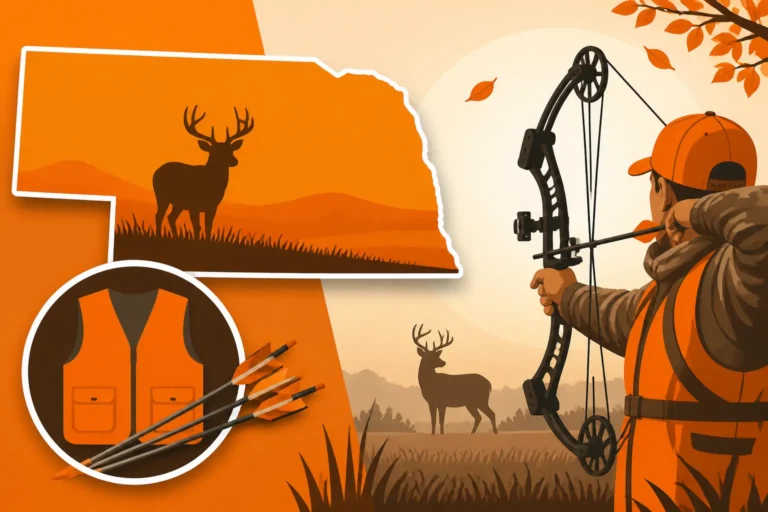
- Blaze Orange is Mandatory: If you're hunting during the November firearm season, you must adhere to blaze orange requirements, even as an archer. This means at least 400 square inches of blaze orange, with a minimum of 200 square inches visible from the front and 200 square inches from the back. This isn't just a legal requirement; it's a critical safety measure.
- Shifting Deer Behavior: Deer become incredibly nocturnal and seek out the thickest, nastiest cover during the firearm season. They'll gravitate towards areas with less pressure, often using small, overlooked pockets of timber, deep draws, or dense CRP fields as sanctuaries.
- Adjusting Tactics: Instead of aggressively calling, consider still-hunting very slowly through heavy cover, or sitting on pinch points bordering thick refuge areas. Deer might be pushed by rifle hunters into areas they wouldn't normally frequent. Knowing Bowhunting During Nebraska's November Firearm Season helps you understand the nuances.
- Post-Firearm Season Opportunity: The days immediately following the firearm season can be fantastic for archers. Deer start to relax a bit, but bucks are often still in rutting mode, or a second rut might be kicking in. They're also extremely hungry and focused on food sources after being pressured, creating a unique opportunity for patient bowhunters.
| Rut Phase | Typical Timing in Nebraska | Archery Tactics Focus | Key Deer Behavior |
|---|---|---|---|
| Pre-Rut | Late October – Early November | Aggressive calling, rattling, active scouting | Bucks seeking, establishing dominance, making scrapes/rubs |
| Peak Rut | Mid-November (overlaps firearm season) | All-day sits, targeting funnels/doe bedding, decoying | Intense chasing, breeding, unpredictable movement |
| Post-Rut/Second Rut | Late November – Early December | Focus on food sources, thermal cover, less calling | Bucks recovering, wary, seeking late-estrus does |
Disclaimer
Hunting is an inherently dangerous activity. Always prioritize safety, adhere to all Nebraska Game and Parks Commission regulations, and obtain appropriate permits and licenses before heading into the field. This guide is for informational purposes only and does not supersede official hunting regulations. Be respectful of landowners and other hunters, and practice ethical hunting at all times.