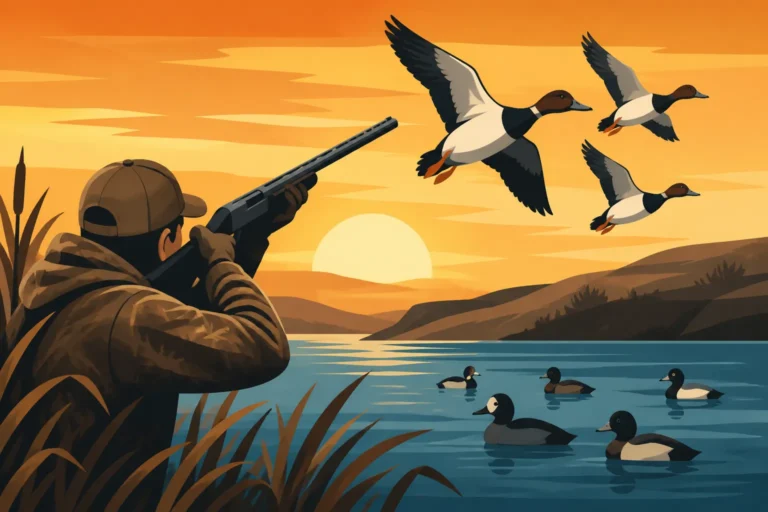
When Ducks Migrate Through Nebraska
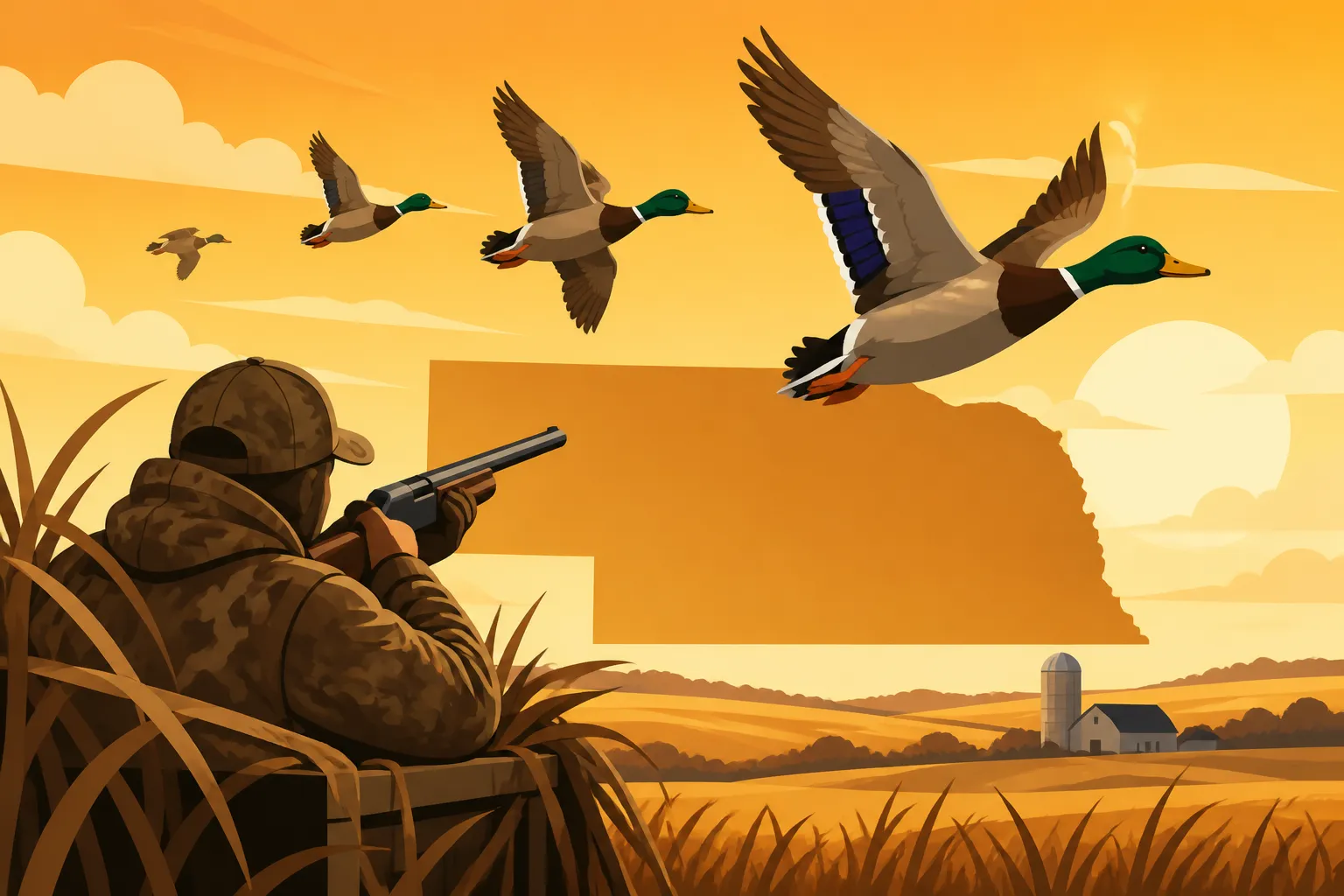
For duck hunters in Nebraska, few questions loom larger than "When will the ducks actually get here?" It's a perennial frustration, watching those early season dates tick by with little more than local birds, feeling like you're missing the big push. Understanding the nuances of waterfowl migration through our state isn't just about looking at a calendar; it's about connecting weather, food, and instinct to predict those waves of birds. This guide aims to pull back the curtain on the complex dance of duck migration across Nebraska, helping you anticipate those prime hunting opportunities.
Understanding Nebraska's Place in the Central Flyway
Nebraska sits squarely in the heart of the Central Flyway, a critical avian superhighway that funnels millions of ducks and geese from their northern breeding grounds down to warmer wintering areas in the south. This isn't just a dotted line on a map; it's a living, breathing corridor of wetlands, rivers, and agricultural fields that provide essential rest stops and fuel for migrating birds. For hunters, being in the Central Flyway means we're in a prime position to intercept a vast array of waterfowl species as they move through.
The Central Flyway's Importance
Think of the Central Flyway as an aerial interstate system for birds. It stretches from the Arctic Circle down to the Gulf Coast of Texas and Louisiana, with Nebraska serving as a crucial junction box right in the middle. Birds funnel from Alberta, Saskatchewan, and Manitoba through North Dakota and South Dakota, eventually hitting our state. This geographical advantage means that with the right conditions, our state can hold impressive numbers of ducks. We're not just getting a few stragglers; we're often seeing the main event for many species. Waterfowl of the Central Flyway in Nebraska details the sheer scale of this movement and how important our state is to it.
The importance of the Central Flyway to Nebraska's duck hunting cannot be overstated. Without this migratory pathway, our seasons would be limited to local birds, offering a fraction of the diversity and numbers we currently enjoy. It's why efforts to conserve and restore wetland habitats within the state are so critical, as these areas directly impact the health and success of the entire flyway's waterfowl populations. Hunters often contribute to these conservation efforts through habitat stamp purchases, playing a direct role in maintaining this incredible natural spectacle.
Key Migration Corridors in Nebraska
Within Nebraska itself, certain geographical features act as natural magnets and corridors for migrating ducks. The Platte River, Niobrara River, and Missouri River systems are major arteries, providing flowing water, sheltered roosting areas, and adjacent feeding grounds. These river corridors are often the first places hunters think of when ducks are on the move. But beyond the big rivers, the Rainwater Basin in south-central Nebraska is arguably one of the most vital wetland complexes in the entire Central Flyway.
The Rainwater Basin, with its unique playa wetlands, provides critical staging and resting habitat for millions of ducks and geese. Duck Production in the Rainwater Basin further illustrates how vital this area is, not just for migrating birds, but for the overall health of duck populations. Other significant areas include the Sandhills wetlands, though often more spread out, and the larger reservoirs like Harlan County, Lake McConaughy, and Merritt Reservoir, which can hold thousands of birds once smaller waters begin to freeze. Understanding these key corridors is paramount to intercepting migratory flights.
These distinct geographical regions within Nebraska offer different types of habitat and thus attract varying species of ducks. The shallow, vegetated playas of the Rainwater Basin are perfect for dabblers like mallards, pintails, and wigeon, while the deeper waters of large reservoirs might hold more diving ducks like canvasbacks and redheads. Even the smaller sandpits and creeks across the eastern part of the state can be dynamite if they're on a direct flight path. Rainwater Basin Wetland Access is a great resource for understanding how to hunt these vital areas.
Factors Driving Duck Migration Through Nebraska
Ducks don't just pick a day on the calendar to fly south; their journey is intricately tied to environmental cues. While we all wish for a precise date, migration is a dynamic process influenced by several key factors. Understanding these drivers is like getting a peek behind the curtain of their instincts, allowing you to anticipate their movements more effectively.
Weather Patterns and Cold Fronts
The most significant factor triggering major duck migrations is undoubtedly weather, particularly sustained cold fronts pushing down from the north. A sharp drop in temperature in the Dakotas or the Canadian prairies, especially when accompanied by snow or ice, will send waves of ducks packing. It's not just the temperature that matters, but how it impacts their food and water sources. When small potholes and shallow marshes freeze solid up north, ducks are forced to move south in search of open water and accessible food.
Here in Nebraska, a strong northerly wind that accompanies a cold front often heralds the arrival of new birds. You might wake up one morning, feel that crisp air, and see skies filled with ducks that weren't there the day before. These fronts don't just push birds; they guide them. While a warm spell can briefly halt migration, a persistent pattern of cold will keep the birds moving. Pay close attention to weather forecasts for our neighbors to the north; what happens there often predicts what will happen here in a few days.
It's a common story: a week of mild weather, and hunting slows down. Then, a blizzard hits Saskatchewan, followed by plummeting temperatures. Within 24-48 hours, hunters along the Platte River or in the Rainwater Basin start seeing fresh flights. These aren't just local birds; these are migrants on a mission, seeking refuge and sustenance. Keeping an eye on weather maps, especially tracking the progression of those powerful arctic air masses, can give you a significant advantage in predicting when the main push will arrive.
Food Availability and Habitat Conditions
Beyond just open water, ducks need food to fuel their long journeys and to sustain them during their stopovers. Agricultural fields, particularly harvested corn and milo, are prime feeding grounds for many dabbling ducks like mallards and pintails. When these fields are plentiful and accessible, ducks will linger. Conversely, if food sources become scarce due to deep snow cover, prolonged freezing, or heavy hunting pressure, birds will continue their journey south.
The condition of Nebraska's wetlands also plays a huge role. Are the shallow marshes full of smartweed and millet? Are the cattail sloughs offering good cover? Abundant, high-quality habitat with readily available food can hold ducks for extended periods, even through minor cold snaps. If, however, a drought has left wetlands parched, or early freezes lock up food sources, ducks will simply pass through more quickly, or even bypass areas entirely.
This is where local knowledge and scouting become invaluable. A quick drive around your hunting area, looking for flooded timber, standing corn near water, or even just checking on the condition of your favorite Hunting Rainwater Basin Wetlands spot can tell you a lot about whether birds will stay or go. Hunters use tools like those offered by GoHunt to scout and assess habitat conditions remotely, studying satellite imagery for changes in water levels or crop presence that might indicate better holding power for ducks.
Species-Specific Timing
Not all ducks migrate at the same time, and understanding these species-specific patterns is crucial for targeting different birds throughout the season. Early season generally sees teal and local birds, while the mid-season brings in the bulk of the dabblers, and late season often means hardy divers.
Table: General Duck Migration Periods in Nebraska
| Species Group | Early Season (Sept – Mid-Oct) | Mid-Season (Late Oct – Mid-Nov) | Late Season (Late Nov – Dec/Jan) | Primary Factors Influencing Movement |
|---|---|---|---|---|
| Teal (Blue-winged, Green-winged) | Strong presence (Early Teal) | Fading presence | Rare | First cold fronts, photoperiod |
| Wood Ducks | Strong presence | Moderate presence | Rare | Local cold, freezing small water |
| Gadwall, Wigeon, Shoveler | Moderate presence | Strong presence | Moderate presence | Moderate cold fronts, food availability |
| Mallards, Pintails | Low to Moderate presence | Strong presence | Strong presence | Major cold fronts, widespread freezing |
| Divers (Canvasbacks, Redheads, Scaup) | Low presence | Moderate presence | Strong presence | Freezing of large, open water bodies |
This table provides a general overview, but individual years can vary wildly based on weather and habitat. For example, Early Teal Days Before the Regular Opener is a unique opportunity precisely because blue-winged teal are among the first to migrate south, often gone before the regular duck season even begins.
Peak Migration Periods and Regional Differences
Nebraska's duck season can often feel like three distinct phases, each offering unique opportunities and challenges as different waves of ducks move through. Knowing these phases and where different species prefer to concentrate can make all the difference in your hunting strategy.
Early Season: September Teal and Local Ducks
The early part of the duck season, often starting in late September, primarily focuses on the early migrating teal and local ducks that have nested and raised broods in Nebraska. Blue-winged teal are typically the first to head south, triggered by the shortening days (photoperiod) rather than severe cold. This is why the special early teal season is so popular; it's a chance to hunt these fast-flying birds before the main migration truly begins.
During this time, you'll also find good numbers of resident wood ducks, mallards, gadwall, and shovelers. These birds are often scattered across smaller wetlands, farm ponds, and creek bottoms, utilizing diverse habitat types before larger water bodies become more appealing. The challenge in early season is often warm weather, which can make bird retrieval tough and requires careful attention to game care. Field Dressing and Cooling Game in Warm Weather is a must-read for anyone hunting during these warmer periods. Water levels can also be a factor, as summer droughts can reduce available habitat.
Hunting during the early season often involves walking into smaller, secluded waters, or setting up on small farm ponds. The birds are less educated, but also less concentrated. It's about finding those hidden gems where local birds are feeding and resting. Keep an eye on those first few mild cold fronts of fall, as they can sometimes push an early wave of green-winged teal or wigeon into the state, offering a sneak peek of the migration to come.
Mid-Season: Main Duck Push (Mallards, Wigeon, Gadwall)
As October transitions into November, this is when the main event typically kicks off. Stronger, more consistent cold fronts begin to sweep down from the northern plains of Canada and the Dakotas, pushing millions of mallards, gadwall, American wigeon, and northern pintails into Nebraska. This is often when hunters in the Rainwater Basin and along the major river systems see the most significant influx of new birds.
Mallards, being one of the most popular species for hunters, really start to show up in force during this period. They'll readily use harvested cornfields for feeding, flying back to river roosts or larger wetlands to rest. Understanding Mallard Numbers on the Platte River during this critical time can help hunters gauge the strength of the migration. This phase often involves larger decoy spreads and more strategic blind placement, as birds become warier due to increased hunting pressure further north.
This mid-season push is what many hunters live for. The weather is often cool, crisp, and ideal for waterfowl hunting. The birds are still relatively fresh from their northern homes and are actively seeking food and refuge. Locations like Funk Lagoon, Sacramento-Wilcox WMA, or public access areas along the Platte River often hold impressive numbers of birds, especially after a fresh migration. This is the time to be out there, adapting your strategies to the arriving birds.
Late Season: Diving Ducks and Hard-Water Birds
By late November and through December, as temperatures consistently drop and smaller water bodies freeze solid, the hunting shifts again. Many dabbling ducks that were present earlier may have moved further south, but hardy mallards that can tolerate colder temperatures will often concentrate on larger, deeper bodies of open water, as well as on agricultural fields, especially those with waste grain. This is also when we see the peak migration of diving ducks.
Species like canvasbacks, redheads, scaup, and buffleheads, which prefer deeper water, become more prevalent on Nebraska's larger lakes and reservoirs. Diver Ducks on Nebraska Reservoirs often provides incredible hunting during this late season period. These birds are less dependent on shallow, vegetated wetlands and will seek out the last remaining open water. Hunters targeting divers often use specialized decoys and set up on points or deeper water areas.
The late season can be incredibly challenging due to extreme cold, ice, and often educated birds. However, it can also be incredibly rewarding. Finding open water, whether it's a spring-fed creek, a river with current, or a small section of a larger reservoir kept open by wind or aeration, is key. The remaining birds are usually concentrated, and if you find their preferred spot, you can have exceptional hunts. This is also a good time for Hunting Nebraska Sandpits for Ducks as these smaller, deeper water bodies can stay open longer than shallow marshes.
Leveraging Information for Successful Hunts
Knowing when ducks migrate is one thing; putting that knowledge into practice is another. Successful duck hunting in Nebraska isn't just about showing up; it's about being informed, adaptable, and a diligent scout.
Scouting and Online Resources
In today's connected world, hunters have more tools at their disposal than ever before. Gone are the days of relying solely on word-of-mouth or guessing. Active scouting, both in person and digitally, is paramount. Before you even leave the house, check weather forecasts for Nebraska and states to our north. Look for those major cold fronts. Online forums and social media groups dedicated to Nebraska hunting can also provide real-time, albeit anecdotal, reports of bird movements.
However, be cautious about relying entirely on internet chatter. Nothing replaces your own boots on the ground, or at least your own eyes on the landscape. Websites like GoHunt offer advanced mapping and satellite imagery, allowing you to scout potential wetlands, identify harvested fields, and understand terrain features from your computer. You can mark waypoints, measure distances, and even identify access points before you ever drive a mile. This is particularly helpful when planning a hunt on a new piece of ground or when looking to expand your hunting repertoire to different parts of the state.
Remember, ducks are creatures of habit but are also incredibly adaptable. What worked last week might not work this week. Continuously scouting and using all available resources will keep you ahead of the game. Pay attention to local news reports that might mention water levels on rivers or reservoirs, as these impact habitat availability.
Adapting to Unpredictable Weather
Nebraska weather is famously unpredictable, and this directly impacts duck migration and hunting success. A strong cold front can bring thousands of new birds, but then a sudden warm-up can cause them to disperse or continue their journey south. You need to be flexible with your hunting plans. If a major cold front is forecasted, clear your schedule if you can! If a warm spell sets in, consider focusing on smaller, more secluded waters where local birds might still be feeding, or switch your focus to other species.
Wind, in particular, is a massive factor. Strong winds can make ducks fly lower, use different flight paths, and generally make them harder to decoy. Knowing how ducks react to various wind directions and speeds, and setting your decoy spread accordingly, is a skill honed over many seasons. Wind Direction on Open Nebraska Prairie Stands offers some excellent insights, even if it's primarily deer-focused, the principles of how wind affects animal movement are universal.
Being prepared for rapidly changing conditions is also vital for hunter safety and comfort. Dressing in layers, having rain gear, and carrying extra warm clothing are critical, especially during the colder mid and late seasons. A sudden shift from mild to freezing can occur quickly, and you don't want to be caught unprepared.
Understanding Local Hold-Up Factors
While migration is a south-bound journey, certain factors can cause ducks to "hold up" in Nebraska, sometimes for weeks, even when colder temperatures are pushing them. The primary hold-up factor is open water and abundant food. As long as ducks have both of these, they have little reason to leave. This is why areas like the Platte River, with its flowing water and adjacent cornfields, can hold mallards well into December, even after everything else has frozen solid.
Other factors include refuge areas and sanctuaries, where birds can rest undisturbed by hunting pressure. Nebraska has a number of these areas, both state and federal, which provide vital sanctuaries for migrating birds. While you can't hunt these areas, understanding their location can help you predict flight patterns as birds move between these safe zones and feeding grounds. You can often intercept birds flying to or from these areas. Checking mapping tools like those offered by GoHunt can help you pinpoint these sanctuaries and plan your setups accordingly.
Finally, hunting pressure itself can be a hold-up factor, in a reverse sense. If birds are getting hammered relentlessly in South Dakota, they might push harder into Nebraska seeking respite. Once here, if they find decent habitat and food, they might stay longer to avoid even more pressure further south. It's a delicate balance, and constantly assessing these variables is part of the challenge and reward of hunting migratory waterfowl in our amazing state.
Disclaimer
This article is for general informational purposes only and does not constitute professional advice. Laws, prices and regulations vary by location and change over time. Consult a qualified professional for guidance on your specific situation.