Prairie Chicken Range Expansion in Nebraska
Oh, the greater prairie-chicken! For so long, when we talked about these iconic grassland birds in Nebraska, our minds immediately went to the vast, unbroken expanses of the Sandhills. It was their last great bastion, a place where their booming calls still echoed across the prairies each spring. But if you’ve been keeping an ear to the ground, or more accurately, an eye on the conservation reports, you might have noticed a quiet, exciting shift happening: prairie chickens are starting to show up in places they haven't been seen consistently in decades. It's a testament to dedicated conservation efforts and, honestly, a bit of the birds' own tenacity. This guide is all about exploring this fascinating range expansion, where it’s happening, why it matters, and what it means for the future of Nebraska hunting.
The Historic Home and Retreat of Nebraska's Prairie Chickens
To truly appreciate the range expansion we're seeing now, it helps to understand just how widespread prairie chickens once were and the challenges that led to their decline. Imagine Nebraska before widespread farming—a sea of tallgrass and mixed-grass prairie stretching for miles, broken only by river systems. That was the original domain of the greater prairie-chicken, from the eastern borders almost to the Panhandle. They thrived in these extensive, open grasslands, relying on the native vegetation for nesting, brood-rearing, and winter cover.
The Original Grassland Empire
In the early days, before the plow and the fence fundamentally reshaped the landscape, prairie chickens were incredibly abundant. Historical accounts talk of vast flocks, numbering in the hundreds, darkening the skies. Their distinctive booming grounds, or leks, would have been common sights and sounds across much of the state, a vibrant part of the spring ritual. They were a cornerstone species of the prairie ecosystem, sharing their habitat with bison, elk, and a myriad of other grassland creatures. These birds were truly creatures of the wide-open spaces, requiring large tracts of contiguous grassland to flourish. Their life cycle, from elaborate courtship rituals on open leks to nesting in dense cover and foraging for insects and seeds, was perfectly adapted to the rhythm of the prairie.
The Long Retreat to the Sandhills
Then came settlement, and with it, the conversion of millions of acres of prime prairie into cropland. The rich, deep soils of eastern Nebraska, perfect for corn and soybeans, were plowed under at an astonishing rate. This habitat fragmentation was devastating for prairie chickens. They are not forest birds, nor are they particularly adaptable to heavily tilled agricultural landscapes. As their traditional homes disappeared, their populations plummeted. By the mid-20th century, the greater prairie-chicken in Nebraska had largely retreated to the Sandhills, a vast, unique region where the sandy soils made large-scale row-crop farming impractical. This area, with its rolling grasslands, wet meadows, and diverse native plants, became their stronghold. It provided the expansive, relatively undisturbed habitat they desperately needed. Other areas, like the Loess Hills, held pockets, but the Sandhills were the undisputed heartland for these birds in Nebraska. You can read more about their primary habitat in Greater Prairie-Chicken Range in Nebraska.
Behind the Boom: What's Driving Prairie Chicken Range Expansion
So, what changed? Why are these birds, which seemed to be fighting a desperate last stand, now venturing out and re-colonizing areas they haven't called home for generations? It's not one single magic bullet, but rather a combination of dedicated habitat work and a growing understanding of what these birds need to thrive.
The Power of Grassland Conservation Programs
The biggest driver, hands down, has been the strategic implementation and continuation of grassland conservation programs. The Conservation Reserve Program (CRP) has been absolutely critical. When farmers enroll marginal cropland or highly erodible land into CRP, they commit to planting it back to native grasses and forbs for a period of years. This turns monoculture fields back into diverse, perennial grassland, creating vital nesting and brooding cover, as well as crucial winter habitat. While CRP has had its ups and downs over the years, sustained enrollment in key areas has started to create new blocks and corridors of suitable habitat. These newly established grasslands act like stepping stones, allowing birds to move out from existing populations.
Beyond CRP, state and federal agencies, along with conservation organizations like Pheasants Forever and Nebraska Game and Parks Commission, have worked tirelessly on habitat restoration projects. These often involve prescribed burning to rejuvenate native grasses, removing invasive cedars that fragment open country, and managing grazing to maintain healthy, diverse stands of vegetation. The goal isn't just to add grass, but to create quality grass—diverse, patchy, and structurally complex enough to meet all the birds' needs throughout the year. These efforts create environments where prairie chickens can find refuge, food, and security, allowing them to expand their numbers and, eventually, their territory. CRP Acres and Nebraska Bird Numbers goes into more detail about how these programs affect bird populations broadly.
Climate, Land Use, and a Shifting Landscape
While habitat is the dominant factor, other subtle shifts in the landscape and climate might also play a supporting role. For example, some areas that were once heavily farmed might now see less intensive agricultural use, or simply a shift in crops that inadvertently leaves more residual cover. Additionally, variations in weather patterns, such as milder winters or specific rainfall timing, can sometimes lead to better nesting success and poult survival, giving populations a temporary boost that encourages dispersal. It's a complex ecological dance, where a mosaic of factors aligns to create opportunities for expansion. However, it's vital to remember that these "expansions" are often fragile. A single harsh winter, a severe drought, or a sudden change in land use policy can set back years of progress. It's a constant, ongoing effort to maintain and improve the conditions that allow these birds to thrive.
Mapping the New Frontier: Where Prairie Chickens are Spreading
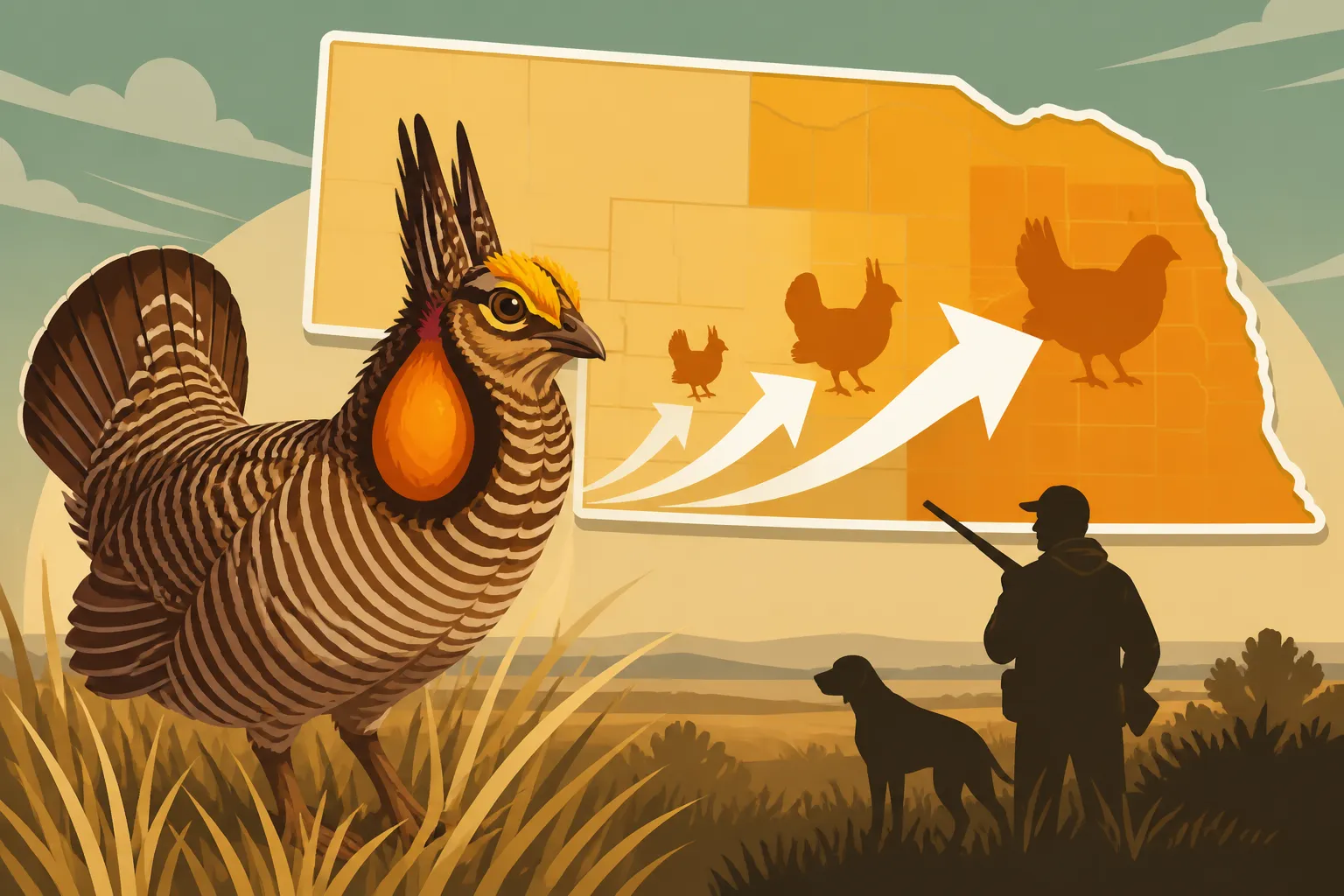
Okay, so where exactly are these resilient birds showing up? While the Sandhills remain the undisputed heartland, we're now seeing scattered, but encouraging, populations emerge or strengthen in areas that haven't hosted them consistently for decades. This isn't a solid wave of colonization, but more like intrepid pioneers setting up new outposts.
Emerging Pockets Beyond the Core Range
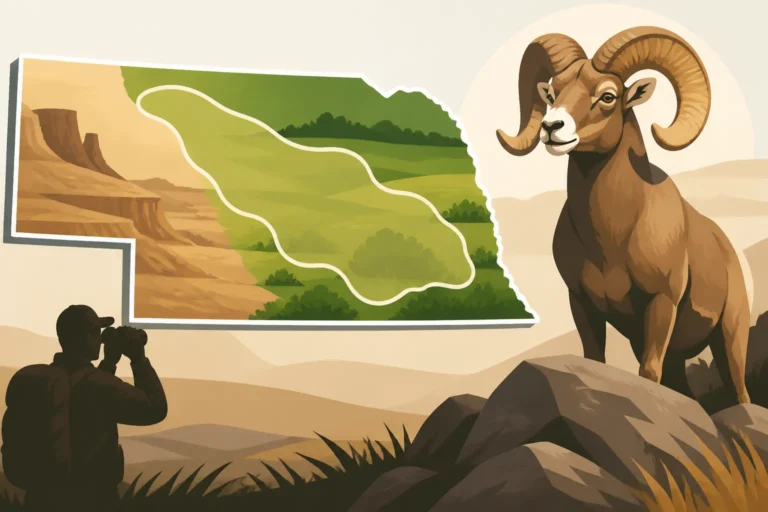
The most notable expansions are often occurring on the fringes of the traditional Sandhills range, particularly in areas to the south and east where a mix of ranching and strategic CRP plantings have created suitable habitat. Think about some of the more rugged, less intensively farmed areas in counties bordering the Sandhills – places where large pasturelands meet conservation-minded farming. These transition zones, where a mosaic of rangeland and restored grasslands exists, are becoming key areas. For instance, some areas along the Niobrara River Valley Public Land are showing increased activity, as are certain pockets in the Republican River watershed where good grass management is taking hold.
It's also worth looking at regions that historically had prairie chickens but lost them, such as parts of the Loess Hills or the eastern tallgrass prairie remnants. While full-scale re-establishment in these heavily agricultural areas is a huge challenge, small, isolated coveys or booming grounds have been reported in counties where enough contiguous grassland has been maintained or restored. These aren't necessarily places where you'd expect to find a huntable population just yet, but they're exciting indicators of potential future growth. Finding these emerging pockets often requires boots-on-the-ground scouting, but also leveraging resources like the Nebraska Public Access Atlas and tools that can overlay habitat types. Using a mapping application like the ones offered by GoHunt can be invaluable for identifying potential grassland complexes, public access, and even property boundaries where you might seek permission.
The Importance of Connected Landscapes
One of the critical lessons learned from prairie chicken conservation is the importance of connectivity. These birds need more than just isolated patches of grass; they need corridors that allow for movement, genetic exchange, and dispersal into new areas. When conservation programs like CRP are strategically applied to link existing grasslands or create "stepping stone" habitats, it significantly increases the chances of range expansion. Imagine a large block of rangeland in the Sandhills connected to a series of CRP fields by a grazed pastureland. This creates a functional landscape that birds can utilize, rather than being trapped in a small, isolated island of habitat.
This is where the nuances of grassland management really shine. Not all grass is created equal. A dense, uniform stand of brome might look green, but it doesn't provide the diverse structure a prairie chicken needs for nesting, brood-rearing, and winter escape cover. Native warm-season grasses, interspersed with forbs, create a much more functional habitat mosaic. When you're scouting, look for those diverse stands, areas with some residual cover from previous years, and places that aren't overly disturbed. These are the kinds of places where new prairie chicken populations are most likely to take hold and expand. Sometimes, you'll even find them sharing habitat with their cousins; Telling a Sharptail From a Prairie Chicken can help you differentiate.
Hunting the Expanding Range: Opportunities and Considerations
The idea of hunting prairie chickens in new areas is incredibly exciting for many upland hunters, offering a chance to pursue these magnificent birds in less traditional settings. However, it's crucial to approach these expanding populations with a realistic and ethical mindset. These are often nascent populations, still vulnerable, and hunting pressure needs to be managed carefully.
Scouting for the Scattered Coys
Unlike the Sandhills strongholds where finding birds might involve covering vast tracts of consistent habitat, hunting the expanding range often means targeting smaller, more scattered coveys in a mosaic of different cover types. This demands meticulous scouting. You won't find birds everywhere there's grass. Instead, focus on those high-quality grassland blocks, especially those that border other good cover or food sources. Look for areas with a history of CRP, native prairie restoration, or well-managed ranchland.
Early morning is key for locating booming grounds, which are often on slight rises or open areas where the sound can travel. Drive gravel roads at dawn, listening intently. Once you confirm a lek, use that as a starting point to scout surrounding cover. What kind of nesting cover is nearby? Are there water sources? What about winter thermal cover, like cedar draws (if any) or dense native grass? Consider using digital mapping tools, like the ones GoHunt offers, to help identify these features from above, saving you precious time and gas money. Layering satellite imagery with public land boundaries can show you the best access points and potential travel corridors for birds. Remember, these birds can be incredibly wary, and their flushes can be explosive, so having a good strategy for Working Sharptails and Prairie Chickens on Foot is essential, whether you have a dog or are hunting without one.
Ethical Hunting and Conservation Responsibility
When hunting in areas of range expansion, responsible and ethical hunting practices are paramount. These smaller, emerging populations can be sensitive to over-harvest, even on a local scale. Always prioritize the health of the population over the desire to fill your vest. This means being mindful of bag limits, knowing your target, and perhaps even passing on shots if you're uncertain about the number of birds in a covey.
It's a good idea to research specific regulations for the units you plan to hunt, as they can sometimes vary. Understand the Upland Season Dates and Bag Limits for prairie chickens, and always double-check for any local restrictions. Hunters are often the first line of defense for conservation, and reporting unusual sightings, habitat concerns, or even poaching, contributes directly to the species' recovery. Your participation in hunting these birds also generates revenue through license and permit sales, which directly funds the very conservation efforts that make this expansion possible. We, as hunters, have a vested interest in ensuring these populations continue to grow, making us crucial partners in their long-term success. It’s a privilege to pursue these birds, and with that privilege comes a responsibility to be their stewards.
| Aspect | Traditional Sandhills Range | Expanding Range Pockets |
|---|---|---|
| Habitat Dominance | Vast, unbroken native rangeland, wet meadows | Mosaic of CRP, restored prairie, managed pasture |
| Population Density | Generally higher, more consistent coveys | Lower, more scattered, often smaller coveys |
| Scouting Focus | Broad areas of good grass, traditional lek sites | Identifying specific high-quality grass blocks, new leks |
| Hunting Pressure | Can be high in known hotspots, but vastness absorbs it | Potentially sensitive to localized pressure, requires care |
| Conservation Drivers | Intact ecosystem, ranching practices | CRP, state/federal habitat projects, private landowner efforts |
| Hunter Approach | Cover ground, work traditional areas | Meticulous pre-season scouting, targeted effort |
Disclaimer
This article is for general informational purposes only and does not constitute professional advice. Laws, prices and regulations vary by location and change over time. Consult a qualified professional for guidance on your specific situation.