How Pheasants Reached Nebraska
For many of us who grew up in Nebraska, the sound of a rooster pheasant erupting from a cattail slough or the sight of a brilliant green head disappearing over a cornfield seems as natural as the big blue sky. It's easy to assume these vibrant game birds have always been a part of the landscape. But the truth is, the ring-necked pheasant is a fascinating success story of introduction, adaptation, and dedicated conservation in the Cornhusker State. This guide will take a deep dive into the journey of how these iconic birds came to call Nebraska home.
A Foreign Fowl Finds a New Home: The Early Introduction Efforts
The ring-necked pheasant, with its iridescent plumage and distinctive crow, is such an ingrained part of Nebraska's hunting heritage that it's sometimes hard to imagine a time without them. But these birds are not native to North America. Their arrival and subsequent thriving here is a testament to persistent efforts and the incredible adaptability of the species.
The Ringneck's Native Lands and Appeal
The pheasant we know and love, Phasianus colchicus, originally hails from Asia. Its native range stretches from the Caspian Sea across Central Asia to China, Korea, and Japan. For centuries, these birds have been prized for their beauty, their challenging flight, and their delicious meat. European royalty and nobility were among the first to introduce them to their estates for hunting purposes, appreciating their rapid growth and robust nature. This long history of human interaction and management for sport laid the groundwork for their eventual journey across the ocean to the New World. The idea of introducing a hearty, fast-reproducing game bird to supplement declining native populations was appealing to early conservationists and hunters alike.
Initial Attempts in North America and Nebraska
The very first recorded introduction of pheasants to North America happened way back in 1733, when some birds were released in New York. However, these early attempts generally fizzled out, often due to a lack of understanding of the birds' specific habitat needs or insufficient numbers for establishing a sustainable wild population. It wasn't until later in the 19th century that more successful, deliberate efforts began.
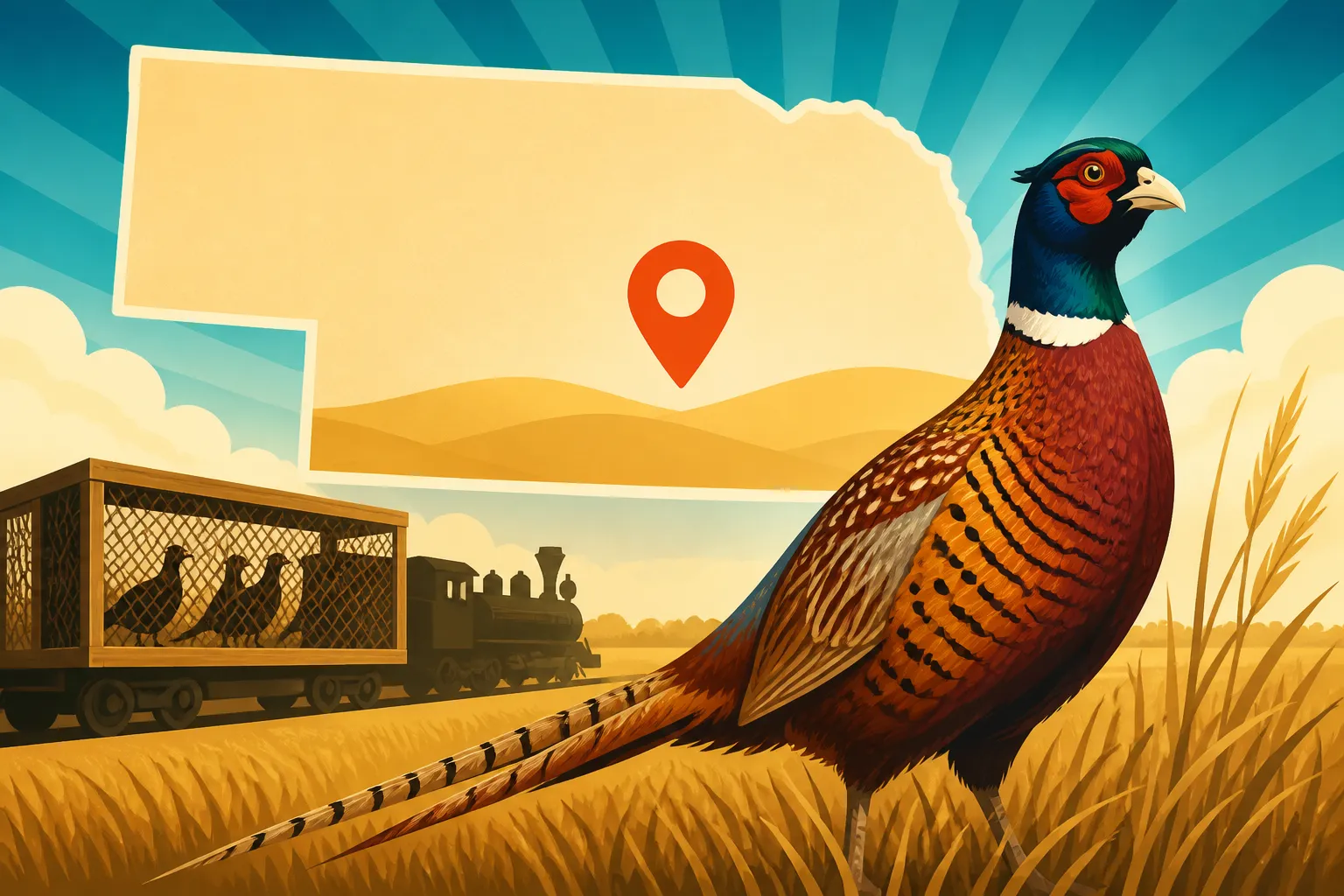
The game-changer came in 1881, when Owen Nickerson Denny, the U.S. Consul General to China, successfully released a large shipment of pheasants from Shanghai in the Willamette Valley of Oregon. These birds took hold, multiplying rapidly and demonstrating the species' incredible potential to thrive in suitable new environments. This Oregon success story sparked widespread interest across the United States. In Nebraska, the first reported releases of pheasants date back to around 1897. These were often small, localized efforts by private individuals or sportsmen's clubs, eager to establish a new game bird for hunting opportunities. These initial, scattered efforts were really just the beginning of what would become a much larger, more coordinated strategy.
Early Challenges and Learnings
Introducing a non-native species is never a simple task, and the early years of pheasant stocking in Nebraska were no exception. Many factors could derail a release: birds might be stressed from transport, released into unsuitable habitat, or simply not survive the rigors of a new environment with unfamiliar predators and food sources. It was a period of trial and error, with many releases failing to establish self-sustaining populations.
Conservationists and early wildlife managers quickly learned that simply turning birds loose wasn't enough. Success hinged on releasing adequate numbers of healthy birds into areas with suitable cover, food, and water. They also began to understand the importance of initial protection from hunting pressure to allow populations to grow and stabilize. The lessons learned from these early attempts were invaluable, shaping future strategies for pheasant introduction and management across the state. This foundation of knowledge was crucial for the long-term success of Nebraska's Ring-Necked Pheasant Story, paving the way for the robust populations we enjoy today.
The Role of Release Programs and Private Stocking
While early private releases showed promise, it became clear that widespread success required more organized and sustained efforts. The story of how pheasants reached Nebraska is truly a partnership between state agencies and passionate private citizens.
State-Led Stocking Initiatives
By the early 20th century, state wildlife agencies, including what is now the Nebraska Game and Parks Commission, recognized the immense potential of the ring-necked pheasant. Following the successful introductions in other states, Nebraska began its own more systematic stocking programs. These weren't just haphazard releases; they involved raising pheasants in game farms, carefully selecting release sites, and often working with local landowners to ensure the birds had the best possible chance to establish themselves.
The process often involved collecting eggs from wild birds in states where populations were booming, incubating them, raising the chicks to a suitable age, and then transporting them for release. These efforts targeted areas with promising habitat, often adjacent to agricultural fields that provided abundant food sources and nesting cover. This more scientific approach to stocking marked a significant turning point, moving from experimental releases to a deliberate, state-supported initiative to populate Nebraska with pheasants. Hunters today, when they consult resources like GoHunt to scout areas, are often looking at lands that benefited from these strategic releases decades ago. The goal was to establish wild, self-sustaining populations, not just put out birds for immediate harvest.
Private Citizen and Club Contributions
While state agencies played a crucial role, the passion of individual citizens and local sportsmen's clubs cannot be overstated. These groups were often at the forefront of bringing pheasants to their local areas, long before state programs became widespread. They would often pool resources to purchase birds from private breeders, sometimes even going as far as to import eggs or adult birds from other successful pheasant states or even directly from Asia.
Imagine a group of farmers and hunters in a small Nebraska town in the early 1900s, holding fundraisers, securing birds, and then carefully releasing them on their own land, nurturing these new populations. Their dedication, coupled with their intimate knowledge of local landscapes, often proved incredibly effective. These grassroots efforts were vital in distributing pheasants across diverse regions of Nebraska, filling in gaps where state programs might not have initially reached. They weren't just introducing a game bird; they were investing in the future of hunting and wildlife in their communities, profoundly influencing When Pheasants Were Brought to Nebraska.
Finding the Right Habitat Mix
The success of these release programs, whether state-led or private, ultimately hinged on one critical factor: habitat. Pheasants are incredibly adaptable, but they have specific needs. They thrive in a mosaic of agricultural fields (for food like corn, milo, and soybeans), dense grassy cover for nesting and roosting, and brushy draws or shelterbelts for escape cover and winter protection. Nebraska's diverse landscape, particularly its vast agricultural regions intersected with waterways and natural grasslands, proved to be an ideal match.
The birds needed safe places to nest in the spring, abundant insects for their chicks in the summer, readily available grain in the fall and winter, and thick cover to weather blizzards and evade predators. Without this rich blend of resources, even the most robust stocking efforts would have failed. Understanding these habitat requirements was a continuous learning process, but as knowledge grew, so did the success rate of establishing thriving pheasant populations.
Habitat as the Key to Pheasant Proliferation
While stocking efforts were essential to introduce pheasants, it was Nebraska's unique landscape and agricultural practices that allowed these birds to truly explode in numbers. The environment provided the perfect incubator for a species ready to expand.
The Agricultural Landscape of Nebraska
Nebraska, often called the "Cornhusker State," boasts vast expanses of agricultural land. This agricultural dominance, particularly the widespread cultivation of corn, soybeans, and milo, turned out to be a massive boon for pheasants. These row crops provide an almost endless buffet of high-energy food sources, especially during the crucial fall and winter months when natural forage might be scarce. After harvest, waste grain left in the fields provides sustenance, helping birds survive harsh conditions.
Beyond just food, many agricultural areas also feature fence rows, uncultivated field edges, and brushy creek bottoms that provide essential cover. These areas offer places to hide from predators, loaf during the day, and escape severe weather. The sheer scale of Nebraska's agricultural production, combined with these interspersed pockets of cover, created a landscape of abundance that pheasants quickly exploited. This intricate relationship between agriculture and wildlife is a cornerstone of Nebraska's Pheasant Numbers Today.
CRP's Impact on Pheasant Growth
Perhaps no single federal program had a greater positive impact on pheasant populations in Nebraska than the Conservation Reserve Program (CRP). Initiated in 1985, CRP incentivized farmers to take highly erodible or environmentally sensitive land out of production and plant it with perennial grasses and legumes. What was good for soil conservation proved to be phenomenal for pheasants.
Suddenly, millions of acres across the Great Plains, including Nebraska, were transformed into prime nesting and brooding habitat. These dense grasslands offered safe havens for hens to lay their eggs and raise their chicks, largely undisturbed by agricultural machinery. The insects that thrived in these undisturbed grasslands also provided a critical protein source for growing pheasant poults. The peak of CRP enrollment in the 1990s coincided with some of the highest pheasant numbers ever recorded in Nebraska, demonstrating the direct link between quality habitat and thriving bird populations. Hunters and biologists alike saw the incredible effect of CRP Acres and Nebraska Bird Numbers on bird densities. Losing those acres is always a concern for those of us who track pheasant numbers, as detailed in CRP Loss Since the 1990s Peak.
Weather Patterns and Survival
While habitat is paramount, weather plays an equally critical, albeit less controllable, role in pheasant population dynamics. Nebraska experiences a wide range of weather conditions, from scorching summers to brutal winters, and these extremes directly impact pheasant survival and reproduction.
Mild winters with manageable snow cover allow more birds to survive to the breeding season. Conversely, harsh winters with deep, prolonged snow can lead to significant mortality, especially if food sources become inaccessible and cover is limited. A perfect example is the impact of heavy blizzards that can bury food and expose birds to predators and extreme cold. Spring and summer weather are also vital. A warm, dry spring generally leads to higher nesting success and chick survival, while cold, wet springs can decimate young poults. Droughts can also reduce cover and food availability, making birds more vulnerable. Understanding these fluctuations is key to comprehending Winter Weather and Pheasant Survival and why pheasant numbers can ebb and flow year to year. When you're using GoHunt to look at historical data for an area, keeping an eye on past weather trends can give you a real edge.
Sustaining the Pheasant Legacy: Management and Modern Challenges
The pheasant's journey to becoming a Nebraska icon is a success story, but it's one that requires ongoing dedication. Maintaining healthy populations in a changing landscape is a constant challenge for wildlife managers and hunters alike.
Nebraska Game and Parks Commission's Role
The Nebraska Game and Parks Commission (NGPC) plays an indispensable role in managing the state's pheasant resource. Their work encompasses a broad spectrum of activities, from monitoring population trends through surveys like the Rural Mail Carrier Survey, to establishing hunting seasons and bag limits, and implementing habitat improvement projects. They use scientific data to make informed decisions aimed at ensuring sustainable pheasant populations for future generations.
NGPC biologists work tirelessly to understand the factors affecting pheasants, from disease to habitat loss, and collaborate with landowners to create better conditions for wildlife. They also manage numerous Wildlife Management Areas (WMAs) which are specifically maintained to provide prime habitat for pheasants and other upland birds, offering critical public access for hunters. This state-level commitment is vital for the long-term health of pheasant hunting in Nebraska, influencing everything from the number of birds you'll see to the overall quality of the hunting experience.
Modern Conservation Efforts and Partnerships
In an era of shifting land use and increasing pressures on wildlife habitat, conservation efforts have become more sophisticated and collaborative. Programs like the Berggren Pheasant Plan, launched in 2011, exemplify a targeted approach to habitat improvement. This initiative focuses on key pheasant landscapes, working with private landowners and conservation organizations to create and enhance critical habitat components like nesting cover, winter thermal cover, and food plots. The Berggren Pheasant Plan isn't just about planting grass; it's about strategic habitat placement and connectivity, understanding that pheasants need a patchwork of cover types throughout the year.
Organizations like Pheasants Forever and Quail Forever are crucial partners, bringing local chapters, volunteers, and funding to the table to implement habitat projects directly on the ground. These partnerships often involve cost-sharing with landowners for planting diverse native grasses, establishing food plots, and restoring wetlands. When you’re looking to plan a hunt, especially for public access, resources like GoHunt can often highlight areas where these conservation efforts are in full swing, potentially leading to better hunting opportunities. Understanding What the Berggren Plan Set Out to Do helps hunters appreciate the effort behind the scenes to maintain vibrant pheasant numbers.
The Future of Pheasant Hunting in Nebraska
The future of pheasant hunting in Nebraska, while facing challenges, remains promising thanks to these ongoing efforts. Habitat loss, largely due to agricultural intensification and urban expansion, continues to be a primary concern. The push for more efficient farming practices can sometimes reduce the marginal cover that pheasants rely on. However, the dedication of the NGPC, conservation groups, and private landowners committed to wildlife provides a strong counterbalance.
Education and hunter recruitment are also critical components of the future. Introducing new generations to the sport and fostering an appreciation for habitat conservation ensures that there will always be passionate advocates for the pheasant. By continuing to prioritize habitat, embracing innovative conservation strategies, and fostering strong partnerships, Nebraska can ensure that the exhilarating flush of a wild pheasant remains a cherished part of its outdoor heritage for decades to come. Whether you're walking vast CRP fields or navigating thick cattail sloughs, remember that the experience is built on a century of effort to bring this magnificent bird to our fields. When considering How Many Hunters a Nebraska Quarter Section Holds, it's important to recognize that sustained habitat is the ultimate capacity limiter.
Here's a quick look at the journey:
| Era | Key Actions & Events | Contributing Factors | Outcome for Pheasants |
|---|---|---|---|
| Late 1800s | First scattered private releases in Nebraska | Successful introductions in Oregon; Private interest | Initial small, localized populations |
| Early 1900s | State-led stocking programs begin | Scientific understanding of habitat needs grows | Increased distribution; populations begin to grow |
| Mid-20th Century | Widespread establishment; hunting seasons open | Abundant fence rows, small farms, diversified crops | Rapid population growth; pheasant hunting explodes |
| 1980s-1990s | CRP program enacted; peak enrollment | Millions of acres of prime nesting cover | Record pheasant numbers; "Golden Age" of hunting |
| 2000s-Present | Berggren Plan & other targeted habitat efforts | Focus on strategic habitat; decline in CRP acres | Sustained populations; challenges from habitat loss |
Disclaimer
Please note that hunting regulations, seasons, and permit requirements are subject to change. Always consult the latest Nebraska Game and Parks Commission regulations prior to any hunting activity. The information provided here is for general guidance and educational purposes only.