Taking Hunter Education Online in Nebraska
Navigating the requirements to legally hunt in Nebraska can feel like trying to untangle a fishing line after a big snag. For many aspiring hunters, especially those with demanding jobs, families, or simply packed schedules, the thought of dedicating entire weekends to an in-person hunter education course can be a significant hurdle. It's a common frustration, but thankfully, Nebraska offers a flexible online hunter education option that can make getting certified much more manageable. This guide will walk you through everything you need to know about completing your hunter education online in the Cornhusker State, from the convenience of your couch to the practical skills you'll gain in the field.
Embracing the Flexibility of Online Hunter Education
Let's be real: life is busy. For years, the traditional hunter education model required students to sit through multiple long classroom sessions, often spread across evenings and weekends. While these classes still exist and are fantastic for some, they just don't fit everyone's lifestyle. That's where online hunter education truly shines, offering a much-needed alternative for those who want to learn the ropes without completely overhauling their schedules.
Juggling Life and Learning with Self-Paced Courses
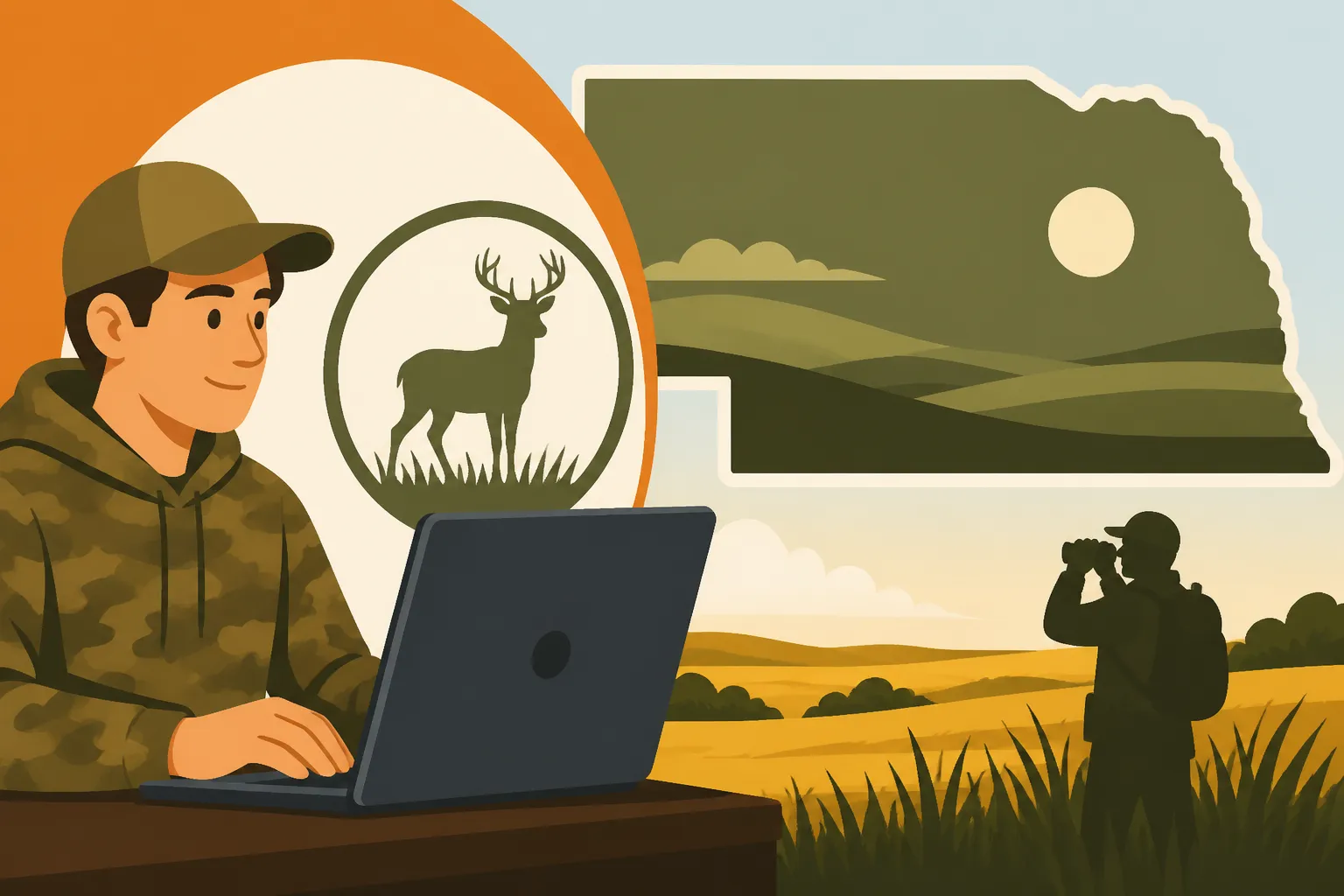
One of the biggest advantages of an online hunter education course in Nebraska is the sheer flexibility it offers. Instead of being locked into specific dates and times, you can tackle the material at your own pace, on your own terms. Have an hour free during your lunch break? Log in and complete a module. Kids finally asleep? Dedicate an evening to learning about firearm safety or wildlife identification.
This self-paced approach is a game-changer for working professionals, college students, and parents. It means you don't have to choose between your responsibilities and pursuing your passion for hunting. You can fit the learning into the nooks and crannies of your week, ensuring that when you do sit down to study, you're fresh and focused, rather than rushing through content just to keep up with a set schedule. This also allows you to re-read sections or re-watch videos if a concept isn't immediately clear, which is a huge benefit compared to a live classroom setting where you might feel shy about asking for clarification repeatedly.
The Appeal of Convenience and Modern Learning
Beyond just scheduling, online hunter education embraces modern learning methods. These courses are designed to be engaging, often incorporating interactive quizzes, videos, and simulations that can make the learning process more effective and enjoyable than simply listening to a lecture. You're learning practical skills and critical safety information in a format that's often more accessible and intuitive for today's learners.
It also removes geographical barriers. If you live in a rural part of Nebraska where in-person classes are few and far between, or if they fill up quickly, the online option ensures you still have a viable path to certification. No more long drives to a classroom, saving you time and gas money, which we all appreciate. Once you're certified, you'll be ready to explore all the opportunities Nebraska has to offer, from Bowhunting Nebraska's Four-Month Archery Season to Walking Nebraska Pheasant Cover With a Dog.
Understanding Nebraska's Online Hunter Education Structure
Nebraska's online hunter education isn't just about clicking through modules; it's a comprehensive two-part system designed to ensure you gain both the theoretical knowledge and the practical skills needed to be a safe and ethical hunter. This dual approach ensures that while you get the convenience of online learning, you still receive hands-on instruction where it matters most.
The Online Academic Portion: What You'll Learn
The first part of your journey will be the online academic course. These courses, offered by approved providers like HUNTERcourse.com or hunter-ed.com, cover a vast array of topics essential for responsible hunting. You can expect modules on:
- Hunting Ethics and Responsibility: This goes beyond just rules; it delves into the core principles of fair chase, respect for wildlife, landowners, and other hunters. It's about being a good steward of the land and the resource.
- Firearm and Archery Safety: This is paramount. You'll learn the fundamental rules of firearm handling (like ACTT – Assume every gun is loaded, Control the muzzle, Keep your finger off the trigger, and See your target and beyond), safe storage, transportation, and proper shooting techniques. For bowhunters, similar principles apply to broadheads, bows, and arrows.
- Wildlife Identification and Biology: Understanding the game you're pursuing is crucial. You'll learn how to identify different species, understand their habits, habitats, and even age and sex characteristics. This knowledge is vital for ethical hunting and for adhering to specific bag limits and regulations.
- Nebraska Hunting Laws and Regulations: This section is incredibly important. You'll dive into the specific rules governing hunting seasons, permit requirements, legal methods of take, blaze orange regulations (especially for Orange Requirements for Archers in November), and more. Ignorance of the law is never an excuse, so pay close attention here.
- Survival and First Aid: Being prepared for the unexpected in the field is critical. You'll learn basic survival skills, how to signal for help, and essential first aid for common hunting injuries.
- Conservation and Wildlife Management: This part connects hunting to its vital role in modern conservation efforts. You'll learn about how hunting license fees fund wildlife management, habitat restoration, and research, ensuring healthy game populations for future generations.
The online course is typically broken into chapters or modules, with quizzes at the end of each section to test your understanding. You usually need to achieve a certain score to move forward. The beauty of it is that if you miss a question, you can often go back and review the material, reinforcing your learning before taking the final exam. Once you pass the online academic portion, you'll receive a completion voucher or certificate that allows you to register for the second part: the mandatory field day.
The Mandatory Field Day: Hands-On Experience
Even with the convenience of online learning, the Nebraska Game and Parks Commission (NGPC) wisely requires a mandatory in-person field day. And let me tell you, this isn't some arbitrary hoop to jump through; it's where the rubber meets the road. This hands-on component ensures that you can apply the knowledge you've gained in a practical, safe environment under the guidance of certified instructors.
During the field day, which typically lasts around four to six hours, you can expect:
- Live Firearm and Archery Practice: You'll get to handle and shoot firearms (often .22 rifles or shotguns) and sometimes archery equipment under strict supervision. This is where you'll practice safe loading, unloading, aiming, and shooting. Don't worry if you're new to shooting; the instructors are there to help you learn and build confidence.
- Safe Hunting Scenarios: Instructors will walk you through various realistic hunting scenarios, demonstrating how to safely cross fences, load and unload firearms from vehicles, identify safe zones of fire, and communicate effectively with hunting partners.
- Tree Stand Safety: For those interested in deer hunting, particularly in eastern Nebraska's river bottoms, tree stand safety is critical. You'll learn about proper harness use, stand placement, and safe climbing techniques. It's truly eye-opening how many accidents are preventable with proper knowledge and gear.
- Game Care and Ethical Recovery: Sometimes, field days will include demonstrations on Field Dressing and Cooling Game in Warm Weather or blood trailing, reinforcing the importance of ethical recovery and care of harvested game.
Finding and registering for a field day is typically done through the NGPC website. They list available dates and locations across the state. These spots can fill up, especially closer to hunting seasons, so it's a good idea to complete your online portion and then sign up for a field day as soon as possible. Be sure to bring your online course completion voucher, appropriate clothing for outdoor activities, and often, a packed lunch or snacks. This is your chance to ask instructors questions and solidify your understanding before you head afield.
Who Needs Hunter Education in Nebraska and How to Get Certified
The rules around hunter education can sometimes feel a bit convoluted, especially for new hunters or those coming from other states. Let's break down who exactly needs to take hunter education in Nebraska and walk through the straightforward steps to getting your certification.
Age Requirements and Exemptions to Know
In Nebraska, if you were born on or after January 1, 1977, you must complete a hunter education course to hunt with a firearm or air gun. This includes rifles, shotguns, handguns, and even air-powered pellet guns used for hunting. There are a few key points and exemptions:
- Under 12 Years Old: Youngsters under the age of 12 are not required to have hunter education but must be accompanied by a properly licensed hunter who is at least 19 years old. This licensed adult must be certified in hunter education if born after January 1, 1977, or be an apprentice hunter permit holder.
- 12-15 Years Old: Hunters in this age bracket must have hunter education to hunt unsupervised. If they haven't completed it, they must hunt under the direct supervision of a licensed hunter who is at least 19 years old and meets the hunter education requirement (or holds an apprentice permit).
- 16 Years Old and Older: If born on or after January 1, 1977, you absolutely need hunter education to hunt with a firearm or air gun. This is the main group that benefits most from the online option.
- Archery-Only Exemption: If you plan to hunt only with archery equipment (bows and crossbows), you are generally not required to complete a hunter education course in Nebraska. However, many archers choose to take it anyway for the valuable safety and ethical lessons. Plus, if you ever decide to pick up a rifle for deer or turkey, you'll already be covered. Also, remember that Nebraska Bowhunter Education Requirement exists as a separate certification some states require, though it's not mandatory for hunting solely in Nebraska.
- Apprentice Hunter Certificates: Nebraska offers an Nebraska Apprentice Hunter Exemption for those who want to try hunting before committing to a full hunter education course. This allows an uncertified individual (of any age) to hunt for one permit year under the direct, constant supervision of a licensed hunter who is at least 19 years old and is hunter education certified (or has also obtained an apprentice permit). It's a fantastic way to introduce someone to hunting and see if they enjoy it before diving into the full certification process. You can only purchase three apprentice permits in your lifetime.
It's also worth noting that hunter education requirements can change, so it's always best to check the official Nebraska Game and Parks Commission website for the most current rules, or consult your Nebraska Habitat Stamp and Hunter Education booklet.
Step-by-Step Enrollment and Certification
Alright, you're ready to get certified! Here's a clear path to follow:
- Determine Your Eligibility: First, confirm that you fall under the category that requires hunter education (born on or after January 1, 1977, and planning to use a firearm or air gun).
- Choose an Approved Online Provider: Visit the Nebraska Game and Parks Commission website. They will have a list of approved online hunter education course providers. Common ones include HUNTERcourse.com and hunter-ed.com. Make sure the course you choose is specifically approved for Nebraska. These providers are generally easy to navigate, and some even offer a free trial before you commit.
- Complete the Online Academic Course: Register for your chosen course and work through the modules at your own pace. Pay close attention to the material, especially the sections on Nebraska-specific regulations. Take all the quizzes and the final online exam. You'll need to pass this portion to move on.
- Obtain Your Online Completion Voucher/Certificate: Once you successfully complete the online course, you'll be able to print a voucher or certificate of completion. This document is crucial for signing up for your field day, so keep it safe!
- Register for a Field Day: Head back to the Nebraska Game and Parks Commission website and locate the "Hunter Education Field Day" schedule. Find a date and location that works for you. These can fill up quickly, especially during peak seasons, so don't delay. You'll typically need your online completion voucher number to register.
- Attend and Pass the Field Day: Show up for your field day prepared. Listen to the instructors, participate actively, and demonstrate safe firearm handling and ethical decision-making. The instructors will assess your practical skills and understanding.
- Receive Your Hunter Education Card: Upon successful completion of the field day, you'll receive your official Nebraska Hunter Education card. Congratulations! This card is your proof of certification and you should carry it with you when hunting.
Once you have your certification, the world of Nebraska hunting opens up. You'll be ready to start applying for permits, whether it's a Nebraska Statewide Whitetail Buck Permit Price or an archery tag. Many hunters also use platforms like GoHunt to research specific units and game populations once they're certified, leveraging their mapping and data tools to find the best hunting opportunities. GoHunt can be particularly useful for understanding draw odds for coveted tags and planning your strategy for specific units.
Preparing for Your First Nebraska Hunt Post-Certification
Getting your hunter education certification is a huge accomplishment, but it's just the first step in becoming a confident and successful hunter in Nebraska. Once that card is in your wallet, a whole new world of planning and preparation begins. It’s exciting, but it also means taking the knowledge you’ve gained and putting it into practice.
Gear, Permits, and Practical Know-How
With your hunter education complete, you’ll want to start thinking about the gear you need. This could involve anything from the right rifle caliber for Rifle Setups for Nebraska's Open Country to specific Shotguns and Loads for Nebraska Pheasants. Don't forget the essentials like appropriate clothing for Nebraska's varied weather, a good pair of boots for walking, and reliable optics. A resource like GoHunt can also help you quickly find information on gear requirements specific to certain hunts.
Beyond gear, permits are your next big hurdle. Nebraska has a variety of permits, from statewide deer tags to limited draw opportunities for antelope or elk. Understanding Nebraska Big Game Permits and How to Get One is crucial. You’ll need to figure out which permits you want to apply for, when application deadlines are, and what the Nebraska Deer Permit Types by Unit entail. Many hunters use services like GoHunt to track application deadlines, research draw odds, and plan their permit strategy for the upcoming seasons. This can save a lot of headaches and ensure you don't miss out on opportunities.
Scouting and Understanding Hunting Areas
One of the biggest transitions from classroom learning to actual hunting is scouting. You can read all the books and watch all the videos, but nothing replaces boots on the ground (or eyes on a map) when it comes to finding game. If you're planning to hunt public land, familiarizing yourself with Public Hunting Land in Nebraska is key. The Nebraska Public Access Atlas is an invaluable resource, showing all public hunting grounds, including Wildlife Management Areas (WMAs) and Open Fields and Waters (OFW) tracts. Learning Reading a Nebraska Deer Unit Boundary and understanding access points and regulations for specific WMAs is vital.
Scouting isn't just about finding game; it's about understanding the land, too. Where do deer bed? What are their preferred food sources? How does the wind affect their movement in a particular area? These are questions that you'll start to answer through experience, but also through dedicated scouting trips. Even if you're not planning a hunt for a while, just getting out and exploring potential areas, learning the lay of the land, and looking for signs of wildlife will significantly boost your confidence.
Building Community and Continuing Education
Finally, don't underestimate the value of community. Connect with other hunters, join local conservation groups, and ask questions. Experienced hunters are often more than willing to share advice, tips, and even offer to mentor new hunters. This informal mentorship is how many of us learned the finer points of hunting that no course can teach.
Hunting is a journey of continuous learning. While your hunter education certification is a vital milestone, it's just the beginning. Every season brings new lessons, new challenges, and new opportunities to grow as a responsible and ethical hunter. Embrace the learning process, stay safe, and enjoy the incredible experiences that Nebraska's wild places have to offer.
Disclaimer
The information provided in this guide is for general informational purposes only and is not intended as legal advice. Hunting regulations and requirements, including those for hunter education, can change. Always consult the official Nebraska Game and Parks Commission website or relevant state authorities for the most current and accurate information before planning any hunting activities.