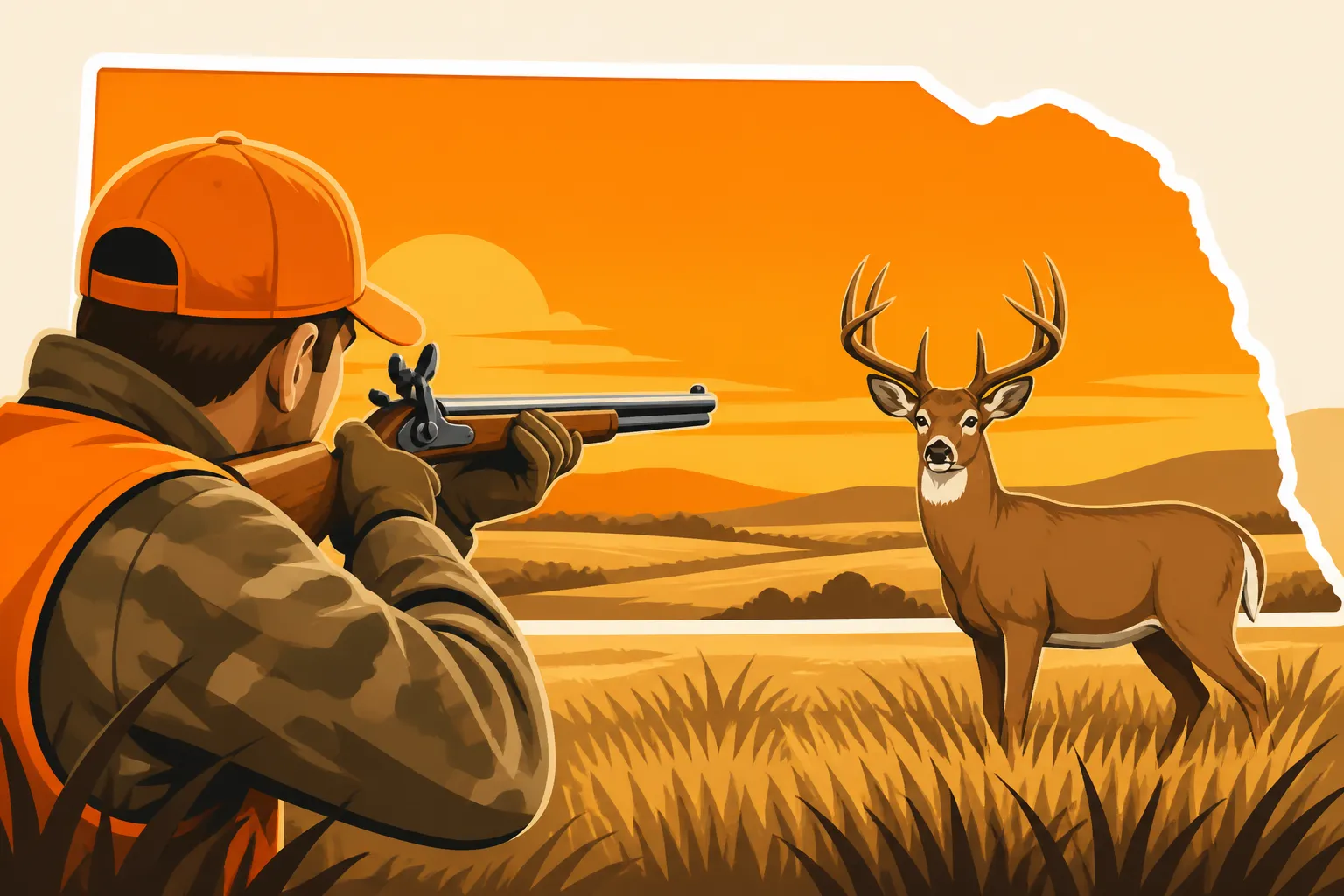
When Nebraska’s Muzzleloader Deer Season Runs
For many deer hunters in Nebraska, the general firearm season in November might get all the glory, but there's a unique challenge and opportunity that arrives once the smoke literally clears: the muzzleloader season. It can be a particularly tough grind, marked by cold temperatures and often snow, leaving many wondering exactly when this specialized hunt takes place and what it entails. This guide aims to thoroughly demystify Nebraska's muzzleloader deer season, detailing its precise timing, required permits, and essential considerations for success.
Understanding Nebraska's Muzzleloader Season Dates
The Nebraska muzzleloader deer season offers a distinct window for hunters who appreciate the traditional challenge of a black powder rifle. Unlike some states with complex zone breakdowns for specific weapons, Nebraska keeps its statewide muzzleloader season relatively straightforward, though understanding its place in the broader hunting calendar is crucial.
The December Deer Hunt
Nebraska's official statewide muzzleloader deer season consistently runs throughout the entire month of December. This means that from December 1st through December 31st, hunters who possess a valid muzzleloader permit can pursue deer across the state. This late-season timing sets it apart from the rush of the November firearm season and the extended archery opportunities. It's a chance to extend your deer hunting efforts into the heart of winter, often after most other hunters have packed up for the year. This can be a huge advantage for those who enjoy the solitude and quiet of a truly cold-weather hunt.
The December timing presents both unique challenges and opportunities. On one hand, you're contending with potentially harsh weather conditions – anything from bitter cold to heavy snow or freezing rain. On the other hand, deer patterns can be more predictable as they focus heavily on available food sources, especially as natural forage dwindles. Many hunters find themselves facing significant pressure to locate quality late-season food sources in Nebraska. This period also generally falls outside the primary whitetail rut, which typically peaks in November, so your tactics will shift from seeking breeding activity to finding feeding and bedding areas.
How It Fits into the Overall Deer Calendar
The muzzleloader season immediately follows Nebraska's general nine-day November firearm deer season and overlaps with a significant portion of the longer archery season, which runs from September 1st through December 31st. This overlap means that while muzzleloader hunters are in the field, so are archers. While there are specific orange requirements for archers in November, these requirements typically do not extend into December for archers, though muzzleloader hunters must always adhere to blaze orange rules during their season.
This timing also positions the muzzleloader season as a crucial bridge to Nebraska's late antlerless-only hunts, which can extend into January in some units. If you're looking to fill the freezer or manage local deer populations, the December muzzleloader season, followed by the possibility of Late-Season Antlerless Hunting in Nebraska, provides ample opportunity. It's a key part of the larger deer management strategy by the Nebraska Game and Parks Commission, designed to spread hunting pressure and provide diverse opportunities throughout the fall and early winter.
Required Permits and Legal Muzzleloader Specifics
Understanding the permits and equipment regulations is paramount to a successful and legal muzzleloader hunt in Nebraska. It's not just about having a black powder gun; there are specific rules that govern what you can use and what kind of tag you need to carry.
Securing Your Muzzleloader Permit
To hunt during Nebraska's muzzleloader season, you must possess a valid Nebraska muzzleloader deer permit. These are often purchased as a specific permit type, or in some cases, certain "Any-Deer" or "Antlerless-Only" permits might specify that they are valid during the muzzleloader season. It's crucial to check the specific permit language when you purchase it.
Typically, muzzleloader permits can be unit-specific, meaning they are only valid in certain Deer Management Units (DMUs), or sometimes statewide for antlerless deer. For instance, you might find a permit for "Any-Deer" in the Pine Ridge Unit valid for muzzleloader season, or a "Statewide Antlerless Muzzleloader" permit. These permits often become available for purchase over-the-counter in July after the big game lottery draw. Nonresidents especially need to act fast, as popular permits can sell out quickly, much like some of the nonresident turkey permits. For detailed information on available permits, checking the Nebraska Game and Parks Commission website or utilizing resources like GoHunt, which aggregates hunting information, can be incredibly helpful for planning your strategy and seeing draw odds or permit availability. You can learn more about general permit acquisition in Nebraska Archery and Muzzleloader Deer Permits.
It's also important to remember that in addition to your deer permit, you'll need a current Nebraska hunting permit and a Habitat Stamp. Always double-check the regulations each year, as permit types and rules can occasionally be adjusted by the Nebraska Game and Parks Commission.
Defining a Legal Muzzleloader
Nebraska has specific definitions for what constitutes a legal muzzleloader for deer hunting. Generally, these include:
- Weapon Type: Only firearms designed to be loaded from the muzzle with black powder or a synthetic substitute, and firing a single projectile. This includes both traditional flintlock and percussion rifles, as well as modern in-line muzzleloaders.
- Ammunition: Only black powder or an approved synthetic substitute (like Pyrodex or Triple Seven) can be used. Smokeless powder is strictly prohibited. The projectile must be a single bullet or slug, not shot.
- Ignition: Percussion caps, musket caps, or 209 primers are typically allowed. Electronic ignitions are generally permitted if they meet the black powder firearm definition.
- Sights: Open sights, peep sights, and scopes are all generally legal for muzzleloaders in Nebraska during the December season. This offers flexibility for hunters who prefer different sighting systems.
It's important to differentiate muzzleloaders from "straight-wall cartridge rifles," which have their own specific season and regulations in Nebraska, typically in the fall. While both might be used in deer hunting, they are separate categories under Nebraska law, and a muzzleloader permit is not valid for straight-wall cartridge firearms. Pay close attention to these distinctions when preparing your gear for a December hunt.
Strategic Approaches for Muzzleloader Season
Hunting in December with a muzzleloader is a completely different ballgame than the earlier seasons. The colder weather, changed deer behavior, and unique characteristics of muzzleloader firearms demand a thoughtful, strategic approach.
Embracing the Cold and Snow
December in Nebraska often means harsh conditions. Cold, wind, and snow are not just nuisances; they become integral parts of your hunting strategy. Deer react differently to these elements. Deep snow, for example, can restrict deer movement, pushing them to easier travel corridors like ridges or sheltered river bottoms. Conversely, a fresh snowfall can be a tracker's best friend, revealing recent deer activity and travel routes.
Your personal preparation for the cold is paramount. Layering is key, with moisture-wicking base layers, insulating mid-layers, and a windproof, waterproof outer shell. Don't forget insulated boots designed for extreme cold and hand warmers that truly last a full sit. Sitting for long periods in a stand or blind in frigid temperatures demands an optimized Cold Weather Sitting Strategy. Deer will also seek shelter from the wind and cold, often bedding in thick cedar draws, dense timber, or south-facing slopes that catch more sun. Understanding Where Nebraska Whitetails Bed in Row-Crop Country in winter can drastically improve your chances.
The muzzleloader itself requires special attention in cold, damp conditions. Keeping your powder dry is critical. Many hunters carry their powder and primers separately and only load their rifle when they are about to start their hunt or after reaching their stand, using waterproof containers. Protecting the muzzle from snow and rain with electrical tape or a balloon can prevent moisture from reaching the bore and spoiling your shot.
Focusing on Food and Cover
By December, the deer's primary focus has shifted almost entirely to survival: finding enough calories to sustain them through the winter and secure cover to escape the elements and predators. The rut is largely over, and the bucks are often focused on recovery. This means your scouting efforts should zero in on available food sources and dense thermal cover.
- Food Sources: Look for standing crop fields, especially corn or beans that might still be unharvested, or fields with significant waste grain. Brassicas or winter wheat food plots are also magnetic during this time. Identifying Late-Season Food Sources in Nebraska is probably the single most important factor for success. Water sources are also critical, though they may be frozen, forcing deer to use specific unfrozen areas or consume snow.
- Cover: Deer will seek out the thickest cover available, such as dense timber blocks, cedar thickets, brushy creek bottoms, or stands of unharvested cattails. These areas provide both protection from the wind and thermal insulation. Often, you'll find deer bedding on sunny slopes or in thick draws where they can quickly absorb warmth.
- Travel Corridors: Once you locate food and cover, identify the travel corridors connecting them. These might be fence lines, creek bottoms, pinch points between fields, or sheltered draws. Deer will use the path of least resistance, especially when conserving energy in snow.
This focus on food and cover makes still-hunting a viable tactic, particularly in river bottoms or cedar draws. Moving slowly and deliberately through cover, always hunting into the wind, can allow you to intercept deer as they move between bedding and feeding areas. If you're hunting an area with good visibility, glassing from a distance during low light periods can reveal where deer are emerging to feed.
Planning and Executing Your Muzzleloader Hunt
A successful muzzleloader hunt in December requires diligent planning, careful execution, and a good understanding of the specific challenges of the season and weapon.
Scouting and Location Selection
Effective scouting is a year-round endeavor, but late-season scouting has its own unique demands. Before December rolls around, ideally, you should have identified potential food sources and bedding areas. With tools like GoHunt or The Nebraska Public Access Atlas Mobile App, you can digitally scout public lands and identify potential hunting pressure points. Checking aerial maps for standing corn, unharvested fields, or dense cover can save you valuable time.
Once the season is near, "boots on the ground" scouting becomes vital. Look for fresh tracks in snow, browse lines indicating feeding, and well-used trails. Pay attention to wind direction, especially on open Nebraska prairie stands, as it dictates deer movement and scent dispersal. If you're considering public land, Scouting Nebraska Public Ground Before Opening Day can give you a crucial edge, as these areas often see increased pressure throughout the deer seasons.
When selecting a stand or blind location, consider entry and exit routes that minimize disturbance. In cold weather, you want a comfortable setup that allows you to remain still and patient for extended periods. A well-brushed-in ground blind can offer excellent concealment and protection from the elements, especially in open country or along field edges.
Practice and Field Preparedness
Muzzleloader hunting adds a layer of complexity compared to modern cartridge rifles. The single-shot nature, slower reloading, and potential for misfires in adverse conditions mean every shot counts even more.
- Practice with your Muzzleloader: Spend time at the range with the exact powder, projectile, and primer combination you plan to hunt with. Understand its effective range and practice shooting from realistic field positions, not just a bench. Knowing your firearm's trajectory is crucial, especially if you're making shots in open country.
- Carry a Cleaning Kit: A small field cleaning kit for your muzzleloader is a must. A simple cleaning swab and patches, along with a speed loader for quick follow-up shots (if allowed by your state's regulations and your specific permit), can make a difference.
- Loading and Reloading: Practice loading your muzzleloader quickly and efficiently. In cold weather, dexterity can be reduced, so repetition is key. Carry pre-measured powder charges and readily accessible primers.
- Reliability in the Cold: Ensure your muzzleloader is well-maintained. A clean breech plug and a fresh primer seat are essential for reliable ignition in cold, damp conditions. Learn about Keeping Powder Dry in Wet Snow for best practices.
Beyond the firearm, essential gear for a December hunt includes a quality pair of binoculars for spotting deer at a distance, a rangefinder to confirm yardage before the shot, and a good hunting pack with extra layers, high-energy snacks, and water (stored to prevent freezing). Finally, after a successful harvest, remember to tag and check your deer according to Nebraska Game and Parks regulations. For those concerned about disease, voluntarily submitting your deer for Nebraska CWD Sampling for Hunters is a responsible practice that helps manage herd health.
Muzzleloader Season at a Glance
To help you quickly grasp the key details of Nebraska's Muzzleloader Deer Season, here's a brief overview:
| Feature | Details | Considerations |
|---|---|---|
| Season Dates | December 1st – December 31st (Statewide) | Consistent annual dates; follows general firearm season. |
| Required Permit | Valid Nebraska Muzzleloader Deer Permit (unit-specific or statewide antlerless) | Purchase early, especially for nonresidents; verify unit and deer type. |
| Legal Muzzleloaders | Muzzle-loaded firearms using black powder/substitute, single projectile. | No smokeless powder; scopes and open sights permitted; not a straight-wall season. |
| Orange Requirements | Blaze orange required (400 sq. inches on head, chest, back) | Essential for safety during all firearm seasons. |
| Weather Conditions | Often cold, windy, snow, ice. | Dress in layers, prioritize warmth and wind protection. |
| Deer Behavior | Primarily focused on food and thermal cover; post-rut. | Hunt food sources, dense bedding areas, and connecting travel corridors. |
| Tactics | Still-hunting, stand hunting over food, tracking in snow. | Patience is key; effective glassing; scent control. |
This season, while challenging, offers a rewarding experience for those dedicated to a true winter hunt. With careful preparation and a respect for the elements, Nebraska's December muzzleloader season can be one of the most memorable hunts of the year.
Disclaimer
The information provided in this guide is for general informational purposes only and is subject to change. Hunting regulations, season dates, and permit requirements are established by the Nebraska Game and Parks Commission and can be modified annually. Hunters are solely responsible for checking the most current official Nebraska hunting regulations and statutes before participating in any hunting activity. Always prioritize safety, ethical hunting practices, and adherence to all local, state, and federal laws.