Nebraska Elk Permits Are Residents Only
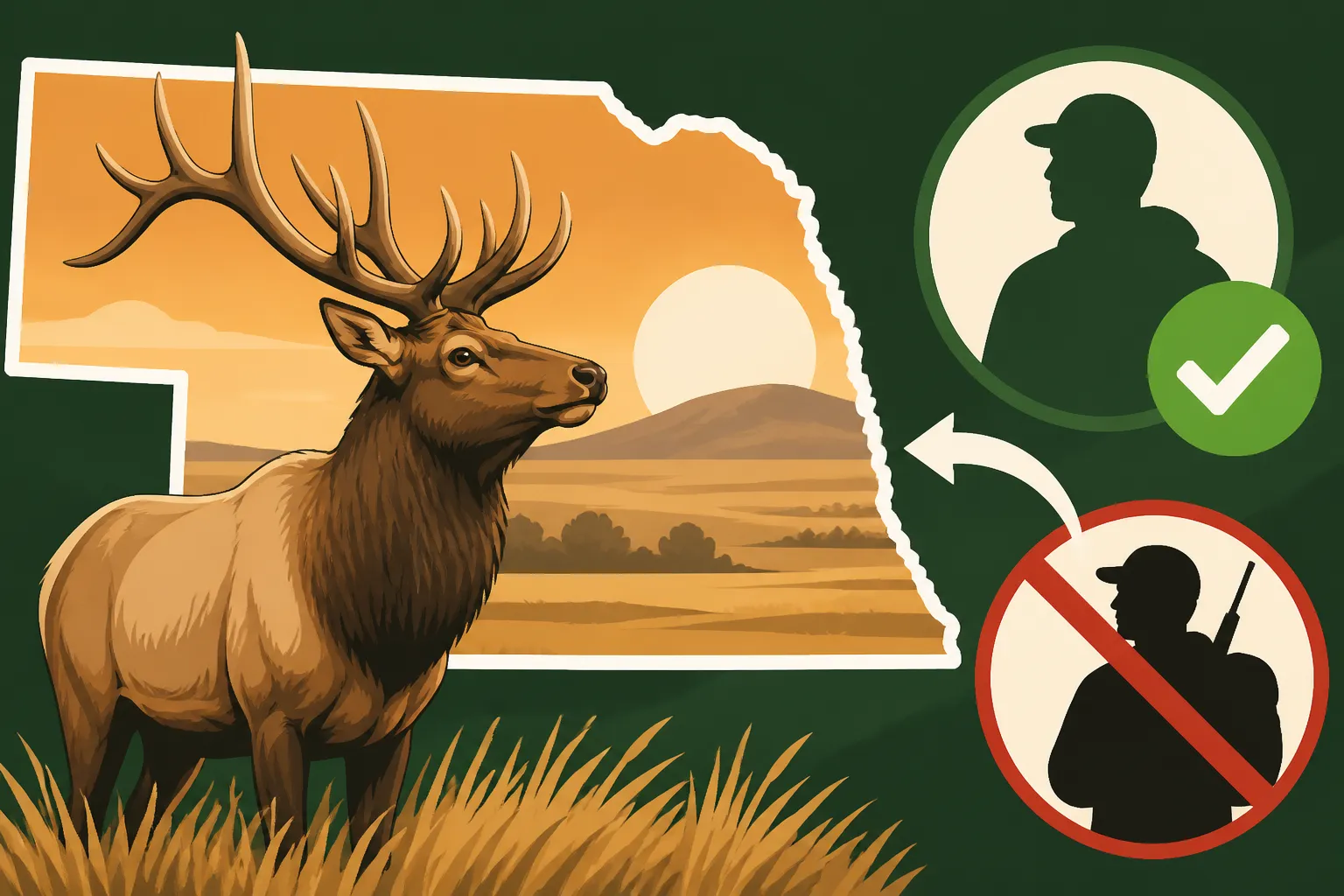
It’s a dream for many hunters, the call of the wild and the chance to pursue one of North America’s most magnificent big game animals: the elk. While states like Colorado or Montana might immediately spring to mind, Nebraska also offers a truly unique, challenging, and incredibly rewarding elk hunting experience. However, there's a catch that often surprises or disappoints many aspiring hunters: Nebraska's elk permits are strictly reserved for residents. This guide will meticulously break down everything you need to know about navigating the exclusive world of elk hunting in Nebraska, from understanding the permit system to the ins and outs of the hunt itself.
The Exclusive Nature of Nebraska Elk Permits
The idea of hunting elk in Nebraska might sound a bit unconventional to folks outside the state, and if you’re a nonresident, it's pretty much a non-starter. Nebraska's elk permits are unique in their exclusivity, a deliberate choice by the Nebraska Game and Parks Commission (NGPC) to manage a precious resource that has made an impressive comeback in the state. This resident-only rule is born from a long history of conservation efforts and a commitment to protecting local hunting opportunities.
Why Elk Permits are Resident-Only
The decision to limit elk permits to residents isn't arbitrary; it’s rooted in the history of elk reintroduction and the ongoing commitment to conservation within Nebraska. For decades, elk populations were virtually nonexistent in the state, extirpated by market hunting and habitat loss in the late 19th and early 20th centuries. The reintroduction efforts, which began in the 1980s, were largely funded and supported by Nebraska residents through hunting license sales, habitat stamp purchases, and various conservation initiatives. This collective investment created a strong desire among local hunters to have primary access to the fruits of these labor-intensive efforts.
Furthermore, Nebraska's elk herds, while growing and healthy, are relatively small compared to their western counterparts. The available habitat, particularly in the Pine Ridge and Niobrara River Valley, is finite, and the elk often reside on a mix of private and public lands. Managing these herds responsibly means controlling harvest pressure carefully. By restricting permits to residents, the NGPC can more effectively regulate hunter numbers, distribute opportunity, and ensure a sustainable future for the herds. It also helps manage potential conflicts with landowners, who are often Nebraskans themselves, dealing with elk damage to crops and fences. This resident-first approach solidifies a sense of stewardship and ensures that local communities benefit directly from the presence of these majestic animals.
Understanding the "Resident Only" Rule
So, what exactly defines a "resident" when it comes to Nebraska Game and Parks regulations? It's more than just having a mailing address in the state. Generally, to qualify as a Nebraska resident for hunting permit purposes, an individual must have resided in the state continuously for at least 30 days immediately prior to applying for a permit or buying a license. This residency must be established with the intent to make Nebraska their permanent place of abode, not just for the purpose of obtaining a hunting permit.
There are specific criteria that the NGPC uses to determine residency, which typically include things like having a Nebraska driver's license, registering vehicles in Nebraska, paying state income taxes, and maintaining a primary home address within the state. For military personnel, there can be specific exemptions or rules that allow those stationed in Nebraska to qualify, even if their permanent home state is elsewhere. These regulations are designed to prevent individuals from temporarily moving to Nebraska solely to gain access to the more limited and desirable resident-only permits, like those for elk. It’s a strict interpretation to protect the integrity of the system and ensure the benefits of these unique hunting opportunities remain with those who have a vested, long-term interest in the state’s wildlife and natural resources.
Nebraska's Growing Elk Herds and Management
For many years, the idea of hunting elk in Nebraska was unthinkable. Today, thanks to dedicated conservation efforts and natural expansion, elk are not only present but thriving in certain parts of the state. Understanding where these herds reside and how they are managed is crucial for any resident hoping to draw one of those coveted permits.
Where Nebraska's Elk Populations Reside
Nebraska's elk populations are primarily concentrated in a few key regions, each offering unique habitat and hunting challenges. The most well-known stronghold is the Pine Ridge area in the northwestern part of the state. This region, characterized by its rugged canyons, Ponderosa pine forests, and mixed-grass prairies, provides ideal cover, forage, and water sources for elk. Counties like Dawes, Sioux, and Sheridan are where you'll find the densest concentrations of elk in the Pine Ridge. These animals often utilize the public lands of the Nebraska National Forest and Grasslands Hunting, such as the Oglala National Grassland and the Bessey Ranger District, but they frequently spill over onto adjacent private ranch lands.
Another significant population resides along the Niobrara River Valley, particularly in the central and north-central parts of the state, in counties like Cherry, Brown, and Keya Paha. Here, the elk gravitate towards the rugged river breaks, dense cedar draws, and deep canyons that offer refuge and abundant browse. This river corridor provides excellent cover and a consistent water source, allowing herds to flourish. Beyond these two primary areas, smaller, more isolated pockets of elk can be found in other parts of the state, often in areas with suitable river-bottom habitat or extensive rangeland. These scattered herds are a testament to the animals' adaptability and willingness to colonize new territories, albeit usually with lower densities than their Pine Ridge or Niobrara counterparts.
Population Trends and Management Goals
Nebraska's elk herds have shown a remarkable recovery and consistent growth since their reintroduction. While precise numbers fluctuate annually based on factors like calf survival, disease, and harvest rates, the overall trend has been positive. Current elk population estimates suggest a healthy and stable population, a significant achievement for a state not traditionally known for elk. This recovery is a direct result of effective management strategies employed by the NGPC.
The management goals are multifaceted: first, to maintain a healthy and sustainable elk population across suitable habitats; second, to provide hunting opportunities for residents; and third, to mitigate conflicts between elk and agricultural interests. Elk, being large grazers, can cause significant damage to crops, hayfields, and fences, leading to frustration for landowners. This is where management tools like "Elk Damage and Depredation in Nebraska" become critical. The NGPC addresses depredation through various means, including proactive measures and, importantly, through the allocation of antlerless permits. By issuing a certain number of antlerless tags, the Commission helps control herd growth, disperse elk from problem areas, and provide additional hunting opportunities, all while ensuring the long-term viability of the species in Nebraska. The aim is always a delicate balance between wildlife conservation and landowner tolerance.
The Nebraska Elk Permit Lottery: How It Works
Drawing an elk permit in Nebraska is a challenging but not impossible endeavor for residents. It operates on a lottery system, meaning it’s largely a game of chance and patience. Understanding the application process, how preference points work, and the realistic draw odds is key to developing a successful strategy.
Eligibility and Application Process
As established, only Nebraska residents are eligible to apply for an elk permit. The application period typically opens in June each year, coinciding with the broader Nebraska Big Game Draw Explained. It’s crucial to mark your calendar for the specific application dates, as missing the deadline means waiting another year. Applications are primarily submitted online through the Nebraska Game and Parks Commission's permit portal. When applying, you'll need to specify your chosen elk management unit and the type of permit you're seeking (bull or antlerless).
Nebraska's elk permits are allocated across several designated Elk Management Units, each with varying numbers of available tags. Units like Hat Creek, Bordeaux, and Ash Creek are prominent in the Pine Ridge, while the Niobrara unit covers parts of the river valley. Each unit will have a specific quota for bull and antlerless permits. Applicants must choose carefully, considering the draw odds for each unit and their personal hunting goals. There's usually a non-refundable application fee, and while it might seem small, it's a necessary step towards the possibility of drawing one of these highly sought-after tags. Pay close attention to all instructions on the application, as any errors could disqualify your entry.
Understanding Preference Points
Given the high demand and limited supply of elk permits, Nebraska utilizes a preference point system to give loyal applicants a better chance over time. Essentially, if you apply for an elk permit and are unsuccessful in the draw, you automatically receive one preference point for the next year. You can also choose to purchase a preference point directly during the application period without applying for a permit, a smart strategy if you know you can't hunt that year or if you're just starting to build points. This option is detailed in how to get a Buying a Nebraska Preference Point.
Each preference point increases your odds in subsequent draws, but it's not a guarantee. The system works by placing all applicants with the highest number of points into a drawing pool first. If permits remain, the next highest point holders enter the pool, and so on. This means that while having more points certainly helps, there's always a random element involved. The cost of a preference point is usually the same as the application fee, so it's an affordable way to stay in the running and build equity in the system for future years. Many seasoned hunters will tell you that patience is the biggest virtue when it comes to drawing a Nebraska elk tag, and consistently accumulating points is the only way to shorten that wait.
Draw Odds and Strategy
Let's be realistic: drawing a Nebraska elk permit is tough. Especially for bull elk tags in prime units, the draw odds are often in the low single digits. Even for antlerless permits, while significantly better, success is far from guaranteed. Websites like GoHunt (a valuable resource for draw odds and hunting unit research across various states) compile historical data that can give you a clear picture of just how competitive each unit and permit type is. This information is invaluable for developing your application strategy.
For instance, some units, particularly those with more public land access or a history of producing larger bulls, will consistently have lower draw odds. Conversely, antlerless permits or tags in units with less traditional elk habitat might offer better chances. A common strategy for residents eager to hunt elk sooner is to apply for antlerless permits. While not a "trophy" hunt, it provides an incredible experience and allows you to learn the land and elk behavior. Another approach is to consistently apply for a bull tag in your preferred unit while building preference points. If your goal is simply to hunt elk in Nebraska, regardless of gender, then diversifying your application choices over the years or focusing on antlerless opportunities might lead to faster success. Remember, When Nebraska Draw Results Are Posted is always a high-anticipation day for those who have put in for one of these rare opportunities.
Types of Nebraska Elk Permits and Units
Nebraska's elk hunting opportunities, though limited, are well-structured across specific permit types and designated management units. Understanding these distinctions is crucial for residents planning their application strategy and ultimately, their hunt. Each type of permit and unit serves a different management goal and offers a unique hunting experience.
Bull Elk Permits
Bull elk permits are, without a doubt, the most sought-after tags in Nebraska. These permits typically allow the harvest of any legal bull elk within a specified management unit during a designated season. The number of bull permits issued each year is extremely low, reflecting the NGPC's conservative management approach to ensure a healthy population of mature bulls and a positive bull-to-cow ratio for successful breeding. These permits are often classified as "Any Elk" in units where either sex can be harvested, but due to their rarity and the desire for a trophy, most hunters with such a permit will target a bull.
Drawing a bull elk permit is a once-in-a-lifetime opportunity for many Nebraskans. The sheer thrill of pursuing a bugling bull in the rugged Pine Ridge or the Niobrara breaks is an experience that resonates deeply with hunters. The intense competition for these tags means that many residents will apply for years, accumulating preference points, before finally drawing one. The limited nature of these permits also means that successful hunters often dedicate extensive time and effort to scouting and hunting, aiming to make the most of such a rare opportunity. When Nebraska's Elk Seasons Run by Unit, these bull hunts are typically staggered across archery, firearm, and muzzleloader seasons, offering various challenges and experiences.
Antlerless Elk Permits
Antlerless elk permits play a vital role in the Nebraska Game and Parks Commission's management strategy. These permits specifically target cows and calves and are issued in greater numbers than bull permits. The primary purpose of antlerless permits is herd control and mitigation of agricultural depredation. By increasing the harvest of cows, the NGPC can help regulate overall herd growth, reduce population density in areas experiencing conflict with landowners, and prevent overbrowsing of habitat.
For resident hunters, antlerless permits offer a significantly better chance of drawing an elk tag. While not a trophy hunt in the traditional sense, pursuing an antlerless elk provides an incredible hunting experience, excellent meat for the freezer, and a chance to participate in managing the state's elk resource. Many hunters use antlerless tags as an opportunity to gain valuable experience scouting elk, understanding their movements, and becoming familiar with the terrain, all of which can be beneficial for a future bull tag. The availability of these permits makes elk hunting a more accessible dream for many Nebraskans who might otherwise wait decades for a bull tag.
Designated Elk Management Units
Nebraska is divided into several specific Elk Management Units, each established based on elk population distribution, habitat, and management needs. These units define where your permit is valid and help the NGPC tailor harvest quotas to local conditions. Understanding these units is critical when applying for your permit.
- Hat Creek Unit: Located in the far northwestern corner of the state, primarily in Sioux County. Known for its rugged Pine Ridge terrain and healthy elk populations. Often considered a prime bull unit.
- Bordeaux Unit: Just east of Hat Creek, covering parts of Dawes and Sheridan counties in the Pine Ridge. Similar challenging terrain and good elk numbers.
- Ash Creek Unit: East of Bordeaux, also in the Pine Ridge. This unit continues the trend of forest and canyon habitat, offering excellent cover.
- Niobrara Unit: Spans a vast area along the Niobrara River Valley, encompassing parts of Cherry, Brown, Keya Paha, and Rock counties. Characterized by river breaks, cedar thickets, and Sandhills fringes. Offers diverse hunting opportunities.
- Wahoo Unit: Located in eastern Nebraska, a smaller unit designed to manage an emergent elk population, often in areas with more agriculture. Permits here are usually very limited and primarily antlerless, focused on depredation control.
- Plains Unit: A broad, more expansive unit designed to address scattered elk populations that occasionally range into open country or agricultural areas outside the primary strongholds. These permits are typically antlerless and highly variable in availability.
Each unit presents unique scouting challenges and hunting conditions. For example, the Pine Ridge units will involve navigating steep canyons and dense timber, while the Niobrara might require more emphasis on river breaks and glassing vast stretches of country. When you're making your application, consider not just the draw odds, but also the type of terrain and hunting experience each unit offers.
| Elk Management Unit | Primary Location | Target Species | Draw Difficulty (Bull) | Draw Difficulty (Antlerless) | Key Characteristics |
|---|---|---|---|---|---|
| Hat Creek | Sioux County | Bull/Antlerless | Very High | High | Rugged Pine Ridge, Ponderosa Pine |
| Bordeaux | Dawes/Sheridan Co. | Bull/Antlerless | Very High | High | Pine Ridge canyons, mixed prairie |
| Ash Creek | Dawes/Sheridan Co. | Bull/Antlerless | Very High | High | Pine Ridge forests, remote |
| Niobrara | Cherry/Brown/Keya Paha Co. | Bull/Antlerless | High | Moderate | River breaks, cedar thickets, Sandhills |
| Wahoo | Eastern NE | Antlerless | N/A | Moderate | Agricultural interface, depredation control |
| Plains | Various (scattered) | Antlerless | N/A | Moderate-High | Open country, scattered herds |
Note: Draw difficulty is a general estimate based on historical trends and can vary year to year. "Very High" implies success rates typically in the low single digits.
Hunting Nebraska Elk: Seasons, Tactics, and Logistics
Drawing a Nebraska elk permit is a huge accomplishment, but it's just the first step. The real work begins with preparing for a hunt that can be physically demanding and strategically challenging. From understanding the seasons to planning for meat care, every detail matters in the pursuit of a Nebraska elk.
Elk Season Dates and Legal Methods
Nebraska offers multiple seasons for elk hunters, catering to different preferences and hunting styles. Generally, elk seasons include archery, firearm, and muzzleloader periods. The specific dates for When Nebraska's Elk Seasons Run by Unit vary slightly year to year and by unit, so always check the current Nebraska Game and Parks Commission regulations booklet.
- Archery Season: Typically opens in late August or early September and runs through October or even into December, with some breaks. This allows bowhunters to experience the rut, a prime time for calling bulls. Legal equipment includes bows with a minimum draw weight (check current regulations), and crossbows are generally allowed under specific rules.
- Firearm Season: The firearm season for elk is usually a shorter, more intense period, often falling in late September or early October. Legal firearms include centerfire rifles with specific minimum calibers (e.g., .270 caliber or larger, with a minimum case length of 1.60 inches). Shotguns with slugs and muzzleloaders are also often permitted, though many hunters opt for a rifle due to the potential for longer shots in open country.
- Muzzleloader Season: This season often runs in late November or December, offering a late-season opportunity. Muzzleloaders must be at least .50 caliber. Hunters must be diligent in Loading and Keeping Powder Dry in December if hunting in inclement weather.
It's crucial to consult the official NGPC regulations for the most up-to-date information on legal shooting hours, blaze orange requirements (especially during overlapping firearm seasons for other species), and specific weapon restrictions for your chosen unit.
Scouting and Access Challenges
Successfully hunting elk in Nebraska hinges heavily on thorough pre-season scouting and navigating often-complex access issues. Elk are notoriously reclusive, and finding them in the vastness of the Pine Ridge or the thick Niobrara breaks requires effort. Start by utilizing digital mapping tools like onX or similar platforms that integrate with GoHunt to identify potential elk habitat, water sources, and public land boundaries. Look for areas with a mix of cover (pines, cedars, deep canyons) and open feeding grounds.
However, a significant portion of prime elk habitat in Nebraska is on private land. This means that Getting Private Land Permission in Nebraska is often essential. This isn't always easy, as landowners may be wary of hunters, especially after experiencing elk damage. Start early, introduce yourself, be respectful, and clearly explain your intentions. Sometimes, enrolling in programs like Nebraska's Open Fields and Waters program can provide access to otherwise private ground, but these tracts are not typically set up for elk hunting. Public lands, such as the Nebraska National Forest and Grasslands Hunting areas in the Pine Ridge, offer valuable hunting opportunities without needing landowner permission, but they can be heavily pressured. Scouting should focus on finding fresh sign – tracks, droppings, rubs, and wallows – and understanding elk movement patterns between bedding and feeding areas. Pay attention to how wind and thermals affect elk movement in different parts of the terrain.
Tactical Approaches to Nebraska Elk
Hunting elk in Nebraska demands a blend of patience, physical fitness, and adaptable tactics. The approach you take will largely depend on the season, unit, and the specific behavior of the elk.
- Calling (Archery Season): During the archery season, especially in September when the rut is often in full swing, calling can be incredibly effective. Bull elk are more vocal and responsive to cow calls, bugles, and chirps. Setting up on a bench or ridge where you can hear and be heard, and then mimicking elk vocalizations, can draw a bull in close. This requires practice and an understanding of different calls.
- Spot-and-Stalk: In more open areas, like the fringes of the Sandhills or across vast grasslands in some units, spot-and-stalk is a viable option. This involves glassing vast areas at first light and last light from elevated positions using high-quality optics. Once elk are spotted, a careful and patient stalk, often covering significant distances, is required to get within shooting range. Wind direction is paramount for stalking, as elk have an incredible sense of smell.
- Tracking/Still-Hunting: In dense timber or heavy cover, tracking fresh sign or still-hunting slowly and quietly through known elk bedding areas can be productive. This is a deliberate, methodical approach that requires extreme stealth and an intimate knowledge of elk behavior in thick terrain. You’re looking for subtle movements, a flicker of an ear, or the glint of an antler.
Regardless of the tactic, physical conditioning is paramount. Elk country in Nebraska can be surprisingly rugged, with steep canyons, dense thorny brush, and long distances to cover. Be prepared for long days, unpredictable weather, and the physical demands of packing out a large animal.
Logistics and Meat Care
The logistical challenges of a Nebraska elk hunt extend well beyond the shot. Elk are large animals, and proper meat care, especially if hunting during warmer early seasons, is critical to prevent spoilage. Have a plan in place before you even step into the field.
First, consider your gear. A sturdy hunting pack, sharp field dressing knives, and a bone saw or strong game bags are essential. If you tag an elk, especially a bull, you'll be dealing with hundreds of pounds of meat. Many hunters choose the gutless method to field dress an elk, which allows you to quarter the animal and pack it out in pieces, often reducing the need to drag the entire carcass. However, even quartered, it's heavy work. Having a hunting partner is invaluable for this task.
Next, and perhaps most important, is cooling the meat. If your hunt occurs in late August or September, temperatures can still be quite warm. You’ll need a robust plan for Meat Care Gear for Warm Nebraska Openers, which includes plenty of ice and large coolers. Get the hide off the animal as quickly as possible, quarter the meat, and get it cooled down. If possible, transport it to a local locker plant or process it yourself immediately. If traveling a significant distance, ensure you have enough ice to keep the meat chilled for the entire journey. You’ll also need to be aware of Nebraska Deer Transport Requirements and CWD sampling rules, as similar regulations apply to elk to ensure responsible disease management.
Landowner Permits and Elk Depredation
Elk management in Nebraska isn't solely about providing hunting opportunities; it's also about managing the species in a way that minimizes conflict with human interests, particularly agriculture. The concept of landowner permits plays a significant role in this delicate balance.
Landowner Preference and Permit Allocation
To help address the challenges associated with growing elk populations, Nebraska offers a specific system for landowner elk permits. These permits are allocated to qualifying landowners who own or lease agricultural land that is being impacted by elk. The rationale is straightforward: by giving landowners a direct role in elk harvest, it incentivizes tolerance for elk on their property and provides an immediate means to alleviate depredation.
To qualify for a Landowner Elk Permits in Nebraska, an individual must typically own or lease a significant acreage of agricultural land within a designated elk management unit. The NGPC establishes specific criteria, including the minimum acreage requirement and documentation of agricultural use. These permits are often prioritized for antlerless elk, further aiding in herd control, but a limited number of "any elk" permits may also be available to landowners. While these permits are a benefit to the landowner, they also serve the broader management objective of keeping elk populations in check and reducing agricultural damage, helping to maintain the social carrying capacity for elk in the state.
Addressing Elk Damage to Agriculture
Elk, being large and voracious grazers, can cause considerable damage to agricultural operations. This "Elk Damage and Depredation in Nebraska" can manifest in several ways:
- Crop Damage: Elk can decimate corn, alfalfa, and other cash crops, leading to significant financial losses for farmers.
- Forage Competition: They compete with livestock for available forage, especially on rangelands or in hayfields, impacting ranchers' bottom lines.
- Fence Damage: Their sheer size and tendency to push through or jump fences can result in costly repairs and issues with livestock containment.
- Disease Transmission: While less common, there's always a concern about potential disease transmission between wildlife and domestic livestock.
The NGPC actively works with landowners to mitigate these conflicts. Providing landowner permits for elk harvest is one of the most effective tools. By allowing landowners, or hunters authorized by landowners, to remove elk causing damage, it provides a localized solution. This strategy helps to disperse elk from problem areas, reduce herd sizes where conflicts are most severe, and compensate landowners for their tolerance by allowing them direct hunting opportunities. This integrated approach ensures that elk can continue to thrive in Nebraska while minimizing negative impacts on the state’s vital agricultural industry.
The Dream Hunt: Challenges and Rewards
Securing a Nebraska elk permit is a testament to patience and persistence, but the hunt itself is where the true adventure lies. It's a journey filled with inherent challenges, yet one that promises immense rewards for the dedicated hunter.
Realistic Expectations for an Elk Hunt
Let's face it: drawing a Nebraska elk permit doesn't automatically guarantee a filled tag. Despite the exclusivity and limited number of permits, elk hunting in the Cornhusker State is a challenging endeavor. Success rates, while often respectable, are never 100%. The terrain, whether it's the rugged canyons of the Pine Ridge or the vastness of the Niobrara River Valley, is physically demanding. Elk are intelligent animals, keenly adapted to their environment, and incredibly wary of human presence.
Weather can be another significant factor, ranging from scorching early-season heat to biting late-season cold and snow. You might face extreme wind on the plains or thick fog in the river bottoms. Hunters must be prepared for long days, often covering many miles on foot, especially on public land where elk may retreat from pressure. The low population densities in some units mean that finding elk can be a monumental task, even with diligent scouting. This isn't a high-volume hunt; it's a true fair-chase experience where every successful encounter feels hard-earned and deeply satisfying. It requires patience, resilience, and a realistic understanding that the experience itself, not just the harvest, is the trophy.
The Unforgettable Experience
Despite the challenges, successfully hunting an elk in Nebraska is an absolutely unforgettable experience. For a state not traditionally known for its elk populations, harvesting one here carries a unique prestige and deep personal satisfaction. It's the culmination of years of applying, countless hours of scouting, and the physical and mental fortitude required to navigate tough terrain and outsmart one of North America's most elusive big game animals.
The rewards extend far beyond the antlers or the bragging rights. The meat from a Nebraska elk is incredibly lean and flavorful, providing a substantial amount of high-quality protein for your family. The memories forged during the hunt – the crisp morning air, the sound of a distant bugle echoing through the canyons, the camaraderie with hunting partners, or the solitary satisfaction of a hard-earned stalk – are priceless. It's a chance to connect with Nebraska's wild places in a profound way, experiencing a part of its natural heritage that few get to witness firsthand. It's a testament to the success of conservation efforts, much like the inspiring story of Bighorn Sheep Restoration in Nebraska, showcasing what dedicated management can achieve. For a resident hunter, a Nebraska elk permit truly offers a once-in-a-lifetime adventure right in their own backyard.
Disclaimer
This article is intended for informational purposes only and does not constitute legal advice. Hunting regulations, permit requirements, and season dates are subject to change. Always consult the most current Nebraska Game and Parks Commission official regulations booklet before planning any hunting activities.