Walking Nebraska Sandhills Meadows for Sharptails
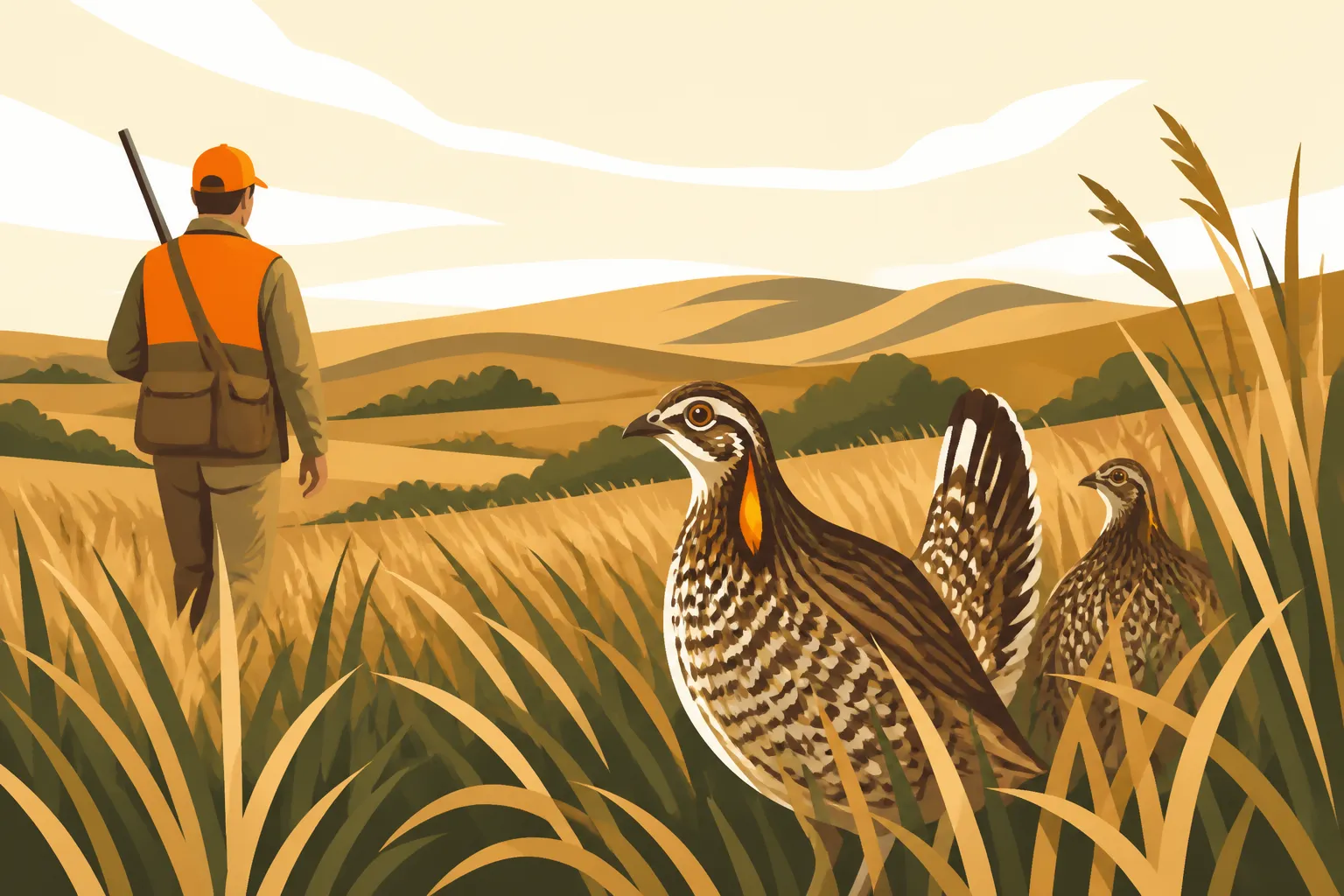
For many upland hunters, the thought of walking the vast, rolling meadows of the Nebraska Sandhills for sharptail grouse is a dream. But let's be honest, it can feel incredibly daunting. This isn't your grandfather's pheasant hunt in a tidy cornfield. This is big country, where birds can appear out of nowhere or seemingly vanish into thin air, and the sheer scale of the landscape can leave you feeling lost and overwhelmed. If you've ever stood on a sandy ridge, scanning an endless expanse of grass and wondering where on earth to even begin, you're not alone. This guide is here to break down the mystique, offering practical, boots-on-the-ground strategies for successfully walking these magnificent prairies and putting some sharpies in your vest.
The Elusive Nature of Sharptails in Nebraska's Sandhills
Hunting sharptails in the Sandhills is a dance with the wild. These birds are creatures of the open prairie, masters of camouflage, and they demand a deep understanding of their habits and their home. You won't find them holding tight in a cattail slough like a pheasant; they're more likely to run ahead of you or flush wild at a distance, making a methodical approach absolutely critical.
Understanding Sharptail Habitat Preferences
Nebraska's Sandhills represent one of the largest intact grass ecosystems in the world, and it's this unique environment that defines the sharp-tailed grouse. Unlike their prairie chicken cousins, which often prefer slightly denser, taller prairie, sharptails gravitate towards a mix of native grasses, sandsage, and brushy draws. They love areas with a mosaic of cover: patches of shorter grass for feeding, taller clumps for loafing, and dense thickets of sandsage or plum brush for protection from predators and the elements.
When you're out there, look for these transitions. A slight rise with short, sparse grass might be a feeding area, while the adjacent draw filled with knee-high bluestem or a dense patch of sandsage is where they'll likely be loafing midday. In the early season, when insects are still abundant, you might find them in areas with more forb growth. As the season progresses and temperatures drop, they'll seek out thicker thermal cover, especially on south-facing slopes that catch the sun. Understanding these nuances is key to narrowing down those seemingly endless acres.
Seasonal and Daily Movement Patterns
Sharptail behavior isn't static; it shifts with the seasons and even throughout the day. In the early archery and gun seasons, which often coincide with warmer weather, coveys tend to be smaller and more spread out. Young birds haven't fully clumped together yet, and they might be found in more varied cover as they chase grasshoppers or other insects. During this time, a good strategy is to focus on areas that offer both food and immediate cover, often in the transitional zones between short and tall grass.
As autumn progresses into the colder months, sharptails will form larger coveys, sometimes numbering dozens of birds. They become more predictable in their daily routines, often flying from roosting cover on high ridges at first light to feeding areas in valleys or sheltered flats, and then back to heavier cover for midday loafing before returning to feed in the late afternoon. Wind and temperature play a huge role here. On calm, warm days, they might be out in the open more, soaking up the sun. On blustery, cold days, they'll tuck into the thickest, most sheltered cover they can find. If you're out in December, they might be hunkered down and hold much tighter, making for a more thrilling flush. For more on navigating these wide-open spaces, check out our detailed guide on Prairie Grouse Hunting on Nebraska's Open Range.
Essential Gear and Strategic Walking Tactics
Success in the Sandhills isn't just about finding birds; it's about being prepared for the environment and employing smart tactics to outwit these wary grouse. The sheer amount of ground you'll cover means your gear choices and walking strategy are paramount to both comfort and success.
Shotguns, Loads, and Upland Apparel
When it comes to shotguns for sharptails, a fast-swinging, lightweight gun is your friend. Most hunters opt for a 12 or 20 gauge. Since sharptails often flush at a distance, a more open choke like improved cylinder or modified is generally preferred. You'll want to be able to get a pattern on those fast-flying birds before they're out of range. For shot size, 7 ½s are great for early season, but as birds get tougher and the weather gets colder, you might want to step up to 6s for better knockdown power. Remember to always use nontoxic shot if hunting on certain federal lands or Open Fields and Waters tracts where regulations require it.
Your apparel needs to withstand the elements and the terrain. Good quality, broken-in boots are non-negotiable. You’ll be walking for miles, often through loose sand and over uneven ground, so ankle support and comfort are key. Take a look at our article on Boots for Walking Nebraska Grass and Sand for specific recommendations. Durable brush pants are also essential to protect against thorny sandsage and other prickly vegetation. An upland vest or pack with plenty of room for shells, water, harvested birds, and maybe a snack is critical. And, of course, blaze orange is a must for safety, especially if you're hunting with partners or during the overlap of other seasons. Our guide on Upland Vests and Blaze Orange offers excellent advice on staying safe and comfortable.
The Role of a Bird Dog (or Hunting Without One)
While it's certainly possible to walk up sharptails without a dog, having a well-trained bird dog is an undeniable advantage. Pointers can find and hold birds, allowing you to get in position for a shot, while flushers can cover ground and push birds towards you. More importantly, a dog is invaluable for finding downed birds in the thick, camouflaging grass. A lost bird is a terrible shame, and a good retriever drastically reduces that possibility.
However, hunting the Sandhills with a dog presents its own set of challenges. The sand can be brutal on paws, and the temperatures, especially during the early season, can be dangerously high. Always carry plenty of water for your dog and monitor them closely for signs of overheating or exhaustion. Consider dog boots if the sand is particularly hot or abrasive. For comprehensive tips on keeping your canine companion safe and effective, refer to our piece on Water and Heat Risk for Bird Dogs. If you're hunting without a dog, you'll need to rely more on methodical walking patterns, keen observation, and good marking skills to locate and recover birds.
Effective Walking Patterns and Techniques
Walking for sharptails isn't just aimless wandering. It's a strategic process. One common and effective technique is to walk in a zig-zag or grid pattern across the terrain, paying close attention to changes in elevation, cover density, and wind direction. Work ridges and draws systematically. Sharptails often prefer to face into the wind, so if you can approach them from a direction that forces them to flush into the wind, they will usually rise slower and offer a better shot opportunity.
Don't be afraid to pause frequently. Stop, look, and listen. Sharptails are masters of holding tight, and sometimes the act of pausing is enough to make them nervous and flush. Watch for subtle movements in the grass, listen for soft clucks or wing beats, and keep an eye on distant birds that might be running ahead of you. These birds can be incredibly frustrating, often flushing just out of range. Persistence and covering ground are critical, but so is smart hunting. Many successful sharpie hunters will tell you that the best tactic is simply Working Sharptails and Prairie Chickens on Foot, literally putting in the miles.
Navigating the Unique Sandhills Landscape
The Sandhills are a landscape unlike any other, and understanding its peculiarities is vital for a successful and safe hunt. From finding accessible land to coping with its distinctive terrain, every aspect requires a thoughtful approach.
Public Access and Scouting Resources
Finding huntable land in the vast Sandhills might seem overwhelming, but Nebraska offers excellent public access. Key areas include parts of the Nebraska National Forests and Grasslands, like the Bessey Ranger District or the Samuel R. McKelvie National Forest, both of which offer fantastic grouse habitat. The Oglala National Grassland in the far northwest is another prime location, well-known for its mule deer and antelope, but also holding good numbers of sharptails. You'll also find numerous Wildlife Management Areas (WMAs) and Open Fields and Waters (OFW) tracts scattered throughout the region.
The Nebraska Game and Parks Commission's Public Access Atlas is an indispensable tool for locating these areas. You can download it, or use mapping apps that integrate this data. Applications like GoHunt are invaluable for overlaying public land boundaries, satellite imagery, and even property owner information, making it easier to identify huntable ground and plan your routes. Many successful hunts begin with thorough digital scouting before ever setting foot in the field. Our guide on Reading the Nebraska Public Access Atlas will help you get started with this crucial resource. For specific locations, you might consider articles like McKelvie Forest Grouse Hunting or even Oglala National Grassland Hunting for ideas. Remember that while there's much public ground, the Sandhills are also home to extensive private ranch lands, so always confirm land status and obtain permission if crossing private property.
Tackling the Terrain: Sand, Hills, and Valleys
Walking the Sandhills is physically demanding. The rolling hills, or "choppy" country as some call it, combined with loose sand underfoot, will test your stamina. You'll climb a sandy ridge, only to descend into a valley, then climb another. This constant up-and-down, often through thick grass, makes for slow going. Hydration is absolutely crucial, especially in the early season. Carry more water than you think you'll need, even in cooler weather, as the exertion will dehydrate you quickly.
Navigation is another important consideration. While the terrain might seem monotonous, it's easy to lose your bearings among the similar-looking dunes and valleys. A reliable GPS unit or a smartphone with mapping capabilities (and a backup battery!) is essential. Mark your vehicle, significant landmarks, and any birds you flush. Also, be mindful of how you access areas. Many Sandhills roads are simply two-tracks through the grass, and sand can get very deep. Our article on Sandhills Two-Track Road Access offers vital tips for preventing getting stuck. Prepare for long walks, sometimes miles from your vehicle, so plan your routes carefully and always let someone know where you're headed.
Identifying Sharptails vs. Prairie Chickens
While often found in similar habitats, especially in the Sandhills, telling the difference between a sharp-tailed grouse and a greater prairie-chicken is important for legal bag limits and for appreciating the distinct beauty of each bird. Sharptails tend to be a bit lighter in color with more pointed tail feathers and a more noticeable V-shape in their tail during flight. Prairie chickens, on the other hand, have a more rounded tail and a darker, more barred plumage.
In flight, sharptails often have a characteristic "chopping" wingbeat and can glide more. Prairie chickens tend to fly with more continuous, rapid wingbeats. On the ground, sharptails often show a small amount of white on their outer tail feathers, which prairie chickens lack. While not critical for hunting tactics themselves, being able to identify your target accurately is a sign of a responsible hunter. If you're unsure, it's always best to be conservative. For a detailed breakdown of their differences, consult our guide on Telling a Sharptail From a Prairie Chicken.
Optimizing Your Hunt: Timing and Conditions
Even with the best gear and knowledge of bird behavior, timing is everything. The weather and time of day can dramatically influence your chances of success. Understanding these factors can help you maximize your time afield and increase your opportunities.
Best Time of Day and Season
Sharptails are most active during the early morning and late afternoon, much like many other game birds. These are the times when they're typically moving from roosting areas to feeding grounds. Hunting during these peak activity periods increases your chances of encountering birds that are more willing to hold or more visible as they move. Midday can be slower, with birds often loafing in dense cover, but it can also be a good time to methodically work thicker draws or plum thickets where they might be hunkered down.
The sharp-tailed grouse season in Nebraska opens in September, often bringing warm, even hot, temperatures. While challenging for hunters and especially for dogs, this early season can be productive if you focus on areas with water sources or cooler, shaded cover. As the season progresses into October and November, temperatures become more moderate, and birds often consolidate into larger coveys, offering different hunting challenges and rewards. Later in the season, colder temperatures and potential snow can make birds hold tighter, leading to explosive flushes. For specific considerations during warmer periods, you might find our article on Hunting Grouse in September Heat useful.
Weather's Impact on Sharptail Behavior
Weather conditions are a major factor in sharptail hunting. Wind, in particular, has a profound effect. On windy days, birds tend to hold tighter in cover, making them harder for dogs to scent and for hunters to flush. However, a strong wind can also mask your approach, allowing you to get closer. Conversely, a calm, sunny day might see birds more spread out and relaxed. Rain can make birds hunker down, while a fresh snowfall can make them easier to spot against the white backdrop, though they'll often be found in the thickest cover available.
Temperature also dictates activity. In extreme heat, birds will seek shade and water, becoming less active. In cold weather, especially with snow, they focus on finding food and thermal cover. Being able to read the weather and predict how it might influence bird behavior is a skill honed over many hunts, and it will significantly improve your chances in the field.
Post-Flush Strategy and Recovery
The moment a covey of sharptails explodes from the grass is one of the most exhilarating experiences in upland hunting. But the hunt isn't over when the shooting stops. Immediately after a flush, make a mental note of where the birds flew and, if possible, where specific singles or pairs landed. Sharptails often fly a good distance before pitching down, so marking their flight path is crucial.
Once you’ve taken your shots, quickly retrieve any downed birds. If you're without a dog, walk a systematic grid pattern around where you last saw the bird fall, expanding your search outwards. If you have a dog, let them work the area. After retrieving, consider where the remaining birds might have settled. Sharptails often regroup, so if you marked them well, you might be able to make another approach on scattered singles or a smaller group. This post-flush strategy is often where persistence pays off, turning a single shot into a productive follow-up opportunity.
| Gear Item | Purpose | Key Considerations for Sandhills |
|---|---|---|
| Shotgun | Flushing birds in open country | Lightweight, fast-swinging (12 or 20 gauge); open choke (IC/Mod) |
| Ammunition | Effective knockdown power | 7.5 shot early season, 6 shot late season; non-toxic where required |
| Boots | Miles of walking, uneven sandy terrain | High ankle support, comfortable, waterproof, durable sole |
| Brush Pants | Protection from thorns and abrasive vegetation | Durable, thorn-resistant fabric (e.g., canvas, waxed cotton) |
| Upland Vest/Pack | Carrying essentials and harvested birds | Ample pockets, game bag, water bladder/bottle holders, blaze orange |
| Water Bottle/Bladder | Essential hydration for hunter and dog | Large capacity (2-3+ liters), easily accessible |
| GPS/Mapping App | Navigation and marking locations | Reliable, pre-loaded maps, extra battery pack, offline capability |
| Blaze Orange | Safety and visibility | Hat and vest (minimum 400 sq. inches), highly visible |
| Dog (if applicable) | Locating and retrieving birds | Paws protected, well-hydrated, e-collar, comfortable vest |
Disclaimer
Hunting is an inherently dangerous activity. Always prioritize safety, follow all local, state, and federal regulations, and be aware of your surroundings and hunting partners. The information provided in this guide is for educational purposes only and should not replace proper training or expert advice. Be sure to check the current Nebraska Game and Parks Commission regulations before heading afield, as rules and seasons can change.