Hunting Antlerless Deer in Nebraska in January
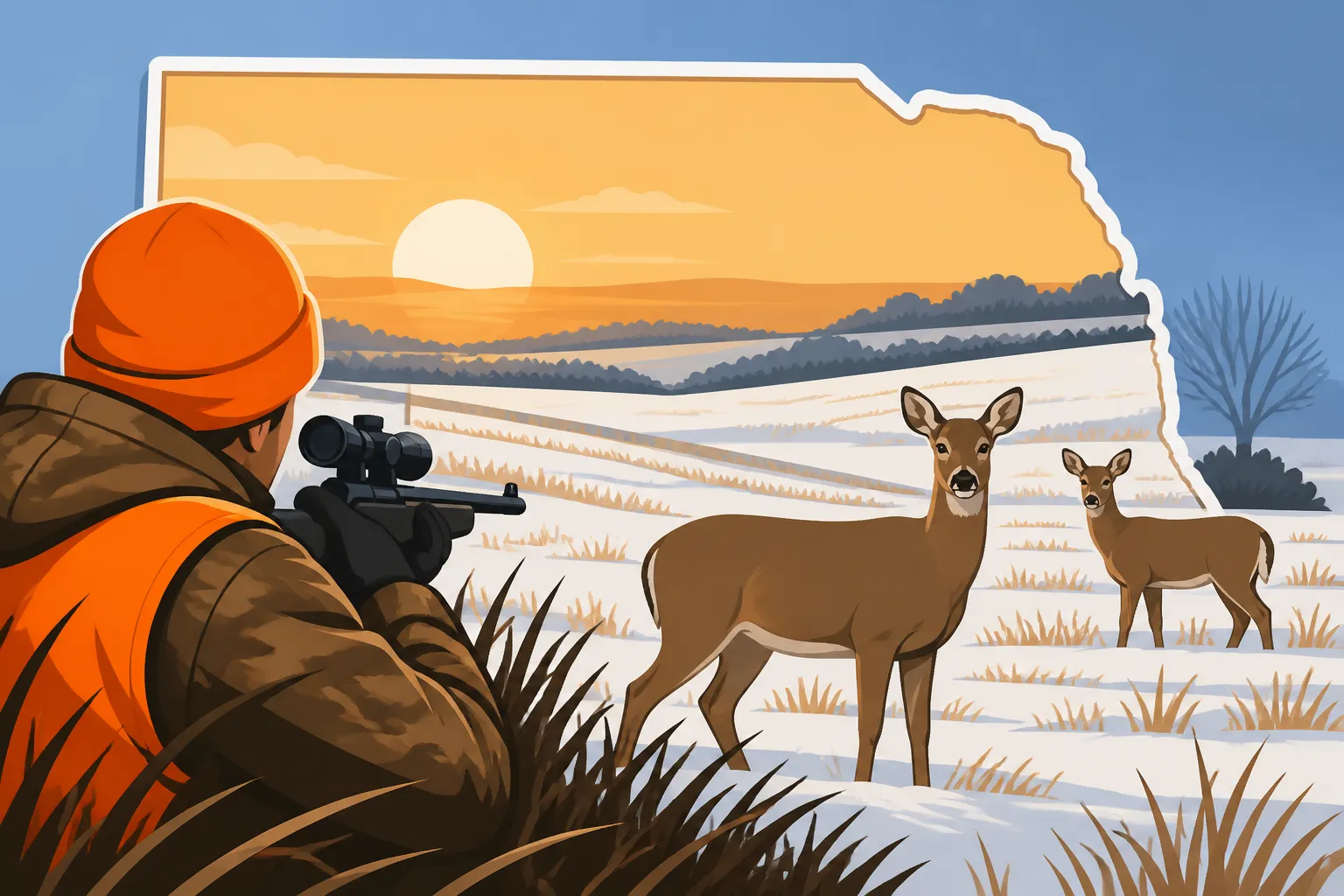
For many hunters, the closing of Nebraska’s regular firearm season feels like the end of the road, leaving a lingering desire for one more chance to be in the deer woods. The frustration of wanting to extend your time afield, or needing to fill the freezer, is a common one. But don't despair! Nebraska offers a fantastic, often overlooked opportunity to keep hunting well into the new year: the January antlerless deer season. This guide will walk you through everything you need to know to make the most of this unique late-season hunt, from finding the deer to staying warm and making a successful harvest.
Why Hunt Antlerless Deer in January? Extending Your Season and Filling the Freezer
When the hustle and bustle of the November firearm season and even the December muzzleloader season have passed, many hunters pack away their gear, thinking deer season is truly over. But in Nebraska, January presents a golden opportunity to extend your time in the field, enjoy a quieter hunting experience, and put some delicious, late-season venison in the freezer. It’s a chance to enjoy the solitude of winter hunting and make a significant contribution to deer management.
Extending Your Season and Filling the Freezer
Let's be honest, few things are as satisfying as a full freezer, and January antlerless tags are often easier to acquire, especially after the more coveted buck tags are long gone. This extended season provides a vital opportunity to harvest additional deer, helping you stock up on lean, organic meat for the year ahead. The venison from late-season deer is often considered some of the best, as the deer have been foraging on winter food sources, and the cold weather makes for ideal meat care conditions post-harvest. It’s also a perfect time to introduce new hunters, especially youth, to the sport without the high pressure of earlier seasons. The focus shifts from trophy hunting to a pure enjoyment of the outdoors and the satisfaction of a successful harvest for the table. Think of those long winter evenings, a warm fire, and the thought of venison chili or roasts to come – it's a truly rewarding experience that keeps the hunting season alive a little longer.
Deer Management and Permit Opportunities
Hunting antlerless deer in January is more than just extending your season; it's a crucial component of effective deer population management in Nebraska. By reducing the doe population, particularly in areas with higher deer densities or agricultural damage, the Nebraska Game and Parks Commission helps balance the herd with the available habitat, mitigate crop depredation, and maintain overall herd health. This is particularly important after mild winters or several years of good fawn recruitment can lead to localized overpopulation. For hunters, this translates into more accessible permits. Often, antlerless-only permits become available over-the-counter or are simply easier to draw compared to the highly sought-after buck tags. It’s always a good idea to check the Nebraska Antlerless Permit Availability by Unit well in advance, as certain units might have more permits available than others, especially as the season progresses. These permits are typically designed to give hunters additional opportunities to participate and assist in maintaining healthy deer populations, making it a win-win for both wildlife managers and those looking for more hunting time.
Understanding the January Deer Landscape
Hunting in January is a completely different ballgame than hunting in September or October. The landscape has changed dramatically; crops are off, many natural food sources are depleted, and the cold, often snowy, weather dictates deer movement and behavior in profound ways. Understanding these shifts is absolutely critical to locating deer successfully.
Prime Late-Season Food Sources
By January, the lush green fields of fall are long gone, replaced by dormant stubble and often a blanket of snow. Deer are no longer casually browsing; they are in survival mode, meticulously seeking out high-energy food sources to sustain them through the cold. This makes locating primary food sources your number one priority. Standing corn, if any remains, becomes an absolute magnet. Deer will literally live in it, especially during brutal weather. Harvested corn and milo stubble fields, even with minimal waste grain, will draw deer in droves, particularly in the hours just before dark. Look for winter wheat fields, clover plots, or brassica food plots planted specifically for late-season hunting; these are like five-star restaurants for deer. Even persistent browse, like multiflora rose, honeysuckle, or greenbriar, especially if it's protected from heavy snow, will be utilized. If you can find a field with standing corn or a well-maintained food plot, you’ve found the deer’s pantry, and they'll visit it frequently. Knowing your area's agricultural patterns, and what crops might still be available, is a huge advantage. You might even find success on small patches of alfalfa or leftover soybeans, though these are less common by January. For more details on what deer are eating, consider studying Late-Season Food Sources in Nebraska.
Critical Cover and Thermal Protection
Beyond food, thermal cover is the next most vital element for deer in January. When temperatures plummet and the wind howls, deer seek out the densest, most protected cover they can find. This usually means thick cedar thickets, particularly on south-facing slopes that catch what little winter sun there is. River bottoms, especially those choked with dense willows, dogwoods, or mature cottonwoods, offer both thermal protection and often some residual browse. Cattail sloughs, even if they're frozen, provide incredible bedding cover that insulates against wind and cold. Shelterbelts—those lines of trees planted by farmers—become critical travel corridors and bedding areas, especially in open agricultural country. In areas like the Nebraska Sandhills, deep canyons or "blowouts" with thick brush can hold surprisingly large numbers of deer. When you're scouting, look for sign in these areas: tracks, beds, and rubs, even if they’re old, indicating historical use. The colder and windier it gets, the tighter deer will stack into these sanctuaries. Pay close attention to how deer move between these cover types and available food sources. Often, deer will yard up, meaning large numbers of deer congregate in smaller areas of prime habitat to conserve energy. Understanding Where Deer Yard Up in a Nebraska Winter can be a game-changer for January success.
Post-Rut Behavior and Wintering Patterns
By January, the frantic energy of the rut is a distant memory. Bucks have shed most of their fat reserves, and does are recovering from the demands of breeding. Deer behavior shifts dramatically towards pure survival. They are less mobile, moving only when necessary, and their focus is almost entirely on conserving energy and finding food. Bachelor groups of bucks might start reforming, while does and their fawns will stick together. Their movements become highly predictable, typically a short commute from dense bedding cover to the most accessible, highest-calorie food source, and back again. This predictability is a huge advantage for late-season hunters. Snow cover, when present, can be a valuable tool, revealing clear travel routes and concentrated bedding areas. Heavy snow, in particular, will drastically alter deer movement, often forcing them to use trails of least resistance, like old roads or fence lines. Recognizing how Deep Snow and Deer Movement interact can significantly improve your chances. This means patience is paramount; deer might not move until late afternoon, often just before legal shooting light ends, or early in the morning before sunrise. They’ll hunker down during the coldest parts of the day, seeking shelter from the wind and cold.
Tactical Approaches for January Success
Hunting in January requires a different mindset and a refined set of tactics. You're not calling to rutting bucks or covering miles of open ground in early fall. Instead, it's about precision, patience, and leveraging the deer's concentrated winter behavior.
Still-Hunting and Scouting Snow
When there's snow on the ground, still-hunting can be incredibly effective, especially in timbered river bottoms or thick cedar draws. The fresh snow acts as a perfect canvas, revealing every deer track and trail, telling you exactly where deer are moving and bedding. The trick is to move agonizingly slow – a step, then scan, another step, then scan. Look for ears, horizontal lines in a vertical world, or flicking tails. With deer so focused on survival, they often bed tightly in cover, relying on their camouflage. Your biggest ally here is patience and keen observation. If you spot fresh tracks leading into a thicket, slowly work your way in, using the wind to your advantage, stopping frequently to glass ahead. The snow also muffles your footsteps, giving you a stealth advantage. Pay close attention to creek crossings, pinch points, and the edges of bedding areas. A fresh set of tracks leading into a specific patch of cover is a strong indicator that a deer is close. This method is particularly rewarding in areas like Still-Hunting a Snow-Covered River Bottom, where the terrain naturally funnels deer. Remember, if you’re moving fast, you’re just bumping deer.
Stand Hunting Key Funnels and Food
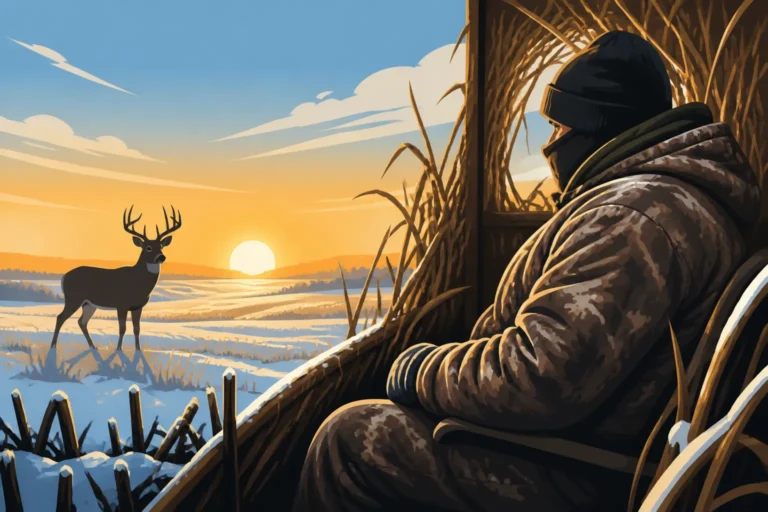
Despite the cold, a well-placed stand can still be incredibly effective for January antlerless hunting. The key is placement: focus on travel corridors between dense bedding cover and the most attractive late-season food sources. This might be a pinch point where a creek bottom narrows, a fence line that deer habitually cross, or a small block of timber connecting two larger woodlots. Position your stand (or ground blind, which offers more thermal protection) to intercept deer as they move to and from feeding areas, especially during the last hour of daylight. Since deer movement is often minimal during the day, this strategy requires patience and the ability to sit comfortably in the cold for extended periods. Ground blinds, especially those well-brushed into the landscape, can offer a significant advantage for comfort and concealment in open country, as detailed in Using a Ground Blind on Nebraska Public Ground or Ground Blinds in Open Nebraska Country. With the GoHunt app, you can precisely identify property lines and optimal access points, ensuring you’re set up where legal and effective. Remember to consider wind direction carefully; deer in January are even more sensitive to scent than in earlier seasons due to their reduced movement and heightened survival instincts.
Small-Scale Drives and Pressure
In certain situations, particularly with small blocks of timber, dense cattail sloughs, or thick shelterbelts, a small-scale deer drive can be a highly effective tactic for pushing out bedded antlerless deer. This works best with two or three hunters: one or two "drivers" who slowly walk through the cover, and one or two "blockers" positioned at the anticipated escape routes. Safety is paramount with this method; always know where every hunter is located, wear plenty of blaze orange, and have a clear communication plan. The goal isn't to run deer, but to gently push them from their bedding cover into an area where a blocker can get a safe, ethical shot. This tactic is particularly good for dense cover where still-hunting is difficult. It’s also a way to quickly cover ground and pinpoint where deer are holed up. Keep the drive slow and deliberate. For smaller parcels of land, the advice from Two-Person Deer Drives on Small Timber can be particularly relevant. Before attempting a drive, ensure you've thoroughly scouted the cover to understand potential escape routes and identified safe shooting lanes for the blockers.
Essential Gear and Preparation for the Cold
January hunting in Nebraska often means battling brutally cold temperatures, biting winds, and sometimes deep snow. Being unprepared can quickly turn a hunt into a miserable, even dangerous, experience. Proper gear and meticulous preparation are non-negotiable for success and safety.
Layering for Extreme Cold and Wind
The key to staying warm in Nebraska’s January weather isn't one heavy coat, but a system of layers that can be adjusted as conditions or your activity level changes. Start with a moisture-wicking base layer (merino wool or synthetic, never cotton) to pull sweat away from your skin. Next, add a warm mid-layer for insulation, like a fleece or down jacket. For your outer layer, you need something that is absolutely windproof and water-resistant. The fierce winds on the Nebraska plains can cut through anything, so a quality wind-blocking shell is crucial. Consider the guidance in Layering for a Nebraska November Sit and prioritize items specifically designed to block wind. Hand warmers, insulated boots rated for extreme cold, and a warm hat and face mask are also essential. When sitting still for long periods, like in a ground blind or stand, your body generates less heat, making good insulation even more critical. Having extra layers in your pack is always a good idea, as conditions can change rapidly. Remember, a cold hunter is a distracted, uncomfortable, and less effective hunter. For specific recommendations, many experienced hunters rely on brands like Sitka or Kuiu for their technical layering systems designed for extreme cold.
Optics and Navigation in Winter Conditions
Good optics are always important, but in January, they become indispensable. With deer often bedded tightly in thick cover, spotting a subtle flick of an ear or the outline of a deer through sparse branches can make all the difference. High-quality binoculars (10×42 or 12×50) are a must for patiently scanning distant fields and dense thickets. If you’re hunting the more open country of western Nebraska, a spotting scope might also be beneficial. A reliable rangefinder is crucial for making ethical shots, especially when judging distances in snow-covered, featureless landscapes. For navigation, a robust GPS unit or a reliable hunting app on your smartphone, like the GoHunt app, is essential. The GoHunt app's public land layers are invaluable for navigating public hunting ground in Nebraska, especially when scouting for hidden pockets of cover or food sources. Download offline maps before you head out, as cell service can be spotty in remote areas. Knowing your precise location, especially when tracking a deer in diminishing light or unfamiliar terrain, is a critical safety measure. Before you head out, thoroughly familiarize yourself with your chosen hunting area using the Nebraska Public Access Atlas Mobile App and GoHunt's detailed maps.
Meat Care in Freezing Temperatures
While January's cold temperatures are generally a boon for meat care, proper field dressing is still paramount. The freezing air will help cool the carcass quickly, which is fantastic for preventing spoilage. However, don't assume the cold negates the need for prompt field dressing. Get the entrails out as quickly as possible to allow the body heat to dissipate. If temperatures are consistently below freezing, you won't have to worry as much about flies or rapid spoilage. However, be cautious about the meat freezing solid before rigor mortis sets in and the meat properly cools and ages. If the meat freezes too quickly, it can become tough. Ideally, the meat should cool to around 35-40°F (1-4°C) for several hours or overnight before it completely freezes. If you're quartering the deer in the field, use game bags to keep the meat clean and protected from dirt, snow, or scavengers. For tips on transporting your harvest, especially if you're traveling a distance, information on Getting Venison Home From Nebraska can be useful. A sharp knife, a bone saw, and a good headlamp are non-negotiable items for processing in cold, low-light conditions.
Nebraska's January Antlerless Seasons: Units and Dates
Understanding which units are open and what the specific dates are for January antlerless deer hunting is critical for planning your hunt. While many permits are statewide, some units might have specific regulations or additional opportunities.
Key Dates and Units for January Antlerless Deer
Nebraska typically offers late antlerless deer seasons that extend through January 15th, and sometimes even longer in certain designated units. These permits are usually known as "Antlerless Only" or "Antlerless Whitetail Only" (AWO) tags. It's crucial to consult the current Nebraska Big Game Guide published by the Nebraska Game and Parks Commission for the exact dates and unit-specific information each year, as regulations can sometimes change. Generally, permits might be available in various Deer Management Units across the state. The availability can vary based on population goals and previous harvest numbers. It's common to find January antlerless opportunities in units located in eastern Nebraska's agricultural lands, where whitetail populations can be higher and management efforts focus on reducing herd size to mitigate crop damage. Western units might also have offerings, especially for antlerless mule deer, though these can be more limited. For the most up-to-date information, always refer to the official NGPC website or the current season guides. Don't just assume; double-check the regulations for the specific unit you plan to hunt to avoid any surprises. You can often find permits as over-the-counter options, but they can still sell out, so it’s best to secure them as early as possible.
Accessing Public and Private Land
Access is often the biggest challenge for any Nebraska hunter, especially in January. For public land, Nebraska has a fantastic program called Open Fields and Waters (OFW), which leases private land for public hunting access. These tracts, marked with distinctive yellow signs, often include prime late-season habitat like unharvested crops, shelterbelts, and river bottoms. The Nebraska Public Access Atlas and the GoHunt app are invaluable resources for locating these tracts, along with Wildlife Management Areas (WMAs), State Recreation Areas (SRAs), and National Forests/Grasslands. Be aware of specific rules for each public area, as some might have restrictions on vehicle access, overnight parking, or stand placement. For private land, gaining permission is key. January often sees less competition for access, as most hunters are done for the year. A polite knock on a landowner's door, offering to help with deer management by taking an antlerless deer, can often open doors. Highlight that you're targeting does, which helps their herd and reduces potential crop damage. Offering to share some of the venison can also be a strong incentive. Many landowners appreciate responsible hunters who help manage deer populations on their property. Remember to always get clear permission, and confirm property boundaries before you step foot on private ground.
| Late-Season Food Source | Type of Cover Deer Seek | Typical Location |
|---|---|---|
| Standing Corn / Milo | Cedar Thickets | River Bottoms, Hillside |
| Harvested Grain Stubble | Cattail Sloughs | Wetlands, Low-lying Areas |
| Winter Wheat / Alfalfa | Shelterbelts / Tree Rows | Field Edges, Fencelines |
| Brassica Food Plots | Dense Willow Thickets | Creek Banks, Wet Areas |
| Persistent Browse | Scrub Oak / Brush Piles | Pastures, Abandoned Fields |
Important Considerations for a Successful January Hunt
Beyond the tactics and gear, a few crucial considerations will round out your January antlerless deer hunting experience, ensuring it's both successful and safe.
Cold Weather Sitting Strategy
Sitting still in sub-freezing temperatures for hours on end is a mental and physical challenge. Your cold weather sitting strategy needs to be as robust as your layering system. Start by ensuring you have enough high-calorie snacks and warm drinks (like coffee or broth in a thermos) to maintain your energy and core temperature. An insulated seat cushion is a must, especially in a ground blind or a treestand, to prevent heat loss through contact with cold surfaces. Hand and foot warmers can provide critical supplemental heat. Choose a stand location that offers some protection from the prevailing wind, even if it's just a small clump of trees. Consider bringing a small, portable heater for a ground blind if allowed in your area (check regulations carefully, especially on public land). Most importantly, manage your expectations. You might not see constant movement. Be patient, stay positive, and focus on the quiet beauty of the winter woods. Knowing how to adapt your Cold Weather Sitting Strategy will dictate your comfort and longevity in the field.
Tracking and Recovery in Winter Conditions
Tracking a deer in snow can be both a blessing and a curse. Fresh snow provides an undeniable blood trail, making recovery much easier. However, if the snow is falling, it can quickly obscure tracks and blood. If you make a shot, give the deer ample time, especially if it's cold, to expire before taking up the trail. Even a seemingly good hit can result in a longer track when deer are stressed and trying to conserve energy. Be methodical, look for signs of a good hit (blood color, hair, bone fragments), and mark your last known blood with flagging tape before you lose it. If you're tracking in deeper snow, remember that deer will typically take the path of least resistance. This could be a ditch, a frozen creek bed, or a game trail. Be prepared for longer tracks, especially if the deer is hit marginally. Having a quality headlamp with fresh batteries is essential for tracking after dark. If you lose the trail, back out, regroup, and return with a fresh perspective or more hunters. The cold helps preserve the meat, so don't rush a track that could be long.
Safety in the Solitude of Winter Hunting
January hunting often means fewer people in the field, which can be wonderful for solitude, but it also means help might be further away if you run into trouble. Always let someone know exactly where you are hunting and when you expect to return. Carry a fully charged cell phone (and a portable charger), a first-aid kit, and enough supplies to spend an unexpected night out if necessary. Be mindful of changing weather conditions. A clear, calm morning can quickly turn into a blizzard in Nebraska. Dress appropriately for the coldest possible conditions, and pack extra layers. If you're hunting with a firearm, practice safe firearm handling, especially with cold, stiff fingers. When using knives for field dressing, exercise extreme caution. Consider wearing blaze orange, even if not strictly required, to increase your visibility to any other hunters who might be out, particularly in areas like Orange Requirements for Archers in November which covers overlapping seasons. Driving on snow and ice-covered rural roads requires extra vigilance. Always prioritize safety above all else, and enjoy the unique challenge and reward that January antlerless deer hunting in Nebraska offers. It's truly a special way to experience the outdoors and extend your hunting season.
Disclaimer
Please remember that hunting regulations, season dates, and permit availability can change annually. Always consult the official Nebraska Game and Parks Commission website or the most current hunting guide for the definitive and up-to-date information before planning any hunt. This guide is for informational purposes only and does not supersede official state regulations.