Two-Person Deer Drives on Small Timber
There are times in the Nebraska deer woods when the classic "sit and wait" strategy just doesn't cut it. Whether it's high winds, pressured public ground, or deer holding super tight in small, isolated pockets of cover, you need to be proactive. That's where a well-executed two-person deer drive on small timber can turn a slow day into a successful one, allowing you to ethically move deer and create shot opportunities that wouldn't otherwise exist.
Why Small Timber Drives Make Sense
Hunting small timber, like a narrow creek bottom, a cedar draw, or a shelterbelt, presents a unique set of challenges. Deer often feel secure in these dense, limited spaces, especially when surrounded by open fields. They might bed down for the day and be reluctant to move, even with significant hunting pressure nearby. A two-person drive is incredibly effective in these situations because it allows for subtle, controlled movement that can nudge deer without blowing them out of the country entirely. It's a precise tactic, not a wild stomp-through, designed to outsmart a deer's natural inclination to sit tight until the last possible moment.
Understanding Deer Behavior in Confined Cover
Deer in small timber blocks, particularly mature bucks, are masters of concealment. They know every ditch, every thicket, and every escape route. Instead of fleeing immediately, they'll often try to slip out the back, circle the pusher, or hunker down in the densest cover, letting the "threat" pass them by. This is why a strategic approach, rather than a full-throttle charge, is crucial. Your goal isn't to scare deer into a full sprint but to make them uncomfortable enough to stand up and attempt to sneak away, ideally past a waiting shooter. They often use thermal cover like cedar thickets, or bedding areas in river bottoms, where they can evade detection.
When deer are holding tight, their primary instinct is to use their senses – hearing, smell, and sight – to assess the threat. A slow, deliberate push can exploit this. They'll hear you, smell you if the wind is wrong for them, and eventually see you if you get too close. The key is to initiate movement before they're fully spooked, prompting them to move on their terms, which often means moving slowly and cautiously, offering better shot opportunities for the watcher. Knowing Where Nebraska Whitetails Bed in Row-Crop Country can give you an edge in predicting their behavior.
The Advantages of a Two-Person Team
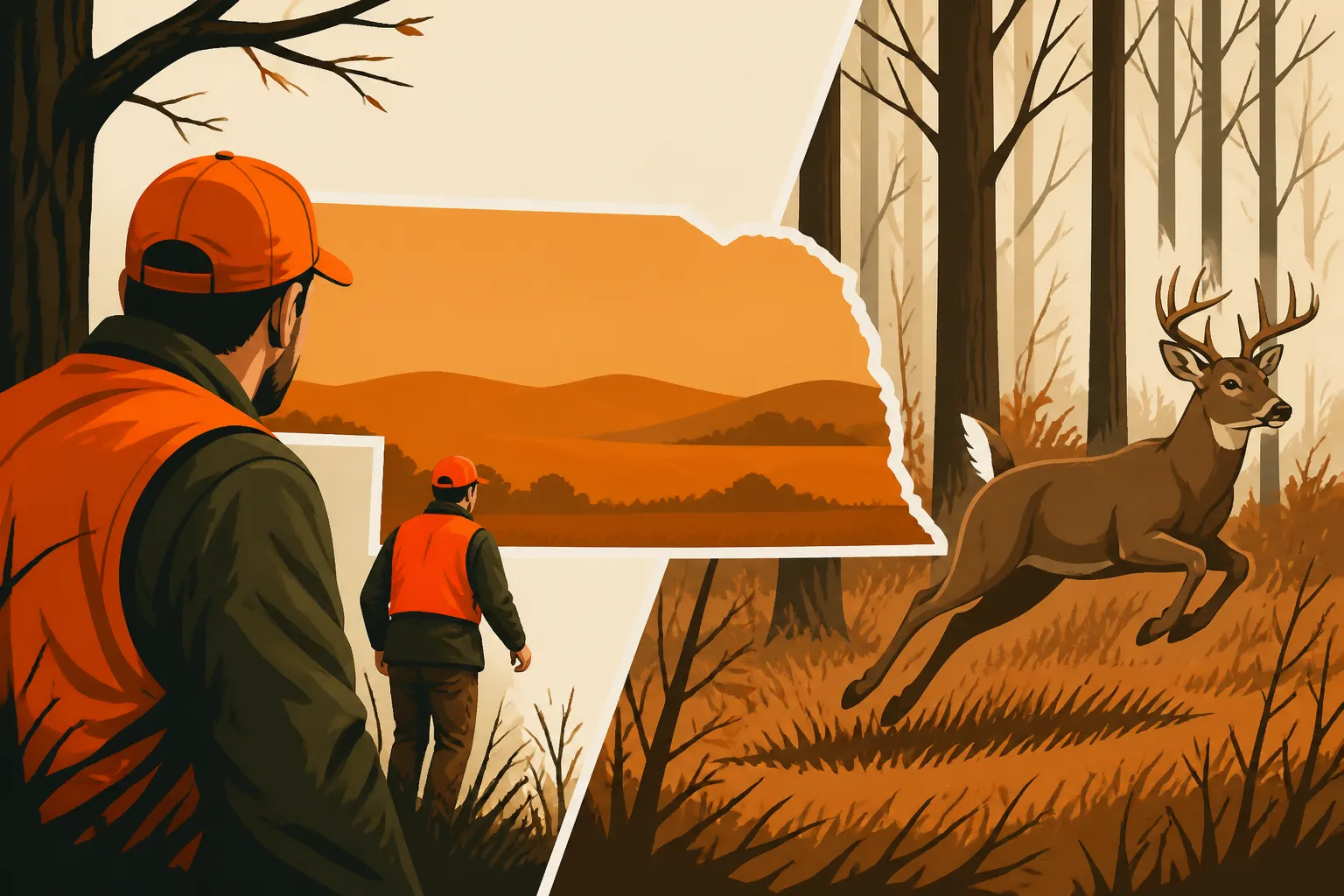
A two-person drive is inherently more controlled and less disruptive than a large group drive. With just two people, you can maintain better communication and adjust your strategy on the fly. One person acts as the "driver" or "pusher," slowly moving through the cover, while the other is the "watcher" or "blocker," positioned to intercept deer as they try to escape. This dynamic allows for a more targeted effort, focusing on specific pieces of cover.
This method also significantly reduces the risk of accidental injury, as there are fewer people moving in the woods, and communication can be clearer. It's a fantastic way to introduce a new hunter to active deer hunting, allowing them to experience the thrill of the chase while learning valuable woodsmanship skills like reading sign, understanding wind, and anticipating deer movement. Plus, it's just plain fun to hunt with a buddy and work together to fill a tag.
Planning Your Two-Person Drive
The success of a two-person deer drive hinges entirely on meticulous planning. You can't just randomly walk into a timber block and expect deer to cooperate. You need to scout the area, understand the wind, identify potential escape routes, and communicate clearly with your partner. This detailed preparation ensures that both hunter roles are optimized for success and safety.
Scouting the Timber and Surrounding Area
Before you even think about a drive, thorough scouting is non-negotiable. Walk the timber block you intend to drive, paying close attention to fresh tracks, rubs, scrapes, and bedding areas. Identify the densest cover, where deer are most likely to hold tight. Note any natural funnels or pinch points that deer might use to exit the timber. Look for fallen logs, steep banks, or thick brush that could impede a deer's escape or your movement.
Examine the surrounding terrain as well. Are there open fields, CRP, or other timber blocks nearby? Where are deer likely to go once they leave your chosen timber? Use mapping tools like GoHunt to mark key features, potential escape routes, and optimal positions for the watcher. These digital tools can be invaluable for understanding the lay of the land, especially on unfamiliar public ground. Knowing Reading a Cedar Draw for Deer Movement can help you predict where deer will enter and exit.
Understanding Wind Direction and Deer Movement
Wind is arguably the most critical factor in any deer hunt, and a two-person drive is no exception. The driver needs to move with the wind in mind, typically pushing deer either crosswind or slightly downwind towards the watcher. The watcher, on the other hand, must be positioned downwind of the anticipated escape route, so their scent isn't carried to the deer before they emerge.
Deer are incredibly sensitive to scent. If the wind carries your scent to them too early, they'll often circle back, bust out in an unexpected direction, or simply hunker down even tighter. Always check the prevailing wind before starting your drive, and have a contingency plan if it shifts. A slight breeze can become a swirling vortex in dense timber, so pay attention to how the wind interacts with the topography. This is particularly important if you're hunting smaller timber strips that are highly exposed to the elements, where Wind Direction on Open Nebraska Prairie Stands might be very different from inside the trees.
Identifying Escape Routes and Watcher Positions
Once you've scouted the timber and understood the wind, the next step is to pinpoint the most likely escape routes. Deer are creatures of habit and will often use the path of least resistance or the route that offers the most cover. These could be old logging roads, game trails, creek beds, or even a subtle dip in the terrain. Mark these on your map using your GoHunt app or a physical map.
The watcher's position is paramount. They should set up well in advance of the drive, preferably with a clear shooting lane covering one or more primary escape routes. Think about elevation if possible; a slightly elevated position can give you a better vantage point. Consider using natural cover, like a thick cedar or a downed tree, for concealment. Sometimes, a well-placed ground blind can be effective, allowing the watcher to remain hidden. Ensure the watcher is aware of where the driver will be coming from and where other potential exits are. Setting up properly could involve tactics like Setting Up on a Terrace Bench for an elevated view.
Executing the Drive Safely and Effectively
With careful planning complete, it's time to execute the drive. This phase requires clear communication, disciplined movement, and a constant awareness of your surroundings and your partner's location. Safety should always be your top priority, followed by an effective, controlled push that results in a shot opportunity.
Driver's Role: Slow and Steady
The driver's job is not to run through the timber like a bull in a china shop. Your objective is to gently encourage deer to move, not to full-on spook them. Start your push slowly, walking quietly through the cover. Stop frequently, listening for rustling leaves, snapping twigs, or the subtle thud of hooves. Deer often move just ahead of you, pausing to assess the situation. These pauses are where the watcher earns their keep.
Focus on working the densest cover, the places you identified during scouting where deer are most likely to bed. Try to zigzag slightly, covering the full width of the timber block. If you see fresh sign or jump deer, communicate this to your watcher immediately. Sometimes, just rattling a few branches or making a soft grunt can be enough to get a wary buck on his feet. The speed of your push should be dictated by the size of the timber and the behavior of the deer. A 10-acre block might take 20-30 minutes to push properly. If you encounter deep snow, techniques from Still-Hunting a Snow-Covered River Bottom might apply to your driving method.
Watcher's Role: Patience and Readiness
The watcher's role is often one of intense patience followed by rapid action. Once positioned, the watcher needs to be absolutely still, scanning the escape routes constantly. Have your rifle or bow ready, anticipating the deer's appearance. Remember, deer will often emerge cautiously, looking back over their shoulders at the driver. This can present a fleeting shot opportunity.
Listen for signals from your driver, and use a reliable two-way radio or pre-arranged whistle signals for communication. Make sure you know the safe shooting lanes and backstops. Never take a shot if you're unsure of your target or what lies beyond it. Your job is to be the silent sentinel, ready to capitalize on the deer pushed your way. If you're bowhunting during Nebraska's November firearm season, remember Orange Requirements for Archers in November to ensure safety for both you and your partner. Consider setting up a temporary blind, even if it's just some cut branches, if you're in open country, utilizing techniques from Brushing In a Blind on Open Range.
Communication and Safety Protocols
Clear communication is the cornerstone of a safe and effective two-person drive. Before the hunt, establish clear signals for "deer spotted," "moving," "stop," and "safe to shoot." Two-way radios are ideal, but if you're using hand signals or calls, make sure they are understood by both parties. Agree on boundaries for the drive and no-go zones.
Crucially, both hunters must know where the other person is at all times. The driver should never push towards the watcher if there's any chance of a deer running directly between them, creating a dangerous situation. Always wear plenty of blaze orange, even if not strictly required for your specific season, especially during Nebraska's firearm season when other hunters may be afield. Discuss and agree upon safe shooting lanes and angles, especially when dealing with deer moving quickly through cover. Remember that Entry and Exit Routes on Flat Farm Ground can present unique challenges for communication and safety due to limited visibility.
| Role | Primary Objective | Key Actions | Safety Considerations |
|---|---|---|---|
| Driver | Gently push deer from cover towards the watcher. | Move slowly, stop frequently, work dense cover, communicate deer movement. | Maintain awareness of watcher's position, avoid pushing directly at watcher, wear blaze orange. |
| Watcher | Intercept deer attempting to escape the drive. | Remain still and quiet, scan escape routes, be ready for a shot, confirm target. | Establish clear shooting lanes, ensure a safe backdrop, do not shoot if the driver is in the line of fire, wear orange. |
Post-Drive Considerations and Learning
Even after the shot is taken, or if no deer are moved, the hunt isn't over. There are critical steps to take immediately following the drive, and valuable lessons to be learned for future hunts. Every drive, successful or not, offers an opportunity to refine your tactics and become a more effective hunter.
Tracking and Recovery
If a shot is taken, the immediate priority is tracking and recovery. Even if you saw the deer go down, approach cautiously. Mark the last spot you saw the deer or where you believe it was hit. Look for blood, hair, or disturbed earth. Follow the blood trail slowly and methodically, marking it as you go. Take your time, especially if the blood trail is sparse. Knowing how to effectively track a deer, even on challenging terrain like Tracking a Deer in Sandhills Grass, is a crucial skill.
If daylight is fading or the trail is lost, consider backing out and returning a few hours later, or even the next morning, especially if temperatures are cool. Give the deer time to expire. If you hit the deer in the evening, do not hesitate to use methods for Blood Trailing After Dark in Nebraska if necessary, but always prioritize safety and avoid pushing a potentially wounded animal deeper into cover.
Reviewing the Drive
After each drive, take a moment with your partner to debrief. What worked well? What could have been done differently? Did deer escape in an unexpected direction? Was the wind a factor? Did the driver move too fast or too slow? Was the watcher positioned optimally? Use your GoHunt maps to mark where deer were jumped, where they exited, and where shots were taken. This kind of post-hunt analysis is invaluable for improving your strategy on future drives, whether in the same timber block or a similar one.
Consider the time of year and available food sources. For example, if it's late season, deer will be focused on Late-Season Food Sources in Nebraska, which might influence where they bed and where they'll try to escape to find food. Every piece of information helps you build a more complete picture of deer movement and behavior in your hunting area.
Adapting Tactics for Future Hunts
Deer drives are not a one-size-fits-all solution. You'll need to adapt your tactics based on the specific timber, the number of deer, weather conditions, and even the time of day. If deer are consistently busting out one side, adjust your watcher's position or the driver's approach for the next push. If they're holding incredibly tight, the driver might need to be a bit more assertive, using more sound or even a short, quick burst of movement to get them up.
Practice makes perfect. The more two-person drives you do, the better you and your partner will become at anticipating deer, reading the terrain, and executing a safe and effective push. It's a highly rewarding way to hunt, combining teamwork, strategy, and active woodsmanship to put deer in the freezer.
Disclaimer
Hunting is an inherently dangerous activity. Always prioritize safety, understand and follow all Nebraska Game and Parks Commission regulations, and be mindful of your surroundings and your hunting partners. This guide is for informational purposes only and does not replace professional instruction or local regulations.