Using a Ground Blind on Nebraska Public Ground
Hunting public land in Nebraska with a ground blind can feel like a high-stakes chess match. You're trying to outwit wary game that's already seen its share of human activity, all while competing for space and dealing with Mother Nature's unpredictable whims. This guide is all about giving you the strategies, tips, and realistic expectations you need to make your ground blind a successful asset, not just another piece of gear to haul around the Cornhusker State's diverse public access areas.
The Unique Challenges of Public Land Blind Hunting in Nebraska
Public hunting land in Nebraska offers incredible opportunities, but it also comes with its own distinct set of hurdles when you plan to use a ground blind. It’s not just about setting up a cool hide; it’s about understanding the land, the pressure, and the rules.
Understanding Nebraska's Diverse Public Landscapes
Nebraska is far from flat, featureless farmland. Our public lands range from the expansive, rolling terrain of the Sandhills, to dense river bottoms along the Platte and Missouri, to scattered tracts of timber and CRP in the eastern and central parts of the state. Each landscape presents unique challenges and opportunities for ground blind deployment.
Imagine trying to set up a pop-up blind in the middle of a Sandhills blowout without any natural cover; it would stick out like a sore thumb. Conversely, a small, natural brush blind might be nearly invisible in a cedar thicket. The key is to match your blind type and setup to the specific environment. For example, in the wide-open prairie where big mule deer roam, a low-profile panel blind or even a layout blind might be more effective than a tall hub-style blind. Along a meandering river, you might find cottonwood groves that offer excellent cover for a more traditional blind, allowing you to intercept whitetails moving along the bank. Understanding these nuances before you even load your blind into the truck is paramount.
Navigating Hunter Pressure and Blind Placement
One of the biggest realities of public land hunting in Nebraska, especially during peak seasons like the firearm opener, is hunter pressure. Game animals on these tracts are smart; they've learned to associate vehicles, human scent, and unnatural shapes with danger. This means your ground blind needs to be more than just "hidden"—it needs to be integrated into the landscape in a way that doesn't scream "hunter here!"
Think about how other hunters might approach the area. Are there obvious parking spots or trailheads? Animals will likely avoid these high-traffic zones during daylight hours. Your best bet often lies in getting off the beaten path, walking further, or looking for overlooked pockets of cover. This is where scouting really comes into play, as detailed in our guide on Scouting Nebraska Public Ground Before Opening Day. Consider placing your blind away from primary travel corridors where other hunters might walk, or deeper within cover where game feels safe. You're essentially looking for a "pocket of peace" on pressured ground. Remember, a blind placed poorly, even if perfectly camouflaged, will alert deer if it’s in a spot they already associate with human presence.
Legalities and Logistics of Public Ground Blinds
Before you even think about buying a new blind or heading to your favorite public spot, you absolutely need to know the rules. The Nebraska Game and Parks Commission has specific regulations regarding ground blinds on public lands, and these can vary by property type. For instance, while permanent stands or blinds are generally prohibited on Wildlife Management Areas (WMAs), temporary blinds are usually allowed, provided they are removed daily or within a specified timeframe (often 10 days). You should always consult the specific rules for the public land you intend to hunt, which can often be found in the Nebraska Public Access Atlas Mobile App or on the NGPC website.
Beyond the regulations, there are logistical considerations. How far will you have to carry your blind? A heavy, cumbersome blind might seem great in the store, but after a mile-long hike through tall grass or deep sand, you'll regret it. Consider the weight and packability of your blind. Also, think about visibility – some WMAs or other public lands may have specific blaze orange requirements, even for hunters in ground blinds, especially during firearm seasons. Our article on Orange Requirements for Archers in November goes into more detail on this often-overlooked safety measure. Always prioritize safety and legal compliance.
Strategic Setup for Success with Ground Blinds
Setting up a ground blind isn't just about finding a flat spot and popping it open. It's a strategic process that involves careful scouting, meticulous concealment, and ensuring you have the right gear to stay comfortable and effective.
Scouting for Prime Blind Locations
You can have the most expensive blind on the market, but if it’s not in a good spot, it’s just a fancy tent. Pre-season scouting is absolutely critical, especially on public ground where game patterns can shift due to pressure. Start by using digital mapping tools like GoHunt to analyze aerial imagery for natural funnels, pinch points, bedding areas, and food sources. Look for subtle terrain features like small rises, creek crossings, or changes in vegetation that might dictate deer movement. Once you're on the ground, confirm what you saw on the map. Look for fresh tracks, droppings, rub lines, and scrape lines.
The ideal blind location will put you within comfortable shooting range of where you expect game to appear, while also providing enough natural cover to help break up the blind's outline. Think about entry and exit routes—can you get to and from your blind without spooking animals? A well-planned approach and departure are just as important as the blind location itself, especially in areas with limited cover. Our guide on Entry and Exit Routes on Flat Farm Ground offers valuable insights into this. Also, don't forget to check Trail Camera Rules on Nebraska Public Land before placing any cameras to aid your scouting efforts.
Concealment and Blending Your Blind
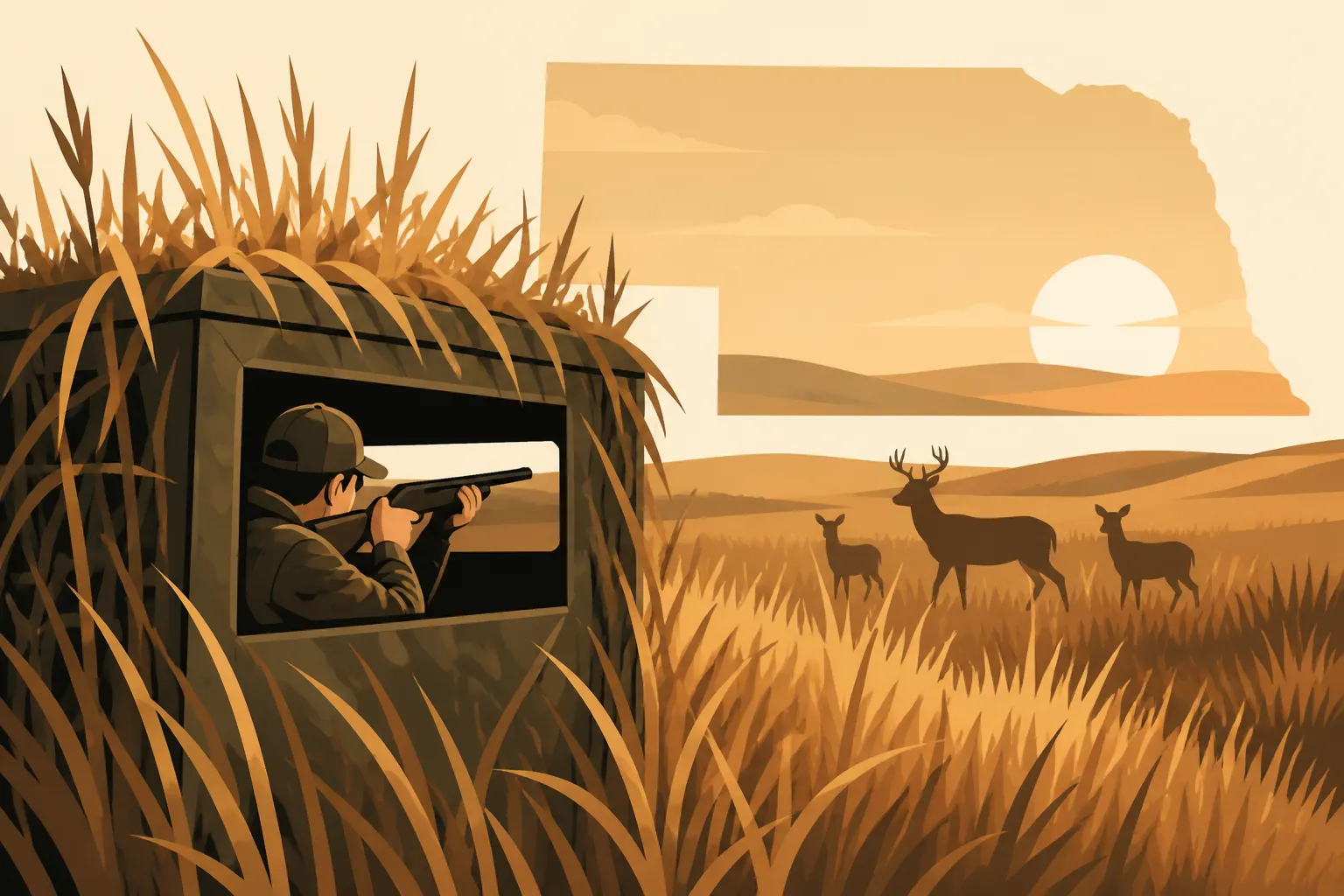
Even the best camouflage pattern on a blind won't be enough if you don't take the time to blend it into its surroundings. This is where "brushing in" comes into play. The goal is to make your blind look like a natural part of the landscape. Start by positioning your blind against a backdrop that breaks up its silhouette, like a cedar tree, a dense plum thicket, a brush pile, or even a deep ditch bank.
Then, gather natural materials from the immediate area – dead branches, tall grasses, cattails, cornstalks, or other vegetation – and secure them to your blind's exterior. Many blinds come with brush loops specifically for this purpose. The idea is to soften the hard edges and geometric shape of the blind. For open country, this might mean stacking bundles of prairie grass or old crop stubble around the blind. In timber, you'll want to use branches and leaves. Our detailed article on Brushing In a Blind on Open Range offers excellent tips for making your hide disappear in exposed areas. Remember, a blind that's perfectly concealed appears less threatening to wary game, increasing your chances of a successful encounter.
Essential Gear and Comfort Considerations
Hunting from a ground blind, especially on public ground, demands specific gear choices to maximize your effectiveness and comfort. First and foremost, choose a blind that's durable enough to withstand Nebraska's often harsh weather. A flimsy blind will be a nightmare in a strong Sandhills wind or a sudden rainstorm. Brands like Primos or Barronett offer robust options. Consider Ground Blinds That Handle Nebraska Wind if you plan to hunt in exposed areas.
Beyond the blind itself, think about what you’ll need for your sit. A comfortable chair is non-negotiable for long hours, and one that swivels silently can be a huge advantage for shot opportunities. A good rangefinder is crucial for accurately judging distances in the often-open terrain. Pack quiet snacks, a water bottle, and any calls you might need. A small, dry bag can protect your electronics. Finally, don't forget a quality backpack. Packs for a Day on Public Ground are essential for hauling your blind and gear in and out, ensuring you leave no trace behind.
Hunting Effectively from a Ground Blind on Public Ground
Once your blind is set up, the real work begins: the hunt itself. Effective ground blind hunting, particularly on public land, requires discipline, patience, and a keen understanding of how game animals react to their environment and, specifically, to human presence.
Managing Scent and Movement
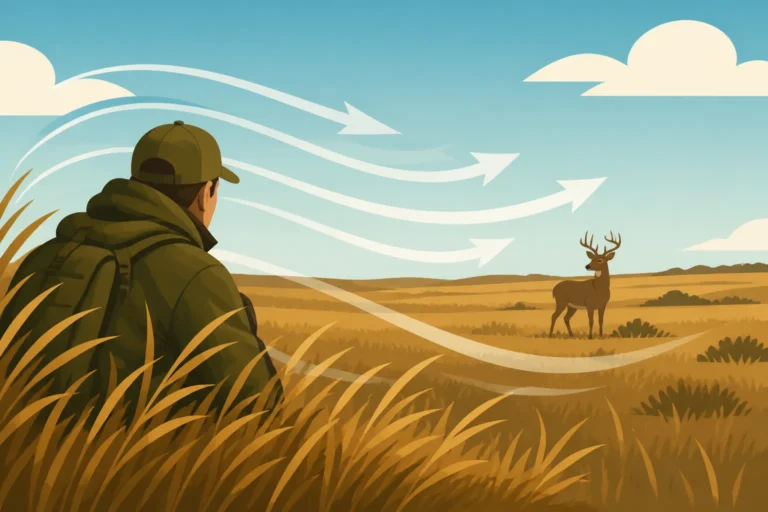
Scent is the deer hunter's invisible enemy, and on public land, it's amplified because animals are already on high alert. Even inside a ground blind, your scent can swirl and betray your presence. Start by showering with scent-eliminating soap, wearing clean hunting clothes, and storing them in scent-proof bags. Use scent-eliminating sprays on your outer layers and gear before heading into the field.
As important as scent control is managing your movement. Deer have incredible eyesight, and even a slight movement inside a blind can catch their attention, especially if the blind has mesh windows that allow some light through. Wear dark clothing inside the blind to minimize your silhouette. Move slowly and deliberately. If you need to check your phone or grab something from your pack, do it when animals are not actively looking your way, or when their heads are down feeding. It might sound obvious, but remaining absolutely still and quiet for extended periods is one of the hardest parts of blind hunting, and also one of the most critical. Our article on Managing Scent and Movement offers more in-depth strategies for staying undetected.
Adapting to Game Behavior
Game animals on public ground are inherently more cautious and unpredictable than their private-land counterparts. They often move during low light, stick to thicker cover, and use specific routes to avoid human encounters. This means you need to be adaptable. If deer aren't moving when or where you expect, consider why. Is the wind direction pushing them a different way? Is there more hunter pressure than anticipated? You might need to adjust your setup for the next sit, or even move to a different blind location if you have multiple options.
Pay close attention to subtle cues. A flick of an ear, a raised head, or an animal stomping its foot can indicate it's detected something. Often, deer will skirt around an unfamiliar object before committing to an area, especially a ground blind. Be patient. Let them get comfortable, or wait for them to pass your shooting lane. You might have to pass up marginal shots, knowing that a spooked deer on public land can educate every other animal in the vicinity.
Packing In, Packing Out, and Respecting the Land
Leaving no trace is not just a polite suggestion; it's an ethical imperative, especially on public land that belongs to everyone. When you pack your blind in, make sure you have a plan to pack it all out, plus any trash or spent shell casings. This includes any natural materials you used to brush in your blind; if they don't naturally belong there, pack them out.
If you’re leaving your blind for a few days (where permitted by regulations), ensure it’s securely anchored against the elements. Strong winds can easily turn a poorly secured blind into airborne litter. Respect any posted signs or regulations for the specific area you're hunting. By being a responsible steward of the land, you help ensure these vital public hunting opportunities remain available for future generations of hunters. It shows respect for the resource, other hunters, and the landowners who participate in programs like Open Fields and Waters.
Common Pitfalls and Troubleshooting
Even with the best planning, ground blind hunting on Nebraska public land can throw curveballs. Anticipating these challenges and knowing how to troubleshoot them can be the difference between a frustrating day and a successful hunt.
Dealing with Wind and Weather
Nebraska is famous for its wind, and a ground blind can become a kite if not properly secured. Nothing ruins a hunt faster than a blind flapping violently in the wind, or worse, taking flight. Always anchor your blind down, even on calm days. Use the stakes that come with it, but consider supplementing them with stronger, longer stakes or even bungee cords and small sandbags if you're in an exposed area like the Sandhills or an open field. Positioning your blind with its narrowest side facing the prevailing wind can also help reduce the surface area catching the gusts.
Beyond wind, Nebraska weather can deliver everything from scorching heat to bitter cold, often within the same week. Ensure your blind offers adequate protection. In warm early seasons, look for blinds with good ventilation. In late seasons, a blind can offer a crucial windbreak, but you'll still need appropriate layering, as detailed in our guide on Clothing for Nebraska Wind and Cold, to stay warm during long sits. Don't underestimate the mental drain of constantly battling the elements; a comfortable hunter is a more patient and effective hunter.
Overcoming Visibility Challenges
Ground blinds, by their nature, can limit your field of view compared to an elevated stand. This can be a challenge when trying to spot approaching game, especially if your blind is heavily brushed in. To mitigate this, ensure your shooting windows are clear and strategically placed. Some blinds offer 270-degree or 360-degree shooting options, which can be invaluable. Use binoculars frequently to scan your surroundings, looking for subtle movements.
Another common issue is shooting through mesh windows. While excellent for concealment, mesh can sometimes obstruct your shot, especially in low light or at longer distances. Practice shooting through your blind's mesh at the range to understand any potential impact shifts. Better yet, if possible, open the primary shooting window before game approaches, using the surrounding brushing to maintain concealment. Remember to consider Wind Direction on Open Nebraska Prairie Stands when planning your shooting lanes, as wind can affect arrow or bullet trajectory.
Learning from Your Experiences
Every hunt, whether successful or not, is a learning opportunity. Keep a mental (or even written) log of what worked and what didn’t. Did deer consistently skirt your blind from a certain direction? Perhaps your scent was blowing their way, or they spotted a gap in your brushing. Did you underestimate the wind? Did you pick a location based on old sign that deer are no longer using?
Don't be afraid to experiment with different blind types, setup locations, or concealment techniques. Use mapping apps like GoHunt to mark where you saw game, where you placed your blind, and what the conditions were like. Over time, you'll develop a deeper understanding of animal behavior on public land and refine your ground blind tactics, making you a more effective and adaptable hunter in Nebraska's dynamic landscapes.
Disclaimer
Please be aware that hunting regulations can change frequently. Always consult the latest Nebraska Game and Parks Commission regulations before planning any hunt to ensure compliance with current laws and permit requirements.