Coyote Calling in Nebraska Winter
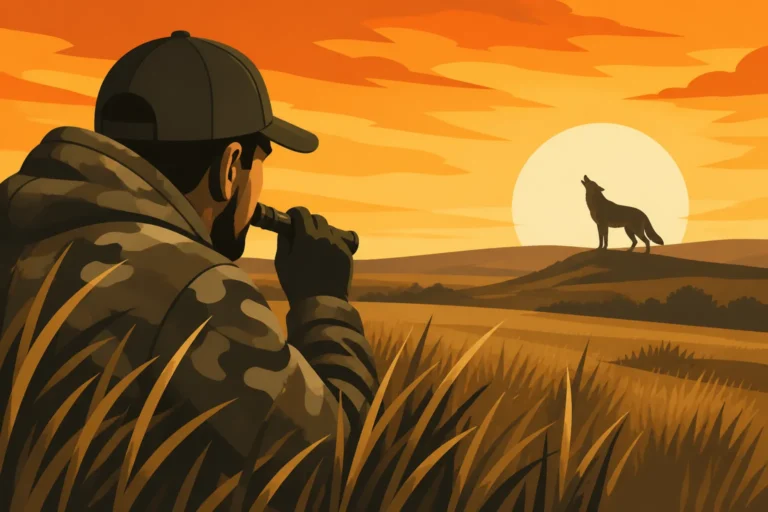
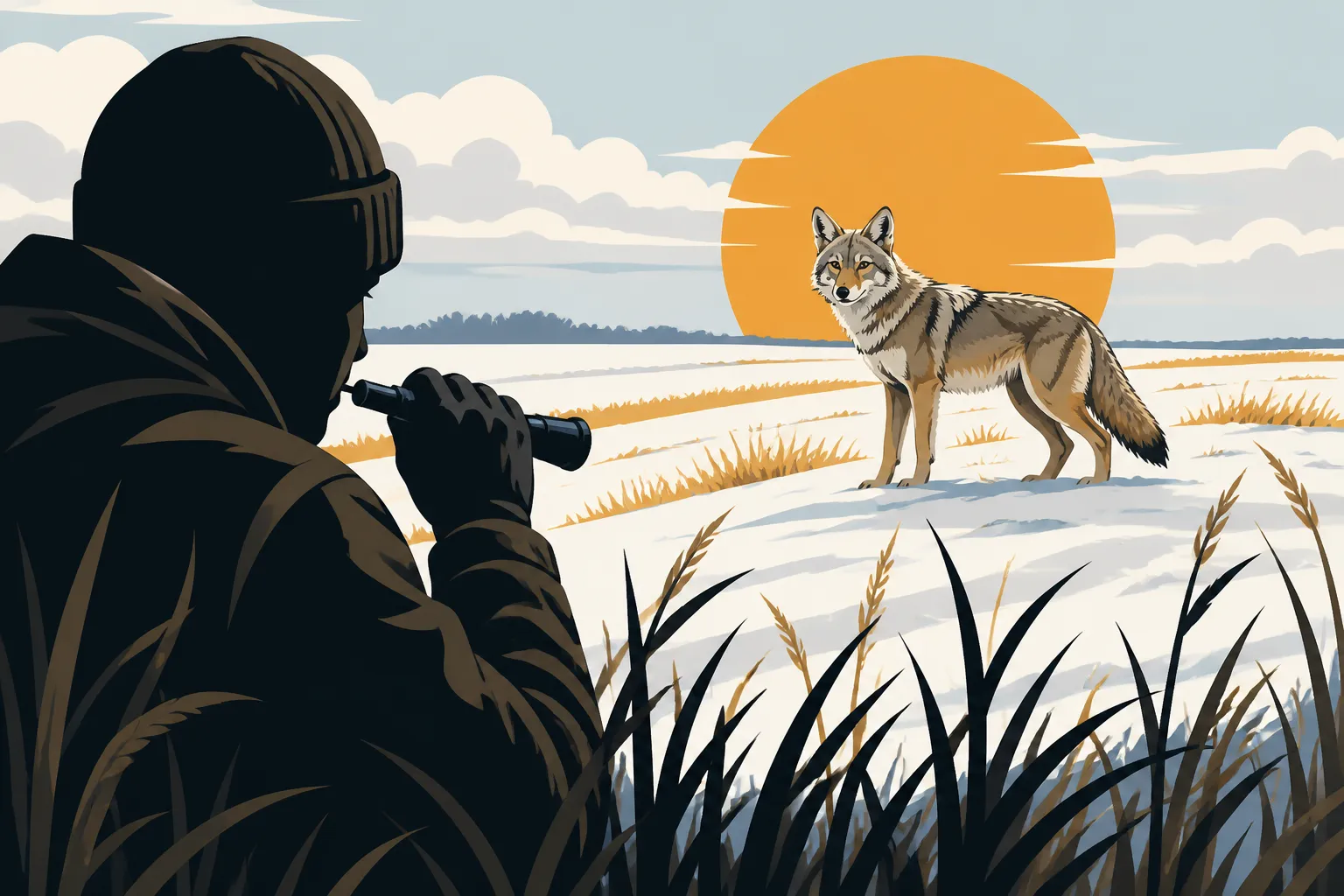
The biting winds and sparse, snow-dusted landscapes of a Nebraska winter can feel brutally unforgiving, especially when you're out there trying to coax a wily coyote into range. Many hunters find themselves frustrated by the silence after a perfect call sequence, or the fleeting glimpse of a coyote disappearing into the horizon, leaving them wondering what they did wrong. This comprehensive guide is here to unravel the mysteries of winter coyote calling in Nebraska, offering detailed insights and actionable strategies to help you turn those challenging cold-weather hunts into successful ones.
Why Winter is Prime Time for Coyote Calling in Nebraska
When the mercury drops and snow blankets the plains, many hunters put their gear away for the season, but for the dedicated predator caller, winter is when Nebraska truly shines. This isn't just about escaping cabin fever; it's about leveraging a unique set of circumstances that make coyotes more vulnerable and callable than at any other time of the year.
Sparse Cover and Increased Visibility
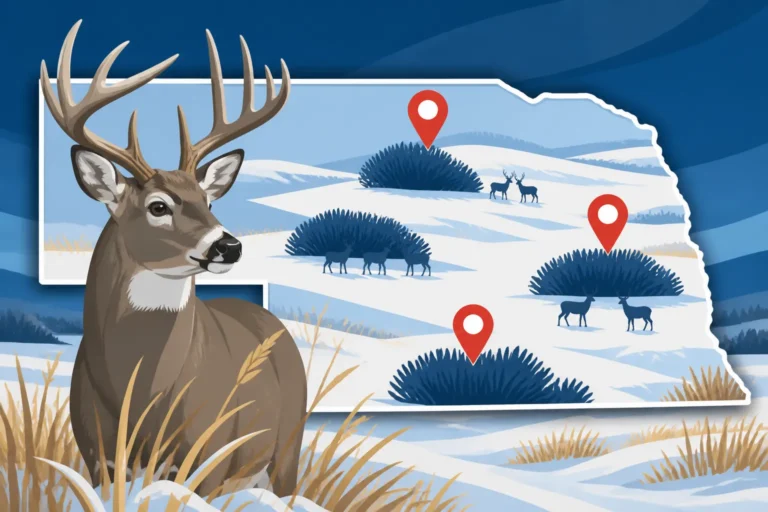
One of the biggest advantages winter offers is the drastic reduction in vegetative cover. Tall grasses are flattened by snow, leaves have fallen from trees, and cornfields that once provided dense sanctuary are now barren stalks. This means coyotes have fewer places to hide, making them easier to spot and allowing you to set up with a clearer line of sight.
Think about it: during the lush growth of summer or early fall, a coyote can be just yards away, hidden in a dense shelterbelt or a standing cornfield, and you'd never know it. In winter, those same areas become far more open. When you're glassing from a distant vantage point, you can pick out a coyote moving across a snowy field or along a treeline much more readily. This improved visibility isn't just for spotting them first; it also makes it easier to observe their approach to your calls, giving you crucial seconds to adjust your shot or re-evaluate your setup. Furthermore, the stark, high-contrast landscape created by snow can actually make coyotes, especially those with darker coats, stand out like a sore thumb against the white backdrop. This can significantly improve your chances of seeing them coming from a long distance, allowing you to prepare for the shot without being rushed.
Increased Hunger and Breeding Season
Winter is a time of scarcity, and coyotes in Nebraska are often feeling the pinch. Natural prey animals, like rabbits and rodents, are harder to find and catch under a blanket of snow or frozen ground. This intensified hunger makes coyotes far more opportunistic and willing to investigate a distress call, as they're actively seeking any potential meal.
Beyond hunger, the breeding season, which typically ramps up in late winter (January and February), introduces another layer of callability. During this period, coyotes become highly responsive to challenge barks and howls from other coyotes, especially if they perceive an intruder in their territory or a potential mate. A lone male might be looking for a female, or a dominant pair might be fiercely defending their breeding grounds. Understanding this shift in their social dynamics is key. You're not just appealing to their stomach; you're tapping into their primal instincts for survival and procreation. This combination of heightened hunger and territorial behavior means that a well-executed call can be incredibly effective, often drawing in coyotes that might be too wary to respond during other times of the year. This is particularly true in areas where How Many Coyotes Nebraska Has might fluctuate, and competition for resources or mates is high.
Understanding Coyote Behavior in Nebraska Winters
To consistently call in coyotes during the frigid Nebraska winter, you need to think like one. Their behavior shifts dramatically with the seasons, driven by the harsh realities of cold, snow, and the relentless quest for survival and reproduction.
Winter Diet and Movement Patterns
Coyotes in Nebraska adjust their diet and hunting tactics significantly when winter sets in. While they're always opportunistic, the focus shifts even more heavily towards readily available, albeit scarce, food sources. Small mammals like voles and mice are still present under the snow, and coyotes will "mouse" by pouncing on faint movements. However, larger prey, particularly deer, become a more significant part of their diet. They'll often target sick, injured, or young deer, or scavenge on carcasses left behind by hunters or winterkill.
This dietary shift influences their movement. Coyotes will often travel along fencelines, field edges, and natural drainage ditches, which provide cover and funnel prey. They'll frequent areas with known deer populations, especially after the firearm season when gut piles and wounded animals might be present. Learning to identify these travel corridors and food sources is paramount. Look for tracks in fresh snow – not just coyote tracks, but also rabbit, pheasant, and deer tracks, which indicate potential food for a coyote. Understanding these patterns, often helped by scouting tools like those found on platforms such as GoHunt, can tell you where coyotes are likely to be hunting and traveling throughout the day.
Pack Dynamics and Territoriality
Coyote pack dynamics become more pronounced in winter, especially as the breeding season approaches. While you might encounter lone coyotes, particularly younger, dispersing animals, you're also likely to encounter pairs or small family groups. These groups are often more territorial and vocal.
Understanding these dynamics is critical for your calling strategy. A distress call might draw in a single hungry coyote, but a challenge howl or a pair of barks could bring in a dominant pair or an entire family group defending their turf. During the early part of winter, family units may still be together, with pups from the previous year. As breeding season approaches in late winter, the adult pair becomes the primary focus, and their territorial instincts are at their peak. They are often less tolerant of perceived intruders, making them more aggressive responders to specific calls. Knowing when to switch from a prey distress sound to a more aggressive coyote vocalization can be the difference between a no-show and a double-down. This is where understanding Coyotes and Bobcats in Nebraska and their interactions can provide a distinct advantage.
Essential Gear and Setup for Winter Coyote Calling
Winter coyote calling in Nebraska isn't just about having the right calls; it's about being prepared for the elements and ensuring you're invisible and silent to one of nature's most acute predators. Your gear choices, from clothing to optics, directly impact your success and comfort.
Clothing for Cold and Wind
Nebraska winters are notorious for their brutal winds and bone-chilling temperatures. Sitting still for extended periods in these conditions requires serious insulation and wind protection. Layering is your best friend. Start with a moisture-wicking base layer to manage sweat, followed by insulating mid-layers like fleece or down. Your outer layer must be completely windproof and water-resistant.
A good insulated jacket and pants are non-negotiable. Don't forget extremities: a warm hat, a neck gaiter or balaclava to cover all exposed skin, and insulated, waterproof gloves or mittens are critical. Even when it’s not actively snowing, wind chill can make 20 degrees feel like zero. Consider specialized hunting clothing designed for extreme cold, often featuring advanced insulation and quiet fabrics. Remember, a shivering hunter is a sloppy hunter. Being comfortable allows you to remain still, focused, and ready when a coyote finally commits. For more specific advice on staying warm, check out resources on Wind-Blocking Outerwear for the Plains and Cold Weather Sitting Strategy.
Calls, Decoys, and Optics
Your calling arsenal is central to your success. Electronic callers are incredibly versatile, allowing you to cycle through a wide range of sounds – rabbit distress, fawn distress, pup howls, coyote barks, and even bird distress. Look for units with good speaker quality and a remote control that allows you to adjust volume and switch sounds without moving. Mouth calls, while requiring more skill, offer portability and the intimacy of sounds you create yourself. Having a few different distress calls (rabbit, bird) and a coyote howler or bark call gives you options.
Decoys, especially a motion decoy like a fluttering bird or a rabbit, can be incredibly effective in visually drawing a coyote's attention away from your hiding spot and providing a focal point. They add realism to your setup and often encourage a coyote to commit those last few crucial yards. For optics, a good pair of 10x binoculars is essential for scanning the vast Nebraska landscape and spotting coyotes at long range. A rangefinder is also invaluable for quickly determining distances, especially when hunting open fields or rolling terrain. Lastly, a reliable rifle scope with good low-light performance will serve you well in the often-gloomy winter conditions. Platforms like GoHunt often have gear reviews and recommendations that can guide your choices.
Concealment and Scent Control
Coyotes have incredible senses of smell and sight. In the sparse winter landscape, concealment is paramount. Choose camouflage patterns that match the winter environment – snow camo or patterns with a lot of white and grey are ideal. Utilize natural cover like cedar trees, brush piles, fencelines, or the edge of a standing cornfield. A quality ground blind can also be an excellent option, especially if you plan to stay in one spot for an extended period.
Scent control is often overlooked in cold weather, but it's just as important. While cold air generally carries scent less effectively than warm, a coyote downwind can still bust you in an instant. Use scent-eliminating sprays, wash your hunting clothes in scent-free detergent, and store them in airtight containers. Avoid strong-smelling foods, coffees, or tobacco products while in the field. Every little bit of effort you put into minimizing your human signature increases your chances of fooling a wise coyote.
Calling Strategies for Nebraska Winter Coyotes
Calling coyotes in winter requires a nuanced approach, blending vocalizations with an understanding of their current needs and the specific environment you're hunting. It's rarely a one-size-fits-all proposition.
Distress Calls: When and How to Use Them
Distress calls are the bread and butter of coyote calling, and they remain highly effective in winter due to the coyotes' increased hunger. Sounds like a dying rabbit, a fawn in distress, or a bird in trouble all tap into a coyote's predatory instinct for an easy meal.
When using distress calls, volume is key. In the quiet, still air of a winter morning, sounds carry far. Start with a moderate volume and gradually increase it if you don't get a response. Play the call for 60-90 seconds, then pause for several minutes, scanning the landscape intently. Coyotes often approach silently and use cover, so you need to be constantly looking. If nothing appears after 10-15 minutes, try another sequence. Don't be afraid to experiment with different distress sounds. Sometimes, a high-pitched bird distress call might pique curiosity when a rabbit call goes unnoticed, especially if rabbits are not prevalent in that specific area. Remember, you're trying to create the illusion of an easy meal, and an electronic caller, like those reviewed on platforms such as GoHunt, can offer a vast library of these enticing sounds.
Coyote Vocalizations: Tapping into Social Instincts
While distress calls appeal to their hunger, coyote vocalizations tap into their social and territorial instincts, which are heightened during the winter breeding season. Howls, barks, and pup distress calls can be incredibly effective, but they require a better understanding of what message you're sending.
- Howls: A lone howl can be used as a locator call to see if coyotes are in the area. If you get a response, you can then switch to a more aggressive challenge howl or a pair of howls to try and draw them in. A group howl can simulate a competing pack, which might infuriate a territorial male or pair into investigating.
- Barks: Short, sharp barks often indicate alarm or aggression. A series of barks, especially combined with a growl or snarl, can signal an intruder and provoke a defensive response.
- Pup Distress: As the breeding season progresses and young are on the way, a pup distress call can be particularly potent. It can draw in protective parents or even curious coyotes looking for a vulnerable young animal.
The trick with vocalizations is timing and context. If you know coyotes are paired up and highly territorial, a challenge howl might be your best bet. If you're hunting a large, open area and trying to locate unseen coyotes, a lone howl is a good starting point. Varying your calling sequence, perhaps starting with a few distress calls, then switching to some howls after 10-15 minutes, can often draw in more wary animals. For more detailed tips on specific sequences, look for resources on Coyote Calling on Winter Grassland.
Call Volume and Sequence
Adjusting your call volume and sequence to the conditions is crucial. In still, cold air, sounds carry an astonishing distance, so you might not need to blast your calls. However, on windy days, you'll need to increase the volume to ensure it travels downwind.
A typical sequence might involve 60-90 seconds of a distress call, followed by 3-5 minutes of silence while you scan the area. Repeat this 2-3 times. If nothing responds, try a different distress sound or incorporate some coyote vocalizations. Sometimes, a simple, soft series of mouse squeaks can lure in a curious coyote that has hung up at a distance. Don't be afraid to be patient; some coyotes will take 20-30 minutes to commit. But also, don't be afraid to move if an area is completely unproductive after 45 minutes to an hour. Always consider the wind direction, ensuring your scent isn't blowing directly towards where you expect coyotes to approach.
| Call Type | Primary Appeal | Best Winter Use | Volume Recommendation | Notes |
|---|---|---|---|---|
| Rabbit Distress | Hunger, Opportunism | Most versatile, always a good starting point | Moderate to High | Use varied pitches; cycle through different rabbit species. |
| Fawn Distress | Hunger, Vulnerability | Excellent in deer country, post-firearm season | Moderate to High | Mimics easy prey; very effective in areas with deer. |
| Bird Distress | Curiosity, Easy Meal | Good for wary coyotes or as a change-up | Low to Moderate | Consider crow, magpie, or woodpecker distress. |
| Lone Howl | Locating, Curiosity | First call to gauge presence, challenge response | Moderate to High | Start soft, then increase. Listen intently for responses. |
| Challenge Howl | Territoriality, Aggression | To anger and draw in dominant males/pairs | High | Use during breeding season. Be ready for aggressive approach. |
| Pup Distress/Whine | Parental Instinct, Vulnerability | Very effective late winter to early spring | Low to Moderate | Can draw in protective parents or curious coyotes. |
Reading the Landscape for Winter Coyote Success
Nebraska's winter landscapes, from the sprawling Sandhills to the dense river bottoms, hold distinct clues for coyote hunters. Learning to read these environments for coyote sign and understanding how terrain influences their movement is paramount to success.
Identifying Travel Corridors and Denning Areas
In winter, coyotes often use the path of least resistance and areas that offer them an advantage for hunting or safety. Look for natural funnels such as brushy draws, fencelines, drainage ditches, and the edges of standing timber. These serve as highways for coyotes moving between bedding areas, food sources, and water. A fresh snowfall can be your best friend, as it highlights these routes with clear tracks.
Pay close attention to areas that offer thermal cover, like thick cedar thickets, dense plum patches, or south-facing slopes. Coyotes will often bed in these spots, especially on cold, sunny days. As winter progresses towards late January and February, coyotes will begin to establish denning areas. While you won't typically see an active den until spring, identifying areas with consistent sign and good cover can indicate potential breeding territories. These locations, often near water sources or within protective terrain features, are prime spots to set up and use vocalizations to challenge territorial pairs. A resource like Reading Sign on a Nebraska Sandhills Two-Track can offer specific insights into tracking movement.
Utilizing Terrain Features and Wind Direction
The rolling hills of the Sandhills, the breaks of the Pine Ridge, or the subtle elevation changes in eastern Nebraska's farmland all influence how coyotes move and how your calls carry. Always consider the wind direction. Coyotes will almost always approach a call from downwind to use their superior sense of smell to verify the source of the sound. This means your setup needs to position you upwind of where you expect the coyote to come from.
Use terrain to your advantage for concealment and to funnel coyotes. A rise in terrain can block their view until they're closer, creating a "dead spot" where they suddenly appear. Setting up on a slight rise can give you a better vantage point, but ensure your silhouette is broken by brush or a skyline. Avoid setting up in a low spot if the wind swirls, as it can carry your scent in unpredictable directions. In areas with limited cover, like wide-open plains, sometimes the best strategy is to set up a very long shot (200-400 yards) and rely on your optics and marksmanship.
Safety and Ethics When Winter Coyote Hunting
Coyote hunting in winter presents unique challenges and responsibilities. Being prepared and adhering to ethical practices ensures a safe and respectful hunt for both you and the wildlife.
Hunter Safety and Public Land Considerations
Winter hunting often means cold hands, numb fingers, and sometimes hurried movements—all factors that can increase the risk of an accident. Always follow the fundamental rules of firearm safety: treat every firearm as if it's loaded, never point a firearm at anything you don't intend to shoot, keep your finger off the trigger until ready to fire, and be sure of your target and what's beyond it. In the open landscapes of Nebraska, shots can travel far.
When hunting public land, be aware of other users. Hikers, cross-country skiers, or even other hunters might be present. Wear blaze orange or another highly visible color, even if it's not legally required for predator hunting in certain zones, to enhance your visibility to others. Check the Nebraska Game and Parks Commission website or the Nebraska Public Access Atlas for specific rules, regulations, and potential closures on public properties. Remember that Night Hunting Rules for Predators in Nebraska are specific, and you must know them if you plan to hunt after dark.
Ethical Hunting Practices and Respect for Wildlife
Ethical hunting means making a clean, quick kill. This means knowing your effective shooting range and practicing regularly, especially in cold weather gear. Avoid taking Hail Mary shots; if a coyote is too far or too obscured for a confident shot, let it go. Wounding an animal and not recovering it is a failure of ethical hunting.
Respect for the resource extends to how you leave the land. Pack out everything you pack in, including spent shell casings. If you harvest a coyote, decide beforehand what you will do with it. Many hunters keep the pelts, which can be prime in winter. If you don't intend to keep the pelt, dispose of the carcass respectfully, away from public view or travel corridors. Being a responsible hunter helps maintain the positive image of our sport and ensures future access and opportunities. The state has an interest in maintaining a balanced ecosystem, and by being responsible, we contribute to that balance.
Overcoming Winter's Challenges
Winter throws unique curveballs at the hunter. Deep snow can make travel difficult, turning a short walk into an exhausting trek. Having Vehicle Recovery Gear for Sand Roads can be a lifesaver if you venture onto less-traveled paths. Frigid temperatures can drain battery life on electronic calls and phones, so always carry spares. Frostbite and hypothermia are real threats, so layering, proper nutrition, and hydration are critical. Always tell someone where you are going and when you expect to return. Carry a First Aid Kits for Remote Nebraska Ground to handle minor injuries or emergencies.
Another challenge is coyote wariness. Coyotes that have been called to frequently in an area will become "call shy." This is where varying your call types and sequences, and being patient, really pays off. Sometimes, a change of pace, moving to a completely different location, or even switching from a loud electronic call to a subtle mouth call can make the difference. The beauty of winter hunting is the challenge, and overcoming these hurdles makes the eventual success all the more rewarding.
Disclaimer
This guide is intended for informational purposes only and does not supersede or replace official regulations, laws, or safety guidelines issued by the Nebraska Game and Parks Commission or other governing bodies. Always consult the most current hunting regulations before heading into the field. Hunter safety courses and certifications are mandatory for certain age groups in Nebraska, and all hunters should prioritize safety and ethical practices.