Blind Bags and Cold-Weather Gear
When the late season rolls around in Nebraska, or you're hitting those early morning waterfowl blinds, the cold can be brutal, and disorganization in your gear can truly test your patience. Many hunters find themselves fumbling for calls, shells, or snacks when the action heats up, or worse, cutting a hunt short because they simply can't stay warm enough. This guide will walk you through setting up your blind bag for maximum efficiency and choosing the right cold-weather gear to stay comfortable and effective, ensuring your hunting experience isn't ruined by shivers or scrambling for essential items.
Optimizing Your Blind Bag for Nebraska Hunts
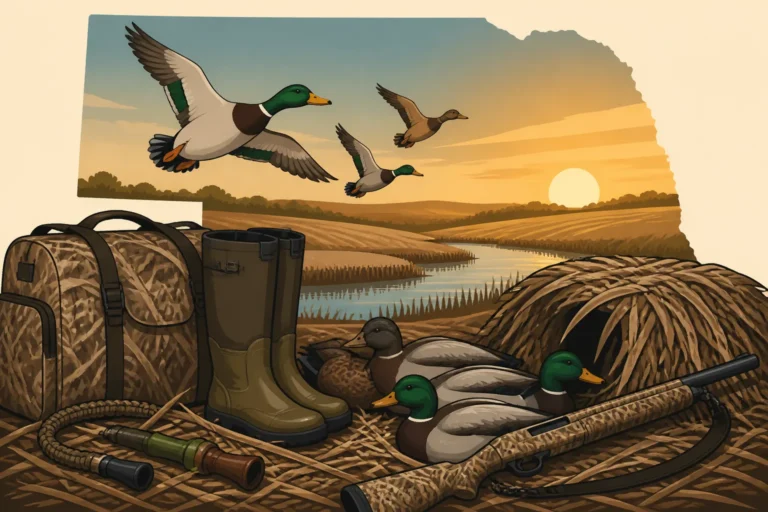
Your blind bag is more than just a glorified tote; it's your portable command center in the field. A well-organized blind bag can make the difference between a successful, comfortable hunt and a frustrating, chilly one. Whether you're hunkered down for geese in a cut cornfield or waiting out ducks in a frigid Rainwater Basin wetland, knowing exactly where your necessities are, and having them protected from the elements, is paramount.
What Goes Into a Smart Blind Bag Setup
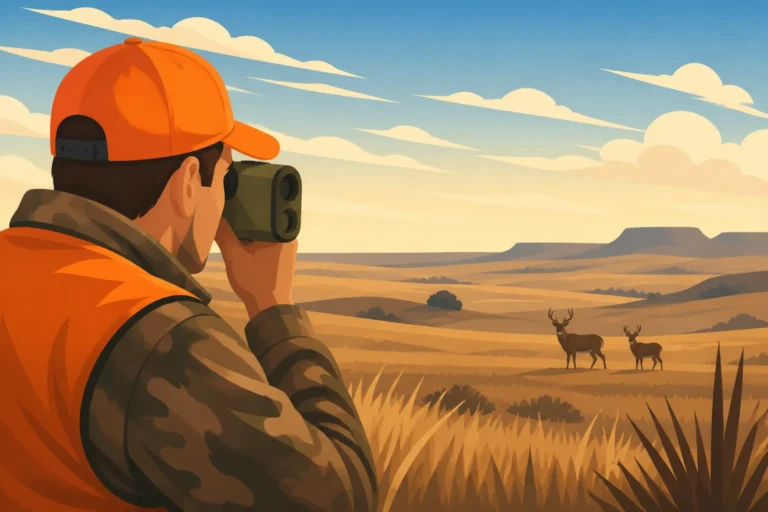
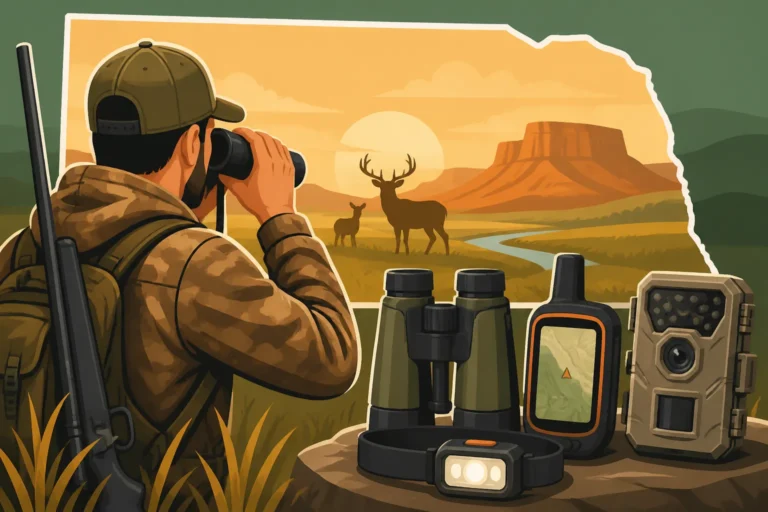
The contents of your blind bag will naturally vary a bit depending on the type of hunt, but certain core principles and items remain consistent. Think about items you'll need quickly, items that need to stay dry, and items that are simply crucial for comfort and safety. For waterfowl hunters, this often means quick access to calls, shells, and a thermos. For deer hunters sitting in a ground blind, it might mean binoculars, a rangefinder, and extra hand warmers. It's not just about what you bring, but how it's packed. A common frustration is digging through a cluttered bag, only to find the item you need is at the very bottom.
Many hunters find great success by compartmentalizing. Using smaller, waterproof pouches or Ziploc bags within your main blind bag can keep specific items grouped and protected. For instance, dedicate one small pouch to calls, another to licensing and important documents, and a third to fire-starting materials or a small first-aid kit. This methodical approach saves valuable time and minimizes exposure to the elements when you’re rummaging for something. Before heading out, especially if you've done some pre-season scouting with tools like GoHunt, you'll have a good idea of the terrain and conditions, which can help tailor your bag's contents.
Essential Blind Bag Checklist for Cold Weather
When the mercury drops, your blind bag needs to be packed with a few extra cold-weather considerations. It’s not just about staying warm; it’s about preparedness for a longer, potentially harsher sit. Here’s a basic list to get you started, but remember to customize it based on your specific hunt and personal needs.
| Category | Essential Item | Cold Weather Additions | Why It's Important |
|---|---|---|---|
| Ammunition | Shells/Cartridges (appropriate gauge) | Extra box | Never run out when the birds are working or the buck steps out. |
| Navigation | GPS/Phone (with mapping app) | Power bank, charger cables, physical map | Crucial for finding your way in low light or unfamiliar territory. Batteries drain faster in the cold. |
| Calls/Lures | Duck, Goose, Deer calls | Insulated pouch for calls | Keeping calls from freezing or getting wet helps maintain their sound. |
| Field Tools | Knife, Multi-tool | Small saw | Essential for various tasks, from field dressing to blind adjustments. |
| Warmth/Comfort | Snacks, Water | Thermos with hot coffee/soup, high-calorie bars, hand/foot warmers | Sustenance is vital, and warm liquids are a game-changer on bitter days. Cold Weather Sitting Strategy means fueling your body properly. |
| Safety/First Aid | Basic first aid kit | Emergency blanket, waterproof matches/lighter, whistle | Accidents happen. Be prepared for minor injuries or unexpected overnight stays. |
| Licensing | Permits, stamps, ID | Waterproof pouch | Always carry your legal documents, protected from moisture. |
| Optics | Binoculars, Rangefinder | Lens cloth | Spotting game and judging distance; keep lenses clear of frost or condensation. |
| Miscellaneous | Headlamp/Flashlight | Extra batteries | Hands-free illumination for setting up in the dark or packing out after sunset. |
The sheer volume of gear for a Waterfowl Gear for Nebraska Fields and Wetlands hunt compared to, say, a deer hunt, means your blind bag might vary significantly in size. For long sits, consider a bag with an integrated comfortable seat or one that straps easily to a portable stool, especially when hunting public access areas where amenities are nonexistent.
Layering Strategies for Nebraska's Unpredictable Cold
Nebraska weather is notorious for its unpredictability. One morning you might start in single-digit temperatures, only for the sun to break through and push it into the high 30s or even 40s by midday. This dramatic swing makes proper layering absolutely critical for staying comfortable and focused on your hunt. The goal isn't just to be warm; it's to be able to adapt to changing conditions without getting too hot and sweaty (which leads to being cold later) or being underdressed from the start.
The Science of Effective Layering
Effective layering revolves around three core principles: wicking, insulating, and protecting. Each layer serves a distinct purpose, working together to manage your body temperature and keep you dry.
- Base Layer (Wicking): This is the layer directly against your skin. Its primary job is to wick moisture (sweat) away from your body. When sweat stays on your skin, it cools rapidly and makes you feel much colder. Materials like merino wool or synthetic polyesters are excellent for base layers because they dry quickly. Avoid cotton at all costs for your base layer in cold weather; it absorbs moisture and holds it against your skin, making you cold and miserable. When you're planning a full day out, especially using an app like GoHunt to check the hourly forecast for your hunting area, you can determine if you need a lightweight, mid-weight, or heavy base layer.
- Mid-Layer (Insulating): This layer provides the bulk of your warmth by trapping air. Fleece, down, or synthetic puff jackets are common choices for mid-layers. The thickness of this layer can be adjusted based on the expected temperature. For bitterly cold days, you might even double up on mid-layers. The beauty of the mid-layer is its versatility; you can easily add or remove it as your activity level or the outside temperature changes. This is where a good, packable fleece jacket becomes invaluable.
- Outer Layer (Protecting): Your outermost layer is your shield against the elements – wind, rain, and snow. It needs to be windproof and waterproof (or at least highly water-resistant) to prevent these elements from compromising the warmth of your inner layers. Look for durable fabrics that can stand up to brush and briars, and consider features like large pockets for easy access to items in your blind bag, or silent fabrics for deer hunting. Wind-Blocking Outerwear for the Plains is particularly important in Nebraska's expansive, open country.
Dressing for Nebraska's Extreme Cold
Sitting still for hours in a duck blind or a deer stand during a Nebraska winter demands serious attention to your clothing. This isn't just about comfort; it's about safety. Hypothermia is a real risk.
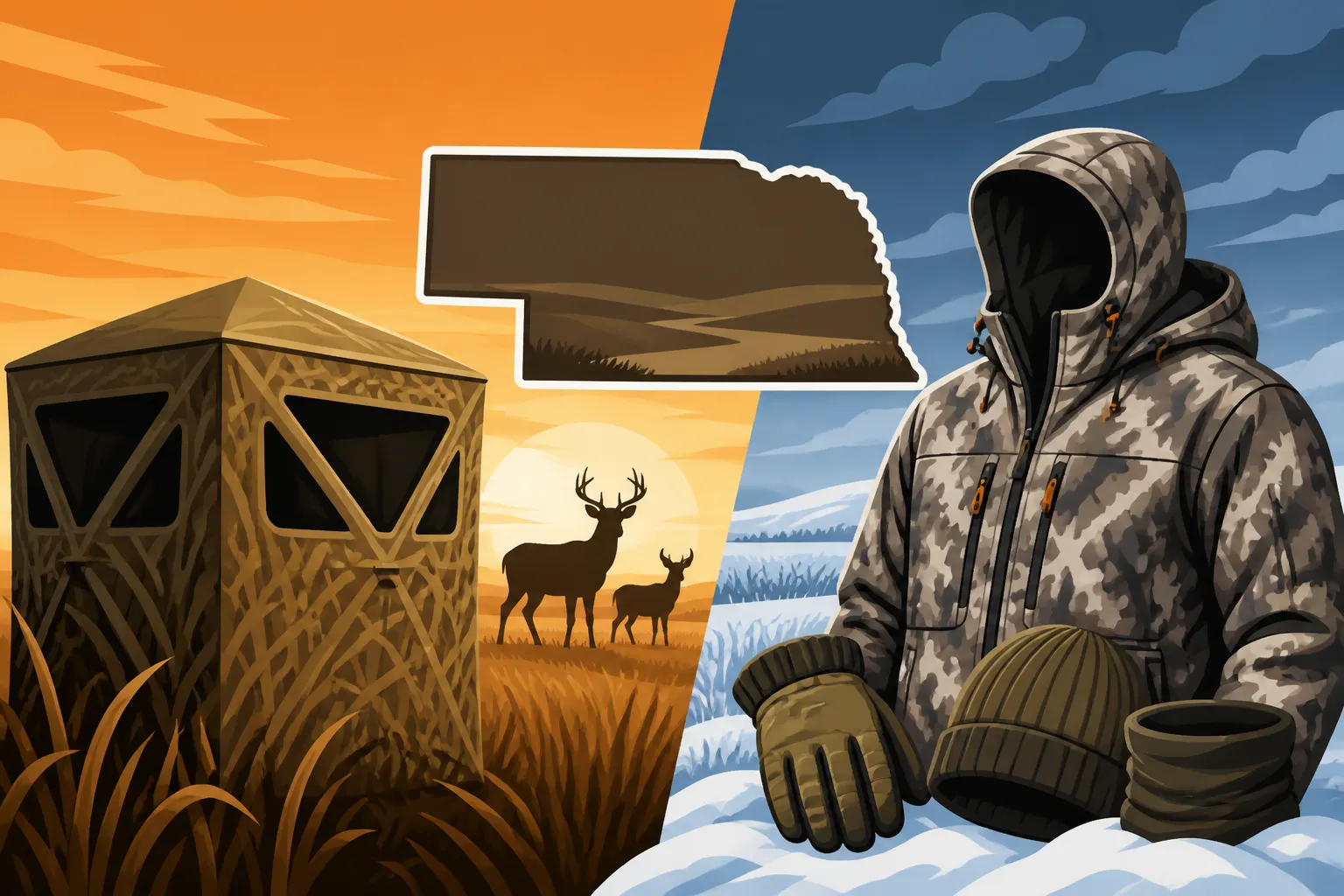
For deer hunters, particularly during Nebraska's Nine-Day November Firearm Deer Season or Nebraska's December Muzzleloader Deer Season, layering needs to be robust. Start with a heavy merino wool base layer. Add a substantial fleece mid-layer, perhaps even a second, thinner insulating layer over that. Your outer layer should be a heavy, windproof, and water-resistant insulated hunting suit. For waterfowl hunters, specialized gear designed for extreme wet and cold conditions is a must. Think insulated waders, a waterproof and windproof parka, and insulated bibs. Many hunters often overlook a proper face mask or balaclava, which can prevent significant heat loss from your head and neck. On a windy day, the exposed skin on your face can feel many degrees colder than the actual air temperature, so protecting it is essential for a comfortable Layering for a Nebraska November Sit.
Beyond Layers: Specialized Cold Weather Gear Essentials
While proper layering forms the foundation of cold-weather comfort, there are other crucial pieces of gear that complete the system and address specific vulnerabilities to the cold. Don't underestimate the power of these often-overlooked items.
Protecting Your Extremities: Hands, Feet, and Head
Your hands, feet, and head are the body parts most susceptible to heat loss and frostbite, especially when you're static in a blind or stand.
- Hands: Gloves are a must, but the type matters. Many hunters prefer a layering approach here too: a thin, dexterous glove liner for fine motor tasks (like tying knots or handling calls) worn under a heavier, insulated, waterproof glove or mitt. Mitts are often warmer than gloves because your fingers can share warmth. Fingerless gloves with a fold-back mitt cover are popular for hunters who need to retain dexterity. Always carry an extra pair of gloves in your blind bag; wet gloves are useless gloves. And don't forget chemical hand warmers, which can be tucked into gloves or pockets for an instant boost of warmth.
- Feet: Wet, cold feet are a fast track to misery. Invest in high-quality, insulated, waterproof boots. For serious cold, consider boots rated for extreme temperatures, even if the forecast isn't that low; it's better to be over-prepared. Pair them with moisture-wicking wool socks, and bring an extra pair to change into if your feet get sweaty. Some hunters even use chemical foot warmers inside their boots. Remember, Insulated Boots for a Firearm Season Sit can make or break a long day in the cold. It’s not just about the boot itself; ensuring your boots aren't too tight with thick socks is crucial, as restricted blood flow will make your feet colder faster.
- Head: You lose a significant amount of body heat through your head. A warm hat or beanie made of wool or fleece is non-negotiable. For truly bitter conditions, a balaclava or a facemask that covers your neck and face will provide maximum protection, especially when dealing with Wind Direction on Open Nebraska Prairie Stands. Having a neck gaiter that you can pull up over your nose and mouth also helps warm the air you breathe, preventing that painful cold burn in your lungs.
Emergency and Comfort Items for Extended Cold Exposure
Sometimes, things don't go as planned. A hunt might run longer, conditions might worsen unexpectedly, or you might find yourself in an emergency. Having a few extra items specifically for extended cold exposure can be a lifesaver.
- Heat Source: Beyond chemical warmers, a small, reliable portable heater designed for enclosed spaces (like propane-powered Mr. Heater models) can be a game-changer in a ground blind or a well-sealed waterfowl blind. Always ensure proper ventilation if using any combustion-based heater to avoid carbon monoxide buildup. Also, carrying waterproof matches, a lighter, and some fire-starting material (like cotton balls soaked in Vaseline) in a waterproof container can provide a crucial emergency heat source.
- Insulated Pad/Cushion: Sitting directly on cold ground or a cold metal seat will leach heat from your body quickly. An insulated foam pad or cushion not only provides comfort but also creates a barrier against conductive heat loss. This is especially important for extended sits, enhancing your overall Cold Weather Sitting Strategy. Whether you're in a permanent blind or using a portable ground blind on Nebraska Public Hunting Land, an insulated cushion is a minimal weight addition with maximum benefit.
- Emergency Shelter: A compact emergency blanket or bivy sack can provide surprising warmth and protection if you get stranded or need to hunker down unexpectedly. These items are lightweight and can fit easily into a corner of your blind bag. When scouting new areas or planning a deep dive into public ground with the help of resources like GoHunt, considering the remoteness of your location should influence your emergency preparedness.
- Thermos with Hot Liquids: We mentioned this for the blind bag, but it's worth emphasizing. A quality thermos filled with hot coffee, tea, hot chocolate, or soup does wonders for your morale and internal body temperature on a frigid day.
By meticulously planning your blind bag contents and investing in appropriate, high-quality cold-weather gear, you're not just enhancing your comfort; you're extending your time in the field and increasing your chances of success. Don't let the Nebraska cold send you home early.
Disclaimer
This article is for general informational purposes only and does not constitute professional advice. Laws, prices and regulations vary by location and change over time. Consult a qualified professional for guidance on your specific situation.