Shotgun Weight on a Long Prairie Walk
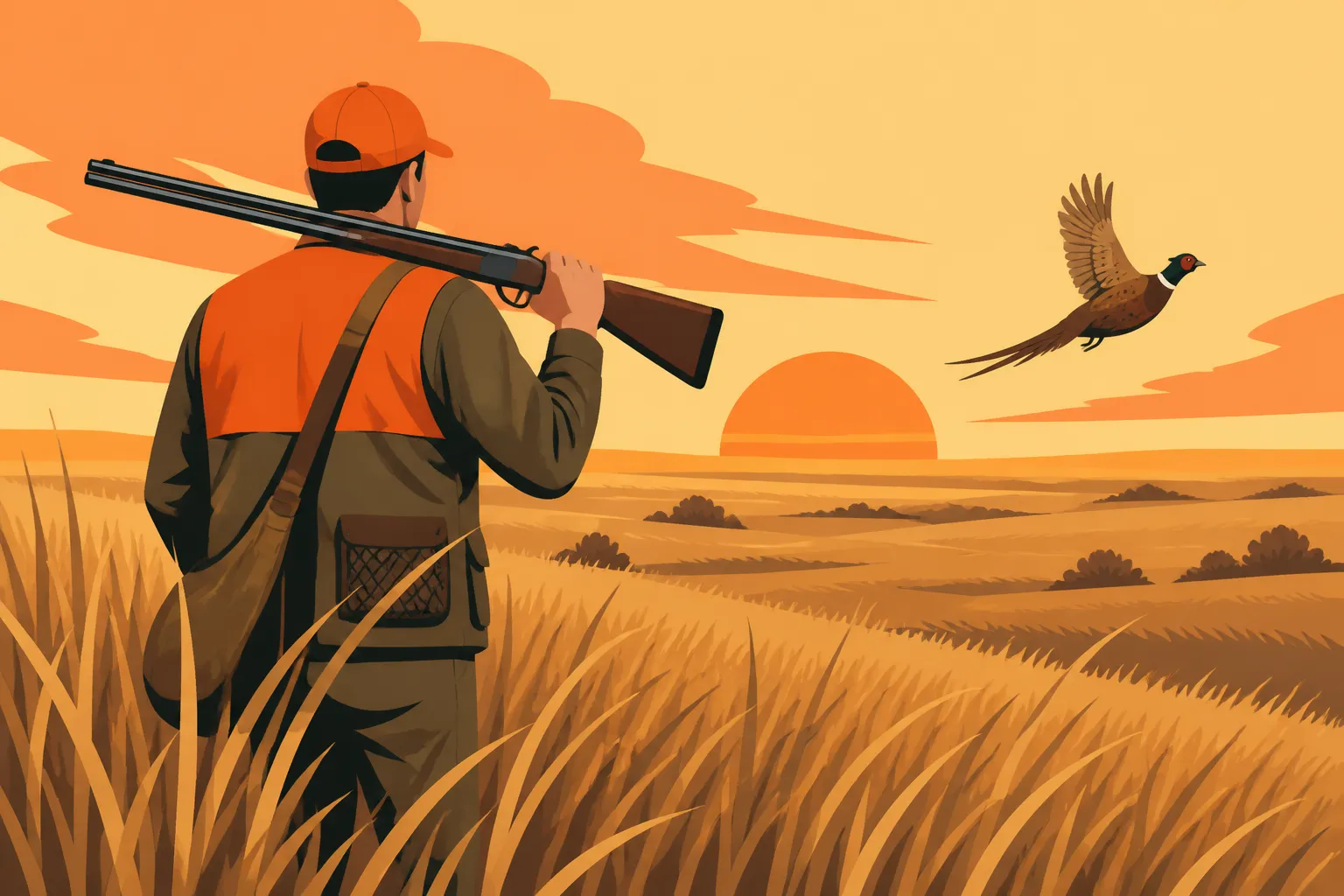
We've all been there: the sun's just beginning to creep over the eastern horizon, painting the vast Nebraska prairie in hues of gold and amber. Your boots are laced tight, your bird dog is vibrating with anticipation, and your shotgun is slung comfortably over your shoulder. You start walking, full of optimism, covering mile after beautiful, birdy ground. But then, as the morning stretches into afternoon, that shotgun starts to feel less like a trusty companion and more like an anchor, dragging you down with every weary step. This guide is here to unravel the often-overlooked truth about shotgun weight on those long prairie walks, helping you understand how it impacts your hunt and, more importantly, your enjoyment, so you can make informed decisions for your next upland adventure.
The Real Burden of a Heavy Shotgun on the Nebraska Prairie
Nebraska's upland hunting often involves covering significant ground. Whether you're navigating the tall grasses of the Sandhills for grouse, trekking through CRP fields for pheasants, or working shelterbelts for quail, these aren't typically "sit and wait" hunts. They're active, demanding pursuits that ask a lot of your body. And that's where the weight of your shotgun, often an afterthought, can quickly become a major player in your hunting success and overall experience.
Why Weight Matters More Than You Think
It might seem like a small detail—a pound or two difference in a shotgun's total mass—but over miles of walking, often through varied terrain and sometimes in challenging weather, those ounces quickly multiply into pounds of fatigue. Imagine traversing a freshly harvested milo field, each step sinking slightly into the stubble, or pushing through thick cattail sloughs where every movement is an effort. Now add a heavy shotgun to that equation. The cumulative effect isn't just sore shoulders; it’s a drain on your energy reserves, impacting everything from your ability to react quickly to a flush to your willingness to walk that "just one more ridge" that might hold the birds.
Furthermore, physical fatigue isn't just about discomfort; it directly affects your shooting. A tired hunter is a slower hunter. Your swing might be sluggish, your mounting inconsistent, and your focus diminished. That once-effortless shot becomes a challenge, and missed opportunities become more frequent. It's a cruel paradox: you put in all that effort to find the birds, only for your gear to hinder your ability to harvest them. We’re out there to enjoy the experience, and constantly battling a burdensome firearm definitely takes away from the joy of watching a dog work or the thrill of a pheasant cackle-flushing from under your boots.
Common Frustrations with Oversized Scatterguns
Many hunters, especially those new to extensive upland hunting or transitioning from primarily stationary deer hunting, might grab a shotgun that feels good on the skeet range or in a duck blind. But those environments don't replicate the continuous, dynamic movement of a prairie hunt. The frustrations become glaringly obvious about halfway through a long day. You might find yourself constantly shifting the gun from shoulder to shoulder, trying to find a comfortable carry. The sling, no matter how padded, begins to dig in.
Another common complaint is the sheer awkwardness of maneuvering a heavy gun through dense cover or over fences. Trying to negotiate a barbed-wire fence with a cumbersome firearm can be a recipe for a snagged barrel, a dropped gun, or worse, an unsafe situation. Then there’s the issue of quick target acquisition. When a rooster explodes from dense cover or a covey of quail rockets out, you need to bring that gun to bear in a fraction of a second. An oversized scattergun can feel like you're trying to swing a lead pipe, delaying your shot and often leading to a frustrating miss. These are the moments that truly highlight the importance of choosing a shotgun that complements, rather than detracts from, your hunting style.
Finding the Sweet Spot: Ideal Shotgun Weight for Upland Hunting
The quest for the "perfect" upland shotgun often revolves around gauge, choke, and barrel length. But for the serious prairie hunter, weight deserves equal, if not greater, consideration. It's about finding a balance, a harmonious blend of maneuverability and stability that allows you to carry it comfortably all day and still make effective shots when the moment arrives.
Understanding Different Weight Classes
Shotguns come in a wide range of weights, generally dictated by their gauge, action type, barrel length, and materials. A typical 12-gauge pump action might weigh in the 7.5 to 8.5 pound range, while a lightweight 20-gauge over/under could be closer to 6 pounds. Some specialty upland guns, particularly certain 28-gauges or even 12-gauge guns designed with ultralight components, might dip into the 5.5-pound territory.
Let's break down typical weight classes and their implications for those long walks:
| Weight Class | Typical Range (approx.) | Pros for Prairie Hunting | Cons for Prairie Hunting |
|---|---|---|---|
| Ultralight | 5 – 6 lbs | Extremely easy to carry all day, reduces fatigue | Can have harsher recoil, less stable for follow-up shots |
| Lightweight | 6 – 7 lbs | Excellent balance of carryability and shooting comfort | May still have noticeable recoil with heavy loads |
| Standard Upland | 7 – 7.5 lbs | Good for most hunters, offers a stable swing | Can become heavy over many miles, especially in tough cover |
| Heavy-Duty | 7.5 – 8.5+ lbs | Reduced recoil, very stable for deliberate shots | Significant fatigue factor on long walks, sluggish swing |
For someone spending multiple days Walking Nebraska Pheasant Cover With a Dog or tackling varied terrain, dropping even a pound from a heavier gun can make a profound difference by the end of the day. It’s not just about the static weight; it’s about how that weight feels after 10,000 steps.
Balancing Comfort and Shooting Performance
This is where the real art of shotgun selection comes into play. A featherlight shotgun might be a dream to carry, but it can also be a nightmare to shoot if you're sensitive to recoil or struggle with a stable swing. Lighter guns tend to transmit more recoil energy to the shooter, which can be unpleasant with standard upland loads, especially after a few boxes of shells. This can lead to flinching, poor follow-through, and less enjoyment. Conversely, a heavier gun absorbs recoil more effectively and offers a smoother, more deliberate swing, which can be an advantage on those longer, crossing shots.
The key is finding your personal equilibrium. For many upland hunters in Nebraska, a shotgun in the 6- to 7-pound range strikes a near-perfect balance. It's light enough to carry comfortably all day without excessive fatigue, but still has enough mass to absorb recoil sufficiently and provide a smooth, controllable swing for accurate shooting. Consider your physical build, your tolerance for recoil, and your shooting style. Do you snap-shoot, or do you prefer a smooth, controlled swing? This balance is critical because the most comfortable gun to carry is useless if you can't shoot it effectively, and the most stable shooting platform is miserable if you're too exhausted to carry it to the birds.
Factors Beyond Just the Gun Itself
When we talk about shotgun weight, it’s easy to focus solely on the firearm itself. However, the total burden you carry on a long prairie walk is a composite of several elements. Overlooking these other factors can lead to an incomplete picture and a continued struggle with fatigue, even if you’ve chosen a lighter shotgun.
The Role of Accessories and Ammunition
Your shotgun doesn't exist in a vacuum. The accessories you add to it, and crucially, the ammunition you carry, all contribute to the overall weight you're hauling. A heavy, padded sling might make the carry more comfortable, but it still adds a few ounces. Aftermarket choke tubes, while performance-enhancing, also add to the barrel's weight. Even a simple shell holder that attaches to the stock can add unnecessary mass. Every little bit adds up.
More significantly, consider your ammunition. A box of 12-gauge pheasant loads can easily weigh several pounds. If you're carrying a full vest of shells, perhaps 20-25 rounds, that's a considerable amount of extra bulk. For a long day afield, especially if you're Hunting a Pheasant Field Without a Dog and expecting to walk many miles, strategically managing your ammunition load can be just as important as the shotgun's base weight. Do you really need to carry 25 shells, or could you get by with 10-15 and leave the rest in the truck? When you’re Walking Milo and Corn Stubble for Pheasants, every ounce counts.
Physical Conditioning and Carrying Techniques
Let’s be honest: even the lightest shotgun will feel heavy if you're not physically prepared for the demands of upland hunting. Regular exercise, particularly activities that build endurance and strengthen your core and shoulders, will make those long walks significantly more manageable. Hiking, jogging, and even just walking with a weighted pack can mimic the strain of a full day afield. Many seasoned hunters will tell you that the best gear upgrade is often personal fitness.
Beyond conditioning, effective carrying techniques can mitigate the perceived weight. Don't just sling the gun over one shoulder and leave it there for hours. Vary your carry position: switch shoulders, carry it in the crook of your arm, or even carry it at the ready in front of you for shorter periods. A good quality, comfortable sling is non-negotiable for prairie hunting. Look for slings with wider, padded sections that distribute weight more effectively across your shoulder. Some hunters even prefer backpack-style slings or those with chest straps to spread the load across both shoulders and the torso. Thinking about your carry strategy before you even step out of the truck can save you a lot of aches later in the day.
Considering Material and Construction
Modern shotgun manufacturers are constantly innovating with materials and construction methods to reduce weight without sacrificing strength or reliability. Lighter alloys, synthetic stocks, and fluted barrels are common features in today's upland-specific firearms. For example, some manufacturers utilize aluminum receivers instead of steel, or polymer stocks instead of dense wood.
While these lightweight materials might come with a higher price tag, they can be a worthy investment for the dedicated prairie hunter. These engineering choices can shave precious ounces or even pounds from the overall package. When you're looking at different models, pay attention to the manufacturer's stated weight and what materials they use. Sometimes, two shotguns of the same gauge and barrel length can have significantly different weights due to these material choices. While traditionalists might prefer the feel and aesthetic of wood and steel, the practical benefits of modern, lighter materials for covering miles of ground for Working Sharptails and Prairie Chickens on Foot or Quail Coveys in Nebraska Shelterbelts are undeniable.
Making Your Choice: What to Consider Before Buying or Carrying
Selecting a shotgun for those long prairie walks isn't a decision to be rushed. It requires careful thought about your personal hunting style, physical capabilities, and the specific demands of Nebraska's diverse upland habitats. It's about more than just what looks good; it's about what performs best for you in the field.
Testing Shotguns in the Field
The ultimate test for any upland shotgun is how it performs when you're actively hunting, not just in a store or on a static range. If possible, try to handle different models and gauges. Many sporting goods stores will let you shoulder an unmounted firearm to get a feel for its balance and swing. Even better, if you have hunting buddies with various shotgun types, ask if you can carry their guns for a portion of a hunt. A few miles with a borrowed 20-gauge or a lighter 12-gauge can be far more enlightening than any review. Pay attention to how the gun feels as you walk, how quickly you can bring it to your shoulder, and how well you track imaginary birds. This real-world "test drive" is invaluable.
Consider renting or borrowing different shotguns if you're serious about making a change. A day at a sporting clays course or even just walking around your property with an unloaded gun can give you insights into its carry characteristics. Remember, the goal is not just to hit the target, but to do so comfortably and consistently throughout a physically demanding day. What feels light and handy for the first hour might feel like a lead pipe by hour five.
Long-Term Comfort and Durability
A shotgun is an investment, and you want one that will serve you well for years to come. When considering a lighter gun, don’t automatically assume "lighter" means "less durable." Many lightweight shotguns are engineered with high-strength alloys and polymers specifically designed to withstand the rigors of field use. However, it's wise to research the reputation of the manufacturer and specific model for durability. You'll be traversing tough Nebraska terrain, sometimes bumping against brush or falling in mud. Your shotgun needs to be able to take a beating and keep functioning.
Long-term comfort also involves aspects like how easy the gun is to clean and maintain, especially after a muddy or wet day. A gun that's a pain to strip down and clean after every hunt can quickly become less appealing, no matter how light it is. Also, consider the availability of accessories and parts. If you're going to use this gun extensively, you want to be able to find replacement parts or add slings and other components without hassle. Websites and forums, including those where hunters share insights like on GoHunt, can be great resources for long-term ownership reviews.
The "Feel" Factor and Personal Preference
Ultimately, the best shotgun for a long prairie walk is often the one that feels right in your hands. This "feel" is subjective and deeply personal. It encompasses the balance of the gun, how naturally it points, and how comfortable it is to mount to your shoulder. Some hunters prefer a slightly muzzle-heavy gun for a smoother swing, while others like a more balanced feel for quicker handling. There's no single right answer, only what works best for you.
Your personal preference might also extend to the type of action—over/under, side-by-side, pump, or semi-automatic. While semi-autos often have recoil-reducing mechanisms, they can also be slightly heavier due to their gas systems. Pumps are robust and reliable but can be less forgiving on follow-up shots due to manual cycling. Over/unders and side-by-sides offer excellent balance and often come in lighter configurations. When considering Chokes for Walk-Up Bird Hunting or Barrel Length for Walk-Up Hunting, remember how these factors interact with the overall weight and balance of the gun. The right gun becomes an extension of yourself, making those exhilarating flushes and satisfying retrieves all the more rewarding on the vast Nebraska plains.
Disclaimer
This article is for general informational purposes only and does not constitute professional advice. Laws, prices and regulations vary by location and change over time. Consult a qualified professional for guidance on your specific situation.