10×42 Versus 12×50 for Open Country
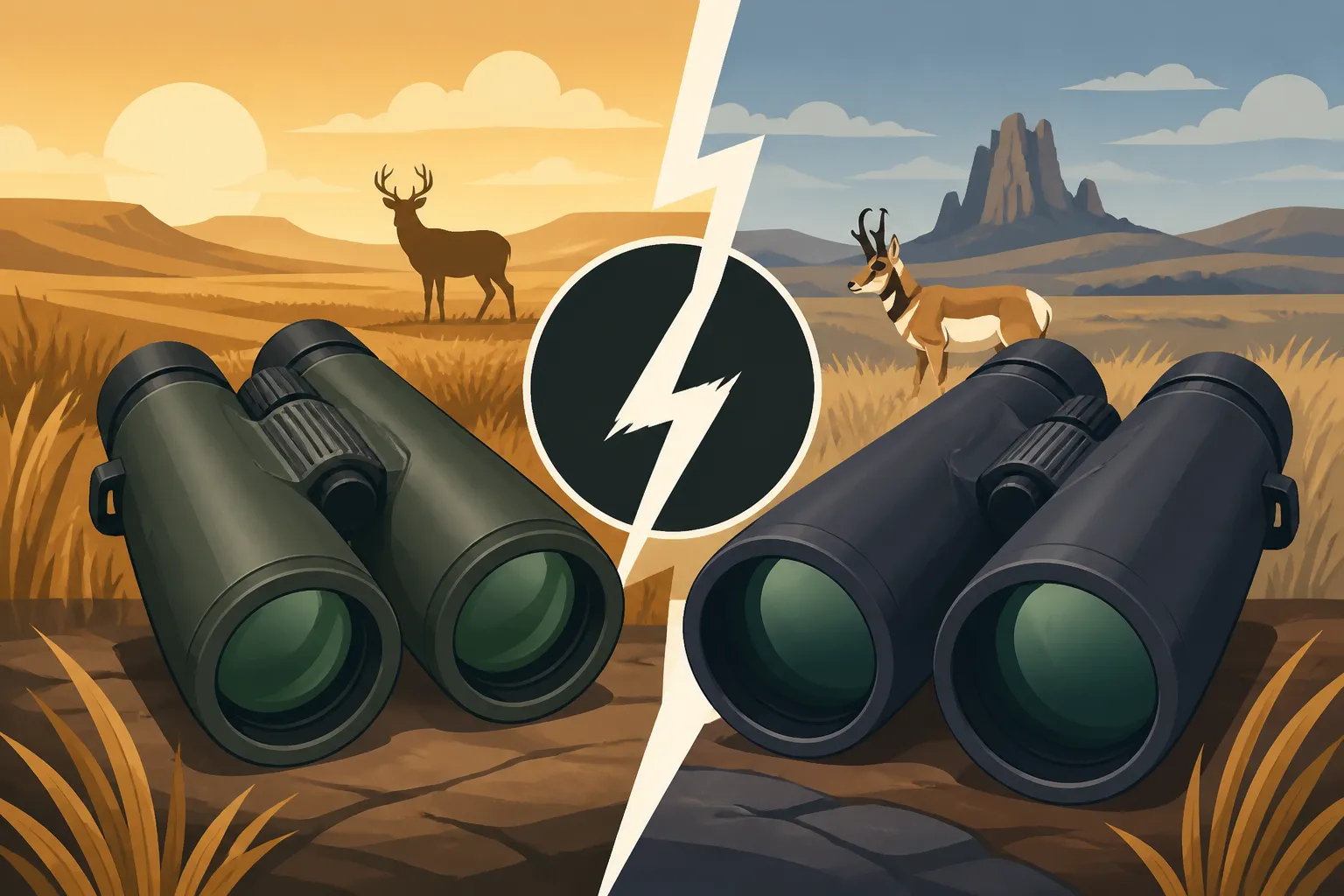
When you're standing on the edge of a vast Nebraska cornfield, scanning a cedar draw for a whitetail, or gazing out across the endless Sandhills in search of a mule deer, the optics you choose can make or break your hunt. It's a real head-scratcher trying to figure out if you need the nimble versatility of a 10×42 binocular or the extended reach of a 12×50. This guide is here to break down the nuances, helping you choose the perfect glass for your unique Nebraska hunting adventures.
Understanding Binocular Basics: Magnification and Objective Lens
Before we dive into the nitty-gritty of which specific binocular might be right for your next Nebraska outing, let's peel back the layers on what those numbers, like "10×42" or "12×50," actually mean. It's not just a random string; these figures are the core identifiers that tell you a lot about how a binocular will perform in the field. Understanding them is your first step toward making an informed decision that truly suits your hunting style and the unique challenges of the Nebraska landscape.
Decoding the Numbers: 10×42, 12×50, and Beyond
Let's take "10×42" as our first example. The "10x" refers to the magnification. This means that whatever you're looking at through the binoculars will appear 10 times closer than it would with your naked eye. If a distant tree line is a mile away, through a 10x binocular, it'll look like it's only about 176 yards away. The "42" refers to the diameter of the objective lens in millimeters. This is the large lens at the front of the binocular, the one pointed towards your target. The larger this number, the more light the binocular is capable of gathering.
Now, consider "12×50." Here, the "12x" means your target appears 12 times closer, giving you a bit more reach than the 10x model. The "50" indicates a 50mm objective lens. This larger objective lens, compared to the 42mm, means it can gather even more light. This might not seem like a huge difference on a bright, sunny afternoon, but wait until you're trying to pick out the subtle twitch of an ear on a deer at dawn or dusk, when legal shooting hours begin and end. That extra light-gathering capability can be a real game-changer in those critical low-light conditions that are so common during prime hunting times across Nebraska.
The trade-off, of course, is often size and weight. Generally speaking, higher magnification and larger objective lenses mean a heavier, bulkier binocular. This is something to seriously consider when you're planning a long hike through the public lands or covering miles of open country. It's about finding that sweet spot between optical performance and practical comfort for your specific hunt.
The Crucial Role of Exit Pupil and Eye Relief
Beyond the primary magnification and objective lens size, there are two other specifications that are absolutely vital for comfort and performance, especially when you're spending long hours glassing for game in Nebraska: exit pupil and eye relief.
Let's talk about the exit pupil first. This is the small circle of light that you see when you hold the binoculars away from your eyes and look through the eyepieces. You calculate it by dividing the objective lens diameter by the magnification. So, for a 10×42, the exit pupil is 42mm / 10 = 4.2mm. For a 12×50, it's 50mm / 12 = 4.17mm. Why does this matter? Your eye's pupil dilates in low light to let in more light. A larger exit pupil means more light reaches your eye, making the image appear brighter in dim conditions. In youth, your pupil can dilate up to 7mm, but as we age, it often shrinks to 4-5mm. This means that while a 12×50 technically has a slightly smaller exit pupil than a 10×42 in this specific example, both are generally excellent for low-light situations for most adult eyes, especially when compared to binoculars with much smaller objective lenses. That extra brightness can be the difference between seeing a deer silhouette against the tree line at sunrise or just missing it.
Then there's eye relief. This is the distance from the eyepiece lens to where your eye needs to be to see the full, unvignetted image. If you wear eyeglasses, this is a huge factor. You want enough eye relief (typically 15mm or more) so you can comfortably use the binoculars without taking your glasses off. Squinting and constantly adjusting your glasses while trying to spot a distant antelope can quickly become a frustrating ordeal. Good eye relief ensures that you can comfortably view the full field of view, reducing eye strain during those extended glassing sessions. Imagine sitting on a tripod for an hour, meticulously picking apart a distant hillside in the Sandhills – comfortable eye relief makes that a much more pleasant, and effective, experience.
The Case for 10×42: Balanced Performance for Diverse Nebraska Hunts
The 10×42 binocular is often heralded as the "do-it-all" workhorse of the optics world, and for good reason, especially when you consider the varied hunting scenarios you'll encounter across Nebraska. It hits a sweet spot that makes it incredibly versatile, from the dense river bottoms of eastern Nebraska to the more open, yet still brushy, areas of the central part of the state.
Advantages: Portability, Field of View, and Steady Image
One of the most immediate benefits of a 10×42 is its portability. Typically, these binoculars are lighter and more compact than their higher-magnification counterparts. If you're planning on Walking Nebraska Pheasant Cover With a Dog for miles, or embarking on a serious Spot-and-Stalk Mule Deer in the Nebraska Sandhills hunt where every ounce counts, a lighter binocular hanging around your neck or tucked into a chest harness is a welcome relief. You won't feel bogged down, and you'll be more agile when navigating uneven terrain.
Next up is the field of view. A 10x binocular generally offers a wider field of view than a 12x model. This means you can see more of the landscape at once, which is incredibly beneficial when you're trying to quickly scan a vast area. Imagine trying to locate a covey of quail flushing from a shelterbelt or spotting a deer moving through a treeline without having to constantly swing your binoculars back and forth. A wider field of view reduces the amount of time spent searching and increases the time spent actually observing. This is a huge asset when you're trying to cover ground quickly or track a moving animal.
Finally, a significant advantage of 10x magnification is the steady image it provides. The lower the magnification, the less pronounced any hand shake or movement becomes. This makes it much easier to hold the binoculars still and get a clear, stable image, even when you're slightly out of breath after a long walk or trying to glass from an awkward position. Trying to pick out subtle details, like the tines on a distant buck or the subtle movement of an antelope's ear, can be incredibly frustrating if your image is constantly bouncing. The steadiness of a 10×42 helps reduce that frustration, allowing you to concentrate on the target rather than fighting the shake.
When 10×42 Shines: Deer, Upland, and General Purpose
The 10×42 truly shines in a multitude of Nebraska hunting scenarios, proving its worth as a reliable, all-around performer.
For deer hunting, particularly in areas with a mix of timber and open ground, like River-Bottom Whitetail Hunting in Eastern Nebraska, a 10×42 is often ideal. You get enough magnification to pick out details in the shadows or across a field, but the wider field of view helps you scan effectively and follow deer through brush. If you're primarily still-hunting, stand hunting in tighter timber, or doing short-to-moderate range glassing from a blind, this power level is perfectly suited. It allows for quick target acquisition when a deer suddenly appears, without feeling overwhelmed by too much magnification in close quarters.
When it comes to upland bird hunting—whether you're Walking Nebraska Pheasant Cover With a Dog, or pursuing grouse in the Sandhills—a 10×42 is an excellent choice. You're typically looking for quick glimpses of birds, tracking dog work, or spotting a flush. The wider field of view and lighter weight make it easy to carry and deploy rapidly. You're not trying to count tail feathers at 500 yards; you're trying to identify that bird that just burst out of the cattails or locate your dog working a scent cone. The 10×42 offers that perfect balance of clarity and quickness.
It's also a fantastic general-purpose binocular for scouting, wildlife viewing, or even just keeping handy for unexpected opportunities. If you're only going to own one pair of binoculars for all your outdoor adventures in Nebraska, a 10×42 is often the most practical and versatile choice. It handles a wide array of lighting conditions and distances, making it a solid companion for anything from an early season archery hunt to a late-season waterfowl scouting trip.
The Power of 12×50: Reaching Out in Nebraska's Wide-Open Spaces
If Nebraska is known for anything, it's for its wide-open, expansive landscapes. From the endless horizons of the Sandhills to the vast agricultural fields, there are countless places where you simply need to see further and clearer. This is precisely where the 12×50 binocular steps up, becoming an indispensable tool for those serious about big game hunting in these truly immense settings.
Advantages: Magnification, Light Gathering, and Detail Resolution
The primary and most obvious advantage of a 12×50 binocular is its increased magnification. The "12x" means you're bringing distant objects even closer, which is absolutely critical when you're trying to discern a deer from a rock at extreme distances on the prairie. When you're Glassing the Nebraska Sandhills for Mule Deer, every bit of magnification helps separate subtle details that might otherwise be missed. That extra power can mean the difference between seeing a distant speck and recognizing it as an antlered buck, saving you miles of unnecessary walking.
Coupled with that magnification is the superior light gathering capability provided by the larger 50mm objective lenses. As we discussed, a larger lens diameter means more light enters the binocular. This is a game-changer during the critical periods of dawn and dusk, when legal shooting light is fading or just beginning. The ability to pull in more light means a brighter, clearer image, which can extend your effective glassing time and give you a precious few extra minutes to make out a deer or an antelope in low-light conditions. When you're hunting in the Wildcat Hills or across a vast plain, every minute of visibility counts.
This combination of higher magnification and enhanced light gathering translates directly into improved detail resolution. You're not just seeing further; you're seeing more clearly at those extended distances. This is crucial for tasks like judging antler size on a distant mule deer, differentiating between a doe and a buck, or assessing the horn length on a pronghorn. Imagine trying to decide if that antelope far off on the horizon is a shooter, or if it's even legal according to permit restrictions. With a 12×50, you have a much better chance of confidently making that call before committing to a long stalk. This precise identification can save you a lot of time and effort in the vast expanses where every stalk is an investment.
When 12×50 Excels: Long-Range Scouting and Big Game
The 12×50 binocular truly comes into its own for specific hunting applications in Nebraska where vast distances and meticulous observation are paramount.
This is the preferred glass for serious western Nebraska big game hunting, especially for species like mule deer and pronghorn antelope. If your hunt involves extensive glassing from a vantage point, picking apart distant hillsides, blowouts, or feeding areas, the 12×50 is your best friend. Hunters pursuing Stalking Pronghorn on Nebraska Grassland will find the added magnification invaluable for locating animals and then keeping tabs on them as they plan their approach. For these kinds of hunts, you'll often be using a tripod to steady the optics for hours, systematically dissecting the landscape. The GoHunt platform, for example, is fantastic for researching prime areas and scouting remotely, and when you combine that intelligence with powerful 12×50 binoculars, you're truly maximizing your chances of spotting game that others might miss.
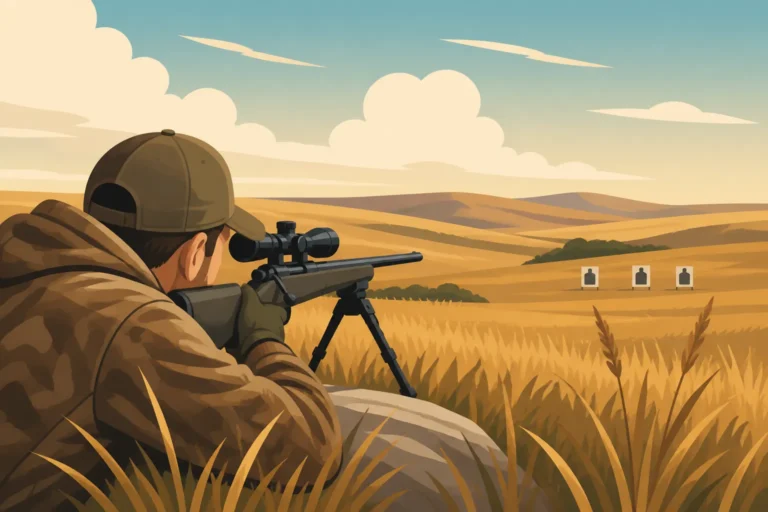
While a 12×50 might feel a bit overkill for walking dense pheasant cover, it truly shines when you're sitting on a hillside, overlooking miles of potential mule deer or antelope habitat. It's the tool that helps you spot game that much earlier, giving you crucial time to plan your approach, assess the wind, and prepare for a stalk. In conditions where Rifle Ranges Realistic in Open Country means 300+ yards, you need optics that can help you find and evaluate your target long before you even think about raising your rifle. This is a dedicated tool for hunters who know their quarry will often be far, far away.
It's worth acknowledging that the increased magnification and objective lens size do come with some trade-offs. 12×50 binoculars are typically heavier and bulkier than 10x42s. For extended comfortable viewing, especially over long periods, you'll almost certainly want to mount them on a tripod. This adds to your gear load, but for the clarity and reach it provides in open country, many big game hunters consider it a non-negotiable part of their kit.
Making Your Choice: Factors Beyond Magnification
Choosing binoculars isn't just about picking the biggest numbers or the most common ones. It's about how those numbers translate to your personal hunting style and the unique challenges you face in Nebraska's diverse landscapes. Beyond the pure optical specifications, there are several practical considerations that should weigh heavily in your decision.
Ergonomics, Weight, and Comfort for Long Days Afield
Let's be real: no matter how fantastic the optical performance, if a binocular isn't comfortable to carry and use, it's not going to serve you well. Ergonomics play a huge role. How does the binocular feel in your hands? Does it fit naturally? Are the focus wheel and diopter adjustment easy to manipulate, even with gloves on during a chilly November morning? A binocular that feels awkward or poorly balanced will quickly become a nuisance.
Weight is another critical factor. If you're spending long days on your feet, perhaps Working Sharptails and Prairie Chickens on Foot across miles of rough terrain, or making an arduous climb to a vantage point in the Pine Ridge, every ounce matters. A heavier binocular, while offering optical benefits, can lead to neck strain and overall fatigue. This can impact your focus and enjoyment of the hunt. Conversely, if you plan to mostly glass from a vehicle or a stationary blind, a heavier unit might be less of a concern since you won't be carrying it as much. Think about your typical hunting day: are you covering vast distances on foot, or are you primarily stationary?
Ultimately, comfort ties all of this together. You might be holding these binoculars up to your eyes for extended periods, methodically picking apart cover. If they're too heavy, too bulky, or simply don't fit your hands well, you'll find yourself putting them down more often, potentially missing critical moments. Always try to handle binoculars before you buy them. Walk around with them, raise them to your eyes, and get a feel for their balance and weight distribution.
Optical Quality and Construction: Why It Matters
Beyond the basic numbers, the underlying optical quality and construction of a binocular significantly impact its performance. This is where the true difference between a good pair and a great pair lies, regardless of whether it's a 10×42 or a 12×50.
Factors like the type of prisms (roof or Porro), the quality of the glass used, and the various lens coatings all contribute to the final image. High-quality glass and advanced multi-coatings reduce glare, improve light transmission, and ensure true-to-life color rendition and contrast. This translates to a brighter, sharper, and clearer image, which is paramount for discerning fine details in challenging light conditions. A cheaply made 12×50 might have the magnification, but if the glass isn't good, the image will be dim, blurry, and frustrating to use.
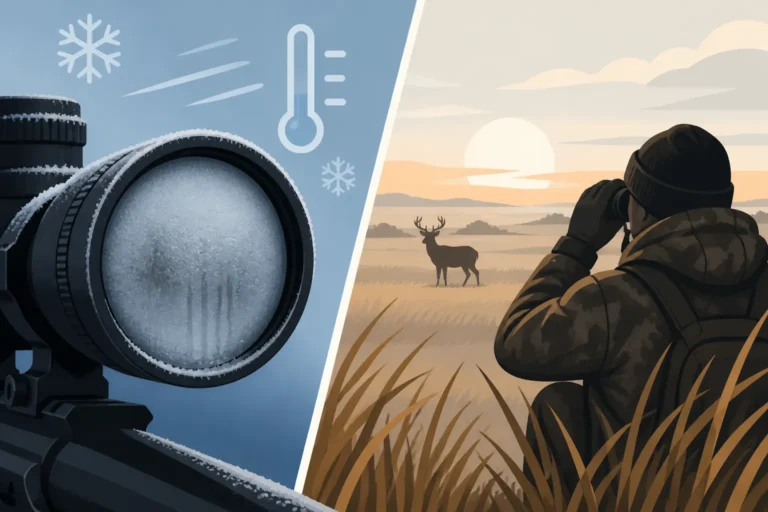
Furthermore, construction speaks to durability. Hunting in Nebraska often means facing harsh conditions: dust from the Sandhills, driving rain, or bitter cold. You need binoculars that are waterproof, fog proof, and robust enough to withstand bumps and scrapes. A well-constructed binocular will have a sturdy housing, often rubber-armored for grip and protection, and sealed optics to prevent internal fogging in extreme temperature swings, like going from a warm truck into Fogged Optics in Nebraska Cold. Investing in quality here means your binoculars will stand up to the rigors of the field for years to come. Checking reviews on sites like GoHunt or talking to other hunters can give you insights into real-world durability. Remember, even if you’re careful, accidents happen, and a quality pair is more likely to survive them.
Budget and Intended Use: Your Personal Sweet Spot
Let's face it, hunting gear, especially quality optics, can be an investment. Your budget will naturally play a significant role in your decision. The good news is that there are excellent binoculars available at various price points, but generally, you get what you pay for in terms of optical performance and durability. It’s important to find the best binoculars you can afford within your personal financial comfort zone. Sometimes, it’s better to buy a higher-quality 10×42 than a budget 12×50 that might underperform due to inferior glass or construction.
Ultimately, your intended use is the guiding principle. Ask yourself:
- Where will you be hunting most often in Nebraska? Is it the dense timber of the Platte River, the open agricultural fields, or the expansive Sandhills?
- What species are you primarily targeting? Are you primarily a whitetail hunter who might occasionally chase upland birds, or are you focused almost exclusively on long-range mule deer and antelope?
- What are your most common hunting methods? Are you sitting in a treestand, still-hunting through river bottoms, or glassing from high points on a tripod?
If you're primarily still-hunting thicker cover or spending most of your time in a treestand in eastern Nebraska, a compact, steady 10×42 might be your perfect match. Its wider field of view is excellent for quick target acquisition and tracking movement in brush. However, if your passion is hunting the vast, open country of western Nebraska for mule deer or pronghorn, and you plan to spend hours behind glass, the extra reach and light-gathering of a 12×50 (especially when paired with a tripod) will likely be invaluable.
Consider how the specific features align with your needs. If you’re often finding yourself dealing with Cleaning a Rifle in Sandhills Dust, then a robust, well-sealed binocular is a must. If you hunt in warm weather during early seasons, ensuring your gear is durable and comfortable is key. There's no single "best" binocular for everyone; it's about what makes you a more effective and comfortable hunter given your specific scenarios. Do your research, perhaps through resources like the gear reviews on GoHunt, and talk to other hunters in your area.
Here's a quick comparison to help solidify the differences:
| Feature | 10×42 Binocular | 12×50 Binocular |
|---|---|---|
| Magnification | 10x (objects appear 10 times closer) | 12x (objects appear 12 times closer) |
| Objective Lens | 42mm | 50mm |
| Light Gathering | Good; generally bright enough for most conditions | Excellent; noticeably brighter in low light |
| Field of View | Wider; easier to scan broad areas, track moving targets | Narrower; requires more deliberate scanning |
| Image Stability | Easier to hold steady by hand, less visible shake | More prone to hand shake; tripod often recommended |
| Portability | Lighter, more compact; ideal for mobile hunting | Heavier, bulkier; better for stationary glassing |
| Typical Use | General purpose, deer in varied cover, upland birds | Long-range big game, open country, detailed scouting |
| Best For | River-Bottom Whitetail Hunting in Eastern Nebraska, Walking Nebraska Pheasant Cover With a Dog | Glassing the Nebraska Sandhills for Mule Deer, Stalking Pronghorn on Nebraska Grassland |
Ultimately, both 10×42 and 12×50 binoculars are fantastic tools for hunting in Nebraska, but they excel in different situations. The "best" choice really boils down to your primary hunting environment, the species you're pursuing, and your personal preferences for portability versus raw optical power. If you spend most of your time in varied terrain, walking a lot, and need a steady, wide field of view, the 10×42 is likely your sweet spot. But if your hunts often involve vast, open landscapes and you need to resolve fine details at extreme distances, the 12×50, perhaps with a tripod, will give you that critical edge. Consider trying out both options if possible before making your final decision—your eyes and your hunting success will thank you for it!
Disclaimer
This article is for general informational purposes only and does not constitute professional advice. Laws, prices and regulations vary by location and change over time. Consult a qualified professional for guidance on your specific situation.