Fogged Optics in Nebraska Cold
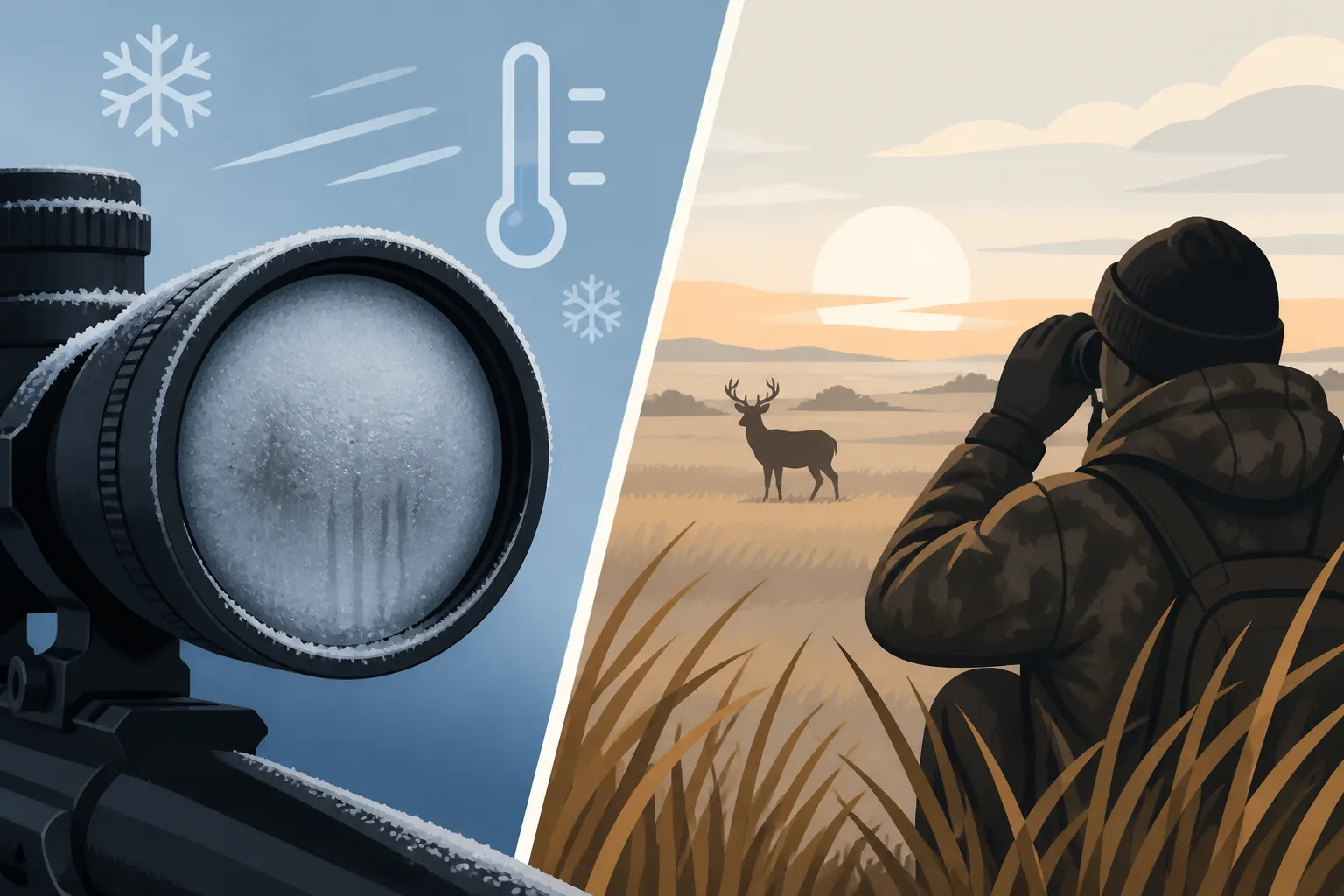
There’s nothing quite like the crisp, biting air of a Nebraska morning when you’re out hunting. The frost crunches underfoot, your breath plumes in front of you, and anticipation hums in the silence. But then, it happens. You spot that distant buck, slowly working its way through a cedar draw, and you bring your binoculars up, or shoulder your rifle to look through the scope—only to be met with a frustrating, milky haze. Fogged optics are a hunter's bane, turning a prime opportunity into a missed moment. This guide will dive deep into why your lenses betray you in the cold and offer practical, battle-tested strategies to keep your view crystal clear when it counts most in the Nebraska cold.
The Frustrating Science of Fogging: Why Your Lenses Betray You
We've all been there: that heart-sinking moment when you raise your expensive binos or bring your scope to your eye, only to find the world obscured by a cloudy film. It feels like a personal attack from the weather, doesn't it? But there's a simple scientific explanation for this maddening phenomenon, and understanding it is the first step to beating it.
Condensation: The Invisible Culprit
At its core, lens fogging is all about condensation. It's the same principle that makes your cold drink glass "sweat" on a hot day. When warm, moist air comes into contact with a colder surface, the air cools rapidly, and its moisture can no longer remain a vapor. It changes state and condenses into tiny liquid droplets on that cold surface. In our hunting scenario, that cold surface is your optic's lens, and the warm, moist air often comes from your own body heat, your breath, or even the air inside your vehicle.
Imagine you've been sitting in your warm truck, scanning for pheasants, and then you step out into a 20-degree Nebraska morning. Your binoculars, still warm from the cab, instantly hit that frigid air. The moment you bring them to your face, the warm, humid air from your eyes and breath hits the cold glass, and poof—fog. This is particularly noticeable during the Nebraska's Nine-Day November Firearm Deer Season or Muzzleloader Deer Hunting in Nebraska in December, when temperatures can swing wildly from relatively mild to truly bitter.
Internal vs. External Fogging: Knowing the Enemy
It’s important to distinguish between external and internal fogging. External fogging, as described above, is the most common and is usually a result of atmospheric conditions or your own body heat. This is the kind you can often wipe away (carefully!) or wait out.
Internal fogging, however, is a different beast entirely and usually points to an issue with the optic itself. Quality binoculars and rifle scopes are typically "purged" with an inert gas like nitrogen or argon, and then sealed. This replaces all the moisture-laden air inside the optical housing with a dry gas, preventing internal condensation regardless of external temperature changes. If your optics are fogging internally, it means a seal has failed, allowing moisture to seep in. This is a much more serious problem and usually requires professional repair or replacement. This is why investing in good glass is so crucial for hunting in places like Nebraska, where temperature extremes are the norm.
Proactive Prevention: Keeping Lenses Clear Before You Even Leave the Truck
While you can't control the weather, you can absolutely control how you prepare your gear. Taking some preventative steps before you ever hit the field can save you a world of frustration and ensure you're ready when that critical moment arises.
Acclimation: The Gentle Transition
One of the simplest yet most overlooked tricks is acclimation. Just like you wouldn't jump into an ice-cold river without a little mental prep, your optics need a slow transition from warmth to cold. Avoid taking your binoculars or scope from a warm, cozy house or truck directly into freezing temperatures. This creates that drastic temperature differential that causes instant fogging.
Instead, try to let your gear cool down gradually. If you're going to hunt in the morning, consider leaving your rifle in a cool garage or even inside the unheated vehicle overnight, rather than bringing it into your warm house. For binoculars, you might put them in a cooler on the way to your stand, or simply let them sit on the dash of your truck with the windows cracked for a while before you get out. The goal is to get their temperature as close to the ambient outside temperature as possible before you need to use them. This is especially vital for a Cold Weather Sitting Strategy where you might be stationary for hours.
Anti-Fog Treatments: A Little Help from Science
There’s a whole industry built around anti-fog solutions, and many of them can be genuinely effective for external fogging. These treatments work by creating a super-thin, hydrophilic layer on the lens surface that spreads water droplets out into an even, invisible film rather than letting them bead up and obscure your vision.
You'll find various options:
- Sprays: Applied and then gently wiped, these are popular for glasses and masks but work for optics too. Be sure to use products specifically designed for optical lenses and follow the instructions carefully to avoid streaks or residue.
- Wipes: Pre-moistened wipes offer a convenient, single-use application. They are great for packing into your Packs for a Day on Public Ground or keeping in your jacket pocket.
- Gels/Pastes: These can offer a longer-lasting effect but require more careful application and buffing to ensure clarity.
The key with any anti-fog treatment is consistent reapplication, especially if you're out in wet or highly humid conditions, or if you're frequently moving between temperature extremes. Always carry a clean, lint-free microfiber cloth specifically for your optics; never use your shirt, a dirty rag, or anything that could scratch the delicate lens coatings. Remember, even the best treatment is a temporary barrier, not a permanent shield.
Quality Optics: The Best Defense is a Good Offense
While anti-fog treatments are helpful, the most robust defense against internal fogging (and often a good helper against external fogging due to better lens coatings) is investing in high-quality optics. Premium binoculars and scopes feature superior sealing, internal purging with inert gases, and advanced lens coatings that resist moisture and repel water.
When you're researching new gear, look for phrases like "nitrogen purged," "argon purged," and "O-ring sealed." These features significantly reduce the chance of internal condensation. Yes, these optics come with a higher price tag, but the reliability they offer when you're glassing for deer in the Nebraska Sandhills or trying to make out a distant pronghorn is invaluable. Platforms like GoHunt often feature detailed gear reviews and comparisons, which can be incredibly helpful when deciding if a particular optic is worth the investment. They also provide valuable resources for planning your hunt, whether you're zeroing a rifle for open country or scouting new areas.
Tactical Solutions in the Field: When Fog Strikes Anyway
Despite your best preventative efforts, sometimes Mother Nature (or your own eager breath) will still manage to fog up your lenses. When it happens, don't panic. There are still things you can do to clear your vision and get back in the game.
Mind Your Breath: The Invisible Culprit (Again)
It sounds obvious, but when you're focused, excited, or just plain cold, it's easy to forget that your warm, humid breath is the primary cause of sudden external fogging. As you bring your scope to your eye, consciously exhale away from the ocular lens. If you're wearing a face mask or neck gaiter, try to ensure your breath is directed downwards or to the sides, not up into your optics. This small adjustment can make a huge difference, especially during active moments like Rattling and Grunting in Nebraska's Rut when you're trying to quickly identify a buck.
Wiping Techniques: Gentle and Effective
If your lenses do fog externally, the immediate instinct is to wipe it off. But how you wipe matters.
- The Right Cloth: Always use a clean, dry microfiber lens cloth. These are specifically designed to clean optics without scratching or leaving residue. Never use your shirt, a bandana, or your gloved hand, as these can introduce dirt or oils that worsen the problem or, worse, scratch the lens coatings.
- Gentle Touch: Lightly breathe on the lens (if it’s not already wet) to create a light film of moisture, then gently wipe from the center outwards in a circular motion. If the lens is already fogged, just a gentle wipe is usually enough. Avoid aggressive rubbing.
- Keep it Dry: If your cloth becomes damp, it will only smear the moisture around. Carry multiple dry cloths in separate, sealed bags in your pack or pockets. This is especially useful during Hunting a Frozen Nebraska River Bottom where dampness is pervasive.
Temporary Warmth: A Calculated Risk
Sometimes, a quick burst of warmth can clear a fogged lens. This isn't ideal for the long term, but in a pinch, it might work.
- Body Heat: Carefully cup your hands around your optics, allowing your body heat to gently warm the lenses. The idea is to raise the lens temperature above the dew point so the condensation re-evaporates. Be cautious not to breathe directly onto the lenses while doing this.
- Hand Warmers: A chemical hand warmer tucked into a lens cover or in your scope cap can provide a gentle, sustained heat that might prevent or clear fog. Again, ensure direct contact with the lens is avoided, and use this method only if you have a safe way to secure the warmer without causing damage to your optic's finish or coatings. This can be a great addition to your Hand Warmers That Last a Full Sit strategy.
| Anti-Fog Method | Pros | Cons | Best Use Case |
|---|---|---|---|
| Acclimation | Free, highly effective, no chemicals | Requires planning, can be inconvenient | Preventing fog before starting a hunt |
| Anti-Fog Sprays/Wipes | Quick, portable, chemical barrier | Requires reapplication, can streak if not careful | During varied weather conditions, on external lenses |
| Mind Your Breath | Free, immediate, no gear needed | Requires conscious effort, can be forgotten | Anytime you bring optics to your face |
| Quality Optics | Prevents internal fogging, durable | High upfront cost | Long-term investment, all-weather reliability |
Gear and Habits: Long-Term Strategies for Nebraska's Chill
Ultimately, preventing fogged optics isn’t just about quick fixes; it's about integrating smart gear choices and habits into your hunting routine, especially when facing the unpredictable Nebraska Wind and Cold.
Protective Covers: Your First Line of Defense
Lens covers aren't just for protecting against scratches; they also serve as an excellent barrier against environmental moisture and rapid temperature changes. Keep your scope caps or binocular covers on whenever you're not actively using your optics. This creates a microclimate around the lenses, slowing down heat transfer and protecting them from rain, snow, or even heavy frost. When you need to glass, simply flip them open, and your lenses will be much closer to the ambient temperature. This small habit is particularly beneficial for rifle scopes, which might be exposed for long periods while you're focused on Rifle Scopes for Long Nebraska Shots.
Smart Storage Matters: Where You Keep Your Glass
How you store your optics when not in use can significantly impact their performance in the field. Avoid storing them in places where they will experience dramatic temperature swings or high humidity.
- Cool, Dry Place: A gun safe or a dedicated gear cabinet in a cool, dry area of your home is ideal.
- Avoid Dashboards: Don't leave your binoculars or spotting scope on the dashboard of your truck, even if it's just for a few hours. The sun can heat them up significantly, and then a sudden drop in ambient temperature when you open the door will create condensation.
- Desiccants: For long-term storage, especially if you live in a humid environment, consider placing a desiccant pack (like silica gel) in your optics case to absorb any lingering moisture.
Investing Wisely: The True Cost of Clear Vision
We touched on this earlier, but it bears repeating: quality truly matters with optics. While budget-friendly options might seem appealing, they often cut corners on sealing and lens coatings, making them far more susceptible to fogging and general wear and tear. A good set of Optics for Glassing the Nebraska Sandhills or a reliable scope for Zeroing a Rifle for Open Country isn't just a luxury; it's a critical tool.
When you invest in brands known for their optical quality and rugged construction, you're buying peace of mind. These companies understand the demands of hunting in harsh conditions and design their products to withstand them. Researching reviews on sites like GoHunt can give you valuable insights into how different optics perform in real-world hunting scenarios, helping you make an informed decision. Look for optics with multi-coated lenses, which not only enhance light transmission but also provide better resistance to water and fog. Proper maintenance, like regularly cleaning external surfaces and storing them correctly, will also extend the life and performance of your investment.
By adopting these proactive and reactive strategies, you can minimize the frustrating moments of fogged optics and ensure that when the opportunity of a lifetime presents itself on a cold Nebraska morning, your view is always clear.
Disclaimer
This article is for general informational purposes only and does not constitute professional advice. Laws, prices and regulations vary by location and change over time. Consult a qualified professional for guidance on your specific situation.