Magnum Calibers for Antelope
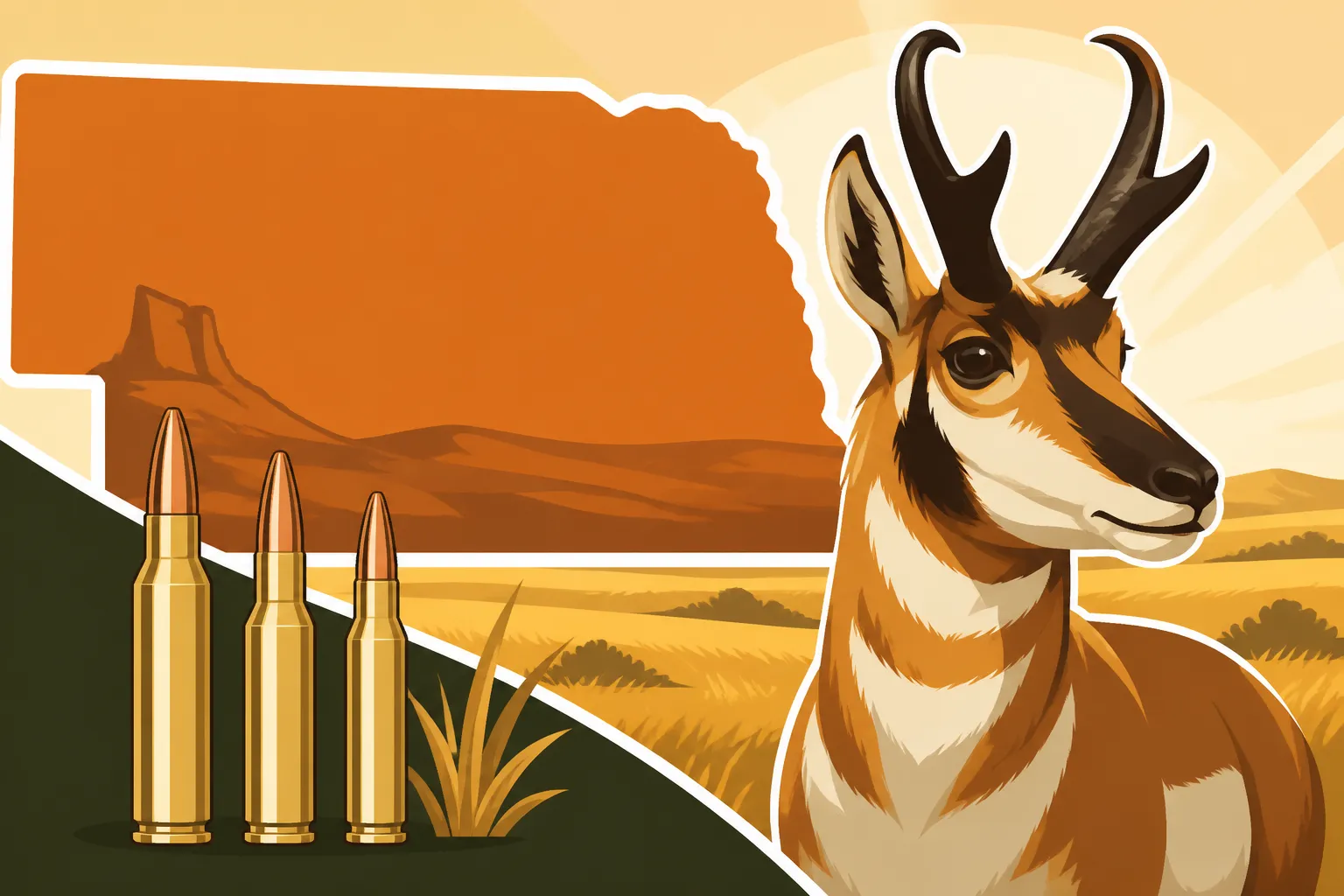
The vast, open landscapes of Nebraska's antelope country present a unique challenge for hunters. You've spent hours glassing, finally spotted that mature buck, and now it's decision time. Often, these wary animals won't let you get within typical deer rifle range, leaving you with a long shot opportunity or nothing at all. This guide will walk you through why magnum calibers are often the preferred choice for chasing antelope across the expansive plains and what you need to know to wield them effectively, giving you the confidence to make those longer shots count.
Understanding Antelope Hunting Challenges in Nebraska
Hunting pronghorn antelope in Nebraska is a truly distinct experience compared to chasing whitetails in the timber or even mule deer in broken terrain. The landscape itself dictates many of the strategies and, crucially, the gear you'll want to have on hand. It's not just about finding the animal; it's about connecting with it when the moment arrives.
The Vastness of the Nebraska Plains
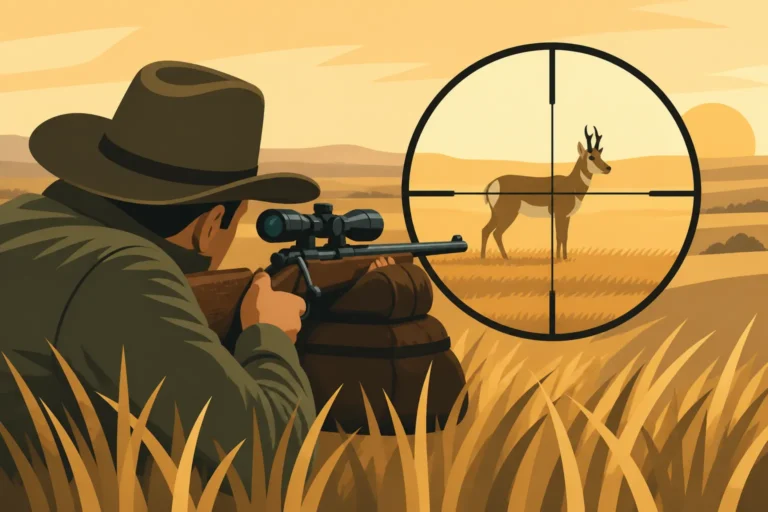
Imagine endless rolling grasslands, dotted with sagebrush and punctuated by the occasional blowout or subtle rise. This is quintessential antelope country in Nebraska. These animals thrive in wide-open spaces, and they use that visibility to their advantage. They have incredible eyesight, often compared to an 8x binocular, which means they'll spot you long before you get close enough for an easy shot. Trying to sneak within 100 or 150 yards can feel like trying to stalk a deer across a football field at midday. It's incredibly difficult, if not impossible, on many days.
This natural wariness and the sheer expanse of their habitat mean that shot opportunities frequently present themselves at distances far greater than what many deer hunters are accustomed to. A 250-yard shot might be considered "close," while 300 to 400 yards, or even more, is not uncommon. This reality quickly pushes many standard rifle cartridges to their ballistic limits, requiring substantial holdover and making wind a massive factor. This is where the frustration can really set in if you're not prepared, as you might locate a great buck only to watch it vanish over the horizon because you couldn't close the distance or didn't trust your equipment at the range presented. For a deeper dive into approaching these animals, check out Stalking Pronghorn Across Open Nebraska Ground.
Antelope Physiology and Shot Placement
Despite their reputation for speed and incredible eyesight, pronghorn antelope are not particularly large animals. A mature buck might weigh 120-150 pounds, with a vital zone that is relatively compact. This means that while they aren't "bulletproof," precise shot placement is absolutely critical for a clean, ethical kill. Unlike a heavy-boned elk or a thick-chested moose, an antelope doesn't require a massive, deep-penetrating bullet that breaks heavy bone. What it does need, especially at extended ranges, is a bullet that delivers sufficient energy to quickly incapacitate it and has a flat trajectory to minimize errors in range estimation.
At longer distances, bullet velocity drops, and with it, kinetic energy. A cartridge that performs well at 150 yards might struggle to maintain enough energy for a quick kill at 350 or 400 yards with the same bullet type. This is less about brute force and more about ensuring that the projectile arrives with enough speed and integrity to do its job, expanding reliably and transferring energy efficiently within that smaller vital area. The goal is to anchor the animal quickly, preventing a long tracking job across miles of open prairie, which can be exhausting and disheartening.
Why Magnum Calibers Shine for Nebraska Antelope
When you combine the challenging nature of antelope country with the need for precise energy delivery at extended ranges, magnum calibers often rise to the top as a preferred tool. They offer distinct ballistic advantages that can make the difference between a successful hunt and a missed opportunity.
Flatter Trajectories and Reduced Bullet Drop
One of the most significant advantages of magnum cartridges, especially when shooting across the wide-open Nebraska plains, is their inherently flatter trajectory. By propelling bullets at higher velocities, magnums effectively defy gravity for longer, meaning the bullet drops less over a given distance compared to standard cartridges. This isn't magic, but rather simple physics: the faster the bullet travels, the less time gravity has to pull it down before it reaches the target.
What does this mean for you, the hunter? It means less guesswork and a more forgiving aiming point when those long shots inevitably come up. When you're trying to quickly range an antelope and make a shot, especially if the animal is moving or standing in broken terrain, minimizing holdover reduces the chance of error. Instead of having to hold "a foot high" or "two feet over," a magnum might only require holding "six inches high" at the same distance, or even holding dead on within a practical point-blank range. This psychological comfort and practical advantage cannot be overstated. When your heart is pounding after a long stalk, knowing that your bullet will fly flatter is a huge confidence booster. Many hunters zero their rifles for Zeroing at 200 Yards to maximize this flat-shooting window.
Increased Energy and Knockdown Power
Beyond just trajectory, magnum calibers deliver more kinetic energy downrange. This additional energy contributes to more reliable bullet expansion and a greater impact on the animal, increasing the likelihood of a quick, humane kill. While antelope aren't massive, you want to ensure the bullet has enough punch to create significant hydrostatic shock and damage vital organs quickly, even if the shot isn't perfectly centered within the vitals at 400 yards.
This doesn't mean you can throw a bullet anywhere and expect a kill, but it does add a margin of error regarding energy transfer. At extreme ranges, a standard cartridge might shed so much velocity and energy that its bullet struggles to expand effectively or simply lacks the power to drop an antelope cleanly. A magnum, however, maintains a higher energy level, ensuring that the bullet performs as designed. Furthermore, the higher velocity often translates to a slightly reduced wind drift, which is an absolutely critical factor in the open, windy conditions often found in Nebraska. Paying attention to Bullet Weight for Windy Conditions becomes even more important here.
Confidence for the Long Shot
Let's be honest, hunting is as much a mental game as it is a physical one. Facing a 300 or 400-yard shot, even with plenty of practice, can be daunting. The biggest advantage a magnum caliber can offer is the confidence it instills in the hunter. Knowing that your rifle and cartridge are specifically designed for these longer ranges, that you've practiced extensively with it, and that its ballistics are forgiving, can make all the difference.
This confidence allows you to focus on the fundamental aspects of the shot: range estimation, wind reading, a steady hold, and a clean trigger break, rather than second-guessing your equipment's capability. When you're glassing for that elusive buck, like those often seen when Spot-and-Stalk Mule Deer in the Nebraska Sandhills, having faith in your rifle's reach lets you capitalize on opportunities that others might pass up. It empowers you to take that shot if everything else aligns, knowing your gear is up to the task. This is where resources like GoHunt can be invaluable, helping you research and understand the capabilities of various magnum calibers before you even step foot in the field.
Popular Magnum Calibers for Nebraska Antelope
While there's a wide array of magnum cartridges available, a few stand out as perennial favorites for open-country hunting, particularly for game like Nebraska's pronghorn antelope. These calibers offer a balance of ballistic performance, ammunition availability, and manageable recoil for most shooters.
.300 Winchester Magnum
The .300 Winchester Magnum is arguably one of the most popular and versatile magnum cartridges worldwide, and for good reason. It’s been a staple in North American big game hunting for decades, proving its worth on everything from elk and moose to, yes, antelope. It excels in open country, delivering excellent velocity and energy with a wide range of bullet weights, typically from 150 to 200 grains.
Its popularity means that ammunition is readily available from almost every major manufacturer, offering a huge selection of bullet types for different applications. For antelope, you'll often find hunters leaning towards lighter, high-ballistic coefficient (BC) bullets in the 165-180 grain range, which maximize velocity and maintain a flat trajectory. The .300 Win Mag hits hard and flies straight, making it a superb choice when facing those cross-canyon or across-the-prairie shots. However, it does come with a notable amount of recoil, which needs to be managed through a good recoil pad, a heavy rifle, or a muzzle brake to ensure consistent accuracy. This is a powerful round that demands respect and practice.
7mm Remington Magnum
Another incredibly popular and highly effective magnum for antelope hunting is the 7mm Remington Magnum. This cartridge has a well-deserved reputation for being a flat-shooting laser, making it ideal for the long-range scenarios you'll often encounter while pursuing antelope. It typically shoots bullets in the 140-175 grain range, providing excellent ballistic coefficients and velocities that result in incredibly flat trajectories.
Many hunters find the recoil of the 7mm Rem Mag to be a bit more manageable than the .300 Win Mag, allowing for better accuracy, especially during extended range sessions or when quick follow-up shots might be necessary. It offers more than enough energy to ethically take antelope at extended ranges, and its flatter trajectory can be a real advantage in minimizing holdover errors. Ammunition is widely available, with plenty of excellent choices for open-country hunting. For those looking to increase their success, utilizing tools like the GoHunt app can provide valuable insights into optimal bullet performance for this caliber.
Other Magnum Options and Considerations
While the .300 Win Mag and 7mm Rem Mag are titans in the magnum world, several other cartridges offer similar benefits for antelope. Cartridges like the .270 WSM (Winchester Short Magnum) and the .300 WSM offer magnum performance in a shorter, often lighter action, which can appeal to some hunters. Newer, high-performance 6.5mm or 7mm cartridges, such as the 6.5 PRC or 28 Nosler, also push impressive velocities and boast exceptional ballistic coefficients, approaching or even exceeding traditional magnum performance without always carrying the "magnum" designation in their name. These can offer incredibly flat trajectories and ample energy.
The key is to select a cartridge that you can shoot accurately and comfortably. The most powerful magnum in the world is useless if you flinch from the recoil or can't place your shots consistently. Consider your comfort level, the rifle platform, and the specific bullet types you intend to use. Regardless of your choice, make sure you spend plenty of time at the range, practicing from various field positions, to truly become proficient with your chosen setup. This will build confidence and ensure ethical performance on the open plains. Remember, effective antelope hunting requires not just power, but also precision.
Practical Considerations for Hunting with Magnum Calibers
Choosing a magnum caliber is only one piece of the puzzle. To truly maximize its effectiveness for Nebraska antelope, you need to consider how you'll manage its characteristics in the field and pair it with the right supporting gear.
Recoil Management and Shooting Comfort
Let's be frank: magnum calibers kick. There's no getting around it. The increased powder charge and higher velocities that give them their ballistic edge also generate more recoil. If you're not prepared for this, recoil can lead to flinching, poor shot placement, and a generally unpleasant shooting experience. This is especially true when you're shooting from field positions, not just a comfortable bench rest.
To mitigate this, several strategies can help. A good recoil pad on your rifle's stock is paramount; many modern rifles come with excellent pads, but aftermarket options can further improve comfort. Muzzle brakes, while noisy, are highly effective at reducing felt recoil, sometimes by 30-50%, making magnum cartridges much more shootable. Heavier rifles also absorb more recoil, so consider the overall weight of your setup. Finally, and most importantly, practice, practice, practice. Getting accustomed to the recoil through consistent range sessions will build your tolerance and muscle memory. Learning proper shooting form, whether prone with a bipod or using Shooting Sticks and Bipods on Grass, is crucial to managing recoil and maintaining accuracy. Don't let the thought of recoil deter you from a magnum if it's the right tool, but do prepare for it.
Ammunition Selection and Ballistics
Just because you're shooting a magnum doesn't mean any bullet will do. For antelope, especially at longer ranges, bullet selection is critical. You want a bullet with a high ballistic coefficient (BC), which means it's aerodynamically efficient and will fight wind and retain velocity better. Furthermore, you need a bullet designed for controlled expansion. While a powerful magnum might deliver a lot of energy, a bullet that fragments too quickly or fails to penetrate adequately can lead to a wounded animal and a lost trophy.
Look for bullets with bonded cores, heavy jackets, or robust construction designed to hold together at high velocities but still expand reliably at lower velocities downrange. Companies like GoHunt often review specific ammunition types and their performance characteristics, which can be incredibly helpful. Test different brands and bullet weights in your rifle to find what shoots most accurately. Every rifle is a law unto itself, and what performs well in one rifle might not in another. Understanding your bullet's specific trajectory and energy retention at various ranges is essential; many ammunition manufacturers provide this data, and ballistic calculators can help you create a custom drop chart for your setup. This is vital for taking ethical shots on pronghorn.
Optics and Rangefinding for Long Shots
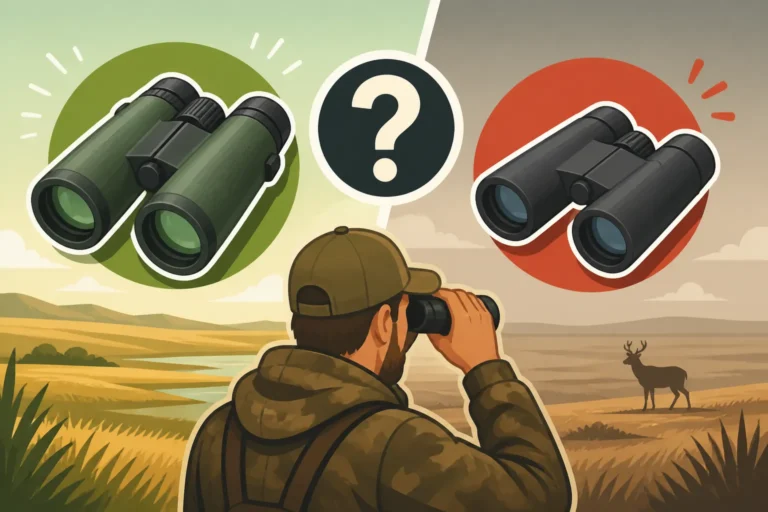
When pursuing antelope in Nebraska, excellent optics are not a luxury; they are a necessity. You'll spend hours glassing vast areas, often from elevated positions, to locate animals. A quality pair of binoculars, perhaps 10×42 or 12×50, is essential for initial spotting and evaluating potential targets. For more detailed assessment, especially when trying to Judging Pronghorn Horn Length from a distance, a good spotting scope is invaluable. You can learn more about specific choices in Spotting Scope Magnification for Antelope.
Once you've spotted an antelope and are ready to make a move, an accurate rangefinder is absolutely non-negotiable, especially with magnum calibers that excel at longer distances. Even small errors in range estimation can lead to significant misses at 300, 400, or even 500 yards. A ballistic rangefinder can be even more helpful, giving you not just the distance but also a compensated distance for bullet drop, taking some of the guesswork out of the equation. You can read more about options in Rangefinder Range on Open Prairie. Combined with a rifle scope that has clear glass, reliable turrets, and perhaps an illuminated reticle for low light, you'll have a formidable system that lets you capitalize on those hard-earned opportunities. Remember, a magnum caliber empowers you to take longer shots, but precise range data ensures those shots are ethical.
Here's a quick comparison of some popular magnum calibers often considered for antelope:
| Caliber | Common Bullet Weights (Grains) | Typical Range Performance | Recoil Level (Relative) | Ammunition Availability |
|---|---|---|---|---|
| .270 Winchester Magnum | 130-150 | Very Flat, High Velocity | Moderate-Heavy | Good |
| 7mm Remington Magnum | 140-175 | Extremely Flat, Excellent | Heavy | Excellent |
| .300 Winchester Magnum | 150-200 | Flat, High Energy, Versatile | Heavy-Severe | Excellent |
| .300 Winchester Short Mag | 150-180 | Flat, High Energy, Compact | Heavy | Good |
Choosing a magnum caliber for antelope hunting in Nebraska is a smart move for many hunters who want to extend their ethical range and increase their confidence in the wide-open country. These cartridges offer flatter trajectories and increased downrange energy, providing a distinct advantage when pronghorn refuse to close the distance. However, remember that raw power is only one part of the equation. Success truly comes from pairing your magnum with consistent practice, careful ammunition selection, and high-quality optics. Embrace the challenge, put in the work at the range, and you'll be well-prepared to make the most of your next antelope hunt on the Nebraska plains.
Disclaimer
This article is for general informational purposes only and does not constitute professional advice. Laws, prices and regulations vary by location and change over time. Consult a qualified professional for guidance on your specific situation.