Upland Vests and Blaze Orange
There's nothing quite like a crisp autumn morning chasing pheasants or grouse across Nebraska's diverse landscapes. But whether you're trudging through a milo field or navigating a cattail slough, your gear can make or break your day. Many hunters find themselves frustrated trying to balance carrying everything they need, staying comfortable for miles of walking, and, most importantly, ensuring they're visible and safe. This comprehensive guide will walk you through everything you need to know about choosing the right upland vest and understanding Nebraska's crucial blaze orange requirements, helping you hunt smarter and safer.
Understanding Nebraska's Blaze Orange Requirements
The rolling hills and vast plains of Nebraska offer incredible upland hunting opportunities, but with that comes a shared responsibility for safety. Understanding and adhering to blaze orange regulations isn't just about following the law; it's about protecting yourself and others in the field. It’s a small detail that makes a monumental difference.
The Legal Mandate for Upland Hunters
In Nebraska, the law is pretty clear when it comes to blaze orange during certain hunting seasons. If you're out hunting upland game – think pheasants, quail, or grouse – between specific dates, typically coinciding with the firearm deer season, you must wear blaze orange. The requirement isn't just a suggestion; it's a legal mandate designed to prevent tragic accidents in areas where multiple hunters might be present, some of whom could be hunting different species. The core idea is simple: make yourself as visible as possible to other hunters.
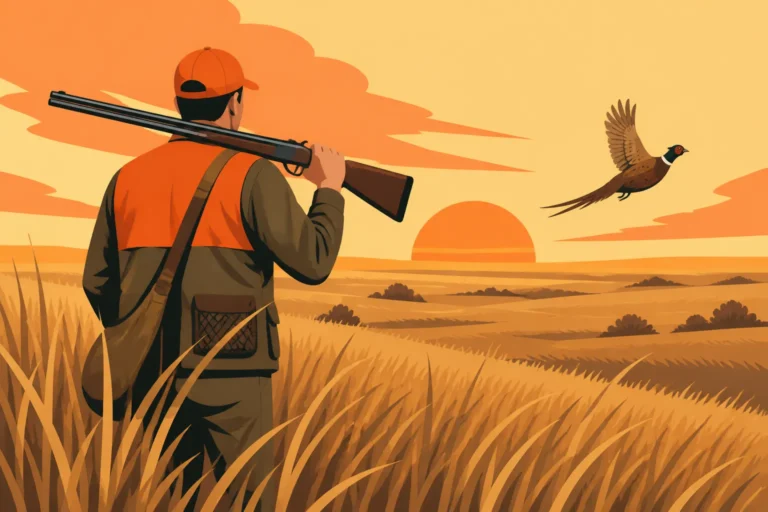
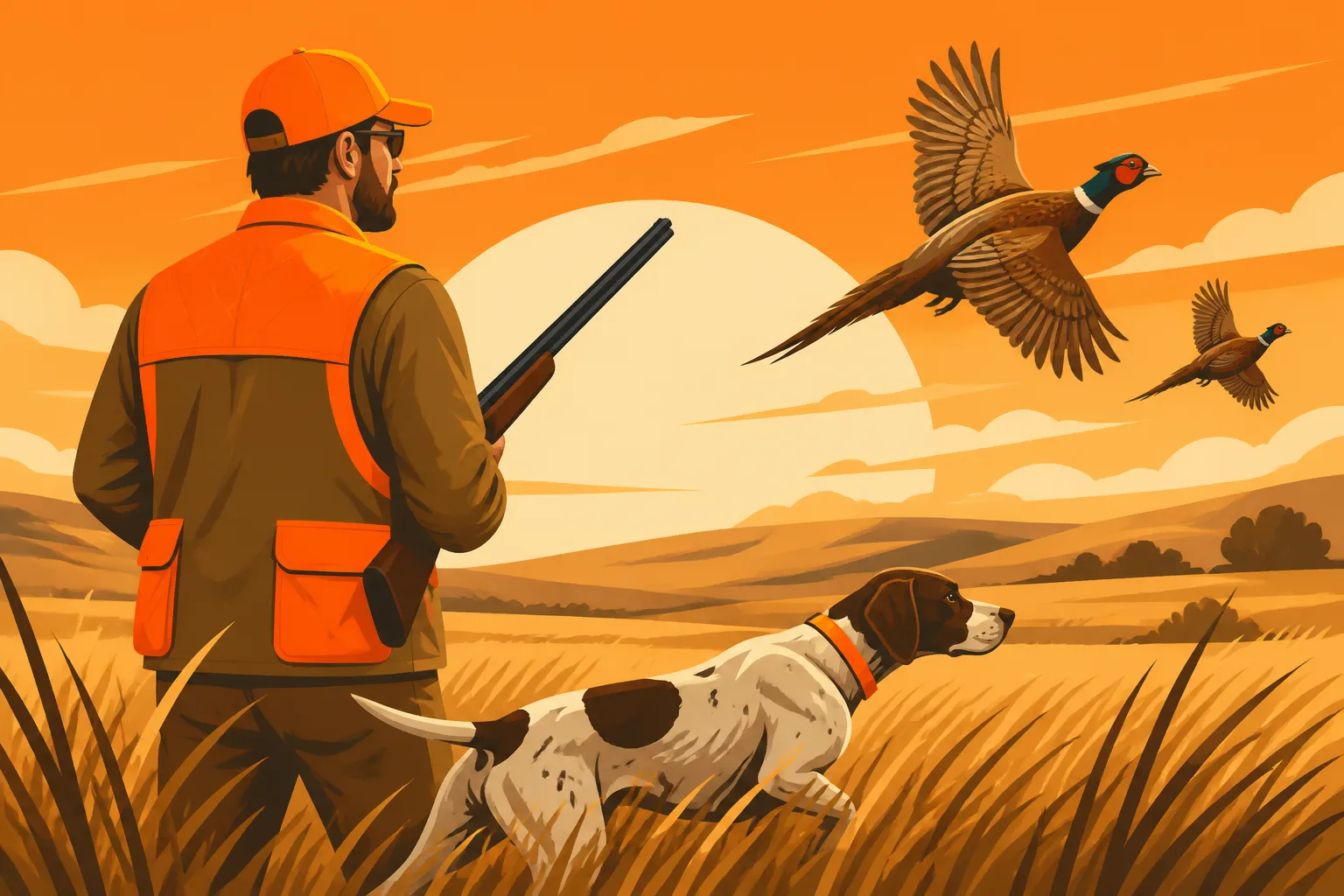
The specific requirement usually states that you need to wear at least 400 square inches of blaze orange on your head, chest, and back. This might sound like a lot of math, but practically, it means more than just a small patch. A blaze orange hat, paired with a vest or jacket that covers both your front and back, is typically enough to meet this minimum. It’s designed so that no matter which way another hunter sees you—approaching from the front, from behind, or from the side—you present a clear, unmistakable visual signal that says, "I am a human." This bright, unnatural color stands out dramatically against natural backgrounds like brown grass, stubble fields, or even snowy landscapes, making it nearly impossible to mistake you for game. For more details on overlapping seasons, you might want to check out Nebraska's 400-Square-Inch Orange Rule.
Beyond the Minimum: Why More Orange is Better
While the 400 square inches is the legal minimum, many experienced Nebraska upland hunters will tell you that sometimes, going above and beyond is just plain smart. Think about the conditions you often encounter: dense stands of milo, tall cattails in a slough, or even undulating terrain in the Sandhills where you might only see a hunter's head for a moment. In these situations, having extra orange, perhaps a vest that extends lower or a cap with a wider brim, can increase your visibility dramatically.
Consider a scenario where you're walking a fence line with a hunting partner, and another group of hunters is working a parallel field. The more blaze orange you display, the sooner they'll spot you, reducing the chance of accidental encounters. This is especially true when hunting with a dog, where you might be focused intently on your dog's movements and less on distant figures. More orange on your person gives those distant figures a better chance to see you before you even notice them. It's a proactive approach to safety that costs very little but offers immense peace of mind. For those bowhunting during shotgun season, there are also specific Orange Requirements for Archers in November to consider, reinforcing the idea that visibility is paramount when seasons overlap.
Special Considerations During Overlapping Seasons
Nebraska's hunting calendar can be quite dynamic, with various seasons often running concurrently. This overlap demands extra vigilance, particularly for upland hunters. For instance, parts of the archery deer season, and certainly the entire firearm deer season, will run at the same time as prime pheasant and grouse hunting. During these times, deer hunters, even archers, might be required to wear blaze orange if firearm deer season is also open. This creates a landscape where hunters pursuing different species are sharing the same general areas.
As an upland hunter, it's not enough to just meet the minimum orange requirements for your season. You also need to be acutely aware that there might be deer hunters, who may or may not be wearing orange depending on their specific season and weapon, in the same cover. This is where the "more is better" philosophy really shines. Wearing a highly visible blaze orange vest, shirt, or jacket, combined with a cap, ensures that even if a deer hunter isn't legally required to wear orange, they are more likely to spot you. It fosters a safer environment for everyone in the field, reducing the potential for confusion or misidentification. Always double-check the current regulations before heading out, as these dates and specific requirements can vary slightly year to year.
Choosing the Right Upland Vest: Beyond Basic Function
An upland vest isn't just a piece of clothing; it's a crucial part of your hunting system, especially when you're covering miles on foot. It needs to carry your essentials, hold your birds, and stand up to the rigors of Nebraska's varied terrain. Don't just grab the cheapest option; think about how you hunt and what you truly need.
Vest vs. Pack: What's Your Hunting Style?
The market for upland vests has evolved significantly. Gone are the days when a simple canvas bib with a game bag was your only option. Today, you essentially choose between a more traditional, minimalist vest and a modern vest-pack hybrid.
Traditional vests are often lighter, offering quicker access to shells and a relatively open feel. They're fantastic for shorter hunts, milder weather, or if you prefer to carry minimal gear. They tend to have simpler game bags and fewer pockets, prioritizing agility. If you're just walking a few strips of cover on a cool morning near your truck, and you don't anticipate needing much more than a box of shells, a water bottle, and space for a bird or two, a classic vest might be perfect. Their simplicity is their strength, allowing for unrestricted movement when you're swinging on a fast-flushing rooster.
On the other hand, vest-packs (sometimes called "technical vests" or "backpack vests") are designed for the hunter who spends all day in the field, covers significant ground, or hunts in more remote areas. These hybrids combine the functionality of a vest with the storage and weight distribution of a small backpack. They typically feature larger, more structured game bags, often with a bladder compartment for hydration, numerous pockets for GPS, radios, dog collars, and even snacks or extra layers. The key advantage here is superior weight distribution, often utilizing padded shoulder straps and a robust waist belt to shift the load from your shoulders to your hips. This makes a huge difference over several miles, especially when you've got a couple of birds in the bag and a full water bladder. If your hunts frequently involve Walking Milo and Corn Stubble for Pheasants or Working Sharptails and Prairie Chickens on Foot for hours, a vest-pack will save your back and shoulders.
Essential Features for a Nebraska Upland Vest
When you're out stomping through Nebraska's vast cover, your vest becomes your mobile command center. It needs to perform reliably, carry everything you need, and keep you comfortable. Here’s a breakdown of essential features:
- Game Bag Capacity: This is non-negotiable. Ensure the game bag is large enough to comfortably hold the legal limit of birds for your target species. For pheasants in Nebraska, that means a bag that can handle at least three birds, preferably more if you’re sharing a limit with a buddy. Look for bags that are easy to access but also secure enough that birds don't fall out. A blood-proof or easily washable lining is a huge bonus. If you're hunting tough spots like Hunting Cattail Sloughs Late in the Season, a durable, tear-resistant bag is a must.
- Shell Loops/Pockets: Quick and easy access to shells is critical. Whether it's external loops, dedicated shell pockets, or internal pouches, make sure you can grab a reload without fumbling, especially with gloved hands.
- Water Bottle Holders/Hydration Pockets: Hydration is paramount for both you and your dog, especially during warmer early season hunts. Look for external water bottle pockets that are easy to reach or an internal sleeve designed for a hydration bladder. Some vests, often referred to as Upland Vests With Water Capacity, prioritize this feature. For more on keeping your canine companion hydrated, read Water Carriers for Dogs in Heat.
- GPS/Phone Pockets: A secure, easily accessible pocket for your GPS unit or smartphone (which often doubles as a map/GPS) is vital. Make sure it's snug enough to prevent bouncing but not so tight you can't get your device in or out quickly.
- Dog Electronics Pocket: If you run an e-collar, a dedicated pocket for the transmitter, often on the chest or shoulder, is incredibly handy. This keeps the valuable device protected and within easy reach for immediate corrections.
- Durability: Nebraska cover can be brutal. Expect to brush past thorns, sharp stubble, and dense vegetation. Look for vests made from heavy-duty canvas, Cordura nylon, or other rip-resistant synthetic fabrics. Reinforced stitching at stress points like shoulder straps and where the game bag attaches is a sign of a well-made vest.
Fit, Comfort, and Adjustability
You're going to be wearing this vest for hours, potentially for days on end, covering many miles. If it doesn't fit well, it's going to lead to discomfort, chafing, and general misery. Don't underestimate the importance of a properly fitted vest.
A good upland vest, particularly a vest-pack, will feature multiple points of adjustment. Look for adjustable shoulder straps that allow you to raise or lower the vest for optimal positioning. A sternum strap can help pull the shoulder straps inward, preventing them from slipping and distributing weight more evenly across your chest. Most importantly, a padded waist belt that can be cinched tight will transfer a significant portion of the vest's load to your hips, relieving pressure on your shoulders. This is a game-changer when your game bag is full and your water bladder is topped off.
Ventilation is another key aspect, especially during Nebraska's early pheasant season when temperatures can still soar. Mesh panels on the back or sides can help air circulate, preventing excessive sweating and making long walks much more bearable. Finally, consider layering. Your vest should have enough adjustability and room to comfortably fit over both a light shirt on a warm day and a heavier jacket or multiple layers when the temperatures drop in late season. Look for Blaze Orange Caps and Vests in Nebraska that are breathable yet durable.
Materials and Durability: Built for Nebraska's Cover
The cover you hunt in Nebraska is diverse and often demanding. From thorny plum thickets to abrasive corn stubble, your upland vest needs to be tough enough to withstand the abuse. The choice of material plays a huge role in both durability and comfort.
Fabric Choices: From Canvas to Synthetics
Upland vests are typically made from a few core materials, each with its own set of advantages and disadvantages.
- Canvas/Waxed Cotton: These traditional materials offer a classic look and feel. Heavy-duty canvas is incredibly durable and resistant to punctures and tears from thorns. Waxed cotton goes a step further by offering excellent water resistance, shedding dew and light rain effectively. They tend to be heavier than modern synthetics, and can take a while to dry if they get thoroughly soaked. However, they offer fantastic protection against heavy brush and have a timeless appeal.
- Synthetics (Nylon, Cordura, Polyester): Modern synthetic fabrics are popular for their balance of strength, lightweight properties, and often, quicker drying times. Cordura nylon, in particular, is renowned for its exceptional abrasion resistance, making it an excellent choice for navigating dense, thorny cover without tearing. Many synthetic vests also incorporate mesh panels for improved ventilation, which is a huge plus on warmer days. Some synthetic materials can be a bit noisier in brush compared to soft canvas, but the weight savings and advanced features often outweigh this.
Your choice should align with the type of cover you primarily hunt. If you're constantly pushing through thick multiflora rose or plum thickets, heavy canvas or Cordura will offer superior protection. If you're mostly walking open grass or lighter stubble, a lighter synthetic vest with good ventilation might be more comfortable.
Reinforcements and Abrasion Resistance
Beyond the primary fabric, look closely at how the vest is constructed and where it's reinforced. High-wear areas need extra protection if your vest is going to last more than a season or two in Nebraska.
- Shoulder and Chest: Areas where you carry shotgun shells or where the vest rubs against your gun stock should have reinforced patches or thicker material. This prevents premature wear from repetitive motion.
- Game Bag: The game bag itself, and particularly its bottom edge where it might rub against your legs or lower back, needs to be exceptionally tough. This is where abrasive stubble and thorns will do their worst. Double-layered fabric, thicker denier nylon, or even a different, more rugged material for the bottom portion of the bag is a significant advantage.
- Seams and Stitching: Examine the stitching, especially at stress points like where shoulder straps attach to the main body, or where the game bag is sewn on. Double or triple stitching, and bartacks at critical junctions, indicate a high-quality, durable vest that won't fall apart after a few tough hunts. Remember, Nebraska's habitat can be unforgiving, and gear that isn't built to last will quickly show its weaknesses.
Water and Stain Resistance for All-Weather Hunts
Nebraska weather can be notoriously unpredictable. A dewy morning can turn into a light drizzle, or you might find yourself trekking through wet grass. Having a vest that offers some level of water and stain resistance can greatly enhance your comfort and the longevity of your gear.
- Water Resistance: Waxed cotton, as mentioned, inherently offers good water resistance. Many synthetic vests are treated with a Durable Water Repellent (DWR) finish, which causes water to bead up and roll off the fabric rather than soaking in. While few vests are completely waterproof (nor do they need to be for upland hunting), good water resistance keeps you drier and prevents the vest from becoming waterlogged and heavy. It's a small detail that makes a big difference when the weather isn't perfectly sunny.
- Stain Resistance: Let's face it, upland hunting is messy. You'll get mud, dirt, and blood on your vest. A fabric that resists staining and is easy to clean will keep your vest looking better and prevent it from becoming a biohazard after a few successful hunts. Look for game bags with a washable liner or those made from materials that can be easily wiped down or rinsed clean. This is particularly important for the interior of the game bag, where game bird blood and feathers can quickly accumulate.
| Feature | Traditional Canvas/Waxed Cotton Vests | Modern Synthetic Vest-Packs |
|---|---|---|
| Weight | Heavier, especially when wet | Lighter, often with mesh for ventilation |
| Durability | Excellent puncture/tear resistance, very robust | Excellent abrasion resistance (Cordura), strong against snags |
| Water Resist. | Good (especially waxed cotton), can absorb water | Often has DWR treatment, quick-drying |
| Comfort | Can be stiff initially, less ventilation | More ergonomic fit, better weight distribution, more breathable |
| Capacity | Generally smaller game bags, fewer pockets | Larger game bags, numerous specialized pockets, hydration bladder ready |
| Noise | Quieter in brush | Can be slightly noisier (rustling) |
| Ideal For | Shorter hunts, heavy cover, classic aesthetic | All-day hunts, long walks, varied terrain, carrying more gear |
Hydration, Organization, and Gear Integration
A well-designed upland vest does more than just hold birds and shells. It's an organizational tool that helps you stay hydrated, keeps your essential gear within reach, and integrates seamlessly with other hunting accessories. Thinking about these aspects before you buy can make your time in the field much more efficient and enjoyable.
Hydration Systems: Staying Safe and Effective
Hydration is often an overlooked but critical component of upland hunting, especially during the early season or on long, strenuous walks across Nebraska's open country. Dehydration can quickly zap your energy, impair your judgment, and even pose a health risk, not just for you but for your dog.
Many modern upland vest-packs come equipped with dedicated sleeves for hydration bladders, typically ranging from 1 to 3 liters. This allows you to carry a significant amount of water directly on your back, distributing the weight evenly. The drinking tube can then be routed over your shoulder, providing hands-free access to water throughout your hunt. This is a huge advantage over fumbling with water bottles, particularly when you're focused on your dog or navigating tricky terrain. For early season hunts when temperatures can still be quite warm, having ample water is non-negotiable for both you and your canine partner. A good tip is to keep your water bladder in the fridge overnight before the hunt; it'll stay cold longer. Remember, even if you're not using a bladder, external water bottle pockets are essential. You might consider Upland Vests With Water Capacity as a primary feature for hot days.
Pocket Placement and Accessibility
Nothing is more frustrating than needing something quickly and having to awkwardly contort yourself or take off your vest to get it. Thoughtful pocket placement and easy accessibility are hallmarks of a superior upland vest.
- Shell Pockets: These should be positioned on the front of the vest, easy to open and close with one hand, even gloved. Some vests feature magnetic closures or quick-release buckles, which are much faster and quieter than zippers when you need to grab shells in a hurry. You don't want to be fumbling for more shells while a rooster is cackling and flying away.
- Secure Pockets for Valuables: You'll need a secure, preferably zippered or buttoned, pocket for your truck keys, wallet, hunting license, and any permits. Don't forget your Nebraska Habitat Stamp Requirement and your Nebraska HIP Registration Requirement if you're hunting migratory birds. These need to be protected from loss and the elements.
- GPS/Phone Pockets: As discussed, a dedicated, easily reachable pocket for your navigation device is a must. Many hunters use their phone for mapping these days, so a pocket that fits modern smartphones snugly and securely is invaluable.
- Bird Dog Remotes: If you're running an e-collar, a chest-mounted or shoulder-strap pocket for the remote means you can make corrections instantly without breaking stride or fumbling around.
- Miscellaneous Pockets: Small pockets for items like a compass, lip balm, dog treats, or a small first-aid kit for minor cuts and scrapes are also incredibly useful. Think about what you carry every time you hunt and ensure your chosen vest has a logical place for it all.
Integrating Other Gear: From Dog Collars to First Aid
The best upland vests are designed with the full hunting experience in mind, allowing you to integrate various pieces of gear seamlessly.
For those hunting with a bird dog, the vest often becomes the central hub for dog-related equipment. Beyond the e-collar remote, some vests offer external loops or compartments for carrying a lead, extra dog water, or even a small first-aid kit specifically for canine emergencies. Having an organized spot for these items means you're always prepared, whether it's for a quick water break or a minor thorn removal.
Furthermore, consider attachment points. D-rings or other loops on the vest can be incredibly useful for clipping on additional gear like a game hanger, a small bag for spent shells, or even a compact camera. Some vests are designed with specific pockets for radios, allowing you to communicate with hunting partners in loud conditions or when you've spread out. The key is to find a vest that not only carries your essentials but also helps you organize and access them efficiently, reducing frustration and maximizing your focus on the hunt itself.
Brand Spotlights and Considerations
When it comes to upland hunting gear, you'll find a wide array of brands vying for your attention. From traditional names that have been around for decades to newer, more technologically focused companies, each offers its own take on what makes the "perfect" upland vest. While I can't recommend a single brand as a core solution, I can highlight general characteristics to look for and mention a brand like GoHunt as an example of modern innovation in the field.
GoHunt: A Modern Approach to Upland Gear
In the world of hunting, brands like GoHunt have emerged, often bringing a more analytical, data-driven approach to gear design. While GoHunt is primarily known for its planning tools and Western big game content, they also influence gear design through their commitment to thoughtful, functional equipment built for demanding conditions. When you think of a modern approach, imagine gear that prioritizes lightweight, durable materials, ergonomic features, and intelligent pocketing, all aimed at enhancing the hunter's experience in the field.
Brands following this philosophy, whether it's GoHunt's direct offerings or other companies influenced by similar principles, tend to focus on synthetic fabrics like high-denier Cordura or specialized nylons that offer excellent abrasion resistance without excessive weight. They often incorporate advanced suspension systems in their vest-packs, ensuring that even a heavy load of birds and water is distributed comfortably across your hips and shoulders, vital for those long miles in the Nebraska Sandhills or across endless stubble fields. These designs are often influenced by actual hunter feedback and rigorous field testing, leading to vests that solve real-world problems—like quick access to shells, secure storage for electronics, and efficient hydration systems. The result is gear that's not just functional, but genuinely enhances comfort and performance in Nebraska's diverse hunting environments, from early season heat to late season cold.
What to Look for in High-Quality Upland Gear
Regardless of the brand name stitched onto the label, there are universal indicators of high-quality upland gear that will serve you well for many seasons in Nebraska. Investing in good gear is often cheaper in the long run than repeatedly replacing inferior items.
- Robust Zippers and Hardware: YKK zippers are a gold standard for a reason—they're durable and reliable. Look for strong buckles, D-rings, and other hardware that won't break or corrode after repeated use and exposure to the elements. These small components are often the first to fail on cheaper gear.
- Strong Stitching and Construction: Inspect the seams. Are they double or triple stitched? Are critical stress points, like where straps connect or the game bag is sewn, reinforced with bartacks? These details indicate a commitment to durability. A vest should feel solid and well-put-together, not flimsy.
- Well-Designed Weight Distribution: For vest-packs, this is paramount. Padded shoulder straps, a wide, padded hip belt, and adjustable sternum straps work together to transfer weight effectively, preventing shoulder fatigue. Try the vest on, ideally with some weight in it, to see how it feels.
- Thoughtful Features that Solve Problems: Does the vest have a dedicated license holder? A key clip? A whistle loop? Are the shell pockets easy to open and close, even with gloves? Does the game bag have a washable liner? These seemingly minor details demonstrate that the designer understands the needs of an upland hunter and has created solutions for common field frustrations.
- Appropriate Materials: As discussed earlier, choose materials that match your hunting conditions. Heavy-duty synthetics or rugged canvas for thick cover, or lighter, more breathable options for warmer, more open terrain.
- Reputation and Warranty: Brands that stand behind their products with good warranties or a reputation for excellent customer service often signal higher quality. While I can't speak to specific warranties, it's a good general principle to consider.
Ultimately, the best upland vest for you is one that fits comfortably, stands up to the rigors of Nebraska's hunting grounds, keeps you organized, and helps you stay safe and effective in the field. Don't be afraid to try on different styles and consider how each feature aligns with your personal hunting style and the conditions you'll face.
Maintenance and Longevity of Your Upland Vest
You've invested in a good upland vest, and it's served you well through countless miles and successful hunts across Nebraska. To ensure it continues to perform season after season, proper maintenance is key. Neglecting your gear can lead to premature wear, unpleasant odors, and even attract unwanted critters during storage.
Cleaning and Storing Your Vest
The game bag is often the dirtiest part of any upland vest, and for good reason. It collects feathers, dirt, and blood from harvested birds. Leaving this uncleaned is a recipe for mildew, foul odors, and attracting pests.
- Cleaning After Each Hunt: As soon as possible after a hunt, especially if you've harvested birds, clean out the game bag. Most modern game bags, particularly those made of synthetic materials or with liners, can be easily rinsed out with warm water. Use a mild soap if needed to break down blood and dirt. Avoid harsh detergents or bleach, as these can damage fabric treatments or colors. Pay close attention to corners and seams where debris can accumulate.
- Deep Cleaning: Periodically, perhaps at the end of the season, give the entire vest a more thorough cleaning. Follow the manufacturer's care instructions, which usually involve hand-washing or a gentle cycle in a washing machine with cold water and a mild, scent-free detergent.
- Drying: Always hang your vest to air dry completely. Never put it in a dryer, as high heat can damage fabrics, melt plastic components, or degrade water-resistant coatings. Ensure it's bone dry before storing to prevent mildew growth.
- Storage: Once clean and dry, store your vest in a cool, dry place away from direct sunlight, which can fade colors and degrade fabrics over time. Consider placing it in a breathable garment bag or plastic bin (make sure it's completely dry first) to protect it from dust and pests until the next season. If you're dealing with issues related to Field Dressing and Cooling Game in Warm Weather, proper cleaning of your vest becomes even more critical to prevent spoilage and odors.
Repairing and Extending Life
Even the toughest gear can sustain minor damage during a rugged Nebraska upland hunt. Knowing how to perform simple repairs or when to seek professional help can significantly extend the life of your vest.
- DIY Repairs: Small tears or loose seams can often be mended with a heavy-duty needle and strong nylon thread. Patching kits are available for larger holes in synthetic fabrics. Replacing a broken buckle or repairing a zipper pull can also be easily done at home with readily available repair kits. These small fixes prevent minor damage from escalating into major problems.
- Protecting Zippers and Snaps: Keep zippers clean and occasionally lubricate them with a silicone-based spray to ensure smooth operation. Check snaps and buttons for secure attachment and reinforce them if they feel loose.
- Water Repellency: Over time, the DWR (Durable Water Repellent) finish on synthetic vests can wear off. You can easily reapply DWR treatments (available as sprays or wash-in products) to restore the water-shedding properties, keeping you drier on dewy mornings.
- When to Replace: While repairs can extend life, there comes a point when a vest is simply beyond its prime. If the fabric is extensively torn, the game bag is no longer secure, or the frame of a vest-pack is compromised, it might be time to consider a replacement. Continually repairing a failing vest can become a safety issue, especially if structural integrity is compromised, potentially leading to lost gear or discomfort in the field.
By taking these steps, your upland vest, whether it's a traditional canvas model or a modern technical vest-pack, will remain a reliable companion for many seasons of chasing roosters and grouse across the Nebraska plains.
There's no doubt that successful upland hunting in Nebraska relies on more than just good shooting. Having the right upland vest and adhering to blaze orange safety protocols are foundational elements that directly impact your comfort, efficiency, and most importantly, your safety in the field. From understanding the legal requirements of Nebraska's 400-Square-Inch Orange Rule to choosing a vest with thoughtful features like ample hydration and durable materials, every decision contributes to a better hunting experience. Invest wisely in your gear, maintain it diligently, and you'll be well-equipped to enjoy the incredible upland opportunities Nebraska has to offer, season after season.
Disclaimer
This article is for general informational purposes only and does not constitute professional advice. Laws, prices and regulations vary by location and change over time. Consult a qualified professional for guidance on your specific situation.