Clothing for Nebraska Wind and Cold
Oh, Nebraska weather. It's the kind of beast that laughs at your weather app and then throws a curveball when you least expect it. One moment you're enjoying a crisp autumn morning, the next a brutal northwest wind slices through every layer you own, or a warm front rolls in, making you regret that extra fleece. For any hunter brave enough to step into Nebraska's fields, woods, or Sandhills, knowing how to dress for this notoriously unpredictable wind and cold isn't just about comfort—it's about staying safe and effective. This guide is all about helping you understand the dynamic elements of Nebraska's weather and how to build a clothing system that keeps you warm, dry, and ready for whatever Mother Nature decides to throw at your hunt.
Understanding Nebraska's Weather Extremes
Nebraska isn't known for its subtle weather. We experience four distinct seasons, but within each, especially during hunting season, you can encounter a wild swing. From sweltering early archery days to bone-chilling late-season waterfowl sits, the conditions demand serious respect and preparation. Ignoring these extremes is a quick way to cut your hunt short and potentially put yourself in a dangerous situation.
The Relentless Nebraska Wind
If you've spent any time at all outdoors in Nebraska, you know about the wind. It's not just a breeze; it's a constant, often vicious force that can turn a 30-degree day into a hypothermia risk if you're not properly protected. The wind rips across our open plains, through river bottoms, and across the Sandhills with an almost unending energy, stripping away your body heat at an alarming rate. Even when temperatures aren't plummeting, a sustained 20 mph wind can make you feel exponentially colder, especially when you're sitting still in a deer stand or glassing for antelope. It’s the single biggest factor most hunters underestimate, and it’s the quickest way to find yourself shivering uncontrollably, focusing more on staying warm than on the hunt itself. This constant buffeting also makes it harder to hear and stay steady for a shot, adding another layer of challenge.
Rapid Temperature Swings and Unexpected Warm Fronts
Just when you think you've got Nebraska figured out, the weather shifts. It's not uncommon to wake up to freezing temperatures, only for a warm front to push through, leaving you sweating by midday. Conversely, a beautiful sunny afternoon can quickly give way to a dramatic cold snap as a front moves in, sometimes dropping temperatures 20 or 30 degrees in a matter of hours. This variability means you can't just pick one outfit for the day and stick with it. Early archery season can be especially tricky, with mornings requiring a jacket and afternoons feeling like summer. Come firearm season, you might start with heavy layers only to find yourself shedding them during a midday stalk. Successful hunters learn to anticipate these shifts and have systems in place to adapt, ensuring they're never too hot or too cold for long. This adaptability is key when planning your day, especially on multi-day hunts where you might experience a full range of conditions.
Dealing with Snow, Sleet, and Freezing Rain
While not every hunt will involve precipitation, when it comes, it can be severe. Snow can be a hunter's ally, quieting the woods and making tracks easy to read, but it also demands specific gear. Heavy, wet snow will soak through inadequate outer layers, leading to rapid heat loss. Sleet and freezing rain are perhaps even more insidious, clinging to clothing and equipment, turning everything into an icy, uncomfortable mess. The wind often accompanies these precipitation events, driving the moisture deep into your clothing. Imagine sitting in a ground blind during a sleet storm; if your outer shell isn't truly waterproof and windproof, you'll be miserable within minutes. Even a light dusting can make footing treacherous, emphasizing the need for proper footwear. Boots for Walking Nebraska Grass and Sand are critical not just for comfort but for navigating slippery terrain after a winter storm.
The Power of Layering: A Hunter's Best Friend
If there's one golden rule for dressing for Nebraska's hunting seasons, it's layering. Forget the idea of one big, bulky coat; a system of thinner, versatile layers is infinitely more effective. This approach allows you to regulate your body temperature precisely, adding or shedding clothing as activity levels, wind, and temperature dictate. It’s like building an adaptable personal climate control system, giving you the flexibility to stay comfortable whether you're breaking a sweat on a long walk or sitting motionless for hours in a stand. Embracing layering is the most practical way to combat the state's notorious weather swings and stay focused on the hunt.
The Science Behind Layering
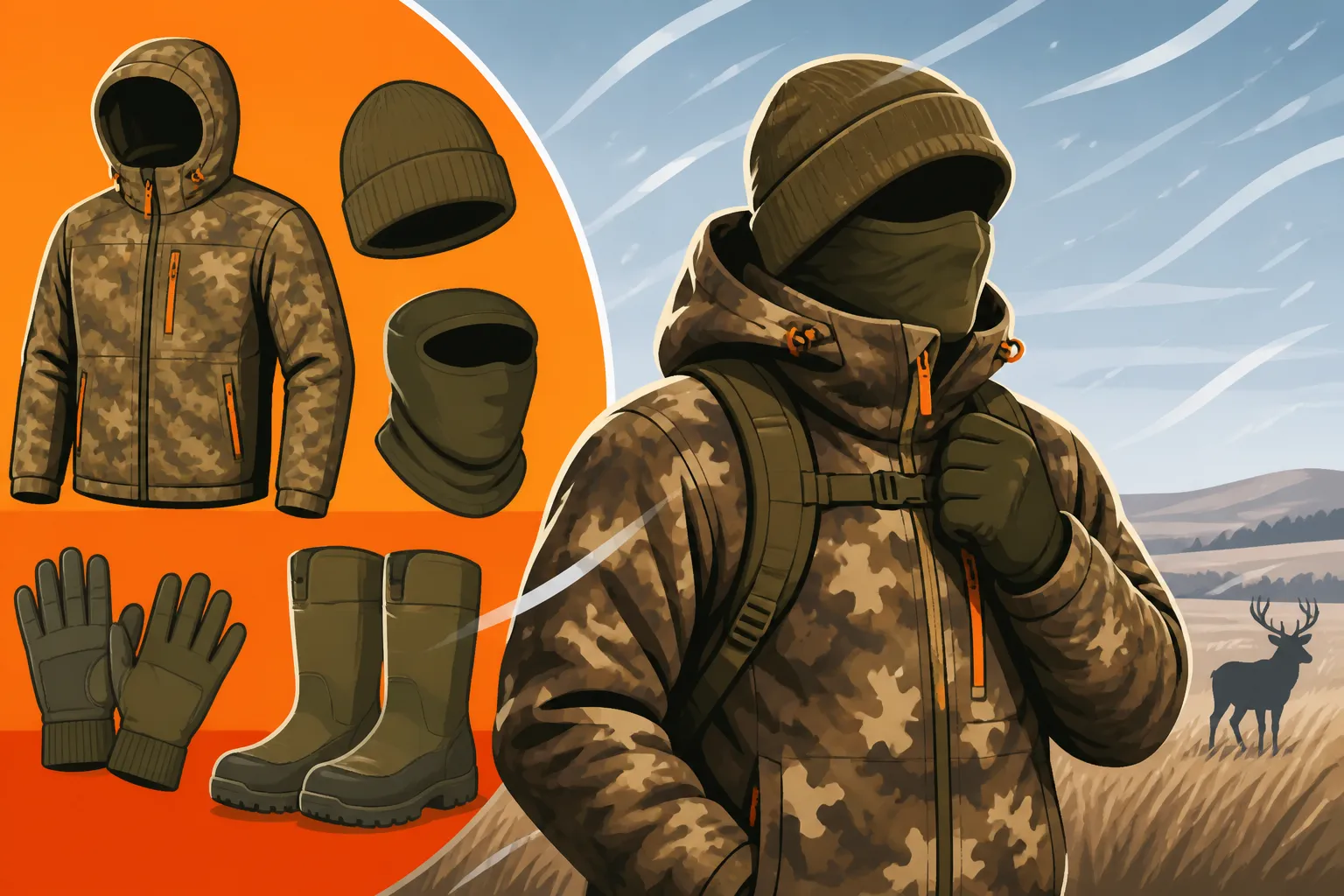
The principle of layering is simple yet incredibly effective: trap air. Each layer you add creates a small air pocket, and these air pockets act as insulation, slowing the transfer of heat away from your body. The more layers, the more trapped air, and the more insulation you have. But it's not just about piling on clothes; it's about using the right materials for each layer. The innermost layer (base layer) focuses on moisture management, drawing sweat away from your skin. The middle layers (mid-layers) provide the primary insulation. The outermost layer (outer shell) shields you from wind and moisture. This system works because it creates a microclimate around your body, and by adding or removing layers, you can fine-tune that microclimate to prevent overheating or chilling. This thoughtful approach ensures that you're always optimizing for comfort and performance, making longer, more successful hunts possible.
Adjusting to Activity Levels
One of the biggest challenges in hunting is managing your body temperature during varying activity levels. You might start your day with a brisk walk to your stand, generating a lot of body heat, then settle in for hours of motionless waiting. If you start your walk fully bundled, you'll sweat profusely, and that moisture will turn cold once you stop moving, leading to a dangerous chill. Layering solves this. You can start your hike in just your base and a light mid-layer, carrying your heavier insulation and outer shell in your pack. Once you reach your destination, you can add those layers back on as your body cools down. Similarly, if you're Still-Hunting Nebraska Cedar Draws or performing a deer drive, you'll likely need fewer layers than if you're sitting patiently. The ability to easily shed or add layers means you can proactively manage your body's heat production, preventing the uncomfortable and energy-sapping cycle of sweating and then freezing.
The Benefits of a Modular System
Think of your hunting wardrobe as a modular system, where each piece serves a specific purpose and can be combined in countless ways. This isn't just about individual garments; it's about having a range of weights and materials for each layer type. For example, you might have a lightweight merino wool base layer for active early-season hunts and a heavy synthetic one for late-season sits. Your mid-layers might include a thin fleece for mild days, a puffy synthetic jacket for added warmth, and a heavier down vest for core insulation. Your outer shells could range from a silent, waterproof softshell to a burly, insulated parka. This modularity means you don't need a closet full of single-purpose "hunting outfits." Instead, you invest in high-quality, versatile pieces that you can mix and match based on the specific forecast and hunting activity. This adaptability is invaluable, saving you money and ensuring you’re always prepared. Many seasoned hunters utilize planning tools like GoHunt to analyze expected conditions, which then informs their modular gear selection for the upcoming trip, maximizing their comfort and success.
Base Layers: Your Foundation Against the Cold
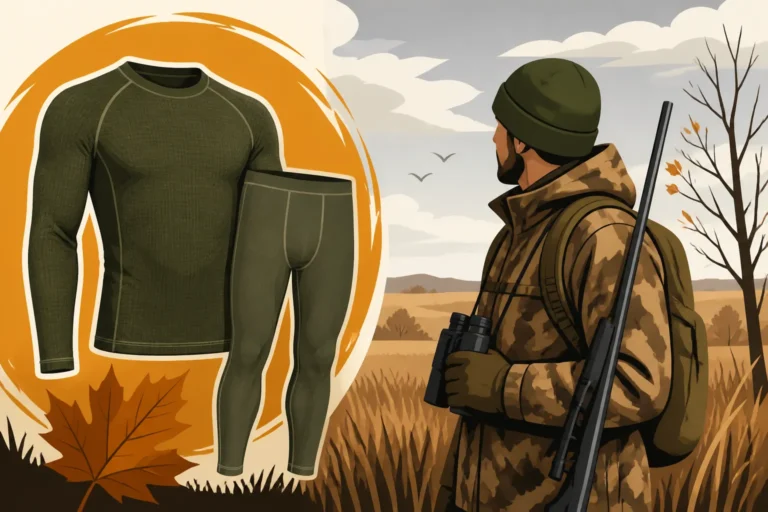
The base layer is arguably the most critical component of any cold-weather hunting system, yet it's often overlooked or misunderstood. This is the layer that sits directly against your skin, and its primary job isn't necessarily to make you warm, but to manage moisture. Whether you're sweating from a hike in or from the nervous anticipation of a deer approaching, that moisture needs to be moved away from your body. If it stays on your skin, it cools rapidly, drawing heat away from you through evaporative cooling, and making you feel much colder than the ambient temperature. A good base layer is the unsung hero that keeps you dry and comfortable from the inside out.
Moisture-Wicking: Synthetics vs. Merino Wool
When it comes to base layer materials, you essentially have two main contenders: synthetics (polyester, nylon blends) and merino wool. Each has its pros and cons.
- Synthetics: These materials excel at wicking moisture away from your skin quickly. They dry incredibly fast, making them ideal for high-activity hunts where you expect to sweat a lot, like a vigorous pheasant walk or a long stalk. They are durable, often more affordable, and tend to hold their shape well. The downside for some is that they can develop odors more readily than wool, which can be a concern for scent-sensitive game. However, many modern synthetics are treated with antimicrobial finishes to mitigate this.
- Merino Wool: Nature's wonder fabric. Merino wool is renowned for its exceptional warmth-to-weight ratio, its ability to regulate temperature (keeping you warm when it's cold and cool when it's warm), and its incredible odor resistance. It also has the unique property of retaining much of its insulating properties even when wet, which is a huge advantage if you get caught in unexpected rain or snow. While it doesn't wick moisture quite as aggressively as synthetics, it manages it very effectively and feels comfortable against the skin. The main drawbacks are that it tends to be more expensive and can be less durable than synthetics, especially against snags.
For Nebraska hunting, many prefer merino wool for its versatility and odor control, especially for deer hunting. However, a synthetic base layer can be an excellent choice for upland bird hunters who are constantly on the move and expect to sweat.
Weight and Fit: From Lightweight to Expedition Grade
Base layers come in various weights, typically categorized as lightweight, midweight, and expedition (or heavyweight).
- Lightweight: Designed for active hunts in cool-to-cold weather or as a foundational layer in truly frigid conditions. They offer minimal insulation but maximize moisture transfer. Think early-season archery hunts when the mornings are cool but the afternoons warm up.
- Midweight: The most versatile option, suitable for a wide range of cold-weather activities and temperatures. They provide a good balance of warmth and moisture-wicking. This is often the go-to for Nebraska's general firearm deer season. Layering for a Nebraska November Sit often starts with a quality midweight base layer.
- Expedition/Heavyweight: Built for extreme cold and low activity levels, like sitting for extended periods in deep winter. They offer significant insulation but are still designed to manage moisture, albeit at a slower rate due to their density.
The fit of your base layer is also crucial. It should be snug against your skin, but not uncomfortably tight or restrictive. This close contact allows the fabric to efficiently wick away moisture. A loose base layer won't be able to do its job effectively, leaving clammy sweat against your skin. Conversely, a too-tight layer can restrict movement and blood flow, leading to discomfort and cold spots. Prioritize comfort and function over fashion here; your base layer is working hard for you.
Managing Sweat on the Move
Even with the best base layers, you still need a strategy for managing sweat, especially during high-exertion moments like hiking to a remote stand or dragging a deer out of a creek bottom. The goal is to avoid getting soaked. One common tactic is to underdress slightly for the initial walk-in. If you have a significant hike, start with just your base layer and maybe a very light mid-layer, carrying your heavier insulation in your pack. Once you arrive at your destination and your breathing and heart rate return to normal, you can add your insulating layers. This prevents that initial flush of sweat from saturating your base layer and ensures you start your sit warm and dry. Another helpful tip is to take frequent, short breaks during strenuous activity to cool down slightly and allow moisture to dissipate. Even if it's cold, opening your jacket for a minute can make a big difference. Utilizing tools like GoHunt's weather forecasts can help you anticipate exertion levels based on topography and temperature, allowing you to fine-tune your clothing strategy before you even leave the truck.
Mid-Layers: Insulation and Versatility
Once your base layer is doing its job managing moisture, your mid-layers step up to provide the bulk of your warmth. This is where you really build insulation to combat the biting Nebraska cold. Mid-layers are crucial because they offer flexible warmth, allowing you to adjust quickly to changes in temperature or activity. They also act as a buffer, protecting your base layer from potential snags or abrasions from your outer shell. The right combination of mid-layers can be the difference between a comfortable, focused hunt and one where you're constantly fighting the cold.
Insulation Types: Fleece, Down, and Synthetics
Mid-layers come in a variety of materials, each with unique insulating properties:
- Fleece: A perennial favorite for hunters, fleece is affordable, durable, and provides excellent warmth even when slightly damp. It's breathable, making it a good choice for active hunts in cold weather. Fleece comes in different weights (100, 200, 300-weight), offering varying degrees of insulation. Its main drawback is that it's not very wind-resistant, so you'll definitely need a good outer shell with it on a windy Nebraska day.
- Down: Nature's lightest and most compressible insulator, down offers an incredible warmth-to-weight ratio. A down jacket or vest can provide serious warmth without bulk, making it easy to pack. The main downside is that down loses virtually all its insulating power when wet, which can be a significant concern in Nebraska's often-wet winter conditions. It's best reserved for dry, cold weather, or as an emergency layer protected by a robust waterproof outer shell.
- Synthetic Insulation (e.g., PrimaLoft, Thinsulate): These man-made fibers mimic the loft and warmth of down but have a critical advantage: they retain much of their insulating ability even when wet. This makes them an excellent choice for any hunt where rain, snow, or damp conditions are a possibility. Synthetic insulation is also hypoallergenic and often more durable than down. While generally heavier and bulkier than down for the same warmth, the peace of mind they offer in damp environments is often worth the trade-off for Nebraska hunters.
A smart hunter might carry a combination, perhaps a fleece vest for general insulation and a packable synthetic puffy jacket for when temperatures really drop or when sitting still for long periods.
Strategic Placement for Core Warmth
When it comes to layering, prioritizing core warmth is paramount. Your body naturally tries to protect its vital organs by shunting blood away from your extremities (hands, feet, head) when you get cold. By keeping your torso warm, you help maintain good circulation to your entire body, preventing those numb fingers and toes that can derail a hunt. This means investing in mid-layers that specifically target your core. Vests are fantastic for this, providing warmth without adding bulk to your arms, which can restrict movement for shooting or calling. A good midweight fleece jacket worn over your base layer, perhaps topped with a synthetic puffy vest or jacket, creates a powerful insulating package. Think about the areas that are most exposed to the wind when you're sitting, like your back against a tree or the front of your chest facing a cold breeze. Double up on insulation in these areas if possible, perhaps with an additional softshell vest over your mid-layer but under your main outer shell. Cold Weather Sitting Strategy heavily relies on effectively insulating your core to endure those long hours in the stand.
Balancing Warmth with Breathability
The trick with mid-layers, especially during active hunts, is to find the right balance between providing enough warmth and allowing excess heat and moisture to escape. If your mid-layers are too dense or non-breathable, you'll overheat quickly, leading to sweat build-up, which then leads to cold. Fleece, as mentioned, is quite breathable, making it versatile. Some synthetic insulated jackets also incorporate breathable panels or zippers to help regulate temperature. It’s a constant dance between staying warm and preventing sweat. For example, when you're Walking Nebraska Pheasant Cover With a Dog or covering ground during a deer drive, you'll need highly breathable mid-layers to avoid getting soaked from the inside. When you stop, you can add a less breathable, more insulating layer if needed. Many hunters find zippered mid-layers particularly useful as they allow for quick venting without completely removing a layer. This fine-tuning is what makes a layered system so much more effective than a single, heavy garment.
Outer Shells: The Ultimate Protection Against Wind and Wet
Your outer shell is your first and last line of defense against Nebraska's unforgiving elements. It’s what stands between you and the wind, rain, snow, and general nastiness that can make a hunt miserable. A poorly chosen outer shell will negate all the careful layering underneath, allowing wind to cut through or moisture to soak you to the bone. This layer needs to be robust, perform reliably, and, for many types of hunting, be quiet. It’s an investment worth making because it directly impacts your ability to stay out longer and remain focused on the game.
Windproof and Waterproof Technologies
When selecting an outer shell for Nebraska, "windproof" and "waterproof" are not just buzzwords; they are essential performance features.
- Windproof: Even on a dry, sunny day, a howling Nebraska wind can make you shiver if your outer layer isn't blocking it. Windproof membranes (like Gore-Tex Windstopper or proprietary technologies from brands such as Sitka, KUIU, or First Lite) are designed to completely stop the wind, preventing convective heat loss. This makes a monumental difference in comfort, especially when sitting still for hours. Wind-Blocking Outerwear for the Plains is non-negotiable for hunting in open country or during severe cold.
- Waterproof: A true waterproof shell will have a membrane (like Gore-Tex, eVent, or various PU coatings) that prevents liquid water from penetrating while still allowing some vapor (sweat) to escape. Critically, waterproof garments should also have taped seams, as stitching creates tiny holes that water can exploit. Remember, "water-resistant" is not the same as "waterproof." Water-resistant garments will shed light rain for a while but will eventually wet out in a sustained downpour or heavy snow. For serious Nebraska weather, especially late season, you need full waterproof protection.
Look for jackets and pants that specifically state "waterproof" and mention a waterproof/breathable membrane. These garments are designed to keep you dry from both external moisture and internal sweat, a crucial balance for staying comfortable.
Durability and Noise Considerations
Nebraska hunting often means pushing through brush, climbing into treestands, or crawling through stubble fields. Your outer shell needs to be able to withstand this abuse. Look for durable face fabrics that can resist tears and abrasions. Ripstop nylon or heavy-denier polyester blends are common choices. Durability, however, sometimes comes at the cost of weight and noise.
- Noise: For deer hunting, particularly bowhunting, a silent outer shell is paramount. Stiff, crinkly fabrics will spook deer at close range. Many brands offer softshell or brushed fabrics that are designed to be quiet, even in cold temperatures. While these often sacrifice some ultimate waterproofness compared to hardshells, the stealth advantage is often worth it for big game hunters. For upland bird hunting or waterfowl, noise is less of a concern, so you can prioritize maximum durability and waterproofing.
- Fit and Mobility: Your outer shell needs to fit over your insulating layers without being baggy. It should allow for a full range of motion, whether you're drawing a bow, shouldering a rifle, or swinging a shotgun. Pay attention to articulation in the elbows and knees, and ensure the hood provides good coverage without impeding your vision or hearing.
It’s a balancing act: you want a tough, protective shell that doesn't sound like a plastic bag wrestling match. For big game, softshell options often strike the best balance, while for waterfowl, a more rugged hardshell is perfectly acceptable.
Camouflage and Safety Orange Requirements
Beyond functionality, your outer shell needs to meet legal and strategic requirements for visibility.
- Camouflage: For most big game hunting, especially deer and turkey, camouflage is standard. The pattern chosen should ideally break up your outline in the specific Nebraska habitat you're hunting, whether that's the tall grass of the Sandhills, the sparse cedars of the breaks, or the dense timber of river bottoms.
- Safety Orange: This is non-negotiable during Nebraska's firearm deer seasons. Nebraska law requires a specific amount of blaze orange to be worn by deer firearm hunters. This means a minimum of 400 square inches of blaze orange on the head, chest, and back, visible from all directions. Even archers hunting during the overlapping firearm season must comply. Your outer shell, or an overlay vest, is typically where you fulfill this requirement. Nebraska Blaze Orange Square Inches explains the exact regulations. Don't risk a fine or, more importantly, your safety. During archery-only seasons, orange is not required but still a good idea for visibility when walking to and from your stand, especially on public land. Even when using an app like GoHunt to scout and plan your routes, always confirm current regulations for specific seasons and areas.
Make sure your orange is vibrant and clean. Faded or dirty orange significantly reduces its effectiveness.
Head, Hands, and Feet: Critical Areas for Heat Retention
It's a common saying that you lose most of your body heat through your head, but while scientifically debated, it's undeniable that keeping your head, hands, and feet warm makes a disproportionate difference in your overall comfort. These are the extremities your body sacrifices first in cold conditions, and once they get cold, it's incredibly difficult to warm them back up in the field. Prioritizing gear for these areas is just as important as your core layers.
Headwear: Trapping Critical Heat
Your head, ears, and neck are major conduits for heat loss because they are richly vascularized and often exposed. A significant amount of blood flows through your head, and if it's uncovered, that warmth escapes quickly.
- Hats: A good hunting hat is essential. Options range from thin fleece beanies for active hunting to thick wool or insulated hats with ear flaps for stationary cold-weather sits. Look for materials that retain warmth even when damp. Layering hats is also an option – a thin merino beanie under a heavier, windproof insulated hat can be incredibly effective.
- Neck Gaiters/Balaclavas: These are absolute game-changers for cold and windy Nebraska days. A neck gaiter provides critical protection for your neck and can be pulled up over your chin and mouth. A full balaclava covers your entire head and neck, with openings for your eyes, offering maximum protection. These prevent wind from whistling down your collar and protect exposed skin from frostbite. Face Coverings and Orange Requirements also touches on this, as some balaclavas come in blaze orange to help meet requirements while providing warmth. The ability to pull a neck gaiter up or down easily allows for quick temperature regulation.
Don't underestimate the power of a good hat and neck gaiter. They are small items that deliver huge returns in comfort and warmth.
Gloves and Mittens: Dexterity vs. Warmth
Keeping your hands warm and functional is vital for everything from operating your rifle or bow to adjusting your optics or handling game. The challenge is balancing warmth with the dexterity needed for crucial tasks.
- Layering for Hands: A common and effective strategy is to use a layering system for your hands. Start with a thin, moisture-wicking glove liner (merino wool or thin synthetic). Over this, you can wear a midweight fleece glove for general warmth and dexterity. For periods of inactivity or extreme cold, add an insulated mitten or a "shoot-through" mitten over the gloves. These mittens offer superior warmth but can be quickly pulled off or flipped back to expose your gloved fingers when you need to shoot or manipulate gear.
- Material and Features: Look for gloves with windproof membranes for Nebraska's notorious gusts. Waterproof gloves are essential if you expect wet conditions, especially for waterfowl hunting. Features like touchscreen-compatible fingertips, non-slip palms, and adjustable cuffs can enhance functionality.
- Hand Warmers: Chemical hand warmers are a hunter's best friend. Tucking them into your gloves or mittens, or even into strategically placed pockets, can provide hours of supplemental heat. Hand Warmers That Last a Full Sit are often critical for maintaining comfort during prolonged cold weather hunts.
Boots and Socks: The Foundation of Comfort
Cold, wet feet are a fast track to misery and a quick end to any hunt. Your boots and socks are the foundation of your hunting comfort, and they need to be chosen with Nebraska's diverse terrain and weather in mind.
- Insulated Boots: For cold-weather hunting, especially during late fall and winter, insulated boots are essential. Insulation levels are typically measured in grams (e.g., 200g, 400g, 800g, 1200g). The amount you need depends on your activity level and the expected temperatures. For active hunts in moderate cold, 200-400g might suffice. For static sits in deep winter, 800g or more is often preferred. Always choose waterproof boots with a good membrane (Gore-Tex, eVent) to keep your feet dry from external moisture.
- Socks: Layering socks is just as important as layering clothing. Start with a thin, moisture-wicking liner sock (synthetic or merino wool) to pull sweat away from your skin. Over this, wear a thicker insulating sock, again, merino wool is often preferred for its warmth and moisture management. Avoid cotton socks at all costs, as cotton absorbs moisture and loses all insulating properties when wet. Ensure your socks fit well and don't bunch up, which can cause blisters.
- Fit and Sizing: Your boots should fit comfortably with your chosen sock system, allowing for good circulation without being too loose. Consider sizing up a half-size to accommodate thicker socks and allow for better blood flow, which helps keep your feet warm. Try on boots with the actual socks you plan to wear. Insulated Boots for a Firearm Season Sit or Boots for Walking Nebraska Grass and Sand are critical choices that can make or break your hunting experience.
Specific Scenarios: Dressing for Different Nebraska Hunts
Nebraska offers a huge variety of hunting opportunities, and each one can present its own unique clothing challenges. What works for an early September archery hunt certainly won't cut it for a late December muzzleloader excursion. Tailoring your clothing system to the specific species, season, and hunting method is key to success and comfort. This flexibility is where the modular layering system really shines, allowing you to adapt your gear to the demands of the moment.
Dressing for Firearm Deer Season
Nebraska's nine-day November firearm deer season often falls right in the heart of the rut, making it an exciting but often challenging time due to weather. November in Nebraska can bring anything from mild, sunny days to blustery, snowy blizzards. For still-hunting or sitting in a stand for long periods, maximum warmth and wind protection are paramount.
- Base Layers: Start with heavy-to-expedition weight merino wool or synthetic base layers to manage sweat and provide foundational warmth.
- Mid-Layers: A substantial mid-layer, like a thick fleece jacket combined with a synthetic puffy jacket or vest, is crucial for insulation. Consider a heavier weight fleece or even a wool sweater as an additional layer.
- Outer Shell: Your outer shell for firearm season needs to be completely windproof and waterproof, capable of shedding snow and sleet. It should also be quiet if you plan to stalk. Crucially, it needs to incorporate the required amount of blaze orange. Many hunters opt for a quality camo outer shell and then wear a highly visible blaze orange vest over top. Nebraska's Nine-Day November Firearm Deer Season is renowned for its variable weather, making adaptable clothing essential. When using resources like GoHunt to scout public land, always account for varying access methods and how far you'll need to walk to your chosen spot, as this affects how much gear you can comfortably carry.
- Extremities: Heavy insulated gloves or shoot-through mittens are essential, possibly with hand warmer packets. A warm, insulated hat or balaclava, ideally in orange, is also a must. Heavy-duty, well-insulated, waterproof boots (800g+ insulation) with layered wool socks are indispensable for keeping your feet warm and dry during hours of sitting. Layering for a Nebraska November Sit is all about managing these variables.
Late-Season Archery and Muzzleloader Hunts
December muzzleloader and late-season archery hunts push the limits of cold-weather gear. Temperatures can regularly drop into the single digits, and standing still for extended periods demands the most robust insulation you can wear. Hunting Nebraska Muzzleloader Deer Tactics in December requires extreme preparedness for the cold.
- Base Layers: Expedition-weight base layers are non-negotiable. Consider layering two sets of heavyweight base layers if conditions are truly arctic.
- Mid-Layers: This is where you pile on the insulation. A thick fleece layer, a heavy synthetic puffy jacket, and potentially an additional down vest can provide the necessary warmth. Some hunters even incorporate heated vests into this system for supplemental warmth.
- Outer Shell: Your outer shell must be a fortress against the cold, wind, and any precipitation. Think parka-level warmth, fully windproof and waterproof, and quiet for archery. If hunting during muzzleloader season, ensure it accommodates your orange requirements. The fit should be roomy enough to layer underneath without compressing the insulation.
- Extremities: Forget dexterity for a moment; prioritize warmth. Heavy mittens over glove liners are often preferred. A full balaclava and an insulated trapper-style hat will protect your head and face. For boots, consider extreme cold-weather options (1200g+ or even pac boots) and add foot warmers to your layered sock system. Cold Weather Sitting Strategy is the focus here, and it means having the best gear for minimal movement. For those planning their hunts on platforms like GoHunt, pay close attention to historical temperature data for these late-season periods to gauge the extreme conditions you might encounter.
Upland Bird Hunting in Open Country
Walking miles of corn stubble or native grass for pheasants and grouse is a high-activity pursuit, but the wind can still be brutal. The challenge is shedding heat during exertion while staying protected from wind and thorns.
- Base Layers: Lightweight to midweight moisture-wicking synthetics are often ideal due to the high activity levels and potential for sweating.
- Mid-Layers: A light-to-midweight fleece or grid-fleece jacket provides flexible warmth. You might start your walk with just a base and mid-layer, carrying a lightweight puffy vest for breaks.
- Outer Shell: A durable, wind-resistant, and thorn-proof outer shell is key. Water resistance is a bonus, but full waterproofing might be overkill unless significant rain or heavy dew is expected. Look for a robust softshell or a durable canvas/synthetic blend jacket. Vests with blaze orange are common, offering visibility and easy movement for your arms. Brush pants or chaps are essential to protect your legs from thorns and burrs. Wind-Blocking Outerwear for the Plains is crucial even for active hunts, as a strong gust can quickly chill you.
- Extremities: Lightweight, durable gloves that offer good dexterity for handling your shotgun are perfect. A simple fleece beanie or a blaze orange cap will suffice for headwear. For feet, comfortable, supportive, waterproof boots designed for walking miles, paired with good merino wool socks, are paramount. Walking Milo and Corn Stubble for Pheasants puts specific demands on footwear and leg protection.
Maintenance and Care for Your Hunting Gear
Investing in quality hunting clothing is only half the battle; properly maintaining that gear ensures it performs season after season. Neglecting your technical apparel can quickly diminish its effectiveness, leaving you cold, wet, or exposed when you need it most. A little care goes a long way in preserving your investment and extending the life of your critical hunting wardrobe.
Cleaning and Storing Insulated Gear
Proper cleaning and storage are vital for maintaining the performance of your base layers, mid-layers, and insulated outer shells.
- Washing: Always follow the manufacturer's care instructions.
- Merino Wool: Use a wool-specific detergent and a gentle cycle, or hand wash. Avoid hot water and harsh detergents, which can shrink or damage the fibers. Lay flat to dry or tumble dry on very low heat.
- Synthetics (Base & Mid-layers): Wash in cold or warm water with a mild detergent. Avoid fabric softeners, as they can clog the fibers and reduce their wicking ability. Air dry or tumble dry on low.
- Down & Synthetic Puffy Jackets: These require special care. Use a front-loading washer with a technical wash designed for down or synthetics. You might need to run an extra rinse cycle to ensure all detergent is removed. For drying, use a tumble dryer on low heat with a few clean tennis balls or dryer balls. This helps break up clumps of insulation and restore loft. It can take several hours to fully dry a puffy jacket.
- Odor Control: For scent-sensitive hunting, many hunters use scent-eliminating detergents specifically designed for hunting clothing. It's also wise to air out gear thoroughly after each hunt.
- Storage: Store all your hunting clothing clean and completely dry. Hang insulated jackets to allow loft to remain, rather than compressing them tightly in a bag. Store in a cool, dark, dry place. Using scent-free storage containers can help prevent your gear from picking up household odors.
Waterproofing and Re-treating Outer Shells
The durable water repellent (DWR) finish on your outer shell is what causes water to bead up and roll off. Over time, and with wear and washing, this DWR wears off, causing the fabric to "wet out" (absorb water) even if the internal waterproof membrane is still intact. When the face fabric wets out, the garment can feel heavy, cold, and less breathable.
- When to Re-treat: If water no longer beads up on your jacket and pants, it's time to re-treat the DWR.
- How to Re-treat: There are two main types of DWR re-treatment products: wash-in treatments and spray-on treatments.
- Wash-in Treatments: These are added to the washing machine cycle and coat the entire garment. They are generally easier to apply but can affect the breathability of the garment if it's applied to areas (like the inside of the jacket) that don't need DWR.
- Spray-on Treatments: These allow you to target specific areas, like the outer fabric only. They often require heat activation (tumble drying on low or ironing) after application.
- Cleaning First: Always wash your outer shell thoroughly before applying DWR treatment to ensure it's clean and the treatment can properly bond to the fabric. Again, use a technical cleaner designed for waterproof/breathable fabrics, not regular detergent or fabric softener.
Regularly re-treating your DWR is crucial for maintaining the performance of your outer shell and keeping you dry and comfortable in wet Nebraska weather.
Field Repairs and Emergency Preparedness
Even the toughest gear can suffer damage in the field. Being prepared for minor repairs can save a hunt or prevent a small problem from becoming a big one.
- Repair Kit: Carry a small field repair kit. This might include:
- Tenacious Tape: A super-strong, waterproof adhesive tape that can patch tears in outer shells, down jackets, and even waders. It's a lifesaver for unexpected rips.
- Needle and Thread: For quick stitching of seams or minor tears.
- Safety Pins: Versatile for temporary fixes or holding gear in place.
- Zip Ties: Handy for securing items or making quick repairs.
- Layering for Emergencies: Always bring one extra insulating layer, even if you think you won't need it. A lightweight synthetic puffy jacket that compresses small is perfect for this. If you get stuck, get wet, or the weather suddenly turns, having that emergency warmth can be critical.
- Knowing When to Call It: Despite all the gear and preparation, there are times when the weather is simply too severe, or you've pushed your limits too far. Knowing when to safely retreat and warm up is a sign of a responsible and experienced hunter. No trophy is worth risking hypothermia or injury. Always prioritize your safety and the safety of those hunting with you. Getting a Deer Out of a Nebraska Sandhills Basin after a successful hunt might be more taxing than you expect, so having contingency plans and extra layers for the recovery is smart.
Disclaimer
This article is for general informational purposes only and does not constitute professional advice. Laws, prices and regulations vary by location and change over time. Consult a qualified professional for guidance on your specific situation.