Nebraska Posted Land Signage Rules
It can be incredibly frustrating to head out for a peaceful day of hunting in Nebraska, only to be left guessing about property lines or wondering if that distant fence line means you're on posted land. The rules around posted land and permission can feel like a maze, causing anxiety about accidentally trespassing. This guide will clarify Nebraska's posted land signage rules, help you understand your responsibilities as a hunter, and provide practical strategies to confidently navigate private property boundaries.
What Constitutes "Posted" Land in Nebraska?
In Nebraska, the concept of "posted land" goes beyond just a few signs nailed to a tree. It's crucial for hunters to understand the various ways private land is legally designated as off-limits to ensure they don't inadvertently trespass. This isn't just about avoiding a fine; it's about respecting landowners and maintaining a positive image for all hunters.
Defining Posted Property Through Signage and Fencing
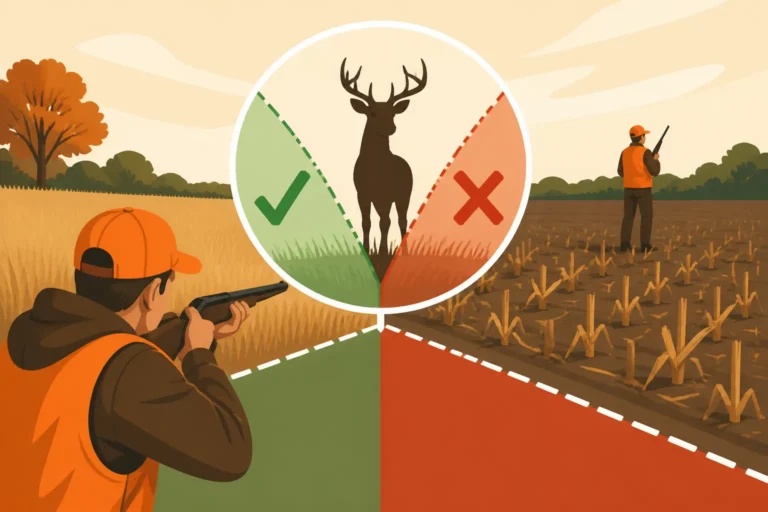
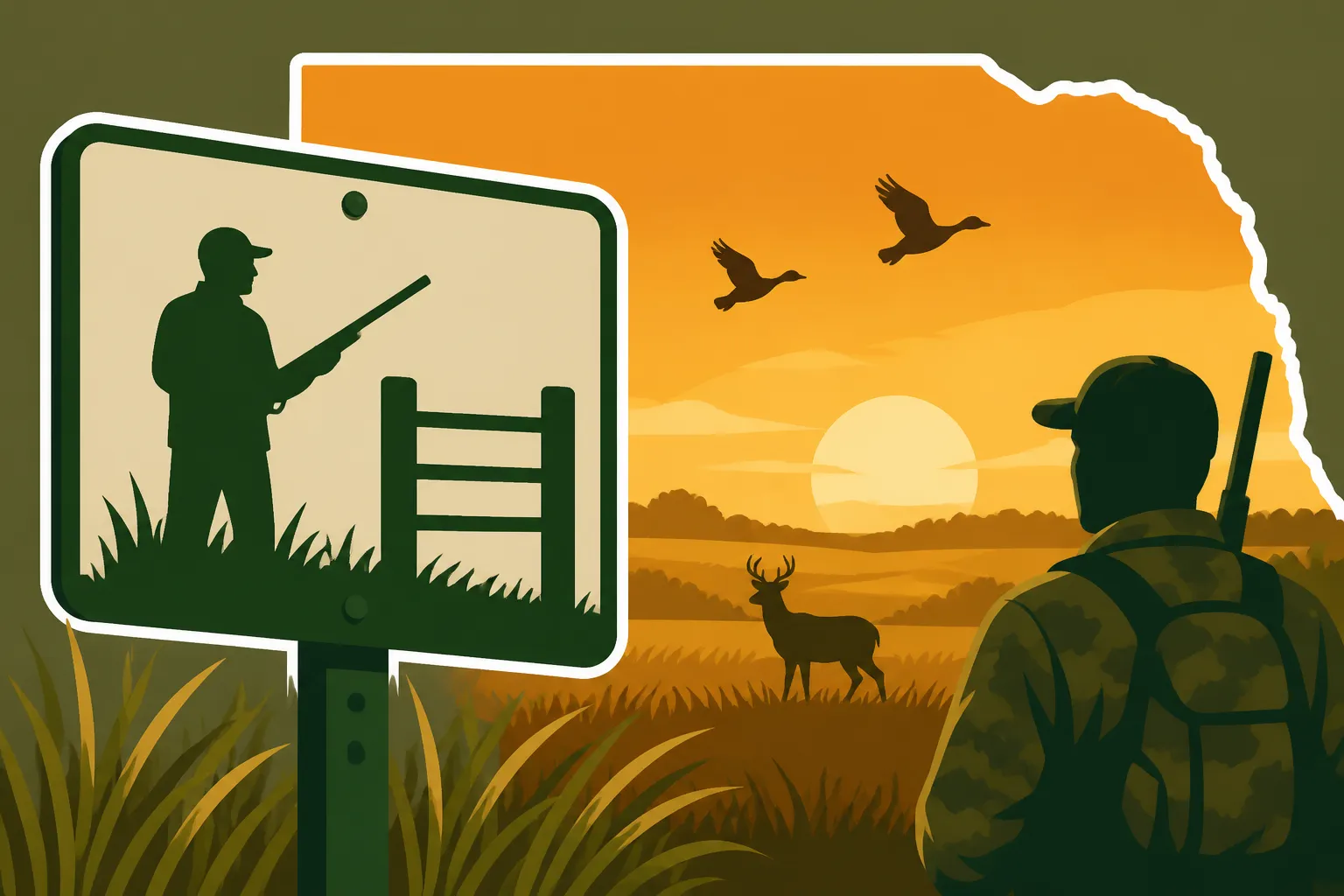
Legally, land in Nebraska is considered "posted" if it has signs conspicuously placed at all major access points and at intervals of not more than one-eighth of a mile along its perimeter. These signs need to be clear and legible, stating that hunting, fishing, or trapping is prohibited or requires permission. This is the most straightforward way a landowner marks their property. However, it's not the only way. You might encounter an older property where signs have weathered, or a vast tract where they're sparse, yet the land is still private and requires permission.
Beyond physical signs, certain types of fencing and cultivation also act as implicit posting. If land is cultivated or enclosed by a fence, it's generally understood to be private property. This means even without "No Hunting" signs, you can't assume open access. This rule is especially pertinent in agricultural areas where vast fields might only have a perimeter fence or be actively farmed right up to a road. Imagine a scenario where you're walking the edge of a cornfield, looking for pheasants, and there are no specific "no trespassing" signs. If that field is actively cultivated or clearly fenced, you still need permission from the landowner to enter. Don't be fooled into thinking a lack of signs means open season. It's a common misconception that can quickly lead to trouble. Nebraska's Posted-Land and Trespass Rules delves deeper into these specific legal definitions.
Oral Versus Written Permission: What's the Difference?
While "posted" land explicitly prohibits entry without permission, most private land in Nebraska requires permission even if it's not posted. This permission can be either oral or written, but there's a significant difference in their practical application and legal weight.
Oral permission, a verbal "sure, go ahead and hunt," is common and often sufficient for good relationships with local landowners. Many farmers and ranchers are happy to let respectful hunters onto their property after a polite conversation. However, the challenge with oral permission lies in its enforceability and clarity. Memories can fade, details can be forgotten, or the person granting permission might not be the actual landowner or manager. What if you're granted permission by a tenant who doesn't have the authority? Or what if a boundary dispute arises, and the verbal agreement can't be easily proven? This ambiguity can lead to uncomfortable situations, especially if a new landowner takes over or if law enforcement gets involved.
Written permission, on the other hand, provides a clear, undeniable record. A signed note or agreement specifying the dates, areas, and activities permitted removes any guesswork. This is particularly valuable for larger tracts of land, extended hunting seasons, or when multiple hunters are involved. While it might feel a bit more formal, a written agreement protects both the landowner and the hunter by establishing clear expectations. It's also incredibly helpful when you need to Retrieve Game From Private Land after it's crossed a boundary, as you can easily demonstrate your prior agreement. For a deeper dive into this, check out Do You Need Written Permission in Nebraska?.
| Type of Land Designation | Requirements for Hunter | Benefits for Hunter | Potential Drawbacks for Hunter |
|---|---|---|---|
| Clearly Posted (signs, fences) | Absolute requirement for permission (oral or written) before entry. | Clear indication of private status. Avoids accidental trespass. | Requires proactive effort to locate landowner and gain consent. |
| Cultivated/Fenced (no explicit "no hunting" signs) | Absolute requirement for permission (oral or written) before entry. | Implied private status guides hunter behavior. | May seem "open" to inexperienced hunters, leading to accidental trespass. |
| Unposted, Unfenced, Uncultivated | Requirement for permission (oral or written) before entry. | Often easier to obtain permission on these less actively managed lands. | Can be mistaken for public land, especially if adjacent to it. |
| Public Land (WMA, OFW, National Forest) | Follow specific area rules; no individual permission needed. | Open access, clearly marked by state or federal agencies. | May experience higher hunting pressure. |
The Hunter's Responsibility: Avoiding Trespass and Maintaining Respect
Understanding Nebraska's posted land rules isn't just a legal formality; it's a fundamental part of ethical hunting and maintaining access for future generations. Ignoring these rules can have serious consequences, not only for an individual hunter but for the entire hunting community.
The Legal Ramifications of Trespassing
Trespassing in Nebraska is no minor offense, especially when hunting is involved. It carries real legal ramifications that can quickly turn a hopeful day in the field into a nightmare. If you're found hunting on private land without permission, you could face significant fines. These aren't just a slap on the wrist; they can be substantial, often ranging into the hundreds of dollars. Beyond monetary penalties, repeat offenses or egregious violations could lead to the revocation of your hunting license, meaning you're benched for a season or even longer. Imagine planning a trip to the Sandhills to Spot-and-Stalk Mule Deer in the Nebraska Sandhills only to lose your hunting privileges because you didn't double-check a boundary.
Furthermore, there's the possibility of having your hunting equipment, like your firearm or bow, confiscated. This isn't just an inconvenience; it's a significant financial loss. Law enforcement takes these violations seriously because trespassing can escalate into other issues, such as property damage, safety concerns, or even theft. It damages the relationship between landowners and the state's wildlife management efforts. Landowners are often our most important partners in conservation, and disrespecting their property rights erodes that trust. Nebraska state law is clear about What Nebraska Trespass Law Requires, and ignorance is rarely an acceptable defense.
Upholding Hunter-Landowner Relations
Beyond the legalities, there's a vital ethical component to respecting posted land and property boundaries. Every time a hunter trespasses, it casts a shadow over all hunters, making it harder for everyone to gain access in the future. Landowners are often generous people who allow hunting on their property because they trust hunters to be responsible and respectful. This goodwill is fragile and can be easily broken.
When you take the time to Ask a Nebraska Farmer for Permission, you're not just getting access; you're building a relationship. A good relationship means more than just one-time access; it can lead to long-term hunting opportunities, insights into deer movement, or even invitations to return. Conversely, a single act of trespass by an individual can sour a landowner on all hunters, leading them to post their entire property and deny access to everyone. This is a common and understandable response when landowners feel their property rights are being violated. As hunters, we have a collective responsibility to protect and nurture these relationships. It ensures that future generations will also have places to pursue game.
Proactive Strategies for Avoiding Trespass
Accidental trespass is almost always avoidable with a little preparation and the right tools. Modern technology, combined with a respectful approach, makes it easier than ever to be a responsible hunter in Nebraska.
Leveraging Mapping Technology and Public Resources
One of the most effective ways to avoid trespassing is to know exactly where you are and whose land you're on before you even step out of your vehicle. This is where mapping technology becomes an invaluable asset. Apps like onX Hunt have revolutionized how hunters navigate landscapes. Before you even head out to hunt River-Bottom Whitetail Hunting in Eastern Nebraska, a quick check on an app like onX Hunt can show you exactly where those lines are, clearly distinguishing between private and public land. It often displays landowner names, which can be critical for seeking permission. Similarly, services like GoHunt, while primarily focused on drawing odds and strategy for western states, often integrate robust mapping features that can assist in scouting and confirming land ownership, even in Nebraska.
These apps overlay property boundaries on detailed satellite imagery, making it incredibly easy to visualize the landscape and identify private parcels. Many also offer specific layers, such as onX Layers for Nebraska Land Status, that highlight public hunting areas like Wildlife Management Areas (WMAs) or Open Fields and Waters (OFW) tracts. Don't rely solely on old paper maps or assumptions. Technology updates frequently, providing the most current information available. Always download offline maps before you go, especially in rural Nebraska where cell service can be spotty.
Beyond commercial apps, the Nebraska Game and Parks Commission offers the Nebraska Public Access Atlas. This free resource is published annually and provides detailed maps of public hunting lands, including WMAs, state recreation areas, and Open Fields and Waters tracts. It's a fantastic tool for identifying new hunting opportunities and confirming public access. Always cross-reference multiple sources if you have any doubts. Taking the time to study these maps at home, marking potential access points and no-go zones, can save you a lot of headache in the field.
Understanding Special Scenarios: Right-of-Ways and Game Retrieval
Nebraska has specific rules for certain common hunting scenarios that often involve crossing or being near private land. Understanding these can prevent unintended violations.
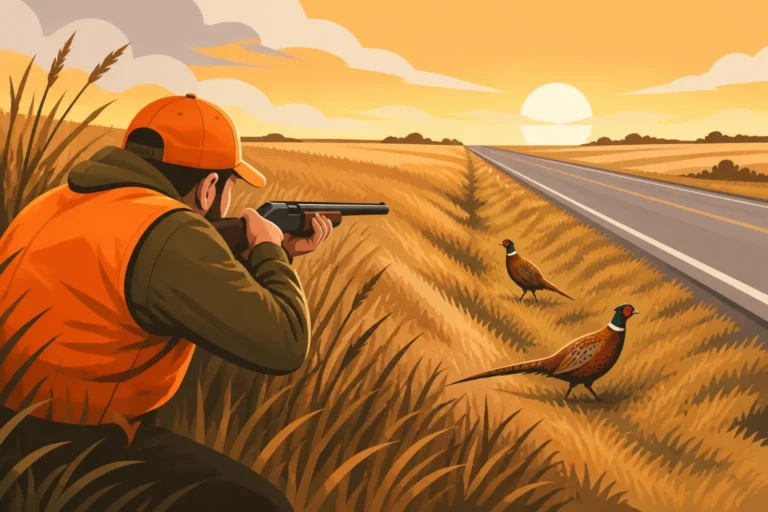
Road Right-of-Ways: Many hunters wonder about hunting along public road right-of-ways. Generally, hunting within the road right-of-way itself is discouraged and often illegal if shots are fired across or onto private property without permission. The "right-of-way" is typically limited to the actual road and a narrow strip of land immediately adjacent, but the width can vary. Even if you are technically in the right-of-way, shooting onto adjacent private land without permission is trespassing. Always assume the land on either side of a road is private until proven otherwise, and never fire a weapon across a road or in a manner that could endanger others or private property. Understanding Road Right-of-Way Hunting in Nebraska is crucial for safe and legal hunting.
Game Retrieval: It's an age-old dilemma: you make a perfect shot on a deer, but it runs onto an adjacent private property where you don't have permission. Nebraska law specifies that you must obtain permission from the landowner before entering their private property to retrieve downed game. Even if you've legally harvested the animal on public land or land where you had permission, the act of entering another's private land without consent to retrieve it is still trespassing. This rule often creates a tough situation, but it's vital to respect it.
In such a scenario, the ethical and legal approach is to locate the landowner, explain the situation calmly and respectfully, and request permission to retrieve your animal. Most landowners, when approached politely and honestly, will grant permission, especially if you offer to show them exactly where the animal is and how you'll retrieve it with minimal disturbance. Some might even offer assistance. The key is communication and respect. Never assume you can just "slip in and out" to get your deer. That's a surefire way to get yourself into legal trouble and damage hunter-landowner relations. If you've been bowhunting during Nebraska's Four-Month Archery Season, a deer can travel a long way, making this a common issue.
Disclaimer
This article is for general informational purposes only and does not constitute professional advice. Laws, prices and regulations vary by location and change over time. Consult a qualified professional for guidance on your specific situation.