Hunting Near Valentine, Nebraska
Finding prime hunting ground in Nebraska, especially if you're not from the immediate area, can feel like trying to find a needle in a haystack. The vastness of the Sandhills combined with checkerboard land ownership can be incredibly frustrating for hunters. This guide is here to unravel the excellent hunting opportunities that await you near Valentine, Nebraska, focusing on how to navigate this unique landscape and find success on both public and private lands.
The Unique Landscape of Hunting Around Valentine, Nebraska
Valentine, Nebraska, sits at a fascinating geographical crossroads, making it an incredibly diverse and rich hunting destination. It's nestled right in the heart of the Sandhills, a region known for its rolling, grass-covered dunes, interspersed with wetlands, lakes, and the winding Niobrara River. This isn't your typical flat Nebraska farm country; it's a dynamic, wild landscape that offers a completely different hunting experience, but one that comes with its own set of challenges.
Rolling Dunes and Wet Meadows: A Habitat Mosaic
The defining feature around Valentine is, without a doubt, the Sandhills. Imagine miles and miles of rolling hills, covered in native prairie grasses. These aren't barren dunes; they're vibrant ecosystems. Deep canyons and draws carve through the hills, often holding pockets of cedar and other brush, providing crucial shelter and bedding areas for deer and other wildlife. Then, almost unexpectedly, you'll encounter wet meadows and subirrigated valleys, fed by a high water table. These areas create lush oases, attracting everything from waterfowl to pheasants and prairie grouse.
This mosaic of dry, sandy uplands and wet, green lowlands is what makes hunting near Valentine so special. A hunter might be glassing mule deer across a vast grassland one moment and then, after cresting a dune, find themselves staring down into a wetland teeming with ducks. Understanding this blend of habitats is key to predicting where game will be. Deer will use the draws for cover and travel, while pheasants and grouse will often be found transitioning between the grasslands and the wetter areas. It's a landscape that demands adaptability and a good set of Boots for Walking Nebraska Grass and Sand.
The Niobrara River Valley: A Ribbion of Life
Cutting through the northern edge of the Sandhills near Valentine is the Niobrara River. This isn't just any river; it's a nationally designated scenic river, and its valley creates a distinct ecological zone. The river corridor itself is often lined with timber – cottonwoods, oaks, and cedars – a stark contrast to the open prairie surrounding it. This dense cover provides exceptional habitat for whitetail deer, wild turkeys, and a variety of small game.
Hunting along the Niobrara presents a different challenge than the open Sandhills. Here, stealth and careful movement through thick cover become paramount. The river also attracts migratory waterfowl, especially in fall, with ducks and geese using its waters and nearby wetlands. The river bottom can act as a natural travel corridor for big game, funneling animals and creating pinch points. If you're looking for Spring Turkey Calling in Nebraska's River Corridors or want to target whitetails that prefer heavy cover, the Niobrara Valley is definitely a place to focus your efforts. It's an important feature to consider when scouting your hunt.
Public Land Opportunities Near Valentine
Despite the perception that Nebraska is all private land, the area around Valentine boasts some incredible public hunting opportunities, primarily through large federal and state holdings. These areas offer vast expanses for hunting various species, though each has its own character and rules.
Valentine National Wildlife Refuge: Wetlands and Uplands
The Valentine National Wildlife Refuge (NWR) is a jewel in the Sandhills, covering over 70,000 acres. It's a complex of lakes, marshes, and wet meadows, surrounded by choppy Sandhills uplands. While large portions of the refuge are closed to hunting to provide sanctuary for wildlife, significant areas are open, offering fantastic opportunities, particularly for waterfowl, pheasants, and deer. For specific regulations, it's essential to consult the most current refuge hunting brochure or check the Valentine Refuge Hunting Rules.
When hunting the open areas of the Valentine NWR, expect a mix of terrain. The uplands offer chances at pheasants and prairie grouse, which can be challenging to find and flush in the thick native grasses. The sheer scale of the Sandhills here means a lot of walking, so conditioning is key. For waterfowl, hunters often focus on the open water areas or adjacent cattail sloughs, utilizing decoys and blinds. Deer hunting, both whitetail and mule deer, occurs in the refuge's open zones, with animals moving between the cover of the hills and the water sources. Planning your hunt around the unique landscape, potentially leveraging tools like onX Hunt to identify open vs. closed areas, can make a huge difference in your success.
Samuel R. McKelvie National Forest: Pine and Prairie
Southeast of Valentine, the Samuel R. McKelvie National Forest stands as another substantial public hunting area. What makes McKelvie unique in the Sandhills is its planted ponderosa pine forest. While much of the area is still open Sandhills prairie, the presence of these timbered blocks creates diverse habitat not found in most of the region. This forest offers opportunities for deer, turkey, and often, Prairie Grouse Hunting on Nebraska's Open Range on the surrounding grasslands.
Hunting in McKelvie involves a blend of tactics. In the pine blocks, still-hunting or setting up ambushes for deer and turkeys can be effective. The dense pines provide excellent cover, making visual detection harder but offering closer engagement opportunities. On the expansive prairie sections, glassing becomes critical, especially for mule deer and grouse. Hunters might combine walking the timber edges with covering ground in the open. The vastness of this area also makes it a great place to practice Scouting Nebraska Public Ground Before Opening Day to understand game movement and identify key funnels.
Merritt Reservoir State Recreation Area & Open Fields and Waters
Just southwest of Valentine lies Merritt Reservoir, a popular destination that also offers public hunting. While known for its fishing and camping, the surrounding lands, particularly the inlets and rougher terrain, provide hunting opportunities for deer, upland birds, and waterfowl. State Recreation Areas often have more restrictive rules than WMAs, so always double-check current regulations for specific hunting seasons and methods.
Beyond these larger tracts, Nebraska's Open Fields and Waters (OFW) program dots the landscape around Valentine. These are private lands that have been enrolled by landowners to provide public hunting access, typically for specific seasons or species. The beauty of OFW is that it can break up large blocks of private land and provide accessible pockets. These tracts are often ideal for Walking Nebraska Pheasant Cover With a Dog or searching for deer. You'll need to consult the Nebraska Public Access Atlas to find current OFW locations, as they can change annually. I always recommend having a good mapping app like onX Hunt on your phone, as it integrates seamlessly with the Atlas, showing you exactly where you stand and what land is open to public access. GoHunt also provides valuable state-specific public land data layers that can aid in your planning.
To give you a quick overview of some of the public land options and the species you might encounter, here's a table:
| Public Area Name | Primary Habitat | Key Game Species | Common Hunting Methods |
|---|---|---|---|
| Valentine National Wildlife Refuge | Wetlands, Lakes, Wet Meadows, Sandhills | Waterfowl, Pheasant, Prairie Grouse, Deer | Walk-up, Decoys (waterfowl), Spot & Stalk, Stand Hunting |
| Samuel R. McKelvie National Forest | Sandhills Prairie, Ponderosa Pine Plantations | Deer (Whitetail/Mule), Turkey, Prairie Grouse | Still-hunting, Glassing, Walk-up (grouse) |
| Merritt Reservoir SRA | Lake Shoreline, Inlets, Breaks, Grasslands | Deer, Pheasant, Waterfowl | Stand Hunting, Walk-up, Decoys |
| Open Fields and Waters (Various) | Variable: Grassland, Crop Edge, Wetland | Pheasant, Deer, Waterfowl, Turkey (location specific) | Walk-up, Spot & Stalk, Ambush |
Navigating Private Land and Permission
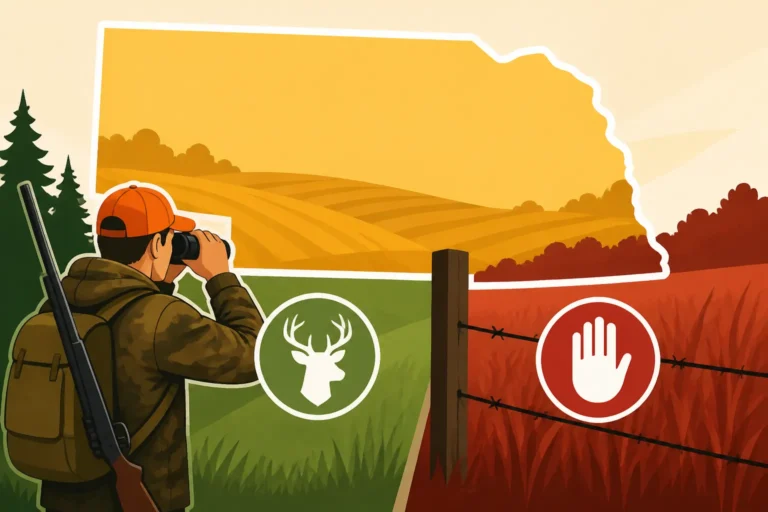
While Valentine has excellent public hunting, the reality is that much of Nebraska, including parts of the Sandhills, is privately owned. Gaining access to private land can unlock incredible hunting opportunities and often leads to less crowded experiences. However, it requires respect, preparation, and a willingness to knock on doors.
The Art of Asking for Access
Cold-calling or showing up at a landowner's door to ask for hunting permission can feel daunting, but it's a time-honored tradition in Nebraska. The key is to be polite, respectful, and clear about your intentions. Dress presentably, speak clearly, and always offer to show your hunting license and permits. Avoid showing up during busy times like planting or harvest. Weekends or early evenings are often better. Many landowners appreciate when hunters offer to help with chores or share some of their harvest.
It’s crucial to understand What Nebraska Trespass Law Requires. Always have explicit permission, and ideally, have it in writing, especially for longer hunts or if you're traveling a distance. Be prepared for rejection, as many landowners have already granted access or prefer to keep their land private. But remember, a polite "no" doesn't hurt; a rude approach will close doors for everyone. Tools like onX Hunt are invaluable here, as they clearly show property lines and landowner names, allowing you to identify who to ask and to understand the boundaries of any permission granted.
Building Relationships and Respecting Boundaries
The best private land access often comes from building relationships over time. If you get permission one year, be sure to express your gratitude, perhaps with a small gift or by offering to help out around the farm or ranch. Leave the land better than you found it – no trash, no gates left open, no damage to fences. Always stick to the specific terms of your permission, whether it's regarding what species you can hunt, where you can drive, or when you can be on the property.
Respecting boundaries is paramount. Even with permission, don't assume you can hunt adjacent properties without asking. Use your GPS-enabled hunting app, like onX Hunt, to ensure you're always on the correct property and within the designated hunting area. This attention to detail not only prevents legal issues but also fosters goodwill, potentially leading to future opportunities for you and other ethical hunters. GoHunt's mapping features can also be great for visualizing land ownership data when you're doing your initial scouting from home.
Key Game Species and Hunting Seasons Around Valentine
The diverse habitats around Valentine support a wide array of game species, offering exciting opportunities throughout the hunting calendar. From big game to upland birds and waterfowl, there's something for every hunter.
Deer Hunting: Whitetails and Muleys
Deer hunting is a major draw in the Valentine area. Both whitetail and mule deer call this region home. Whitetails tend to favor the river bottoms, cedar draws, and more timbered areas, while mule deer are often found ranging the more open Sandhills, blowouts, and canyons. The hunting can be challenging, whether you're trying to still-hunt a Reading a Cedar Draw for Deer Movement or spot-and-stalk a muley across vast open country.
Nebraska offers various deer seasons, including a lengthy Nebraska's Four-Month Archery Deer Season, a traditional Nebraska's Nine-Day November Firearm Deer Season, and a Nebraska Muzzleloader Deer Tactics in December season. Each offers a unique experience and demands different tactics. Drawing a permit for specific units around Valentine might require participation in the Nebraska Big Game Permits and How to Get One lottery, especially for coveted buck tags, but over-the-counter antlerless permits are often available. Regardless of your weapon choice, long-range optics and good glassing techniques are essential for deer hunting in this expansive region.
Upland Birds: Pheasants, Grouse, and Quail
For bird hunters, Valentine is a paradise. The combination of native grasslands, wet meadows, and agricultural edges creates prime habitat for pheasants, sharp-tailed grouse, and even some bobwhite quail. Walking Nebraska Pheasant Cover With a Dog is a classic way to hunt these birds, but be prepared for vast walks. Prairie grouse, specifically sharp-tailed grouse and occasionally greater prairie-chickens, are found throughout the Sandhills. Hunting these birds often involves covering a lot of ground, either walking or using vehicles for glassing, followed by a strategic stalk.
The seasons for these species typically open in the fall, offering hunters a chance to experience the unique thrill of a covey flush or the explosive rise of a pheasant. Water and heat can be a significant concern for bird dogs during early season hunts, so always prioritize their safety and hydration. The large public land tracts mentioned earlier, like the Valentine NWR and McKelvie National Forest, are prime locations for upland bird hunting, but many OFW tracts also offer excellent prospects.
Waterfowl and Turkeys
With its numerous lakes, marshes, and the Niobrara River, the Valentine area is also a hotspot for waterfowl hunting. Ducks and geese utilize these wetlands during their migration along the Central Flyway. Hunters can find opportunities for Hunting Rainwater Basin Wetlands in nearby regions, but the local Valentine area offers plenty of great chances to set decoys for ducks or target geese in cut fields.
Wild turkeys, predominantly Eastern and Merriam's subspecies, are prevalent in the timbered river bottoms and creek drainages around Valentine, especially along the Niobrara River. Spring turkey hunting is incredibly popular, with hunters often employing calling tactics to lure gobblers into range. Calling Spring Gobblers in Nebraska Timber can be a truly exhilarating experience. Fall turkey seasons also offer opportunities for these wary birds, often focusing on flock dynamics and feeding areas.
The diverse array of game and extensive hunting seasons make Valentine a fantastic year-round destination for hunters willing to put in the effort to understand its unique landscape and access options. Always check the current Nebraska Game and Parks regulations for season dates, bag limits, and specific unit restrictions before planning your hunt.
Disclaimer
This article is for general informational purposes only and does not constitute professional advice. Laws, prices and regulations vary by location and change over time. Consult a qualified professional for guidance on your specific situation.