Pine Ridge National Forest Ground
For many, Nebraska conjures images of endless cornfields and flat prairie, and while that's certainly a part of our beautiful state, it completely misses the hidden gem that is the Pine Ridge. This rugged, breathtaking region in northwestern Nebraska offers a vastly different hunting experience, full of deep canyons, towering ponderosa pines, and dramatic buttes. If you've ever dreamt of tackling a hunt that feels more like the Rocky Mountains than the Great Plains, but without leaving Nebraska, you're probably wondering how to even begin. This guide is dedicated to breaking down what it takes to hunt the Pine Ridge's public lands, offering practical advice to help you navigate its unique challenges and unlock its incredible potential.
Understanding the Pine Ridge's Public Hunting Lands
The Pine Ridge isn't just a pretty landscape; it's a significant ecological area, and within it lies some truly exceptional public hunting ground. When we talk about "Pine Ridge National Forest Ground," we're generally referring to the public lands managed by the U.S. Forest Service in this distinct region. While the larger Nebraska National Forest is comprised of two distinct units (Samuel R. McKelvie and Bessey), the Pine Ridge area is primarily defined by the Oglala National Grassland and some smaller, dispersed tracts of federal land, all contributing to a challenging but rewarding hunting experience.
What Defines the Pine Ridge Terrain for Hunters?
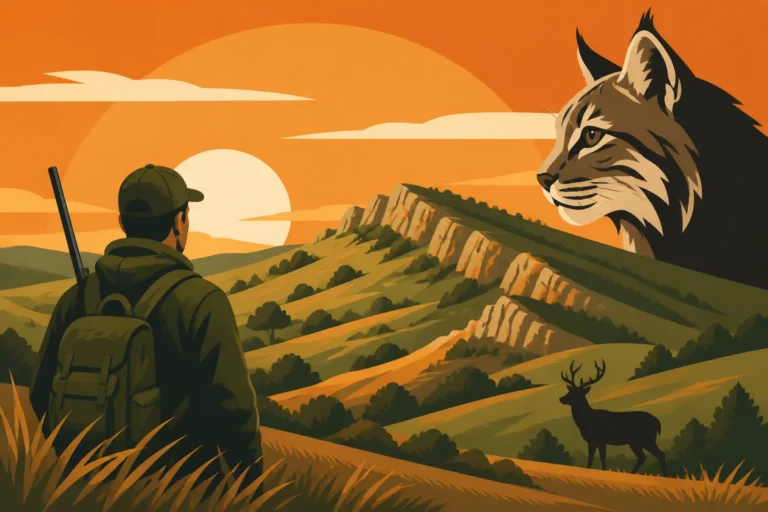
Imagine stepping into a landscape that feels a world away from the familiar Nebraska farmland. The Pine Ridge is characterized by its dramatic escarpment, where shortgrass prairies meet the rugged breaks of ponderosa pine forests. You'll find deep, winding canyons carved by ancient waterways, steep-sided buttes, and rolling hills blanketed in thick timber. These geographical features create incredible habitat for a variety of game. For a hunter, this means constantly changing elevation, thick cover, and often, challenging visibility compared to wide-open fields. You might be walking across an open sagebrush flat one moment, and then dropping into a cedar-choked draw the next. This topographical diversity is what makes hunting here so engaging, but it also demands a different set of skills and preparation than hunting the state's eastern river bottoms. Hunting the Nebraska Pine Ridge Escarpment describes some of these features in more detail.
Accessing the Public Ground: Maps and Local Knowledge
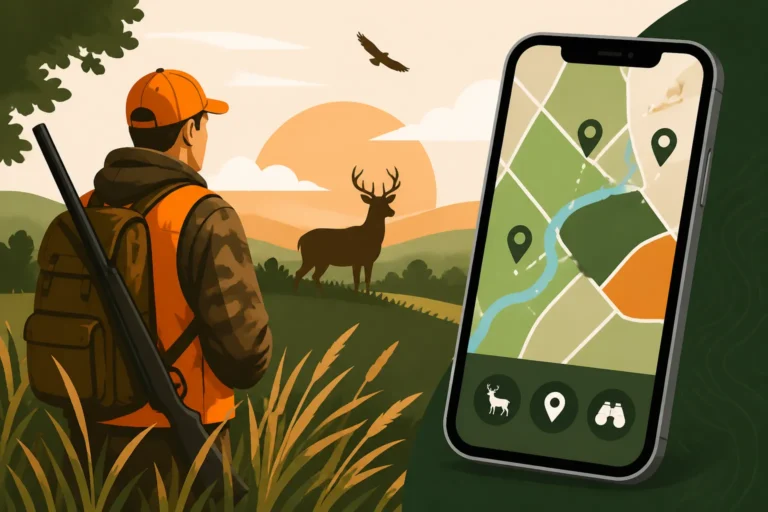
One of the biggest hurdles for any hunter, especially a newcomer to the Pine Ridge, is simply knowing where you can go. The public land isn't always neatly blocked out; it can be a checkerboard of federal, state, and private ownership. This is where tools like the Public Access Atlas become absolutely indispensable. This resource is published annually and provides detailed maps of public hunting land, including the various tracts within the Pine Ridge. Additionally, digital mapping applications such as onX Hunt are game-changers. With these apps, you can clearly see property boundaries, identify public land, and navigate using GPS, even without cell service in some of the more remote areas. It’s critical to use these tools for pre-hunt scouting and on-the-ground navigation, as trespassing, even accidentally, is a serious issue. Always double-check your location, especially when closing in on game that might lead you across property lines. Familiarizing yourself with the Nebraska Public Access Atlas Mobile App is highly recommended.
Game Species and Hunting Opportunities in the Pine Ridge
The diverse habitat of the Pine Ridge supports a surprising array of game animals, making it a truly unique destination for Nebraska hunters. From majestic big game to elusive upland birds, the opportunities here are abundant, provided you're willing to put in the effort.
Mule Deer: The Crown Jewel of the Pine Ridge
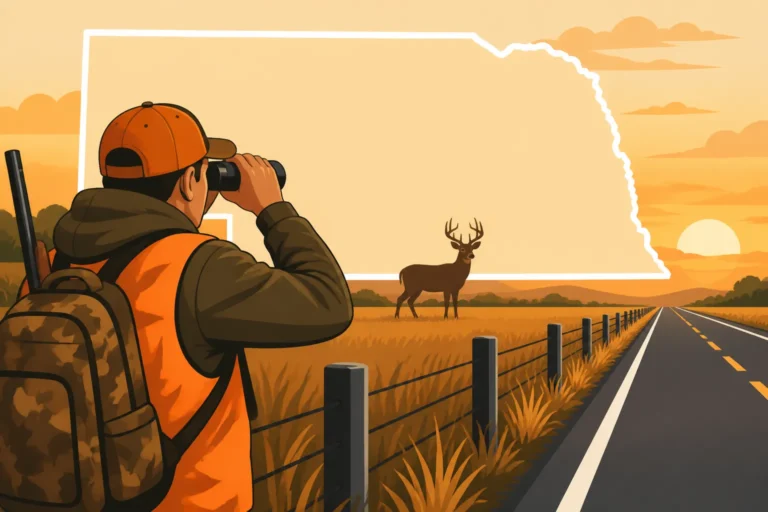
Without a doubt, mule deer are the stars of the show in the Pine Ridge. Unlike their whitetail cousins who prefer the river bottoms and dense cover, mule deer thrive in the more open, rugged country here. You'll find them navigating the steep canyons, bedding down in the ponderosa pines, and grazing on the sparse vegetation of the plateaus. Hunters often employ spot-and-stalk tactics, using high vantage points to glass vast areas for a tell-tale flicker of an ear or the distinct silhouette of a buck. This type of hunting requires good optics, patience, and the ability to cover significant ground, often in challenging terrain. The Pine Ridge is one of Nebraska's prime locations for mule deer, though tags can be competitive. Understanding Mule Deer in the Nebraska Sandhills and Panhandle can give you a broader context for their behavior in western Nebraska.
Whitetail Deer: Adapting to the Breaks
While mule deer are more prevalent in the truly open and rugged sections, whitetail deer are certainly present in the Pine Ridge, especially in areas with riparian corridors, more dense creek bottoms, or agricultural edges adjacent to the breaks. These whitetails tend to stick to the thicker cover in the canyons and draws, offering a different kind of challenge. They are masters of using the topography to their advantage, often disappearing into a small fold in the land or a patch of cedars seemingly out of thin air. Hunting whitetails here often involves still-hunting through draws, setting up ground blinds or treestands near established travel corridors, or even smaller-scale deer drives in isolated pockets of timber. It's a blend of prairie hunting with a touch of dense forest tactics.
Bighorn Sheep and Elk: Rare but Present Giants
For the truly dedicated and incredibly lucky hunter, the Pine Ridge also holds the potential for once-in-a-lifetime hunts for bighorn sheep and elk. Nebraska's bighorn sheep restoration efforts have been largely focused in the Pine Ridge, and while permits are exceedingly rare (often allocated through a lottery with incredible odds or a single auction tag), the sheep do call these rugged hills home. Similarly, small elk herds exist in parts of the Pine Ridge, offering limited resident-only opportunities. These hunts are highly specialized and often require extensive scouting and knowledge of specific herd movements. It's important to understand that these aren't "general" hunting opportunities but rather testament to the incredible wildlife diversity the Pine Ridge supports. More information can be found under Bighorn Sheep in the Nebraska Pine Ridge and Nebraska's Elk Herds and Where They Live.
Upland Birds: Pheasants, Grouse, and Turkeys
Beyond big game, the Pine Ridge offers fantastic upland bird hunting. Ring-necked pheasants can be found in the cultivated fields and CRP grounds adjacent to the breaks, as well as in the thicker cover along creek bottoms within the canyons. Sharp-tailed grouse and greater prairie-chickens, those iconic prairie birds, inhabit the more open grasslands and sagebrush flats, providing fast-flying, challenging targets. These birds often require a lot of walking, especially when working the vast open areas. Additionally, Merriam's turkeys thrive in the ponderosa pine forests, offering a unique spring and fall hunting experience. Calling turkeys in this rolling, timbered country can be a thrilling challenge. For pheasant hunting, Walking Milo and Corn Stubble for Pheasants applies to the agricultural fringes, while Prairie Grouse Hunting on Nebraska's Open Range is key for the more open Pine Ridge habitat.
Here's a quick look at some of the primary species and their preferred Pine Ridge habitat:
| Species | Preferred Pine Ridge Habitat | Common Hunting Methods | Primary Challenge |
|---|---|---|---|
| Mule Deer | Open breaks, ponderosa pines, deep canyons, sagebrush flats | Spot-and-stalk, glassing | Rugged terrain, long shots, spotting |
| Whitetail Deer | Creek bottoms, dense draws, riparian corridors, timber pockets | Still-hunting, ground blinds, drives | Thick cover, stealth, identifying travel routes |
| Merriam's Turkey | Ponderosa pine forests, timbered canyons, creek beds | Calling, run-and-gun | Vocalization, locating roosts, tough terrain |
| Sharp-tailed Grouse | Open grasslands, sagebrush flats, native prairies | Walking with dogs, blocking | Vastness, fast flush, weather |
| Pheasants | Agricultural edges, CRP, thick creek cover | Walking with dogs, blocking | Heavy cover, smart birds |
Navigating the Terrain and Accessing the Ground
The Pine Ridge's beauty comes with its own set of challenges, especially when it comes to navigating the rugged terrain and effectively accessing hunting areas. This isn't flat-ground hunting, and preparation is key to a safe and successful trip.
Road Systems and Vehicle Limitations
While there are established county roads and forest service two-tracks that crisscross portions of the Pine Ridge, many of the most promising hunting areas are off the beaten path. These dirt and gravel roads can quickly become impassable, especially after rain or snow, turning to slick mud or deep ruts. A high-clearance, four-wheel-drive vehicle is highly recommended, and even then, knowing when to park and walk is crucial. Many roads are seasonal or close entirely, so always check local conditions. Having a good understanding of the road system and potential access points before you go, perhaps using a mapping tool like GoHunt or onX Hunt to mark potential parking areas and walk-in access points, will save you a lot of frustration. Remember, getting stuck miles from pavement in the Pine Ridge isn't a minor inconvenience; it can be a serious situation.
Hiking, Elevation, and Physical Demands
Hunting the Pine Ridge often means covering significant distances on foot, traversing steep inclines, and navigating uneven ground. The elevation changes, while not extreme by mountain standards, can still be taxing, especially when combined with the thick cover or soft sand in some areas. Good physical conditioning is paramount. You'll want sturdy, broken-in boots that provide excellent ankle support, as twisted ankles are a common injury on such terrain. Consider using trekking poles to aid stability on steep slopes and descents, especially when carrying a pack or harvested game. Always carry enough water, as sources can be sparse, and the sun can be intense, even outside of summer. Understanding how to Get a Deer Out of a Nebraska Sandhills Basin can provide valuable insights into moving game in challenging western Nebraska terrain, a skill that translates well to the Pine Ridge.
Weather Preparedness: From Sunshine to Snow
Nebraska weather, especially in the western part of the state, is famously unpredictable. A beautiful, sunny autumn morning can quickly give way to strong winds, plummeting temperatures, and even a sudden snow squall. Proper layering is essential. Start with moisture-wicking base layers, add insulating mid-layers, and top it off with a windproof and waterproof outer shell. Always pack extra layers, a warm hat, and gloves, even if the forecast looks mild. Getting caught unprepared in a sudden cold front or rainstorm can quickly turn a hunt dangerous, particularly in remote areas where shelter is hours away. Staying updated on weather patterns for cities like Chadron or Crawford, which are often gateways to the Pine Ridge, is a good starting point. Clothing for Nebraska Wind and Cold is an important read for any hunter preparing for these conditions.
Tactics for Success in the Pine Ridge
Successfully hunting the Pine Ridge requires a blend of traditional hunting skills, adaptability, and a deep respect for the unique challenges this landscape presents. It's not about quick fixes; it's about thoughtful preparation and execution.
Glassing for Mule Deer and Pronghorn
For mule deer and, if you're lucky enough to draw a tag, pronghorn, glassing is your absolute best friend in the Pine Ridge. This means finding a high vantage point – a butte, a ridge, or a prominent hill – and meticulously scanning the landscape with quality binoculars or a spotting scope. Take your time, break down the landscape into grids, and look for subtle clues: a horizontal line in a vertical world, an ear twitch, a patch of hide, or even just a shadow that looks out of place. The vastness of the Pine Ridge demands patience; you might spend hours glassing before spotting anything, but when you do, it often means you've located game from a significant distance, allowing you to plan a careful stalk. A good tripod for your optics is invaluable to steady your view. For advice on specific strategies, refer to Glassing the Nebraska Sandhills for Mule Deer.
Still-Hunting and Tracking in the Timber
When hunting whitetails or turkeys in the more timbered canyons and draws, still-hunting becomes a more effective tactic. This involves moving incredibly slowly, pausing frequently to observe, listen, and scan for movement or sign. The key is to blend in with the environment, taking one or two quiet steps, then standing motionless for several minutes, letting your eyes and ears do the work. Look for fresh tracks, rubs, scrapes, and turkey scratchings. The soft pine needles or sandy soil can make for quiet walking, but the thick brush demands careful foot placement. Learning to read the subtle signs of game movement is crucial here, as animals often rely on the dense cover for security. Don't be afraid to take a break and sit quietly for a while, letting the woods settle around you.
Decoying and Calling for Turkeys
Spring and fall turkey hunting in the Pine Ridge can be an exhilarating experience. The Merriam's subspecies, found here, often respond well to calling, especially during the spring breeding season. Setting up a decoy spread (often a lone hen or a jake and a hen) in a natural opening, with yourself positioned against a large tree or natural blind for concealment, can be highly effective. Use various turkey calls – yelps, clucks, purrs, and gobblers – to entice birds into range. In the rugged, timbered terrain, getting close to a gobbler can be challenging, so having a good understanding of Spring Turkey Calling in Nebraska's River Corridors can be adapted to the Pine Ridge's unique echoes. In the fall, focus on locating flocks and breaking them up, then calling the scattered birds back in.
The Importance of Wind and Thermals
In the variable terrain of the Pine Ridge, understanding wind direction and thermals is paramount, especially when stalking big game. Wind carries your scent, so always try to keep it in your face or quartering to you when approaching an animal. Thermals are air currents that rise and fall with temperature changes. In the mornings, as the sun warms the earth, thermals tend to rise, carrying scent uphill. In the evenings, as the air cools, thermals drop, carrying scent downhill. Animals instinctively use these air currents to their advantage, often bedding in locations where their scent is carried to detect predators. Paying close attention to how the wind and thermals are behaving throughout the day will significantly impact your success, particularly in the deep canyons and draws. Always be aware of Wind Direction on Open Nebraska Prairie Stands as it applies to the open expanses, but remember the added complexity of thermals in the breaks.
Disclaimer
This article is for general informational purposes only and does not constitute professional advice. Laws, prices and regulations vary by location and change over time. Consult a qualified professional for guidance on your specific situation.