Nebraska Rainwater Basin WPA Hunting
For many waterfowlers in Nebraska, the vast, often muddy, and sometimes confusing network of Rainwater Basin Waterfowl Production Areas (WPAs) represents both immense opportunity and significant frustration. It’s not simply a matter of finding a body of water; it’s about understanding the unique characteristics of these ephemeral wetlands, navigating access challenges, and adapting your hunting strategy to ever-changing conditions. This guide will walk you through the ins and outs of successfully hunting waterfowl on Nebraska's Rainwater Basin WPAs, helping you unlock their potential.
The Heart of the Flyway: Understanding Rainwater Basin WPAs
The Rainwater Basin is an absolutely critical, almost irreplaceable, wetland complex that stretches across south-central Nebraska. It's a patchwork of playa wetlands—shallow, rain-fed depressions that dot the landscape—and these aren't just puddles. They are vital stopovers for millions of migratory birds along the Central Flyway, especially ducks and geese. The federal government, through the U.S. Fish and Wildlife Service, has established Waterfowl Production Areas within this basin to preserve and enhance these crucial habitats.
What are Waterfowl Production Areas?
Waterfowl Production Areas, or WPAs, are tracts of land, often relatively small, that have been purchased or leased by the federal government specifically to create and maintain habitat for nesting, migrating, and wintering waterfowl. Unlike some larger national wildlife refuges, WPAs are generally open to public hunting in season, although specific regulations can vary slightly from area to area. They are often surrounded by private agricultural land, making access a key consideration for hunters. Think of them as crucial pit stops on an interstate highway for birds, but instead of gas stations and fast food, they offer food, water, and shelter. Without these areas, the migratory journey for many species would be far more perilous, and the hunting opportunities we cherish simply wouldn't exist.
These areas are managed intensively to ensure they provide maximum benefit to waterfowl. This can include anything from controlled burns to maintain grassland nesting cover, to managing water levels, or even planting specific food crops that benefit ducks and geese. The management is dynamic, constantly adapting to environmental conditions and the needs of the birds. This means that a basin that held a few feet of water one year might be dry the next, or vice versa, profoundly impacting what species you might find there and how you'll need to approach your hunt. Hunters need to be aware that the landscape can change, requiring fresh scouting year after year.
Why the Rainwater Basin is So Important
The Rainwater Basin region is essentially a magnet for waterfowl, especially during the spring and fall migrations. It's an ecological hotspot where continental populations converge, offering incredible viewing opportunities for birdwatchers and thrilling hunting experiences for those with a shotgun. Geographically, it's situated in a sweet spot, acting as a critical resting and feeding ground before birds continue south or north. The sheer volume of waterfowl that passes through is staggering, including millions of ducks like mallards, pintails, teal, and wigeon, alongside hundreds of thousands of geese, primarily light geese and Canada geese.
The importance of these wetlands cannot be overstated. When other areas along the flyway dry up or become unsuitable, the Rainwater Basin often serves as a last resort, concentrating birds into fewer, larger bodies of water. This concentration can lead to spectacular hunting, but it also underscores the delicate balance of these ecosystems. Additionally, the surrounding agricultural fields, particularly harvested corn and milo, provide abundant food sources, further cementing the basin's role as a waterfowl paradise. Understanding this ecological context not only deepens a hunter's appreciation but also helps inform scouting and strategy. The success of Duck Production in the Rainwater Basin is directly tied to the health and abundance of these vital wetlands.
Navigating the Maze: Finding and Accessing Your Hunting Spot
Hunting Rainwater Basin WPAs often presents a unique challenge: simply getting to the water. These areas can be remote, with access points that aren't always clearly marked, and the ground itself can be notoriously tricky. Mud, hidden ditches, and rapidly changing water levels are all part of the game. Preparation and good navigational tools are absolutely essential to avoid getting stuck or wasting precious hunting time.
Utilizing Maps and Technology
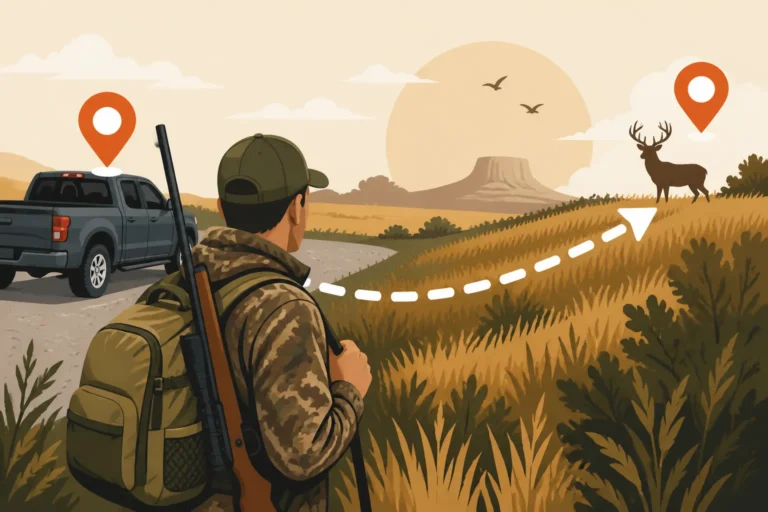
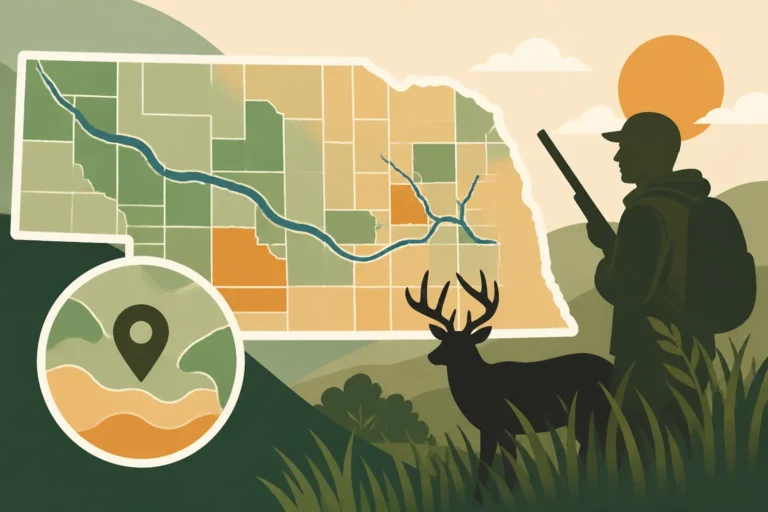
Before you even think about leaving your driveway, pull up your trusted mapping app. Tools like onX Hunt are invaluable for identifying WPA boundaries, public access points, and potential water bodies. These apps allow you to layer public land ownership over satellite imagery, giving you a clear picture of what's accessible and what's private. You can pinpoint parking areas, mark routes to your chosen spot, and even identify subtle topographical changes that might offer a hidden pocket of water or a slight rise for a blind. Relying solely on a physical map can be tough out here, as the landscape shifts so much. The digital approach is key.
Moreover, these apps can save you immense frustration when you arrive. Imagine pulling up to what you think is public land, only to find it's a private field with no obvious access to the WPA. With onX Hunt, you can verify property lines instantly, ensuring you're legally on public ground. This is especially critical in areas where public and private land are heavily intermingled. Don't underestimate the power of scouting digitally before you ever put boots on the ground. It can save you hours of driving and prevent an uncomfortable encounter with a landowner. For more general scouting tips, check out Scouting Nebraska Public Ground Before Opening Day.
Understanding Access Points and Terrain
Accessing WPAs is rarely as simple as pulling off a paved road. Many areas require driving on minimum maintenance roads, grass two-tracks, or even crossing private land with permission. Parking is often limited to small pull-offs or designated areas, and you might have a significant walk ahead of you to reach suitable hunting water. This is where those pre-scouted routes on your mapping app become critical. You need to know if the walk involves slogging through ankle-deep mud, wading through shallow water, or traversing dense cattail stands.
The terrain itself within the Rainwater Basin can be deceptively challenging. A basin that looks like a flat, dry field on a satellite image might conceal a deep, muddy center, especially after recent rains. Hunters often find themselves sinking up to their knees or deeper, even on what appears to be solid ground. This necessitates appropriate footwear, like tall muck boots or waders, and understanding that what you see from the road is rarely the full picture. Always exercise caution, especially when walking in low light. Rainwater Basin Wetland Access can offer more insights into how to approach these diverse areas.
Strategies for Success: Hunting Waterfowl in the Basin
Hunting the Rainwater Basin WPAs is a dynamic endeavor that requires adaptability and a keen understanding of waterfowl behavior. No two hunts are ever exactly alike, and conditions can change drastically overnight. From decoy spreads to calling techniques, being prepared for anything will vastly improve your chances of success.
Decoy Spreads and Concealment
When it comes to decoy spreads on a WPA, less can often be more, especially if you're humping them in a long way through mud and water. While big spreads work in fields, smaller, more realistic spreads can be incredibly effective in the often-shallow, natural settings of a basin. Focus on creating a natural-looking flock, often with a "landing zone" directly in front of your blind. Motion decoys, even simple jerk strings or spinning wings (check local regulations for restrictions like Spinning Wing Decoy Rules in Nebraska), can add lifelike appeal. For geese, full-body decoys tend to be most effective, though shells can work if you have numbers. You can find more specific ideas on Decoy Spreads for Rainwater Basin Geese.
Concealment is paramount. The open nature of many basins means you'll be sky-lined easily if you're not careful. Layout blinds, brushed in meticulously with local vegetation, are a popular choice. If natural cover like cattails or sparse willows is available, constructing a makeshift blind is also an option. The key is to blend in completely with your surroundings, breaking up your outline and eliminating any shine or unnatural shapes. Remember, ducks and geese have incredible eyesight, and they've seen every trick in the book. Don't be afraid to get a little dirty brushing in your blind; it's always worth the extra effort.
Reading Water and Weather Conditions
Water levels are the single biggest factor influencing where waterfowl will be in the Rainwater Basin. A slight rise in water can open up new feeding grounds, while a drop can push birds to deeper areas or completely dry out a basin. Always scout as close to your hunt date as possible, looking for fresh bird sign, new water, or changes in vegetation. Birds will go where the food is accessible and where they feel safe. Pay attention to the subtle cues: dabblers like shallow water where they can tip up to feed, while divers prefer deeper, more open water.
Weather conditions, particularly wind and temperature, also play a massive role. A strong north wind after a cold front can push new birds into the area, while warm, calm days might see birds spread out or loafing. Wind is also crucial for decoy setup, as birds prefer to land into the wind. Position your decoys and blind accordingly. Overcast days are generally better than bright sunshine for concealment. Keep a close eye on the forecast and be prepared to adjust your plans. A sudden freeze can lock up open water, drastically changing where birds can feed and rest, as explored in Hunting a Frozen Nebraska River Bottom in a different context.
Rules, Regulations, and Considerations for WPA Hunting
Hunting on federal lands like WPAs comes with its own set of rules and ethical considerations beyond what you might encounter on private ground or state-managed areas. It's crucial to be well-versed in both federal and state regulations to ensure a legal and enjoyable hunt. Ignorance is never an excuse when it comes to wildlife laws.
Federal and State Regulations
First and foremost, understand that federal WPAs are managed by the U.S. Fish and Wildlife Service, and as such, have certain federal regulations that apply, often in addition to state laws. For instance, the use of nontoxic shot is universally required for waterfowl hunting on federal lands, including WPAs. This is a critical rule that protects both waterfowl and their habitats from lead contamination. Make sure you're using steel, bismuth, or other approved nontoxic loads. Federal Refuge Nontoxic Shot Rules provides more detail on this.
Beyond federal rules, Nebraska's state hunting regulations also apply. This includes daily bag limits, possession limits, shooting hours, season dates, and permit requirements. You'll need a Nebraska hunting permit, a Nebraska Habitat Stamp, and a Federal Duck Stamp, along with HIP registration, to legally hunt waterfowl. Always consult the current Nebraska hunting guide, published by Nebraska Game and Parks, for the most up-to-date information on Nebraska Waterfowl Seasons and Zones and Nebraska Habitat Stamp Requirements. Regulations can change yearly, so never rely on old information.
Respecting the Resource and Other Hunters
The Rainwater Basin WPAs are public resources, meaning you'll likely encounter other hunters. Practicing good hunter ethics and demonstrating respect for your fellow sportsmen (and women!) is essential for a positive experience for everyone. This means giving others ample space, avoiding setting up too close to another hunting party, and being mindful of your calling and shooting. Nothing sours a hunt faster than feeling crowded or having another group "skybust" birds far out that were working towards your spread.
Retrieving downed birds promptly and efficiently is also a non-negotiable ethical responsibility. Wounded birds that aren't recovered are a waste of the resource. Consider bringing a dog if you have one, or be prepared to wade into cold, muddy water to retrieve your birds. If you're hunting without a dog, extra vigilance and quick action are required. Additionally, always pack out everything you pack in—including spent shells, food wrappers, and any other trash. Leave the WPA cleaner than you found it. This simple act helps preserve these precious hunting grounds for future generations.
Common Challenges and Solutions
Hunting the Rainwater Basin often comes with a host of challenges. One of the biggest is the unpredictable nature of the water. Basins can fill and dry quickly, making scouting vital. Another challenge is the mud; it’s an ever-present reality. Invest in quality Waders for Rainwater Basin Wetlands and be prepared to get messy. Getting stuck—either your vehicle or yourself—is a real possibility. Consider carrying recovery gear for your vehicle, and always let someone know where you're going and when you expect to return, especially if you're heading to a remote area.
Competition can also be fierce, especially on opening day or during peak migration. To mitigate this, consider hunting during the week, exploring smaller, less accessible basins, or walking further than most hunters are willing to go. Early morning arrivals are almost always necessary to claim a good spot. Finally, understanding which species are most prevalent can help. Check out this table for a general overview:
| Waterfowl Species | Typical Presence in Basin WPAs | Ideal Habitat/Conditions | Calling Strategy |
|---|---|---|---|
| Mallard | Very Common | Shallow water, cattails, adjacent corn/milo fields | Aggressive quacks, feeding chuckles |
| Green-winged Teal | Common | Very shallow water, mud flats, dense vegetation | High-pitched peeps, short rapid whistles |
| Northern Pintail | Common | Open, shallow water, mud flats | Soft whistles, nasal quacks |
| Gadwall | Common | Shallow to moderate water, dense submerged vegetation | Raspy quacks, low "ranh-ranh" |
| Canada Goose | Common | Open water, harvested grain fields, loafing areas | Deep honks, clucks, murmurs |
| White-fronted Goose | Common (migration peaks) | Open water, harvested corn fields | High-pitched "yelp" or "bark" (often two-note) |
| Shoveler | Fairly Common | Shallow, often stagnant water with abundant invertebrates | Raspy quacks, often silent |
This table highlights some general tendencies, but remember, birds are opportunistic and will adapt. Always observe what the birds are doing and try to emulate their behavior. Using mapping tools like onX Hunt can help you find suitable habitat for these specific species.
Disclaimer
This article is for general informational purposes only and does not constitute professional advice. Laws, prices and regulations vary by location and change over time. Consult a qualified professional for guidance on your specific situation.