Wildlife Management Areas Near Kearney
Finding quality public hunting land in central Nebraska can sometimes feel like searching for a needle in a haystack, especially if you're close to a populated area like Kearney. Many hunters get frustrated driving around, unsure where they're even allowed to set foot. This guide is here to help you cut through that confusion, focusing specifically on the invaluable Wildlife Management Areas (WMAs) near Kearney, outlining what they offer and how to make the most of them for your next hunting adventure.
The Challenge of Finding Public Hunting Near Kearney, Nebraska
When you look at a map of central Nebraska, particularly around Kearney, you see a lot of agriculture – vast fields of corn and soybeans, cattle operations, and well-maintained private land. It's beautiful country, no doubt, but for a hunter without private land access, it can feel incredibly daunting. You might drive for miles, seeing prime deer or pheasant habitat, only to be met with "No Trespassing" signs. It's a common frustration, and one that often leads hunters to believe there's simply no good public ground left.
But that's not entirely true. While private land dominates the landscape, there are pockets of incredible public hunting opportunities, managed specifically for wildlife and hunter access. These areas are crucial for providing diverse hunting experiences in a region otherwise heavily influenced by private ownership. Understanding where these WMAs are, what they offer, and how they're managed is your first step to unlocking some fantastic hunting close to home or if you're just passing through.
Why Public Land Matters in Central Nebraska
In a state like Nebraska, where over 97% of the land is privately owned, public hunting areas are gold. They're not just places to hunt; they're vital conservation strongholds, providing critical habitat for a variety of game species. For the everyday hunter, especially those who don't have family land or the budget for expensive leases, public lands are the backbone of their season. Without them, the rich hunting heritage of Nebraska would be inaccessible to many.
Central Nebraska, with its blend of riverine habitat, agricultural fields, and unique Rainwater Basin wetlands, supports a fantastic array of wildlife. From whitetail deer to pheasants, ducks, and geese, the diversity is impressive. Public lands ensure that these resources are available to everyone, promoting sustainable hunting and providing outdoor recreation opportunities that are increasingly hard to come by in other parts of the country. They also serve as important educational sites, allowing new hunters and mentored youth to learn the ropes without the pressure of private land negotiations.
The Role of Wildlife Management Areas
Wildlife Management Areas, or WMAs as they're commonly called, are properties owned and managed by the Nebraska Game and Parks Commission. Their primary purpose is to provide habitat for wildlife and public recreation opportunities, with hunting often being a major component. Unlike some federal lands, WMAs are generally focused on providing diverse game species and habitat types specific to the local region. This means that a WMA in the Rainwater Basin will have very different habitat and target species than one along the Platte River.
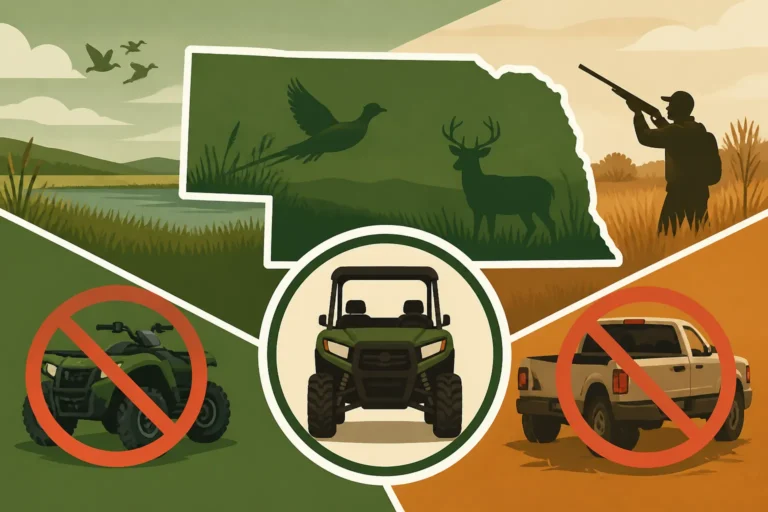
These areas are carefully managed through habitat manipulation, controlled burns, food plot development, and other conservation practices to maximize their benefit for wildlife. Because they are actively managed, they often hold a higher density and diversity of game than some other public land types. However, this active management, combined with their accessibility, also means they can see significant hunting pressure, especially on opening weekends or during peak seasons. Understanding Nebraska Wildlife Management Area Rules is paramount before you ever step foot on one. Always check the specific regulations for the WMA you plan to visit, as rules can vary regarding things like vehicle access, camping, and even specific hunting methods.
Key Wildlife Management Areas Around Kearney
Kearney sits in a truly unique ecological zone, straddling the Platte River valley to the north and the iconic Rainwater Basin to the south. This geographical advantage means hunters in the area have access to a diverse array of WMAs, each offering different opportunities. While some might require a bit of a drive, many excellent options are within a reasonable striking distance of Kearney.
Platte River Corridor WMAs
Just north and south of Kearney, the Platte River carves a wide, braided path across the landscape. This river corridor is a magnet for wildlife, providing timbered bottoms, sloughs, and islands that offer fantastic cover and food sources. Several WMAs are nestled along this river, managed to capitalize on its rich ecosystem.
One prominent example is Fort Kearny State Recreation Area and Wildlife Management Area. While the State Recreation Area is known for camping and picnicking, the WMA portions offer hunting, primarily for deer and waterfowl. The mix of timber, marshy areas, and adjacent agricultural fields makes it appealing. Remember, though, that areas designated as State Recreation Areas often have more restrictive rules or are completely closed to hunting in certain sections, so always verify specific boundaries on a map like The Nebraska Public Access Atlas. Similarly, the Bassway Strip WMA is a linear property running along the Platte, offering significant stretches of riverine habitat. It's a fantastic place to consider for River-Bottom Whitetail Hunting in Eastern Nebraska if you're after deer, but also attracts various waterfowl. The terrain here can be rugged, with thick brush and fluctuating water levels, demanding good boots and a willingness to explore.
Rainwater Basin WMAs
To the south of Kearney lies the famed Rainwater Basin, a critical wetland complex in the Central Flyway. This region is dotted with numerous shallow, temporary wetlands that are incredibly important for migrating waterfowl and shorebirds. While these basins are primarily known for ducks and geese, the associated uplands also provide excellent pheasant and deer habitat.
Funk Lagoon WMA near Funk, just southwest of Kearney, is one of the larger and more well-known Rainwater Basin properties. It’s an absolute hotspot for waterfowl hunting, particularly during the peak of migration. However, it also has significant upland components that can hold pheasants and good numbers of deer. The key to hunting these areas is understanding the water levels and how they influence bird behavior. Another excellent choice is Sacramento-Wilcox WMA, further west, which offers a similar mix of wetland and upland habitats. These areas are truly unique and require specialized knowledge for successful waterfowl hunting, often involving decoy spreads for geese in harvested corn fields or layout blinds. For detailed information on these unique hunts, check out resources like Field Hunting Geese in Nebraska's Rainwater Basin.
Exploring Other Nearby WMAs
While the Platte and Rainwater Basin areas offer significant opportunities, don't overlook other WMAs within a reasonable drive. Sometimes, going a little further can lead to less pressured ground and unique hunting experiences. For instance, areas to the east or west along the Platte might offer different access points or habitat mixes.
You might also find smaller, lesser-known WMAs that are part of the larger Nebraska's Open Fields and Waters Program or properties with unique characteristics. These smaller tracts, while not always boasting the same acreage as Funk Lagoon, can be incredibly productive for a determined hunter willing to scout. Using mapping applications, especially with layers that show public land boundaries, is invaluable for uncovering these hidden gems. Brands like onX Hunt are indispensable for identifying these smaller, often overlooked parcels of public land, showing property lines in detail and helping you avoid accidental trespass.
| WMA Name | Primary Location (Near Kearney) | Primary Game Species | Key Habitat Type | Notes |
|---|---|---|---|---|
| Fort Kearny WMA | South of Kearney | Deer, Waterfowl, Upland Birds | River bottom, marsh, timber | Shared with SRA, check boundaries |
| Bassway Strip WMA | Along Platte River | Deer, Waterfowl | River bottom, timber, slough | Linear property, challenging access |
| Funk Lagoon WMA | Southwest of Kearney | Waterfowl, Deer, Pheasant | Wetland, upland, agriculture | Major waterfowl hub, can be pressured |
| Sacramento-Wilcox WMA | West of Funk Lagoon | Waterfowl, Deer, Pheasant | Wetland, upland, agriculture | Similar to Funk, good diversity |
| Blue Hole WMA | South of Kearney | Deer, Waterfowl, Small Game | River bottom, old gravel pits | Varied terrain, often good for small game |
What to Hunt and How to Hunt It on Kearney-Area WMAs
The diversity of habitats around Kearney means you have a great shot at multiple species. From pursuing big game like deer to chasing upland birds or setting up for waterfowl, these WMAs offer a smorgasbord of hunting experiences. But each species and habitat type comes with its own set of strategies and considerations.
Deer Hunting Opportunities
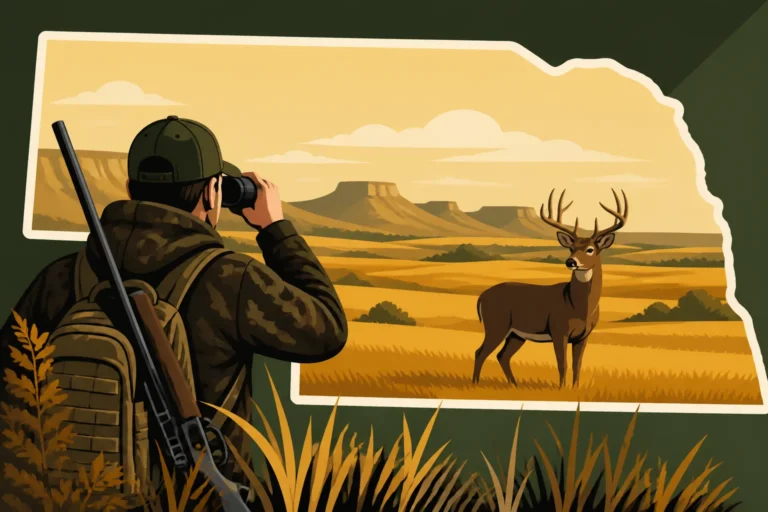
Deer hunting on central Nebraska WMAs, particularly along the Platte River, can be incredibly rewarding. Whitetails are abundant in the timbered river bottoms and the brushy cover adjacent to agricultural fields. Entry and Exit Routes on Flat Farm Ground become critical here, as deer are very sensitive to pressure. You’ll need to put in some serious scouting time to find their travel corridors between bedding areas in the thick cover and feeding grounds in nearby crop fields or food plots. Early archery season can be hot and humid, requiring careful attention to Field Dressing and Cooling Game in Warm Weather.
Later in the season, during the firearm or muzzleloader hunts, the strategy shifts. Deer movement often becomes more predictable as they focus on available food sources and seek dense cover to escape winter weather. On WMAs with heavier timber, still-hunting can be effective, slowly working through the woods and watching for subtle movements. For areas bordering large ag fields, setting up on a field edge or along a creek crossing that deer use to access fields can pay off, especially during the morning and evening hours.
Mule deer are less common in the immediate Kearney area but can be found in more open, western portions of central Nebraska. If you're targeting them, you'll need to adapt your strategy to the more expansive, open country, often requiring more glassing and longer stalks.
Upland Bird and Waterfowl Pursuits
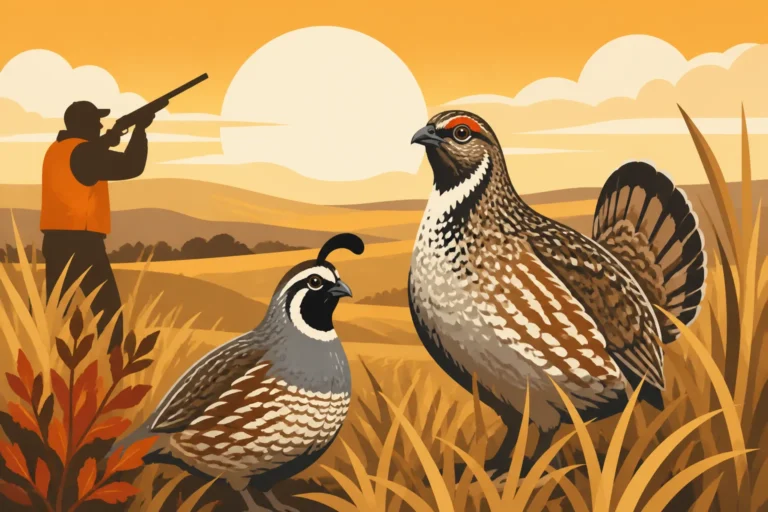
Central Nebraska is renowned for its upland bird hunting, particularly pheasants. Many WMAs, especially those with good mixes of native grass, CRP, and crop edges, hold good numbers of roosters. Walking these areas, especially those with good cover like cattail sloughs or shelterbelts, can be very productive. For many, Walking Nebraska Pheasant Cover With a Dog is the quintessential experience, but even without a dog, careful strategy and understanding pheasant behavior can lead to success. Look for areas with diverse cover that provide both roosting and feeding habitat, often near water sources. Late in the season, pheasants will hold tighter in the thickest cover, making for explosive flushes.
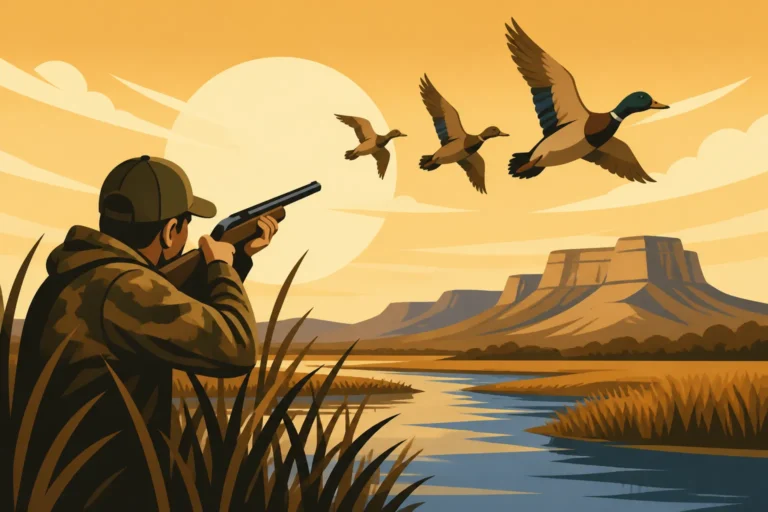
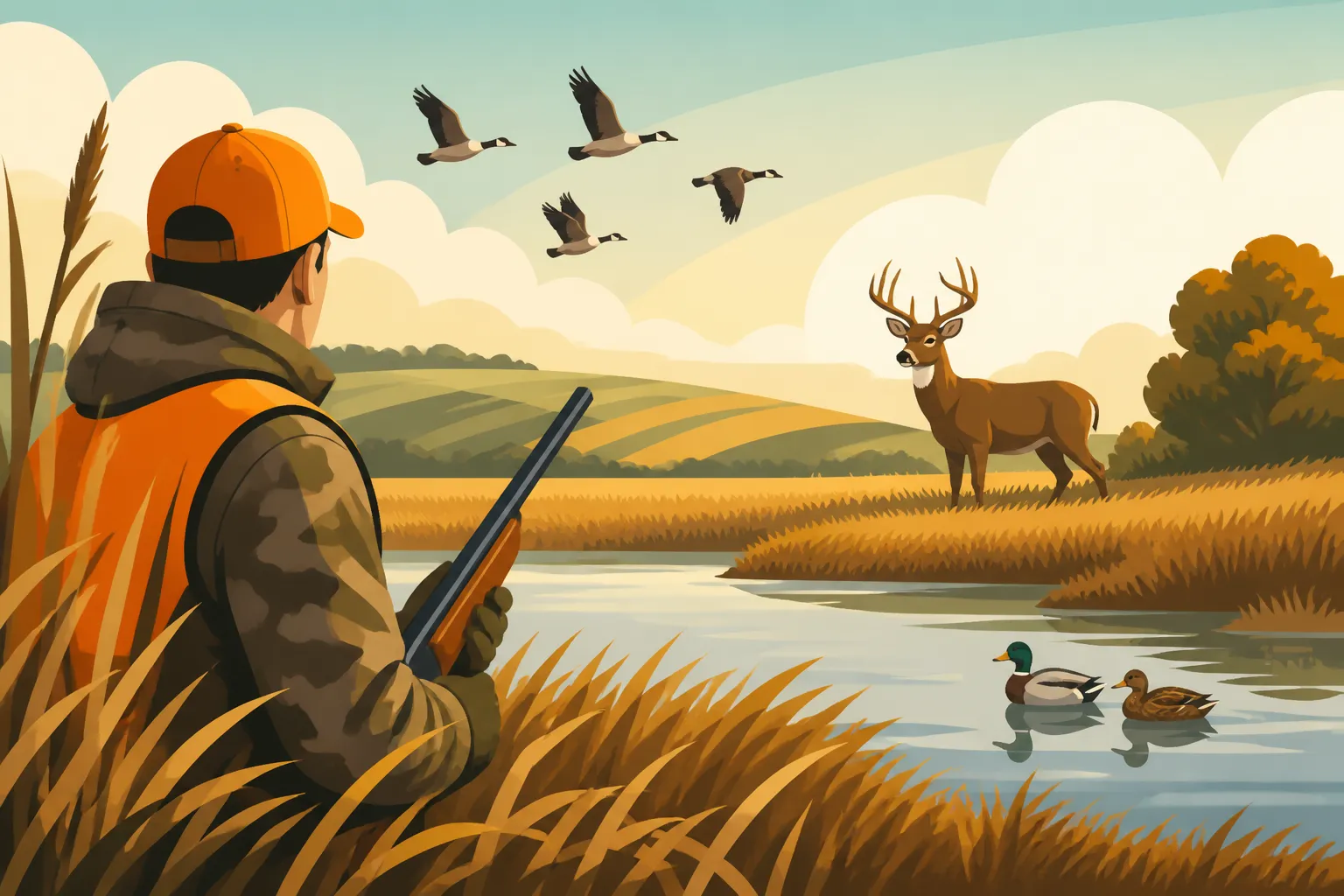
Waterfowl hunting, as mentioned, is a major draw for the Rainwater Basin WMAs. These wetlands act as critical staging grounds for thousands of ducks and geese during migration. Hunters set up in layout blinds in harvested cornfields or in permanent blinds along the water's edge, utilizing elaborate decoy spreads. Success often hinges on knowing migration patterns, scouting daily flight paths, and having the right gear for the weather. It can be cold, wet, and windy, but the rewards of calling in a flock of mallards or a squadron of Canada geese are unparalleled. Always be mindful of Nontoxic Shot Rules on Nebraska WMAs, as lead shot is prohibited for waterfowl.
General Tactics and Considerations
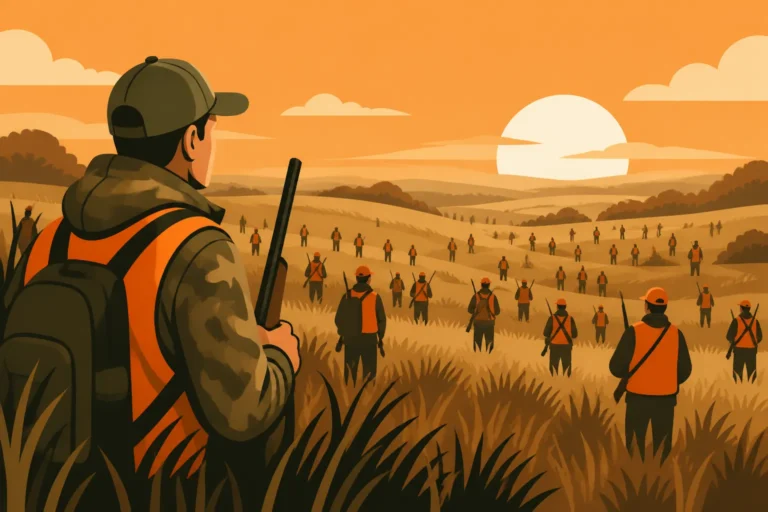
No matter what you're hunting, these WMAs will likely see pressure. To increase your odds, think about hunting mid-week if possible, or being the first one in and the last one out on weekends. Often, simply walking an extra quarter-mile past where most hunters stop can put you into undisturbed game. Utilizing the wind to your advantage is always critical, whether still-hunting deer or walking up pheasants.
It's also crucial to practice ethical hunting, respect other users, and pack out everything you pack in. Public lands are a shared resource, and it's up to all of us to keep them pristine. Always be aware of your surroundings, especially during firearm seasons, and wear proper blaze orange when required. Orange Requirements for Archers in November are something even bowhunters need to keep in mind if their season overlaps with firearm seasons.
Maximizing Your Success: Planning and Scouting Public Land
Hunting public land successfully isn't just about showing up with your gear; it's about preparation. Modern tools and smart scouting can give you a significant edge, helping you navigate the sometimes-complex world of public access and wildlife behavior. Without a doubt, the most successful public land hunters are often the best scouts.
Leveraging Mapping Tools for WMA Scouting
In today's hunting world, digital mapping applications are no longer a luxury; they're an absolute necessity for public land hunters. Services like onX Hunt and even GoHunt provide invaluable layers that clearly delineate public and private land boundaries, show roads, trails, terrain features, and even recent satellite imagery. Before you ever leave your house, you can virtually "walk" a WMA, identifying potential pinch points, bedding areas, water sources, and likely travel corridors. This is especially true for WMAs that might have complex boundary lines or in areas where a WMA is adjacent to private agricultural fields.
When using these apps, look for natural funnels, changes in vegetation density, and remote corners that might see less pressure. Identify possible access points and plan your entry and exit routes. You can even mark potential stand sites or ambush points from your couch. While not all WMAs have extensive trail systems, these apps can help you pick the path of least resistance or, conversely, find the thickest cover where other hunters might shy away. For more on navigating with technology, check out GPS Units Versus Phone Apps.
Understanding Regulations and Seasonal Changes
Each WMA often has specific rules beyond general statewide regulations. These might include restrictions on vehicle access, overnight camping, specific hunting methods, or even temporary closures for habitat work. Always check the official Nebraska Game and Parks Commission website or The Nebraska Public Access Atlas for the most up-to-date information on the specific WMA you plan to hunt. A small WMA might be walk-in only, while a larger one might allow vehicle access on certain roads.
Seasonal changes also play a huge role. Early season deer and bird hunting in September or October can be very different from late-season hunts in December or January. Food sources change, deer patterns shift, and bird cover evolves as crops are harvested and vegetation dies back. For instance, What Changes in Nebraska After the Corn Comes Off can drastically alter deer movement and pheasant locations. Being aware of these shifts and adjusting your tactics accordingly is key. Scouting isn't just about finding game sign; it's about understanding the land's rhythm throughout the season. Don't be afraid to visit a WMA in the off-season to learn its topography and features without the pressure of an active hunt.
Disclaimer
This article is for general informational purposes only and does not constitute professional advice. Laws, prices and regulations vary by location and change over time. Consult a qualified professional for guidance on your specific situation.