Orange Rules That Apply During Archery Season
It’s a scenario many of us archers in Nebraska have faced: you’re deep in the timber, trying to be as stealthy as possible, and suddenly you remember the calendar. Is it November yet? Do I need to be wearing blaze orange right now, even with my bow? The confusion is real, and the last thing any of us wants is to accidentally be out of compliance or, worse, compromise our safety. This guide is here to clear up all the lingering questions about blaze orange requirements for archery hunting in Nebraska, making sure you can focus on the hunt with peace of mind.
The Core Principle of Nebraska's Blaze Orange Law for Archery
Nebraska's hunting regulations can feel like a labyrinth at times, especially when seasons overlap. For archers, the golden rule regarding blaze orange boils down to one critical factor: whether a firearm deer season is concurrently open in your hunting area. It's not about what weapon you're carrying; it's about the presence of other hunters, potentially with different weapons, in the same space. This distinction is paramount for safety and legal compliance.
When Orange is Absolutely Required
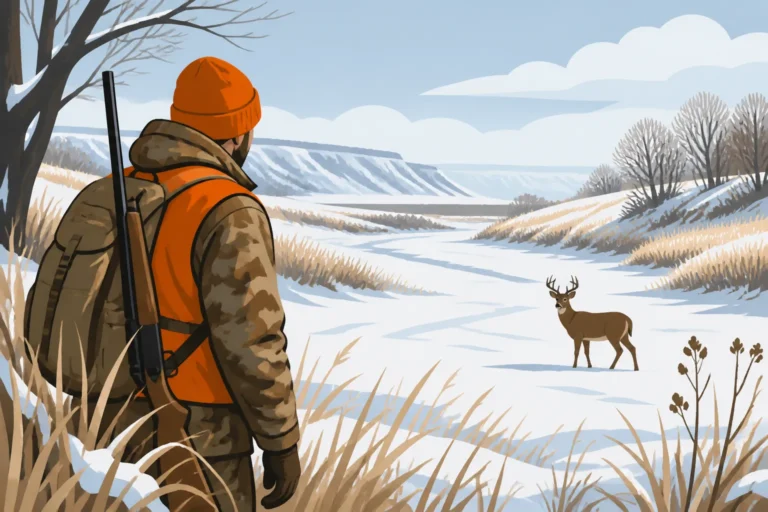
The primary situation where a bowhunter in Nebraska must wear blaze orange is during any established firearm deer season that overlaps with the archery season. The most significant of these is, without a doubt, the nine-day November firearm deer season. This short, intense period sees a dramatic increase in hunter numbers, particularly in the state’s timbered draws and river bottoms. During this timeframe, whether you're hunting whitetails in the eastern river systems or mule deer out in the Sandhills, if a firearm deer season is open, you need to be wearing your orange. The Nebraska Game and Parks Commission (NGPC) is very clear on this: safety is the driving force, and increased visibility is the best defense against accidents when high-powered rifles are in the field. It might feel like a tactical disadvantage for an archer, but it's a non-negotiable part of sharing the woods responsibly.
Beyond the general November rifle season, there can sometimes be special firearm hunts, like youth seasons or late antlerless opportunities, that might also require archers to don orange if they overlap with the archery season in a specific unit. It’s always crucial to check the current year’s hunting guide for precise dates and unit-specific rules. Don't just assume; a quick check of the regulations before heading afield can save a lot of headaches, and potentially, lives. For a broader look at the season, you might find more details in our comprehensive article on Bowhunting Nebraska's Four-Month Archery Season.
The "When in Doubt" Approach to Orange
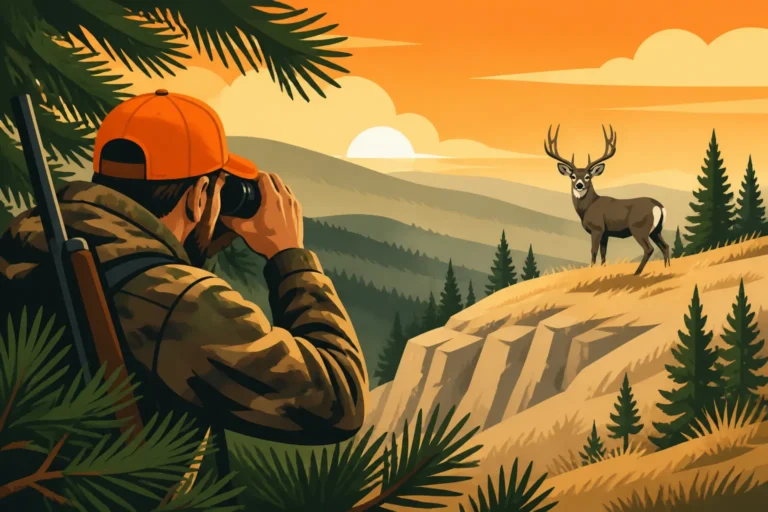
Even when the regulations don't explicitly require blaze orange, many seasoned archers adopt a "when in doubt, wear it" philosophy, especially on heavily trafficked public lands or areas known for high hunter density. Picture this: you’re deep in a WMA, maybe even miles from the nearest road, and you hear the distant crack of a rifle from an adjacent private property or another hunter who’s also chosen to venture deep. While legally you might not be required to wear orange if no firearm season is open on that specific date, the presence of others increases the risk.
It's a frustration many bowhunters share: the desire to remain completely camouflaged, blending seamlessly into the environment, runs deep. The idea of wearing a bright vest can feel counterintuitive to the core principles of bowhunting stealth. However, the momentary discomfort or perceived tactical compromise is a small price to pay for unambiguous visibility. If you're hunting areas where Bowhunting During Nebraska's November Firearm Season is a common practice, or if you're exploring tracts listed in the Reading the Nebraska Public Access Atlas, considering some form of orange, even a cap or small patch, can offer an extra layer of protection, particularly when entering or exiting your stand site in low light. This isn't about regulations; it's about personal safety and being a responsible, considerate hunter sharing the landscape.
Understanding the Specifics of Blaze Orange Requirements
When blaze orange is required, it’s not just a matter of throwing on any old orange item. Nebraska has specific stipulations about the amount of orange that must be visible. These rules are designed to ensure that hunters are conspicuous from all angles, maximizing their safety in dense cover or open terrain alike. Getting these details right is crucial for compliance.
The 400 Square Inch Rule
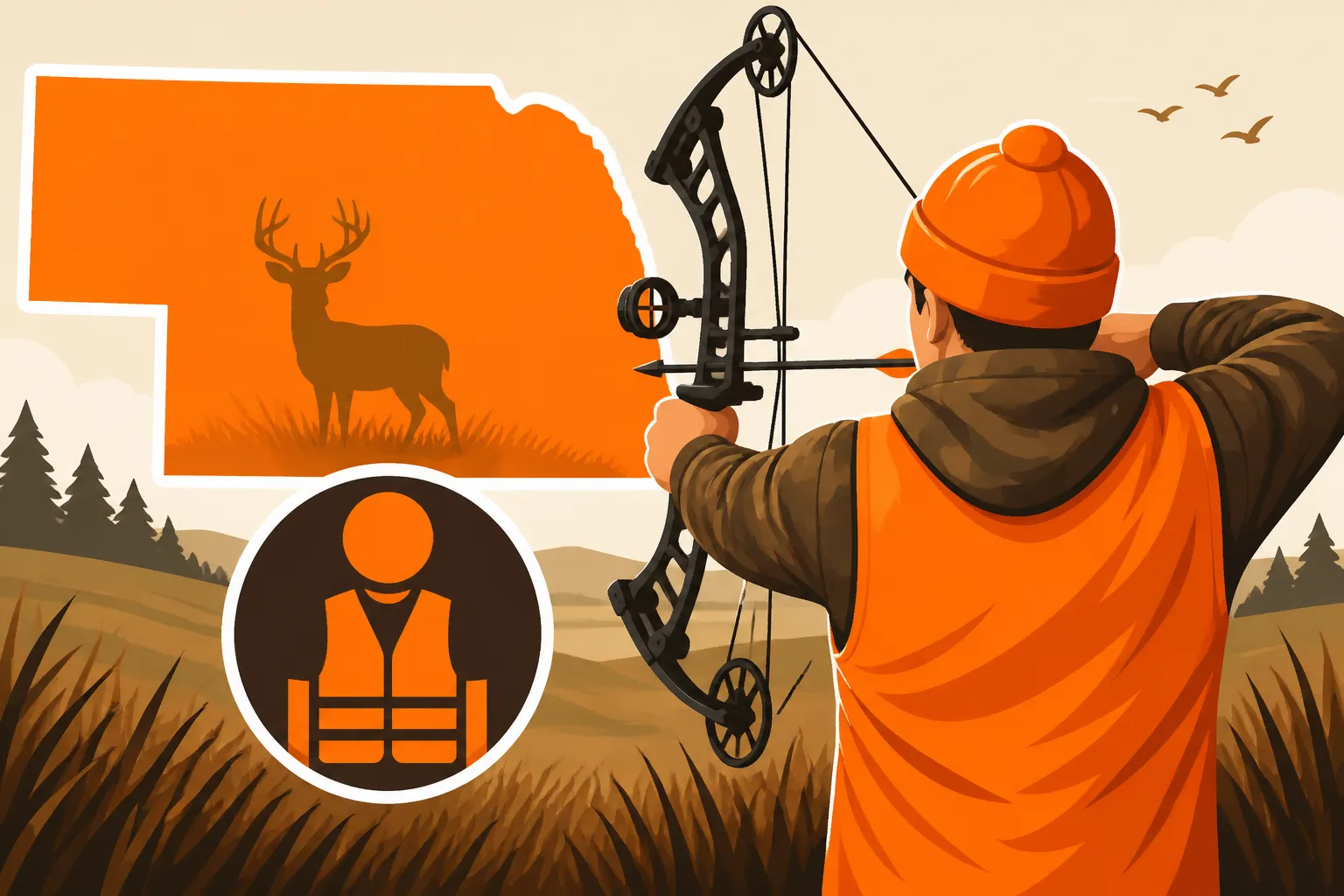
Nebraska's regulation specifies that hunters must wear at least 400 square inches of blaze orange on their head, chest, and back. This isn't just an arbitrary number; it's calculated to provide a significant, unmistakable visual signal to other hunters. For many, this means a blaze orange vest and a cap. The vest typically covers a good portion of the chest and back, and a brightly colored cap ensures visibility from above and helps delineate the human form. For archers who prioritize quiet movement, finding vests made from softer, quieter materials can be a game-changer. Brands like GoHunt often feature gear that combines necessary safety features with materials that cater to the stealth demands of bowhunting.
It's worth noting that the 400 square inches must be visible. This means if you're wearing an orange vest, but your backpack is completely obscuring the back panel, you might not be meeting the requirement. Layering is key, especially in Nebraska's unpredictable autumn weather. You need to ensure your outermost layer, or a significant portion of it, is blaze orange. Think about how you’ll appear from various angles, including when you're bent over tracking a deer or sitting in a blind. Our detailed article on Nebraska's 400-Square-Inch Orange Rule dives even deeper into how to meet this requirement effectively, ensuring you're both safe and compliant.
Exemptions and Archery-Specific Considerations
The good news for archers is that blaze orange is not required for the vast majority of the four-month archery deer season. For instance, during the early archery season, typically from September through October, when there are no firearm deer seasons open, archers can fully embrace their camouflage. This allows bowhunters to leverage every bit of natural concealment, which is often essential for getting within bow range of a wary whitetail or mule deer. This is also a period when hunters need to be extra mindful of Field Dressing and Cooling Game in Warm Weather, as early season temperatures can still be quite high.
However, once that firearm season opens, the rules shift. This is where the archer's dilemma truly comes into play. How do you balance the need for stealth with the mandate for high visibility? While there are no specific "archery exemptions" to the orange rule during firearm seasons, archers can choose gear that is as minimalist as possible while still meeting the square inch requirement. A lightweight, quiet orange mesh vest over your camo, paired with a matching cap, is a common solution. It won't completely negate your camo, but it will ensure you are seen by other hunters. This is particularly important for those who might be using Crossbow Rules and Use in Nebraska during the general archery season, as the weapon type doesn't change the orange requirements when firearm seasons are open.
Navigating Overlapping Seasons and Public Land Challenges
The challenge of wearing blaze orange as an archer really highlights the complexities of hunting in a state like Nebraska, where multiple seasons and weapon types often share the same landscape. This is especially true on public access areas, where you’re never truly alone.
The November Firearm Season Overlap
Let's be honest, the November firearm season is a whirlwind in Nebraska. Suddenly, the quiet woods you’ve been bowhunting since September are buzzing with activity. This is the period When the Whitetail Rut Peaks in Nebraska, making it an exciting, albeit crowded, time to be in the deer woods. The sheer number of hunters, combined with the greater range and impact of rifles, mandates heightened safety precautions, including blaze orange. It’s not just about legal compliance; it’s about acknowledging the reality of shared space.
As an archer during this overlap, you might feel a pang of frustration. Your carefully chosen ground blind or treestand setup, perfected for stealth, now feels compromised by the bright orange. However, it's also an opportunity to adapt. Consider hunting areas that might be less appealing to rifle hunters due to thick cover or difficult terrain. Focus on deer movement patterns that account for increased pressure. While your orange makes you visible to other humans, deer, with their different vision spectrum, aren't nearly as alarmed by it as we might imagine. The key is to minimize movement and rely on scent control, even with the added color. This is also a good time to review your Bow Setups for Nebraska Whitetails to ensure everything is in top working order for those fleeting opportunities.
Archery Hunting on Nebraska Public Access Areas
Public hunting land in Nebraska, whether it’s a Wildlife Management Area (WMA), a National Forest tract, or an Open Fields and Waters (OFW) site, is a shared resource. During archery season, even outside the firearm overlap, you might encounter other archers, small game hunters, hikers, or even bird watchers. When the firearm season hits, the sheer volume of users can skyrocket. This makes understanding the nuances of blaze orange even more critical. Resources like the Nebraska Public Access Atlas are invaluable for identifying these areas and anticipating potential crowds.
In open country, like much of the Nebraska Sandhills or extensive grassland, an archer might rely on techniques like Spot-and-Stalk Mule Deer in the Nebraska Sandhills. Here, visibility can be extreme, and if a firearm season is open, your orange needs to be clearly displayed. Even in more timbered regions, like those found when River-Bottom Whitetail Hunting in Eastern Nebraska, a small patch of orange can be the difference between being identified as a human or mistaken for game in thick cover. It's a somber thought, but one that underpins the orange regulations. The reality of hunting in Nebraska is that you're rarely truly alone, especially on public ground, and being seen is fundamental to preventing accidents.
Practical Tips for Archers and Orange Compliance
Meeting blaze orange requirements doesn't have to be a major disruption to your archery hunt. With a little forethought and the right gear, you can remain compliant, safe, and still maintain a high level of effectiveness in the field. It’s all about integrating safety seamlessly into your hunting routine.
Gear Selection and Comfort
For archers, comfort and quietness are paramount. A stiff, noisy blaze orange vest can easily spook game and make a long sit miserable. Thankfully, gear manufacturers have recognized this and offer options that cater specifically to bowhunters. Look for vests or layering pieces made from soft, silent fleece or lightweight mesh. Many feature adjustable straps to ensure a snug fit over varying layers of clothing, which is essential for Clothing for Nebraska Wind and Cold.
Consider a vest that is designed to minimize bulk and interference with your bow string or release. A blaze orange beanie or baseball cap is often more comfortable and less intrusive than a full hood. Some archers even opt for a small, legal blaze orange arm band or patches strategically placed on a backpack, ensuring the 400 square inches are visible without completely shrouding themselves in bright color. Remember, your gear needs to stand up to Nebraska's diverse terrain and weather. Whether you’re climbing into a treestand or still-hunting through a cedar draw, your orange needs to stay put and remain visible. Many hunters, when purchasing gear, will consider brands like Badlands or Sitka, often checking reviews on platforms like GoHunt for insights into durability and quietness, even if those specific brands aren't exclusively orange-focused.
Communicating Safety and Being Seen
Beyond simply wearing the required amount of orange, actively communicating your presence is a critical part of safety. This can be as simple as making noise as you walk in and out of your stand during peak firearm season. A friendly "Good morning, hunter!" can go a long way in alerting others to your location. When you spot another hunter, make eye contact and, if appropriate, give a wave to acknowledge each other.
It's also about understanding the behavior of others. During the firearm season, many hunters will be moving through cover, pushing deer, or simply walking to their stand locations. Your blaze orange acts as your visual flag, distinguishing you clearly from game animals. While archers often move slowly and deliberately, particularly when stalking, being aware of your surroundings and any potential sightlines for other hunters is crucial. Before you take a shot, always be certain of your target and what's beyond it, a fundamental rule for all hunters regardless of weapon or season. Remember to check out information on Nebraska Archery and Muzzleloader Deer Permits to ensure all your licensing is up to date, adding another layer of responsible hunting practice.
| Nebraska Archery Season Period | Blaze Orange Requirement | Rationale |
|---|---|---|
| No | Safety | This is about understanding the primary rule. |
| During a Firearm Deer Season (Nov) | Yes | Rationale: The simultaneous opening of firearm season significantly increases risk. It's not about what you are carrying, but what others be carrying and their increased presence. The bright orange helps distinguish you as a human, not a deer, to other hunters. It’s also during the peak of the whitetail rut, which means more hunters are in the field. |
| Outside of Firearm Deer Season | No | Rationale: The purpose of blaze orange is to prevent hunter-on-hunter incidents. When only archery season is open, this specific risk is greatly reduced. Bowhunters rely on camouflage for closer ranges. |
| Youth Deer Firearm Season (if overlapping) | Yes | Rationale: Similar to the general firearm season, the presence of hunters using firearms, especially potentially less experienced youth hunters, necessitates increased visibility for all individuals in the field. |
| Muzzleloader Deer Season (Dec) | Yes | Rationale: Even though it's a different firearm type, the principle remains: when hunters are in the field with firearms, archers must wear blaze orange for safety. This often overlaps with some late archery opportunities. |
| Hunting on Private Land (during overlap) | Yes | Rationale: Nebraska's blaze orange rules are generally statewide during overlapping firearm seasons, regardless of land ownership. While you might control who is on your specific parcel, you cannot control adjacent properties. |
| Hunting on Public Land (during overlap) | Yes | Rationale: Public land inherently means shared access. The likelihood of encountering other hunters is higher, making blaze orange absolutely essential for your safety and theirs. |
| Hunting Antlerless-Only Firearm Hunts (if overlapping) | Yes | Rationale: Any firearm season, regardless of the target (buck or doe), increases the density of firearm hunters in the field. Safety dictates orange is worn. |
Disclaimer
The information provided in this guide is for general informational purposes only and does not constitute legal advice. Hunting regulations can change annually, and it is the hunter's responsibility to review and comply with all current Nebraska Game and Parks Commission regulations before heading into the field. Always consult the official Nebraska hunting guide for the most up-to-date and specific rules.