How Nebraska’s Open Fields and Waters Works
Finding quality hunting ground in Nebraska can feel like an uphill battle, especially if you don't have a network of private landowners or the time to knock on doors every fall. It's a real frustration for many hunters, knowing there's game out there but struggling to find a place to pursue it ethically and legally. This comprehensive guide will walk you through the ins and outs of Nebraska's Open Fields and Waters (OFW) program, a vital resource that provides public access to privately owned land, helping you unlock more hunting opportunities across the state.
Understanding Nebraska's Open Fields and Waters Program
The Open Fields and Waters program is a true gem for Nebraska hunters, and honestly, for the state's wildlife conservation efforts as a whole. It’s a voluntary program where private landowners enter into agreements with the Nebraska Game and Parks Commission to allow public hunting and fishing access on their property. This isn't just a casual handshake deal; it's a structured program designed to expand opportunities for us hunters while providing benefits to the landowners.
The Core Mission Behind OFW
At its heart, the OFW program aims to bridge the gap between abundant wildlife populations on private land and the public's desire to hunt and fish. Think about it: Nebraska is primarily private land, and a significant portion of our deer, pheasant, quail, and other game call these private parcels home. Without a program like OFW, a huge amount of potential hunting access would be completely off-limits to the average hunter. It's about increasing access, pure and simple, and ensuring that more people can experience the outdoor traditions we cherish. The program helps fulfill the constitutional right to hunt by ensuring opportunities exist beyond just state-owned Public Hunting Land in Nebraska.
This mission also serves a vital conservation role. By encouraging responsible hunting, the program helps manage wildlife populations, reducing potential crop damage for landowners in certain areas and contributing to overall ecosystem health. When hunters have more places to go, it spreads pressure out, which can be a good thing for both the game and the hunting experience itself. It creates a symbiotic relationship: landowners get a benefit, hunters get access, and wildlife management goals are better met. It’s a win-win-win scenario when it works as intended.
How Landowners Participate
Landowners who choose to participate in OFW do so for a variety of reasons, and it’s a commitment they make. They typically lease their hunting and/or fishing rights to the Nebraska Game and Parks Commission for a set period. In return, they receive financial compensation, which helps them offset costs, and sometimes even benefit from habitat improvements facilitated by the program. It's an incentive-based approach that makes it appealing for them to open up their gates, or at least a portion of their land, to the public.
The process for landowners involves signing an agreement and then working with Game and Parks staff to define the specific areas open to public use. They often receive liability protection, which is a big concern for many private landowners, and clear signage is installed to delineate the open areas. This clear demarcation is crucial for both hunters and landowners, preventing misunderstandings and ensuring everyone knows where they can and cannot be. It's a systematic approach that tries to make it as straightforward as possible for everyone involved, especially for keeping Nebraska's Posted-Land and Trespass Rules clear.
The Different Types of Access Available
The beauty of the Open Fields and Waters program lies in its diversity. It’s not a one-size-fits-all approach; different tracts offer different types of access and cater to various hunting styles and species. You’ll find everything from vast tracts of Sandhills rangeland to smaller parcels of pheasant-rich crop stubble or crucial river bottom habitat. Understanding these distinctions is key to making the most of the program.
Generally, you'll encounter two primary types of access: walk-in hunting areas and fishing access sites. Walk-in hunting is by far the most common, meaning you park your vehicle at a designated spot and proceed on foot into the hunting area. These areas are fantastic for those who enjoy the solitude and challenge of hunting wild ground. Sometimes, a tract might offer specific vehicle access roads, but this is less common and always explicitly marked. The program truly embraces the concept of 'walk-in, walk-out,' giving you a real sense of earned opportunity.
| Access Type | Description | Typical Game/Opportunity | Key Rules/Features |
|---|---|---|---|
| Walk-in Hunting (WIHA) | Public access for hunting, typically requiring parking and foot travel. | Deer, pheasant, quail, turkey, grouse, waterfowl, small game | No permanent stands/blinds, often seasonal access. |
| Fishing Access | Public access to rivers, streams, lakes, or ponds for fishing. | Various fish species | Specific fishing regulations apply, check local rules. |
| Limited Access | Some areas may have restrictions on dates, species, or access methods. | Varies by specific tract | Always read signs and Atlas details carefully. |
| Easement/Lease | Landowners provide perpetual or long-term access for conservation/recreation. | Varies widely | May have more established infrastructure or rules. |
A Hunter's Guide to Benefiting from OFW
For hunters, OFW isn't just a program; it's an opportunity multiplier. It gives us options we might not otherwise have, allowing us to pursue game without the daunting task of securing private land permission every single time. It democratizes hunting access in a state where private land dominates the landscape, making the outdoors more accessible to everyone.
Expanding Your Hunting Horizons in Nebraska
Imagine you're new to Nebraska, or maybe you've been hunting for years but lost access to a reliable private spot. The OFW program immediately opens up a vast new world of possibilities. Instead of being confined to a handful of crowded Nebraska Wildlife Management Areas, you suddenly have hundreds, sometimes thousands, of additional acres to explore. This expansion is critical for diversifying your hunting experience and finding new challenges. Whether you're chasing ring-necked pheasants in the milo stubble, trying to sneak up on a whitetail along a creek bottom, or calling coyotes on open rangeland, there's likely an OFW tract that fits your pursuit.
This means you’re not always hunting the same familiar spots. You can branch out, explore new counties, and discover different habitat types. This encourages becoming a more versatile and adaptable hunter, which is a valuable skill. It can even help you find Finding Ground That Sees Fewer Hunters if you're willing to walk a bit further or explore lesser-known tracts. The sheer volume of enrolled land ensures that there's always something new to scout and hunt, keeping the challenge and excitement alive season after season.
Finding Accessible Opportunities for Various Game
One of the greatest strengths of OFW is the sheer variety of game species you can pursue on these lands. It's not just a deer program or a bird program; it's a comprehensive access solution. From big game like White-Tailed Deer Across Nebraska and even mule deer in appropriate regions, to upland birds such as Nebraska's Ring-Necked Pheasant Story and prairie grouse, down to small game like rabbits and squirrels, you'll find OFW tracts that hold them.
For example, many tracts are enrolled specifically for upland bird hunting, providing crucial pheasant and quail habitat in the eastern and central parts of the state. Other, larger tracts in western Nebraska might be ideal for deer or even archery antelope. Waterfowl hunters also benefit, with some agreements providing access to crucial wetlands and waterways. The key is to be specific in your research, using tools like The Nebraska Public Access Atlas to pinpoint tracts that historically hold the species you're after and offer the type of hunting experience you prefer. It's a targeted approach that saves you time and increases your chances of success.
Planning Your Hunt on OFW Ground
Effective planning is absolutely critical when heading to an OFW tract. Unlike private land where you might have intimate knowledge, these public-access areas often require a bit more homework. Start by consulting the official Nebraska Public Access Atlas, available both in print and digitally. This atlas is your bible for OFW, showing exact boundaries, parking areas, and specific rules for each tract. Pay close attention to the legends and any special notes listed for a particular parcel.
Once you’ve identified a few promising tracts, consider digital mapping tools like onX Hunt. This is where modern technology really shines. With onX Hunt, you can overlay public land layers directly onto satellite imagery, giving you a detailed look at terrain, cover, and potential access points. You can mark waypoints, scout remotely, and even track your movements in real-time in the field. This level of detail helps you develop a solid plan, identify potential pinch points, bedding areas, or travel corridors, and understand the property lines so you avoid accidentally straying onto adjacent private land. Many hunters also use resources like GoHunt to cross-reference data and get a holistic view of hunting potential, especially when looking at broader regional trends or success rates.
Navigating and Respecting Open Fields and Waters Tracts
Using OFW lands effectively means more than just showing up with your gear. It requires a keen understanding of the rules, a mastery of navigation, and, most importantly, a deep respect for the land and the landowners who make it accessible. This respect is what keeps the program thriving.
Interpreting the Public Access Atlas and Field Signs
The Nebraska Public Access Atlas is your best friend when it comes to OFW. It's not just a map; it's a critical guide. When Reading the Nebraska Public Access Atlas, you'll notice color-coded sections indicating different types of public access, along with symbols for parking and specific regulations. Always check the year of publication, as enrolled tracts can change annually. Some areas might be added, others removed, and rules can be adjusted. This is why checking Whether Open Fields Tracts Change Yearly is so important.
Once you’re in the field, look for the official yellow-and-white OFW signs. These signs clearly mark the boundaries of the enrolled property. If you don't see a sign, assume you are on private land and do not trespass. It’s that simple. These signs are often placed at fence lines, gates, and major access points. They are your confirmation that you are indeed on legal hunting ground. Always remember that even if a parcel is listed in the Atlas, if the signs are not present or explicitly state otherwise, it’s best to err on the side of caution.
Essential Tools for OFW Navigation
In today's hunting world, relying solely on a paper map can be a disservice, especially in expansive or unfamiliar territory. This is where digital tools become indispensable. As mentioned, onX Hunt is a game-changer. Its detailed satellite imagery, property line overlays (showing public vs. private), and GPS capabilities make it incredibly easy to stay on track and avoid unintentional trespassing. You can download maps for offline use, which is crucial in areas with spotty cell service, common in many rural Nebraska hunting spots. The ability to see onX Layers for Nebraska Land Status gives you real-time confidence in your location.
Beyond onX, a good old-fashioned compass and the knowledge of how to use it are always smart backups. A reliable power bank for your phone or GPS device is also a must-have, especially on long days afield or when scouting new ground. For those looking for broader insights, platforms like GoHunt offer not just mapping but also a wealth of information on draw odds, unit analyses, and harvest data, which can indirectly help you identify promising regions for OFW access, even if their primary focus isn't always on state-specific public access programs. Combining these tools gives you the most robust navigation and planning capabilities possible.
Upholding Ethical Behavior and Respect for Private Property
The success and continuation of the OFW program hinge entirely on hunter ethics and respect. These are private lands, and while the landowners have graciously opened them up, we as hunters have a responsibility to treat them as if they were our own, or even better. This means staying within marked boundaries, obeying all posted rules, and leaving no trace behind. Pack out everything you pack in, and perhaps even pick up any litter you find.
Adhere strictly to Walk-In Only Rules on Open Fields Tracts unless explicitly stated otherwise. Do not drive vehicles onto fields or trails unless designated for public use. If you encounter livestock, give them a wide berth and close any gates you open. Remember that landowners are partners in conservation, and their goodwill is paramount. Any actions that damage property, disrespect livestock, or create a nuisance can jeopardize future access, not just for you, but for all hunters. A strong code of conduct ensures the program's longevity and preserves these vital hunting opportunities.
Strategies for Success on OFW Lands
Hunting OFW tracts isn't just about showing up; it's about smart strategy and adaptation. These lands often see more pressure than secluded private parcels, so developing tactics to outsmart both game and other hunters is key. Don't be discouraged by the "public land" label; with effort and intelligence, OFW can be incredibly productive.
Scouting and Pre-Season Preparation
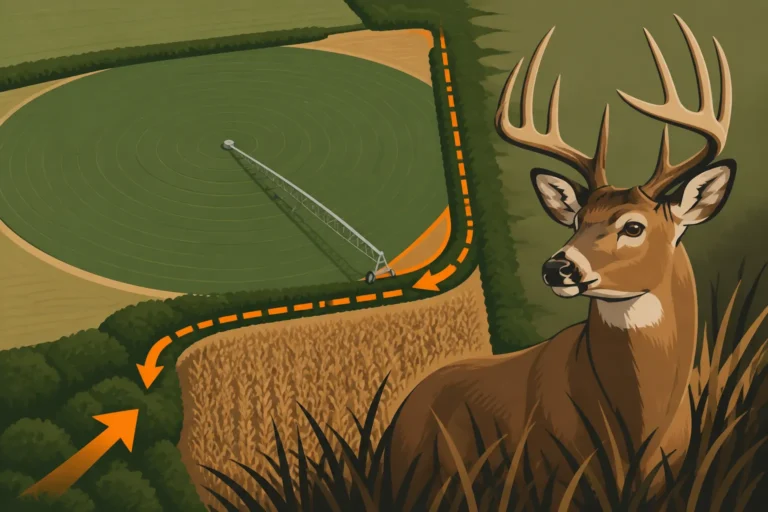
Just like any other hunting land, scouting is fundamental to success on OFW properties. Since you can't always walk the ground freely during off-season months (check specific rules for year-round access), remote scouting becomes even more important. Utilize satellite imagery on onX Hunt to identify potential food sources, water, bedding areas, and travel corridors. Look for natural funnels, pinch points, and cover transitions that might concentrate game. Scouting Nebraska Public Ground Before Opening Day can give you an edge, even if it's done primarily from your computer or phone.
Pay attention to historical aerial imagery to see how fields and cover have changed over time. If a cornfield was harvested early one year, it might have attracted deer sooner. If there's a unique creek crossing or a stand of cedars in a sea of grass, those become points of interest. Don't forget to consider access points – can you get to a promising area without disturbing other hunters or crossing sensitive areas? A well-scouted plan, even a virtual one, drastically increases your odds of finding game.
Adapting Your Tactics to OFW Conditions
One of the biggest differences on OFW land compared to secluded private property is the potential for increased hunter pressure. Game on these tracts often becomes warier and more nocturnal, especially after opening day. This means you need to adapt your hunting tactics. Instead of focusing solely on popular, easily accessible areas, be willing to put in the extra miles. How Far to Walk From the Parking Area can often correlate directly with finding less-pressured animals.
Consider hunting during weekdays, avoiding peak times, or focusing on less-obvious cover. For pheasants, this might mean working thick cattail sloughs or dense CRP instead of just easy-walking milo stubble. For deer, it could mean setting up further from trails, still-hunting through overlooked timber blocks, or focusing on mid-day movement when other hunters are back at camp. Being versatile and willing to adjust your approach based on what you see and hear is paramount. Understanding how animals react to pressure is key to Hunting Nebraska Deer After the Firearm Season or even during the archery season.
Common Challenges and How to Overcome Them
Hunting OFW land isn't without its challenges. Beyond hunter pressure, you might encounter varying habitat quality, limited cover, or unpredictable land use changes from year to year. The key is to see these challenges not as roadblocks, but as opportunities for ingenuity.
- Limited Cover: In open country, utilizing natural terrain features like draws, hills, or even small depressions becomes crucial for concealment. Ground Blinds in Open Nebraska Country can be incredibly effective, but ensure they are well-brushed in and comply with Blinds and Stands on Open Fields Ground rules.
- Weather: Nebraska weather can be extreme. Prepare for everything from scorching early-season heat to bitter December winds. This means having the right clothing layers, ample water, and understanding how conditions affect game movement.
- Unfamiliarity: Each OFW tract is unique. Don't expect one strategy to work everywhere. Spend time studying maps, observing sign, and being patient as you learn the nuances of a new piece of ground. A quick scout before committing to a full day's hunt can save a lot of wasted effort.
- Other Hunters: While sometimes a challenge, other hunters can also be an asset. Their presence might move game in your direction. Anticipate where game might flee from pressure and position yourself accordingly. It's a dance, and understanding the rhythm can lead to success.
Frequently Asked Questions and Program Evolution
Like any large-scale program, Open Fields and Waters generates questions, and its structure and offerings are always subject to evolution. Understanding the nuances helps ensure you're always hunting legally and effectively.
Clarifying Common Rules and Restrictions
While the general concept of OFW is public access, specific rules can vary by tract and by game species. Always, always, always refer to the most current Public Access Atlas and the signage at the actual location. However, some common rules apply across most OFW tracts:
- Walk-In Only: The vast majority of OFW areas are indeed walk-in only. This means parking in designated areas and proceeding on foot. Do not drive ATVs, UTVs, or other vehicles off established public roads or onto fields unless specifically permitted and clearly marked.
- No Permanent Blinds/Stands: Permanent blinds, tree stands, or other structures are generally prohibited. Portable blinds and stands are usually allowed, but they must be removed daily. Don't leave anything behind overnight.
- No Baiting: Baiting for deer or other game is typically not allowed on public lands, and this often extends to OFW tracts. Always verify specific regulations for the species you are pursuing.
- Respect Agriculture: These are often working agricultural lands. Stay out of unharvested crops, avoid damaging fences, and be mindful of farm equipment.
- Pack It In, Pack It Out: Leave no trash, spent casings, or other refuse on the property.
Ignoring these rules not only risks fines but, more importantly, jeopardizes the entire program. It’s a privilege, not a right, to hunt these lands.
The Impact and Future of Open Fields and Waters
The OFW program has had a profoundly positive impact on hunting in Nebraska. It has opened up hundreds of thousands of acres to public use, providing critical access for residents and non-residents alike. This increased access is vital for hunter recruitment and retention, allowing more people to experience the outdoors and fostering a love for conservation. It also provides important economic benefits to rural communities as hunters travel, buy supplies, and stay in local establishments.
The program is dynamic, constantly evaluating new landowner enrollments, adjusting to changing habitat conditions, and responding to hunter feedback. The Nebraska Game and Parks Commission continually works with landowners to expand opportunities and adapt to wildlife management needs. The future of OFW looks promising as demand for public access remains high and the program continues to demonstrate its value to both hunters and landowners. It's a model that many other states look to, and its success is a testament to strong partnerships.
Comparing OFW with Other Public Access Options
While OFW is an incredible resource, it's just one piece of the larger public access puzzle in Nebraska. Hunters often have several options, and understanding the differences can help you choose the best fit for your hunt.
- Wildlife Management Areas (WMAs): These are lands owned and managed by the Nebraska Game and Parks Commission. WMAs typically have more permanent infrastructure, explicit rules for different activities, and can sometimes be more heavily pressured due to their known status. They are often managed intensively for specific wildlife species or habitats.
- National Forests/Grasslands: Areas like the Oglala National Grassland or the Bessey Ranger District offer vast tracts of public land, often with different regulations regarding vehicle use, camping, and species access. These are truly "open country" experiences.
- Federal Refuges and Corps of Engineers Land: Specific federal properties may offer hunting, but usually with very strict regulations and often limited seasons or species.
- School Trust Lands: Certain state-owned school trust lands are open to hunting, though signage and specific rules should always be verified.
- Road Ditches/Right-of-Ways: While generally public, Hunting Nebraska Road Ditches has very specific rules regarding proximity to roads, dwellings, and discharge of firearms. It's a complex topic and requires careful understanding of the law.
Each of these options has its pros and cons, and OFW fills a unique niche by providing access to land that might otherwise remain entirely private. It offers a blend of accessibility and typically less pressure than some WMAs, especially if you venture beyond the initial parking areas. By combining knowledge of all these options, hunters can create a truly diverse and fulfilling hunting season in Nebraska.
Disclaimer
This article is for general informational purposes only and does not constitute professional advice. Laws, prices and regulations vary by location and change over time. Consult a qualified professional for guidance on your specific situation.