Nebraska’s Open Fields and Waters Program
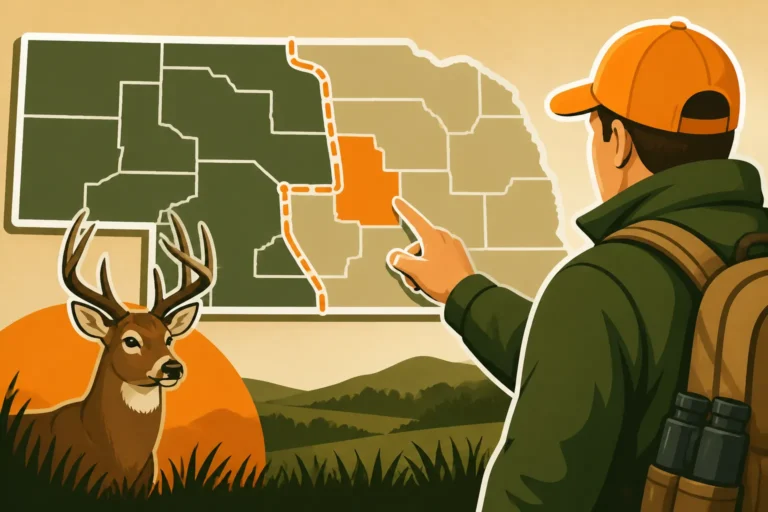
Finding quality hunting ground in Nebraska can feel like an uphill battle sometimes, especially if you don't have established private land connections or live in an area with abundant public ground. The constant worry about access, trying to decipher obscure maps, or simply running out of places to go is a real frustration for many hunters. This guide is all about demystifying Nebraska's Open Fields and Waters (OFW) program, a fantastic resource that helps open up hundreds of thousands of acres for us to pursue our passion.
Understanding Nebraska's Open Fields and Waters Program
Let's be honest, private land access is gold in Nebraska, but not everyone has it. The Open Fields and Waters program is a vital initiative designed to bridge that gap, creating more opportunities for public hunting and fishing across the state. It's essentially a partnership between the Nebraska Game and Parks Commission and private landowners who voluntarily open their properties for public recreation.
What is the OFW Program?
At its core, Open Fields and Waters isn't about the state buying land outright; it's about leasing access from private citizens. Think of it as a handshake agreement where landowners receive compensation for allowing public entry onto specified portions of their property. This arrangement benefits everyone: landowners get paid, wildlife agencies expand their conservation reach, and hunters like us get more places to roam. It's a testament to the collaborative spirit that can exist between private land stewardship and public recreational needs. The program aims to secure land for specific periods, ensuring that hunters have a consistent, if sometimes changing, roster of available properties each season. This flexibility allows the program to adapt to shifting wildlife populations and agricultural practices.
Evolution and Impact on Hunters
The OFW program has grown significantly since its inception, continually adding more acres and offering a wider variety of hunting experiences. For many years, hunters faced the daunting task of knocking on doors, hoping for permission, or being relegated to crowded public wildlife management areas. OFW changed that by formalizing access on a larger scale. It has transformed the landscape of public hunting in Nebraska, making areas that were once inaccessible suddenly open to those willing to do a little research and legwork. This has been particularly impactful in regions dominated by private agriculture, providing much-needed relief for hunters seeking deer, pheasants, and other game where traditional public land is scarce. It's not just about more acres; it's about diversifying the types of habitat we can hunt, from crop fields to dense river bottom timber.
Types of Land Enrolled
The beauty of OFW is its diversity. You'll find everything from sprawling rangeland in western Nebraska to prime pheasant and deer habitat in the eastern part of the state. Many tracts are enrolled specifically for upland birds like pheasants and quail, often consisting of CRP (Conservation Reserve Program) fields, grass waterways, or harvested crop fields. Other areas are perfect for deer, offering timbered creek bottoms, cedar draws, or shelterbelts between agricultural fields. Waterfowl hunters also benefit, with some tracts providing access to wetlands, sloughs, or river segments. This variety means that no matter what species you're targeting or what part of the state you're in, there's a good chance an OFW tract could fit your needs. It's a constantly evolving patchwork of habitat that keeps things interesting and offers new challenges every year.
How the Program Benefits Hunters
For many of us, the allure of hunting isn't just about the harvest; it's about the experience of being out in nature, the challenge of the chase, and the satisfaction of self-reliance. The OFW program directly enhances these aspects by opening doors that would otherwise remain closed.
Increased Access and Opportunities
This is perhaps the most significant benefit. The sheer volume of acres made available through Open Fields and Waters means more places for us to hunt without the headache of securing private landowner permission. I know firsthand the frustration of driving past prime habitat year after year, knowing it holds game but being unable to access it. OFW alleviates that. It provides crucial access points in regions where public land is a rarity, spreading out hunter pressure and offering diverse habitat types. Whether you're chasing ringnecks in a milo field or trying to intercept a whitetail buck moving along a creek, the increased opportunities are undeniable. It democratizes hunting, making it more accessible to those who don't have inherited land or extensive personal connections. This program truly levels the playing field for hunters who rely on public access.
Diverse Hunting Experiences
One of the great joys of hunting in Nebraska is the incredible variety of landscapes and species available. OFW tracts often represent a microcosm of this diversity. You might find yourself walking dense cattail sloughs for late-season roosters one weekend and then still-hunting a snow-covered river bottom for deer the next, all on OFW ground. This program opens up new types of experiences that might not be available on traditional WMAs, which often have a more uniform habitat design. For instance, many OFW lands are active agricultural fields or former farmsteads, providing unique challenges and opportunities that mimic hunting on private ground. This allows hunters to hone a wider range of skills and adapt to different environments, making for a more well-rounded and exciting hunting season.
Reduced Pressure on Other Public Lands
With more ground available, the pressure on Nebraska's established Wildlife Management Areas (WMAs) and other federal lands can be somewhat reduced. We've all experienced opening day crowds at popular public spots – the parking lot overflowing, hunters walking within sight of each other. While OFW tracts certainly get hunted, the distributed nature of the program, with smaller, dispersed parcels, often means less concentrated hunter pressure. This isn't to say you won't encounter other hunters on OFW, but it provides options to seek out less-trafficked areas. By spreading out hunting activity, OFW contributes to a better quality experience for everyone, allowing for more solitude and a more natural hunting environment. This can be especially important during peak seasons, when Nebraska Pheasant Opener Crowds can be a real challenge.
How to Find and Interpret OFW Tracts
Navigating the Open Fields and Waters program might seem a bit daunting at first, but with the right tools and a systematic approach, you'll be identifying promising spots in no time. It's all about knowing where to look and what to look for.
The Nebraska Public Access Atlas
Your absolute best friend when it comes to OFW is the Nebraska Public Access Atlas. This invaluable resource is published annually and is essentially the master key to all public and public-access hunting lands in the state, including every single OFW tract. You can get a physical copy, but honestly, the digital versions are where it's at for planning. The Atlas provides detailed maps, often aerial photography overlays, showing the boundaries of each tract, access points, and specific rules for that particular parcel. It's crucial to get the most current version, as OFW tracts can change from year to year; some are added, others are removed. I always make it a point to download the latest edition to my phone and tablet before the season kicks off. Reading the Nebraska Public Access Atlas is a skill every Nebraska hunter should master.
Leveraging Digital Mapping Tools
While the official Atlas is non-negotiable, modern mapping apps take your planning to the next level. Services like onX Hunt are indispensable for overlaying public land boundaries, including OFW tracts, onto detailed satellite imagery. This allows you to scout potential hunting spots right from your couch. You can identify potential bedding areas, travel corridors, water sources, and escape routes long before you ever set foot on the property. I use onX Hunt religiously to mark waypoints for parking, entry and exit routes, and potential stand or blind locations. This is particularly helpful on larger OFW tracts where Entry and Exit Routes on Flat Farm Ground can make or break a hunt. These digital tools also often show topographic lines, indicating elevation changes that might not be obvious on a flat map, which can be critical for understanding wind direction or deer movement patterns. Another excellent tool for comprehensive scouting and drawing data is GoHunt, which, while not directly mapping OFW, provides valuable insights into general unit success and harvest data that can inform your decisions on where to focus your OFW efforts.
Understanding the Signs on the Ground
When you finally get to an OFW tract, look for the distinctive white and green signs that clearly mark the boundaries and access points. These signs are your visual confirmation that you're on legitimate public access land. Pay close attention to any additional signage at the entrance, as some tracts might have specific rules beyond the general OFW guidelines, such as walk-in only restrictions or designated parking areas. If a property is enrolled in OFW, it will be signed. If you don't see the signs, double-check your map. Always err on the side of caution; if you're unsure if you're on an OFW parcel or private land, don't hunt it. Respecting property lines is paramount for maintaining good relations with landowners and ensuring the continued success of the program.
Rules and Regulations on OFW Lands
Hunting on Open Fields and Waters ground comes with specific responsibilities. While the aim is to provide access, it's not a free-for-all. Adhering to the rules is vital to ensure these opportunities continue for all of us.
General OFW Guidelines
Most OFW tracts operate under a set of general rules designed to protect the landowner's property and ensure a safe, ethical hunting environment. These often include restrictions on vehicle use (many tracts are walk-in only), prohibitions against littering, and strict adherence to specific hunting methods. You can't just drive across a farmer's field on an OFW tract unless explicitly permitted. Tree stands and ground blinds are generally allowed, but they must be temporary and removed daily on most tracts; you can't leave them up overnight or for the season. Always check the specific rules for each individual tract in the Public Access Atlas, as some may have variations. This attention to detail is critical. For instance, Blinds and Stands on Open Fields Ground often come with very clear guidelines about their use and removal.
Vehicle and Access Restrictions
The most common restriction you'll encounter on OFW tracts relates to vehicles. The vast majority are designated "walk-in only," meaning you must park your vehicle at a designated access point (often clearly marked with a parking sign) and proceed on foot. This is a critical rule to observe, as driving onto a farmer's field without permission can jeopardize the landowner's participation in the program. Some larger tracts, particularly those on rangeland, might have specific designated two-track roads for vehicle use, but these will always be clearly marked. Always assume walk-in only unless signs explicitly state otherwise. This helps maintain the integrity of the land and minimizes disturbance to wildlife, particularly during sensitive times like the rut or nesting season.
Temporary vs. Permanent Structures
As mentioned, stands and blinds are generally welcome, but the emphasis is on "temporary." You cannot build permanent structures, create food plots, or make modifications to the land. Any blind, stand, or decoy spread you bring in must be removed at the end of your hunting day. This ensures that the landowner's property remains undisturbed and that every hunter has an equal opportunity to utilize the available cover. While it might be a slight inconvenience to haul your gear in and out, it's a small price to pay for the access we gain. This rule also prevents any one hunter from monopolizing a prime spot, promoting fair chase and shared opportunity.
Respecting Landowners and Property
This cannot be stressed enough: when you're on an OFW tract, you're on private property. Treat it with the utmost respect. This means packing out everything you pack in, staying within the marked boundaries, and being mindful of any agricultural operations that might be ongoing. Remember, the landowner is doing us a favor by allowing access, and their continued participation depends on positive experiences. A bad encounter with one hunter can sour a landowner's entire view of the program, potentially leading them to withdraw their land. Always assume that the landowner or their representative might be watching, and conduct yourself as a true steward of the land. It’s important to remember that Nebraska's Posted-Land and Trespass Rules are still in effect for any land not enrolled or outside the boundaries.
Maximizing Your Success on OFW Ground
Hunting Open Fields and Waters tracts isn't just about showing up; it's about smart planning and adapting your tactics to the unique nature of these public-access lands. Success often hinges on doing your homework and being a bit more strategic.
Pre-Season Scouting and Research
The work starts long before opening day. As discussed, the Public Access Atlas is your primary resource, but don't stop there. Utilize aerial and topographic maps from tools like onX Hunt to identify key features such as pinch points, bedding cover, food sources, and travel corridors. Look for changes in vegetation, terrain breaks, and potential water sources. Pay attention to features that might funnel deer or hold pheasants, like shelterbelts, creek bends, or fence lines. Consider historical imagery if your mapping tool offers it, to see how fields or cover have changed over the years. This virtual scouting is crucial, especially if you can't physically visit the area before the season. For example, understanding Hunting a Shelterbelt Between Nebraska Fields requires careful study of the surrounding landscape.
Once the season approaches, if possible, drive by the tract (without trespassing, of course) to get a feel for the area, note potential parking spots, and observe any recent changes to crops or cover. Scouting Nebraska Public Ground Before Opening Day is a discipline that pays dividends. Look for common entry points that other hunters might use and consider alternative, less obvious approaches to avoid crowds. The more you know about the specific tract, the better equipped you'll be to make informed decisions when you're actually hunting.
Adapting Hunting Tactics
OFW tracts are often different from expansive national forest lands or large WMAs. They can be smaller, more fragmented, and more influenced by surrounding private agricultural practices. This means your hunting tactics need to be adaptable.
-
For Deer: Focus on transition zones between cover and food. Deer will often use the edges of OFW tracts to move between private bedding areas and feeding grounds. Small timbered draws, plum thickets, or standing corn can be excellent spots. Be prepared for deer that are highly pressured and might move primarily at dawn, dusk, or even throughout the night. Ground blinds are often more practical than treestands in areas with limited suitable trees, and they offer better concealment in open country. Consider tactics like Grunt Calls in Thick River Timber if you find yourself in a heavily wooded OFW area.
-
For Upland Birds: Walking is key. Pheasants and quail will stick to dense cover, especially later in the season. Concentrate your efforts on areas with good escape cover, like cattail sloughs, thick grass, or unharvested patches of weeds. If hunting with a dog, be mindful of property lines and ensure your dog is well-controlled. Consider coordinating with a buddy to block the ends of fields, effectively driving birds toward a waiting gun. Walking Milo and Corn Stubble for Pheasants is a classic tactic that works well on many OFW fields.
-
For Waterfowl: Identify wetlands or sloughs that ducks and geese are actively using. Setting out a spread of decoys, often combined with a layout blind in a cut cornfield, can be highly effective. Pay attention to typical flight patterns and wind direction. Early morning hunts are often best, as birds will be moving from roosts to feed.
Gear Considerations for OFW
Your gear choices can significantly impact your success and comfort on OFW lands.
- Footwear: Expect to do a lot of walking, often through varied terrain. Comfortable, sturdy boots are a must. Waterproof boots are essential for crossing wet fields or sloughs. Boots for Walking Nebraska Grass and Sand are critical if you're venturing into those drier, more abrasive environments.
- Optics: Binoculars are indispensable, especially for scanning open fields for pheasants or spotting deer at a distance before you commit to a stalk. A rangefinder is also highly recommended, particularly for rifle hunting on the open plains where distances can be deceiving. Rangefinders in Open Nebraska Country can help you confirm those long shots.
- Clothing: Layering is key for Nebraska's unpredictable weather. Wind-blocking outer layers are crucial, as the plains wind can be relentless. Blaze orange is often required during firearm seasons, so ensure you meet the Nebraska Blaze Orange Square Inches rule.
- Mapping Device: A reliable GPS unit or a fully charged smartphone with a mapping app (like onX Hunt) is absolutely non-negotiable for navigating boundaries and finding your way back to your vehicle, especially on larger, unfamiliar tracts.
The Role of Landowners in OFW
The Open Fields and Waters program exists because of the generosity and cooperation of private landowners. Understanding their perspective is crucial for the program's long-term success.
Why Landowners Participate
There are several reasons why a landowner might choose to enroll their property in OFW. For many, it's a way to generate a little extra income, helping to offset property taxes or other expenses associated with land ownership. For others, it's about giving back to the hunting community and supporting wildlife conservation. Some landowners might have properties that are difficult to manage for hunting themselves but still want to see their land contribute to recreational opportunities. The compensation they receive can be a significant incentive, providing direct financial support for habitat work or simply contributing to their farm's bottom line. The program is designed to be mutually beneficial, offering attractive incentives for participation.
Respecting Their Trust and Property
When a landowner opens their gates to the public through OFW, they are extending a significant amount of trust. They are trusting hunters to be responsible, to respect their property, and to abide by all rules and regulations. This trust is the bedrock of the entire program. Any instances of littering, property damage, disrespect, or trespassing outside of designated areas can quickly erode that trust and lead to landowners withdrawing their participation. It's a simple equation: the more respectful and responsible we are as hunters, the more likely landowners are to continue enrolling their land, and the more likely new landowners are to join. Our actions directly impact the future availability of these vital public access opportunities.
Maintaining Good Relations
While direct interaction with landowners on OFW tracts isn't always common, maintaining good relations is still our collective responsibility. This means leaving no trace, reporting any issues you observe (like illegal activity or damage) to Nebraska Game and Parks, and simply being a good steward of the land. Remember, these landowners are partners in conservation, and their willingness to participate is a gift to the hunting community. We must demonstrate that we are worthy of that gift by treating their property as if it were our own, or even better. Every hunter's actions contribute to the reputation of all hunters, and on OFW ground, that reputation can make or break future access.
Common Challenges and How to Overcome Them on OFW
Even with the fantastic opportunities OFW provides, it's not without its challenges. Being aware of these and having strategies to overcome them will make your hunts more enjoyable and successful.
Hunter Pressure and Competition
Let's face it: good public hunting ground, even OFW, will attract hunters. Especially during peak seasons like the opening weekend of pheasant season or the rifle deer season, you're likely to encounter other people. The key is to be prepared for this and to have a strategy.
- Early Bird Gets the Worm: Arriving before dawn is often your best bet, especially for popular tracts. This allows you to get to your desired spot before others and minimizes disturbance.
- Go Deeper: Many hunters stick close to parking areas. Be willing to walk further into a tract than others. Often, the best hunting is found a half-mile or more from the road. How Far to Walk From the Parking Area can be a crucial decision.
- Hunt Mid-Week: If your schedule allows, hunting on weekdays can significantly reduce pressure compared to weekends.
- Focus on Overlooked Cover: Don't just hunt the obvious spots. Look for small, isolated pockets of cover, thickets, or difficult-to-reach areas that other hunters might bypass. Deer and pheasants will often seek refuge in these less disturbed spots.
Changing Conditions and Tract Availability
OFW tracts can change yearly. Some properties might be enrolled for a season or two, then pulled from the program. Crop rotations, weather patterns, and land management practices can also alter the quality of habitat on a specific tract from one year to the next.
- Stay Updated: Always check the most current Public Access Atlas or the online map before heading out. Don't rely on last year's information. Whether Open Fields Tracts Change Yearly is a common question, and the answer is yes, they can.
- Be Flexible: Have backup plans. If your primary OFW target looks over-pressured or the habitat has changed drastically, have a secondary or tertiary option in mind.
- Scout Continually: If you visit a tract and find the cover isn't what you expected, make a mental note or mark it on your map. This helps you refine your knowledge of available resources for future hunts.
Navigating Unfamiliar Terrain
Many OFW tracts might be in areas you've never hunted before. This unfamiliarity can be a challenge, but it's also part of the adventure.
- Map, Map, Map: Before you go, thoroughly study your maps, both the Atlas and digital overlays. Understand the layout, boundaries, and any potential hazards.
- Walk Confidently: Once on the ground, walk purposefully. Pay attention to landmarks. If using a GPS or phone app, keep an eye on your location relative to boundaries. Knowing Nebraska Deer Unit Boundary Changes is important, as some OFW tracts can span multiple units or be near their borders.
- Safety First: Especially in thick cover or rugged terrain, tell someone where you're going and when you expect to return. Carry a whistle and a basic first-aid kit. Consider First Aid Kits for Remote Nebraska Ground as a standard part of your packing list.
Comparing OFW to Other Public Access Options
Nebraska offers several avenues for public hunting, and Open Fields and Waters is a critical component, but it's not the only one. Understanding how it stacks up against other options can help you plan your hunts effectively.
OFW vs. Wildlife Management Areas (WMAs)
Nebraska's Wildlife Management Areas are state-owned lands specifically managed for wildlife habitat and public recreation. They are permanent fixtures on the landscape, often larger, and typically have more consistent habitat over time.
| Feature | Open Fields and Waters (OFW) | Wildlife Management Areas (WMAs) |
|---|---|---|
| Ownership | Private land, public access granted via lease | State-owned public land |
| Permanence | Tracts can change annually; program is ongoing | Permanent, stable land base |
| Size & Dispersion | Often smaller, dispersed tracts; wider geographic spread | Typically larger, more consolidated areas; specific locations |
| Habitat | Varies greatly based on landowner; often agricultural interface | Managed specifically for wildlife; diverse, consistent habitats |
| Rules | General OFW rules + specific tract rules (check Atlas) | Established WMA rules (e.g., Nebraska WMA Shooting Hour Restrictions), consistent |
| Hunter Pressure | Can be high near access, but spread out overall | Often concentrated in popular areas, especially on opening day |
| Amenities | Limited; usually just parking areas | May have designated parking, trails, sometimes restrooms |
| Key Advantage | Provides access where traditional public land is scarce | Reliable, consistent habitat and access |
WMAs offer a predictable hunting experience with established infrastructure. OFW, on the other hand, provides more flexibility and often fills gaps in public access within heavily agricultural or privately owned regions.
OFW vs. Federal Lands (National Forests/Grasslands)
Nebraska also has federal lands, such as the Nebraska National Forests and the Oglala National Grassland. These are typically vast, open landscapes, especially in the western part of the state.
- Scale: Federal lands are generally much larger than most OFW tracts, offering expansive areas for wilderness-style hunting. Oglala National Grassland Acreage is immense, for example.
- Terrain: Federal lands often feature more rugged, uncultivated terrain, such as the Sandhills or the Pine Ridge. OFW, while diverse, often includes more cultivated or managed agricultural landscapes.
- Species Focus: Federal lands are prime for species like mule deer, antelope, and prairie grouse, which thrive in open country. OFW, particularly in eastern and central Nebraska, often offers more opportunities for whitetails and pheasants.
- Regulations: Federal lands operate under federal regulations in addition to state hunting laws. OFW adheres strictly to state regulations and program-specific rules.
OFW vs. Private Land with Permission
The traditional approach to hunting private land is to seek direct permission from landowners.
- Direct Interaction: Securing private permission involves direct communication and building relationships with landowners. OFW bypasses this step for the hunter, as the state manages the agreement.
- Exclusivity: If you gain private permission, you often have exclusive access or share it with a limited group, reducing competition. OFW is public access, meaning you share it with any other hunter following the rules.
- Flexibility: Private permission might allow for more flexibility in terms of stands, blinds, or even scouting, depending on the landowner's specific terms. OFW maintains stricter, standardized rules for temporary structures and access.
In essence, OFW offers a valuable middle ground, providing public access to private lands without the need for individual door-knocking, making it an indispensable tool for every Nebraska hunter's arsenal.
Disclaimer
This article is for general informational purposes only and does not constitute professional advice. Laws, prices and regulations vary by location and change over time. Consult a qualified professional for guidance on your specific situation.