Wetland Loss in the Rainwater Basin
For those of us who cherish Nebraska's wild spaces and the incredible hunting opportunities they provide, the ongoing loss of wetlands in the Rainwater Basin is a truly heartbreaking and frustrating reality. This region, a vital stopover for millions of migrating waterfowl, faces constant threats, impacting not just the birds but also the hunters who pursue them. This guide will delve into the historical significance of the Rainwater Basin, examine the pressures leading to wetland loss, explore the profound consequences for hunting and wildlife, and highlight the crucial conservation efforts underway to protect what remains.
The Rainwater Basin: A Critical Hub for Migratory Birds
The Rainwater Basin in south-central Nebraska isn't just another patch of land; it's an ecological marvel, a patchwork of shallow, temporary wetlands that are absolutely indispensable for migratory birds traveling the Central Flyway. Imagine millions of ducks, geese, and shorebirds, exhausted from their long journey, finding refuge and sustenance in these life-giving waters. It's a spectacle that defines Nebraska's wild heart for many of us.
What Makes the Basin Unique?
The unique geology and hydrology of the Rainwater Basin are what set it apart. This area is characterized by thousands of shallow, naturally occurring depressions or "basins" that fill with rainwater and snowmelt. Unlike river systems, these wetlands are mostly isolated, relying solely on precipitation. The soils underneath are often clay-rich, preventing water from quickly seeping away, allowing these temporary wetlands to persist for weeks or even months. Historically, these basins would range in size from tiny puddles to expansive sheets of water covering hundreds of acres. This dynamic wet-dry cycle is incredibly important for the plant and invertebrate life that forms the base of the food chain for migrating birds. The abundance of moist-soil plants, seeds, and aquatic invertebrates provides a high-energy diet essential for birds to refuel before continuing their epic journeys.
Its Role in the Central Flyway
When you talk about the Central Flyway, the Rainwater Basin is practically synonymous with it. It serves as one of the most critical staging areas for waterfowl in North America. We're talking about roughly 90% of the continental population of white-fronted geese and half of the mallards, pintails, and other dabbling ducks using this flyway. These birds funnel into the basin during both spring and fall migrations, sometimes totaling millions of individuals. It's not an exaggeration to say that without the Rainwater Basin, the health of these waterfowl populations would be in severe jeopardy. Hunters from all over the country understand the profound importance of this region; it's a place where you can witness the sheer scale of migration firsthand, a truly humbling experience. This makes discussions about Rainwater Basin Waterfowl Numbers and Why the Rainwater Basin Matters to Ducks so critical for understanding the bigger picture.
The Troubling Trend of Wetland Loss in Nebraska's Rainwater Basin
It's a tough pill to swallow, but the Rainwater Basin we see today is a mere shadow of its former self. Generations of land use practices have dramatically altered this vital ecosystem, leading to a relentless and heartbreaking loss of these critical wetlands. For those of us who've hunted here for decades, the changes are stark and undeniable.
Historical Perspective: What We've Lost
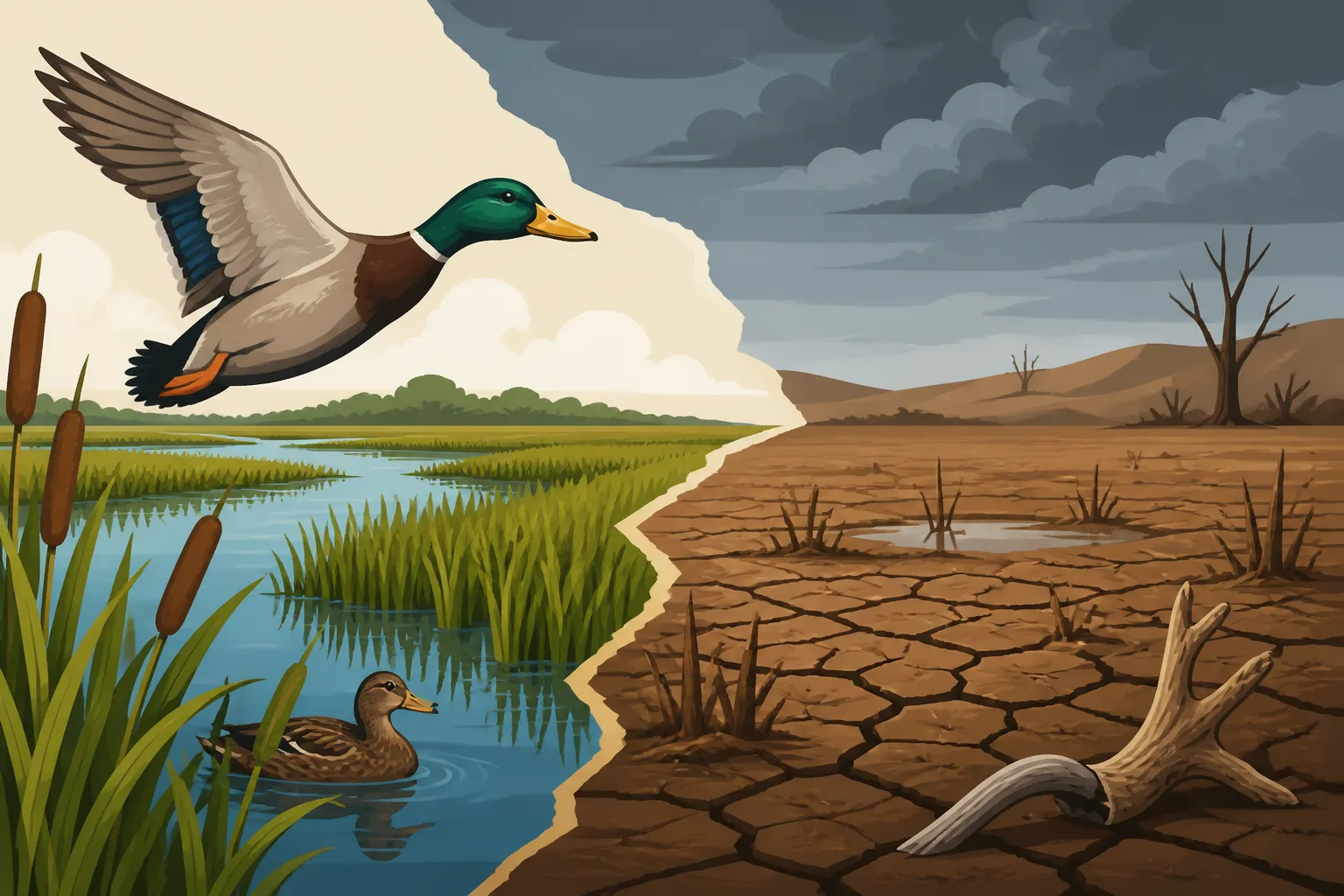
In its original state, the Rainwater Basin was a vast mosaic of wetlands, covering an estimated 200,000 to 400,000 acres, depending on rainfall and snowmelt. Imagine that – an almost endless expanse of shallow water, teeming with life. However, with European settlement and the rise of intensive agriculture, these wetlands were seen more as an impediment than an asset. Farmers needed flat, tillable land for crops, and wetlands often got in the way. Drainage tiles were laid, ditches were dug, and basins were filled to convert these wet areas into productive farmland. The result has been catastrophic. Estimates suggest that somewhere in the range of 90% or more of the original wetland acreage has been lost or severely degraded. This isn't just about losing a puddle; it's about erasing entire ecosystems. The sheer scale of this transformation means that what was once a sprawling, interconnected network is now fragmented into scattered, often isolated, remnants. This historical context is vital when considering current efforts like Duck Production in the Rainwater Basin and how much ground we're trying to reclaim.
Modern Challenges and Ongoing Pressures
Even with increased awareness and conservation efforts, the remaining wetlands in the Rainwater Basin still face immense pressure. Agricultural practices continue to evolve, and the economic incentives to maximize crop yields often clash with wetland preservation. Modern machinery makes it easier than ever to farm marginal lands, further encroaching on existing basin edges. Beyond agriculture, changing weather patterns and water management practices add another layer of complexity. Drought cycles can reduce the frequency and duration of wetland inundation, while altered hydrology from surrounding land use can affect water quality and nutrient loads. Development, though less widespread than agricultural conversion, also plays a role, with infrastructure projects sometimes impacting critical wetland corridors. The battle to preserve and restore these vital habitats is a constant uphill climb, requiring vigilance and dedicated resources.
Impacts of Wetland Loss on Nebraska Hunting and Wildlife
The decline in wetland acreage in the Rainwater Basin isn't just an abstract ecological concern; it has tangible, often devastating, consequences for Nebraska's wildlife populations and, by extension, for the hunting traditions many of us hold so dear. When the habitat shrinks, everything else feels the pinch.
Diminished Waterfowl Opportunities
For waterfowl hunters, the impact of wetland loss is perhaps the most obvious and deeply felt. Fewer wetlands mean fewer places for ducks like Mallard Numbers on the Platte River and geese, including White-Fronted Geese in the Rainwater Basin, to rest and feed. This translates directly into reduced bird numbers in specific areas, pushing them into smaller, more concentrated pockets of remaining habitat. This concentration can lead to increased competition among birds, making them more susceptible to disease outbreaks. For hunters, it means fewer birds, more pressure on the remaining public access points, and often, more challenging hunting conditions. What was once an abundant landscape where finding birds felt almost effortless now requires extensive scouting, strategic planning, and often, a bit of luck. The glory days of widespread, unpressured hunting are largely a thing of the past in many parts of the basin.
Broader Ecological Consequences
The repercussions of wetland loss extend far beyond just waterfowl. These basins are critical ecosystems that support a diverse array of other wildlife. Shorebirds, wading birds, and various raptors rely on the food sources and cover these wetlands provide. Amphibians, reptiles, and numerous invertebrate species also call these temporary pools home. When the wetlands disappear, these species lose vital breeding grounds, feeding areas, and shelter. Furthermore, wetlands act as natural filters, improving water quality by trapping sediment and absorbing excess nutrients before they enter larger water systems. They also play a role in flood control, absorbing large volumes of water during heavy rains. Losing these functions can lead to poorer water quality downstream, increased flooding risks, and a general decline in overall biodiversity across the landscape. It's a domino effect, where the loss of one component impacts the entire ecological fabric. This interconnectedness highlights why we need to pay attention to issues like Avian Influenza in Prairie Waterfowl and how habitat degradation can exacerbate such problems.
Hunter Frustration and the Search for Access
The shrinking and fragmentation of wetland habitat has created immense frustration for hunters. What once might have been a relatively easy-to-access area may now be completely gone, or what remains is surrounded by private land with no public access. This leaves hunters constantly searching for viable locations, poring over maps, and trying to decipher where the birds might be concentrated on any given day. The pressure on existing public lands, like those available through Rainwater Basin Wetland Access points, often intensifies, leading to crowded conditions and diminished quality hunts.
This is where modern tools become incredibly valuable. Using platforms like GoHunt, hunters can often identify remaining wetland features, understand property boundaries, and locate public access points with greater efficiency. While no app can bring back lost habitat, these resources can help hunters make the most of what's still available, allowing them to scout smarter and approach their hunts with a clearer understanding of the landscape. It’s about leveraging technology to adapt to a challenging reality. Without these tools, finding unpressured ground for Decoy Spreads for Rainwater Basin Geese or simply setting up for ducks becomes a guessing game.
Efforts to Restore and Conserve the Rainwater Basin Wetlands
Despite the daunting challenges and the extensive losses, there is still hope for the Rainwater Basin. Dedicated individuals, passionate organizations, and various government agencies are working tirelessly to reverse the trend of wetland loss, restore degraded habitats, and ensure the future of this irreplaceable ecosystem for both wildlife and future generations of hunters.
Conservation Programs and Partnerships
The effort to save the Rainwater Basin is a truly collaborative one. Organizations like Ducks Unlimited, The Nature Conservancy, and local conservation groups are active partners, often acquiring and restoring critical wetland parcels. These groups work alongside state agencies, such as the Nebraska Game and Parks Commission, and federal partners like the U.S. Fish and Wildlife Service, which manages several National Wildlife Refuges and Waterfowl Production Areas within the basin. These programs often involve complex hydrological engineering to restore water flow, re-establishing native vegetation, and implementing land management practices that mimic the historical wet-dry cycles. Farmers are also critical partners, often participating in programs that provide incentives for wetland restoration or for placing marginal agricultural lands into conservation easements, ensuring these lands won't be drained again. This comprehensive approach is essential for any chance of success.
The Role of Hunters in Conservation
It cannot be overstated: hunters are often the unsung heroes of conservation, and their role in the Rainwater Basin is no exception. A significant portion of funding for wetland restoration and wildlife management comes directly from hunting license sales, waterfowl stamps (both state and federal), and excise taxes on hunting equipment through programs like the Pittman-Robertson Act. Every time a hunter buys a license or a box of shells, they are directly contributing to the conservation of habitats like those in the Rainwater Basin. Beyond financial contributions, hunters are often the most vocal advocates for wetland protection, volunteering their time for habitat projects, educating others about the importance of these ecosystems, and pushing for policies that prioritize wildlife and wild spaces. Without the persistent support and financial backing of the hunting community, many of the restoration projects we see today simply wouldn't exist. Understanding programs like Nebraska Waterfowl Seasons and Zones is part of being an informed hunter and conservationist.
Looking to the Future: Hope and Ongoing Work
While the scale of historical wetland loss is immense, the ongoing efforts offer a beacon of hope. Every acre restored, every basin protected, and every landowner partnership formed is a victory for the Rainwater Basin. The focus now is not only on acquiring new lands but also on improving the health and functionality of existing wetlands, ensuring they can provide the maximum benefit to migrating birds. There's also a strong emphasis on education and outreach, fostering a greater understanding of the basin's ecological importance among both rural and urban communities. The work is never truly done, as environmental conditions change and new challenges emerge, but the dedication of conservationists and hunters ensures that the fight to preserve and enhance Nebraska's Rainwater Basin will continue for generations to come.
| Aspect | Historical State (Pre-Settlement) | Current State (Approximate) | Conservation Goal |
|---|---|---|---|
| Acreage | ~200,000 – 400,000 acres | ~10-20% of original acreage | Increase functional acreage |
| Connectivity | Highly interconnected, vast network | Fragmented, isolated basins | Restore connectivity where possible |
| Hydrology | Natural wet-dry cycles, precipitation-fed | Altered by drainage, tiling | Re-establish natural water regimes |
| Vegetation | Diverse moist-soil plants, native grasses | Dominated by crops, invasive species | Replant native species |
| Wildlife Support | Critical for millions of waterfowl & diverse wildlife | Still vital, but under immense pressure | Maximize capacity for migratory birds and local wildlife |
| Hunting Quality | Abundant, widespread opportunities | Concentrated, pressured, limited access | Enhance quality and accessibility of hunting |
Disclaimer
This article is for general informational purposes only and does not constitute professional advice. Laws, prices and regulations vary by location and change over time. Consult a qualified professional for guidance on your specific situation.