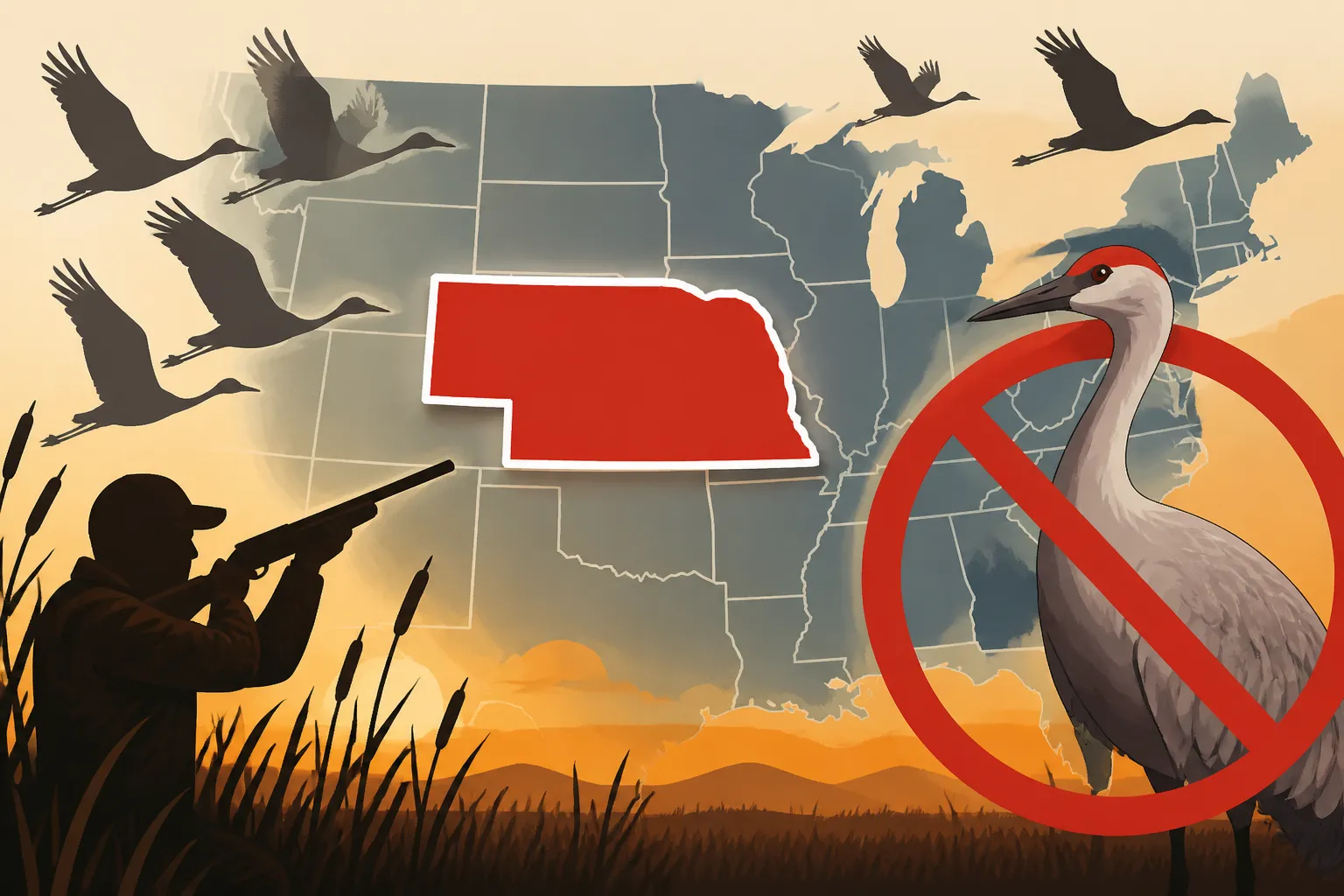
Nebraska Is the Only Flyway State Without a Crane Season
It's a perplexing reality for many hunters and even non-hunters across the country: Nebraska, a state renowned for its incredible wildlife and prime position in the Central Flyway, stands alone among its neighbors in one particular aspect – it's the only flyway state that doesn't offer a hunting season for Sandhill Cranes. If you've ever witnessed the awe-inspiring spectacle of hundreds of thousands of cranes descending upon the Platte River, you might wonder why such a seemingly abundant game bird remains off-limits here. This guide will delve deep into the multifaceted reasons behind Nebraska's unique stance, exploring the history, economic impacts, and public sentiment that shape this significant conservation decision.
The Uniqueness of Nebraska's Crane Situation
When you talk about Sandhill Cranes, especially within the context of the Central Flyway, Nebraska immediately comes to mind. But unlike other states along this crucial migration path, Nebraska has charted a different course for managing these majestic birds. It's a decision rooted in more than just wildlife biology; it's steeped in culture, economics, and a particular vision for how this natural wonder should be experienced.
A Critical Migration Hub, Not a Hunting Ground
The Platte River in Nebraska isn't just another stop for Sandhill Cranes; it's the essential stopover on their arduous journey. Each spring, an estimated 80% of the world's Sandhill Crane population, sometimes numbering over half a million birds, converges on a relatively narrow stretch of the Platte River valley. They fuel up on waste grain from cornfields and roost in the shallow, braided channels of the river, gaining the energy needed to complete their migration to northern breeding grounds. This concentration is unparalleled, creating one of the greatest wildlife spectacles on the planet.
For generations, Nebraskans have observed this annual phenomenon, and it has become deeply ingrained in the state's identity. The sheer numbers are staggering, a living, breathing testament to the power of nature. When you stand on the banks of the Platte River at dawn or dusk, listening to the cacophony of their calls, it's easy to understand why many view this place not as a hunting ground, but as a sanctuary. The focus here has always been on preservation and appreciation of this unique gathering. You can learn more about this incredible natural event in When Sandhill Cranes Arrive in Nebraska.
Different Management Philosophies Across the Flyway
Contrast Nebraska's approach with that of other states in the Central Flyway, and the differences become stark. States like Texas, Oklahoma, Kansas, and North Dakota all have established Sandhill Crane hunting seasons. For these states, crane hunting is viewed as a legitimate recreational activity and a tool for wildlife management, similar to other migratory birds. The revenue generated from permits, along with federal excise taxes on hunting equipment, directly funds conservation efforts, including habitat acquisition and research.
In these states, wildlife agencies, often in conjunction with federal guidelines, set harvest quotas based on population assessments to ensure sustainable hunting. Hunters actively participate, adding another layer of stakeholder involvement in conservation. The traditional understanding in many parts of the country is that regulated hunting, when done responsibly, is a vital component of wildlife management, helping to control populations and provide financial resources for the very species being hunted. This model works well for many species and has proven sustainable for Sandhill Cranes in other flyway states. Nebraska, however, chose a different path for its segment of the flyway.
The Core Reasons Behind the Lack of a Hunting Season
The decision to forgo a Sandhill Crane hunting season in Nebraska is not arbitrary. It's the result of deeply held beliefs, significant economic realities, and a public sentiment that has been cultivated over decades. These factors combine to create a unique conservation and tourism landscape that makes the introduction of hunting highly contentious.
Powerful Tourism and Economic Impact of Crane Viewing
Perhaps the most significant reason Nebraska lacks a crane hunting season is the colossal economic engine built around crane viewing. Every spring, tens of thousands of birdwatchers, photographers, and nature enthusiasts from around the globe flock to the Platte River valley. Towns like Kearney and Grand Island transform into bustling hubs, with hotels, restaurants, and local businesses experiencing a massive influx of visitors. Organizations like the Rowe Sanctuary and Audubon's Lillian Annette Rowe Sanctuary offer guided tours and viewing blinds, creating a world-class ecotourism experience.
This influx generates millions of dollars in revenue annually for the state. Unlike hunting, where revenue comes from permit sales, crane viewing draws a much broader, and often international, audience. The economic argument against a hunting season is powerful: why risk alienating this established and lucrative tourism industry for a hunting season that, while providing some revenue, might not compare to the existing economic impact? The perception that hunting could detract from the "natural spectacle" that draws tourists is a major deterrent. You can delve into this further in What Crane Tourism Is Worth to Nebraska.
Strong Public Sentiment Against Hunting
Beyond the economic considerations, there's a powerful current of public sentiment in Nebraska that views the Sandhill Cranes as a protected icon. For many, these birds represent the wild heart of the state, and the spring migration is a source of immense pride. Over the years, organizations and individuals have fostered an image of the Platte River as a sanctuary for these birds, a place where they can rest undisturbed before continuing their journey. Introducing a hunting season would, for many, violate this established understanding and emotional connection.
Advocacy groups, both local and national, have historically voiced strong opposition to any proposals for a crane hunting season. They often highlight the intrinsic value of the cranes as a natural wonder and express concerns about potential negative impacts on the viewing experience, such as disturbing birds or creating an environment less welcoming to birdwatchers. Balancing the desires of hunters for new opportunities with the deeply rooted sentiments of the non-hunting public, and the economic stakeholders in ecotourism, presents a significant challenge for wildlife managers.
Conservation Concerns and Population Management
While the current Sandhill Crane population is robust and healthy across the Central Flyway, historical conservation concerns have played a role in Nebraska's approach. In the past, various crane species faced threats, and efforts were made to ensure their recovery. While the Lesser Sandhill Crane, which makes up the vast majority of the Platte River migration, is not currently endangered, the conservation ethic established during past recovery periods has persisted.
For many, maintaining the Platte River as an undisturbed haven reinforces a strong conservation message, focusing on preserving critical habitat and ensuring the unimpeded success of this massive migration. The Nebraska Game and Parks Commission, like other wildlife agencies, is tasked with the stewardship of the state's natural resources. While hunting is typically a key component of that stewardship for many species, the unique circumstances surrounding the Sandhill Cranes in Nebraska have led to a different management philosophy, one that emphasizes non-consumptive uses and views the entire migration corridor as a critical, undisturbed ecological asset. You can read more about broad waterfowl management in Waterfowl of the Central Flyway in Nebraska.
Exploring the Arguments For and Against a Nebraska Crane Season
The debate over a Sandhill Crane hunting season in Nebraska isn't one-sided, and legitimate arguments exist on both fronts. Understanding these perspectives is crucial to grasping why the state has maintained its unique position.
Arguments in Favor: Wildlife Management and Hunter Opportunity
Many hunters and wildlife managers argue that a regulated Sandhill Crane season in Nebraska is not only biologically sound but also a missed opportunity for conservation funding and recreational access. They point to the thriving populations and successful hunting seasons in neighboring states as proof that sustainable hunting can coexist with healthy crane numbers. The argument is often framed in terms of established wildlife management principles: if a species can sustain a harvest, and there's demand for that harvest, then a season should be considered.
Furthermore, hunters contribute significantly to conservation through permit fees, federal duck stamps, and excise taxes on hunting gear. This funding supports habitat projects, research, and enforcement that benefit all wildlife, including cranes. Proponents argue that introducing a crane season would unlock a new revenue stream for Nebraska's wildlife management efforts and provide an exciting new challenge for the state's dedicated hunters, both resident and nonresident. Hunters often look to states like Kansas and Texas, where they can pursue these birds, and wonder why Nebraska with its vast numbers remains an exception. Many hunters using tools like GoHunt to research hunting opportunities elsewhere might feel a specific gap for Nebraska when it comes to cranes.
Arguments Against: Economic Risk and Ethical Considerations
On the other side of the fence, the arguments against a hunting season are equally compelling, particularly concerning the economic landscape and prevailing ethical views. The multi-million dollar crane viewing industry is a tangible, proven economic benefit. There's a genuine fear that introducing hunting could jeopardize this by creating a perception of the Platte River as less of a sanctuary, potentially deterring birdwatchers and conservation tourists. The optics of hunting alongside a globally renowned birdwatching event are concerning to many, and the risk of negative publicity or even boycotts from conservation groups is a powerful deterrent.
Beyond economics, many feel there's an ethical component to maintaining the status quo. For them, the sheer concentration and awe-inspiring nature of the crane migration elevate these birds to a special status. They believe that some species, especially in such critical, concentrated habitats, should be revered for their natural spectacle rather than pursued as game. This perspective often aligns with broader non-consumptive wildlife ethics that prioritize observation and appreciation over hunting. The fear is that a hunting season would fundamentally alter the "sacred" nature of the Platte River crane experience.
The Regulatory Landscape and Decision-Making Process
Any decision to implement a hunting season in Nebraska rests with the Nebraska Game and Parks Commission (NGPC), but it's not a decision made in isolation. It involves extensive biological research, public input, and adherence to federal migratory bird regulations established by the U.S. Fish and Wildlife Service. While the NGPC manages state-level permits and seasons, changes to migratory bird hunting rules often require federal approval and fall within broader Central Flyway management plans.
The process of proposing a new hunting season is typically lengthy and involves public hearings, scientific reviews, and often legislative discussion. In the case of Sandhill Cranes, the social and political hurdles are immense. Given the strong, entrenched public sentiment and the significant economic interests tied to ecotourism, any proposal to introduce a crane season would face substantial opposition and require a monumental shift in public and political will. It's a testament to the power of these combined forces that Nebraska has maintained its unique position for so long. For general information on permit acquisition, check out Nebraska Big Game Permits and How to Get One.
Looking Ahead: The Future of Crane Management in Nebraska
While the current stance on Sandhill Crane hunting in Nebraska seems firmly established, wildlife management is a dynamic field. Continuous monitoring, evolving public perspectives, and new ecological data could theoretically prompt future discussions.
Ongoing Dialogue and Shifting Perspectives
The debate over crane hunting in Nebraska is not entirely dormant. From time to time, discussions resurface among hunting groups or within wildlife management circles. As populations continue to thrive and hunting pressure increases in neighboring states, the argument for a Nebraska season may become more vocal. However, the opposition remains strong and well-organized. The future will likely see a continuation of this delicate balancing act between different stakeholder interests.
Wildlife agencies constantly monitor population trends, habitat conditions, and public opinion. If, for instance, crane populations were to grow to a point where they caused significant agricultural damage, or if the economic landscape of ecotourism were to dramatically shift, new conversations might emerge. But for now, the established conservation and economic model for Sandhill Cranes in Nebraska holds firm. It's a continuous process of weighing biological sustainability against social values and economic realities, a task that often relies on careful deliberation and public engagement. For those interested in how these populations are tracked, How Game and Parks Counts Wildlife provides insight.
What Hunters and Birdwatchers Can Do
Regardless of whether a crane season ever materializes in Nebraska, both hunters and birdwatchers share a common interest in healthy wildlife populations and robust habitats. Engaging in constructive dialogue, supporting conservation initiatives, and educating oneself on wildlife management principles are vital actions. For hunters, this might mean continuing to advocate for opportunities while respecting the state's unique approach, and actively supporting habitat conservation through organizations that focus on wetlands and grasslands, benefiting not only cranes but also waterfowl and upland birds. Nebraska Habitat Stamp and Hunter Education explains the requirements for hunters that directly fund these efforts.
Birdwatchers, too, play a crucial role by continuing to support the ecotourism industry, participating in citizen science, and advocating for the protection of crucial habitats like the Platte River corridor. Resources like the Nebraska Public Access Atlas, and planning tools like those found on GoHunt, can help individuals explore various hunting and viewing opportunities within the state, offering detailed insights into other species and locations. By focusing on shared conservation goals, all outdoor enthusiasts can contribute to the long-term health and enjoyment of Nebraska's incredible natural heritage.
Here’s a comparison of Nebraska's Sandhill Crane approach with that of other Central Flyway states:
| Feature | Nebraska | Other Central Flyway States (e.g., KS, TX, OK) |
|---|---|---|
| Hunting Season | No Sandhill Crane hunting season | Established Sandhill Crane hunting seasons |
| Primary Economic Driver | Crane viewing tourism (millions of dollars) | Hunting permits, general outdoor recreation |
| Perceived Role of Cranes | Iconic natural spectacle, sanctuary | Game bird, managed through regulated harvest |
| Management Focus | Non-consumptive use, habitat preservation | Sustainable harvest, population control |
| Public Sentiment | Strong opposition to hunting | Acceptance of regulated hunting |
Disclaimer
This article is for general informational purposes only and does not constitute professional advice. Laws, prices and regulations vary by location and change over time. Consult a qualified professional for guidance on your specific situation.