Bighorn Pneumonia in Nebraska Herds
There's a quiet but deeply concerning threat lurking within the stunning, rugged landscapes of western Nebraska, particularly for one of our most iconic and hard-won big game animals: the bighorn sheep. If you've ever dreamt of seeing these magnificent rams high on a windswept ridge, or if you're one of the fortunate few to draw a tag, the reality of diseases like pneumonia can be heartbreaking. This guide is here to shed light on the challenges facing Nebraska's bighorn herds, specifically the devastating impact of pneumonia, and what it means for conservation and hunting in our state.
Understanding Bighorn Pneumonia: A Silent Killer
For anyone passionate about wildlife, especially those of us who appreciate the sheer tenacity of a bighorn sheep, hearing about disease outbreaks can be incredibly frustrating. We put so much effort into conservation, and then something as insidious as pneumonia can come in and wipe out years of hard work. It's a tough pill to swallow, but understanding this threat is the first step toward addressing it.
What is Bighorn Pneumonia?
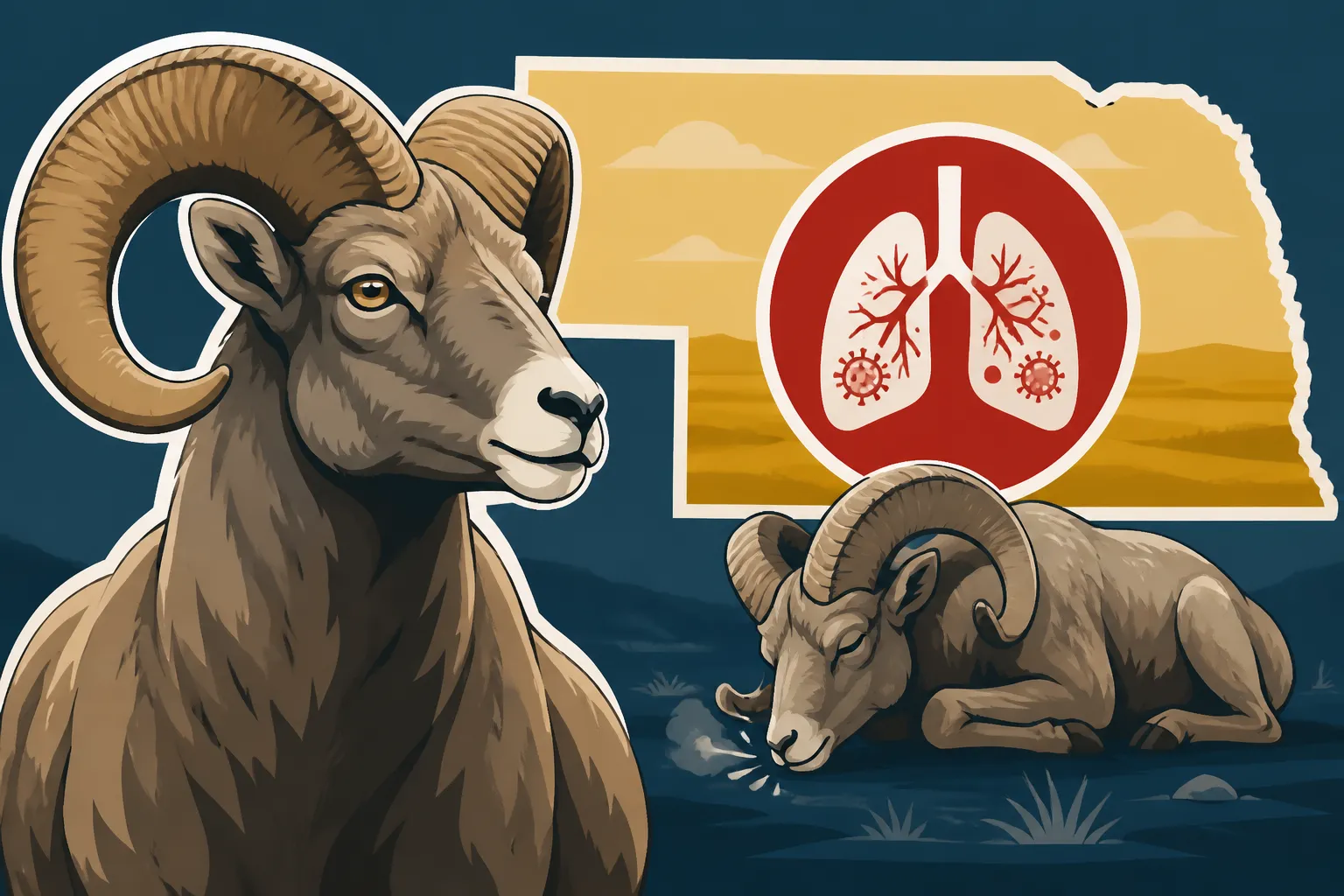
Bighorn pneumonia isn't just a common cold for sheep; it's a severe, often fatal respiratory disease. At its core, it's caused by a complex cocktail of bacteria, primarily Mycoplasma ovipneumoniae (M.ovi) and various strains of Pasteurella bacteria. These pathogens essentially set up shop in the bighorn's lungs, leading to inflammation, congestion, and often secondary bacterial infections that overwhelm the animal's respiratory system. Imagine trying to run up a steep incline with your lungs feeling like they're full of concrete – that's what these sheep are up against.
What makes it particularly nasty is that bighorn sheep, especially lambs, have very little natural immunity to these specific bacteria. While adult sheep might sometimes survive, they can become chronic carriers, silently spreading the disease to others. This means that even if a herd weathers an initial outbreak, the threat lingers, ready to strike down the next generation of lambs, who are far more vulnerable. It’s a vicious cycle that makes recovery incredibly slow and precarious.
How Pneumonia Spreads in Wild Sheep Herds
The spread of bighorn pneumonia is tragically efficient in a herd setting. It’s primarily transmitted through direct, nose-to-nose contact between infected and uninfected animals. When a sick bighorn coughs or sneezes, tiny respiratory droplets carrying the bacteria can easily be inhaled by another sheep grazing nearby. Given the social nature of bighorns, particularly during rut or when ewes and lambs gather, opportunities for transmission are abundant.
However, the most significant and heartbreaking source of these pneumonia strains, the ones that often trigger devastating die-offs in wild bighorn populations, are domestic sheep and goats. These animals carry the bacteria without typically showing severe symptoms themselves. They act as a "disease bridge," transmitting strains that are often deadly to their wild cousins. Even a brief interaction between a wild bighorn ram wandering into a pasture with domestic sheep, or domestic sheep grazing near bighorn habitat, can be enough to introduce the pathogen to the wild herd. This interaction point is a constant, pressing concern for wildlife managers across all states with bighorn populations, including Nebraska.
The Devastating Impact on Nebraska's Bighorn Population
Nebraska's bighorn sheep story is one of incredible dedication and perseverance. These magnificent animals were extirpated from the state decades ago, only to be reintroduced through diligent conservation efforts beginning in the late 1980s. When you look at Bighorn Sheep Restoration in Nebraska, it's clear how much time, money, and passion has gone into getting these herds re-established in places like the Pine Ridge and Wildcat Hills. So, when pneumonia strikes, it’s not just a setback; it’s a profound blow to decades of work.
These outbreaks can cause significant mortality, sometimes wiping out a large percentage of a herd in a very short period. Beyond the immediate deaths, pneumonia also has long-term, insidious effects. Ewes that survive an initial infection may become carriers and pass the bacteria to their lambs. This often leads to "lamb pneumonia," where a high percentage of each year's lamb crop succumbs to the disease, severely hindering recruitment and population growth. This means that even if the adults seem to recover, the future of the herd is constantly jeopardized, making it incredibly difficult for populations to expand or even maintain their numbers. The vision of thriving bighorn herds in Nebraska relies on overcoming this persistent threat.
The Complexities of Managing Bighorn Pneumonia
Managing bighorn pneumonia is like trying to solve a puzzle with half the pieces missing, and the remaining ones keep changing shape. It’s not just about treating sick animals; it’s about understanding disease ecology, human-wildlife interaction, and the sheer logistical hurdles of working with wild animals in rugged terrain.
Challenges in Prevention and Treatment
Preventing bighorn pneumonia is incredibly difficult because wild sheep herds are, well, wild. Unlike domestic livestock, you can't simply round them up for routine vaccinations or administer antibiotics to every sick animal. Developing a vaccine that is both effective against the various bacterial strains and practical to deliver to dispersed, free-ranging bighorns is a monumental scientific and logistical challenge. Even if a vaccine existed, capturing and treating every sheep would be an impossible task.
Another major hurdle is the source of the disease: domestic sheep and goats. Wildlife agencies often work tirelessly to create buffer zones or find ways to separate wild and domestic herds, but fences can be breached, and determined animals can roam. The economic realities for ranchers, combined with the difficulty of truly isolating vast tracts of land, mean that preventing contact remains an ongoing and often contentious issue. The ideal solution is often not straightforward, and every stakeholder has valid concerns.
Monitoring Herd Health and Disease
Despite the challenges, Nebraska Game and Parks, often in collaboration with organizations and researchers, puts significant effort into monitoring the health of its bighorn herds. This isn't just about counting sheep; it's about detailed observation and sometimes, hands-on science. Wildlife biologists regularly conduct aerial surveys, ground observations, and occasionally capture and collar animals to track their movements and health. Blood samples are taken to test for the presence of various pathogens, including those associated with pneumonia. These efforts help them understand where the disease might be present, how it's spreading, and what impact it's having on lamb survival and overall population numbers.
For hunters, especially those with an interest in or a permit for Nebraska Bighorn Sheep Lottery, resources like the Public Access Atlas and online platforms can be invaluable for gaining insight into game populations and potential health concerns. While not specific to disease data, platforms like GoHunt provide mapping tools and harvest data that can give you a better overall picture of the landscape and what's happening on a broader scale, which is essential for any serious big game hunter. Every piece of data helps build a more complete picture of herd health.
The Role of Domestic Livestock Interactions
The interaction between wild bighorn sheep and domestic livestock, particularly sheep and goats, is truly at the heart of the bighorn pneumonia problem. It's what biologists call a "disease spillover" event. Domestic sheep have often evolved with the Mycoplasma ovipneumoniae bacteria, developing a tolerance that means they rarely get sick, but they can still shed the bacteria. When a wild bighorn comes into contact with even one domestic sheep, it's like introducing a highly contagious illness into a population with no defense.
This creates a delicate and complex management situation. Conservation agencies work closely with landowners and ranchers, trying to find solutions that protect both agricultural interests and the health of wild bighorns. This might involve voluntary herd separations, land swaps, or even financial incentives for ranchers to implement practices that reduce the risk of contact. It's a continuous balancing act, seeking to minimize risk without unduly burdening rural communities. Hunters who understand the value of healthy bighorn herds also recognize the importance of these difficult conversations and collaborations in securing the future of these iconic animals.
Protecting Nebraska's Bighorns: What Hunters Can Do
As hunters, we're often the first line of defense and observation in the field. Our eyes and ears can be incredibly valuable to wildlife managers, and our actions can directly contribute to the health of the herds we cherish.
Recognizing Signs of Sickness in Bighorn Sheep
Being able to recognize the signs of a sick bighorn sheep is crucial. If you're out in the Pine Ridge or the Wildcat Hills, whether you're scouting for deer, shed hunting, or have one of those coveted bighorn permits, keeping an eye out for unusual behavior or physical symptoms can make a difference. Here's what to look for:
| Symptom Category | Healthy Bighorn Sheep | Sick Bighorn Sheep (Potential Pneumonia) |
|---|---|---|
| Activity/Behavior | Alert, agile, strong, often moving confidently | Lethargic, listless, standing hunched, isolating from herd |
| Respiration | Smooth, unlabored breathing | Labored breathing, rapid shallow breaths, open-mouth breathing |
| Nasal/Ocular | Clear eyes, no nasal discharge | Excessive nasal discharge (clear to thick and purulent), runny eyes, crusty muzzle |
| Coughing | Rare or non-existent | Frequent, deep, wet coughing |
| Coat Condition | Sleek, well-maintained, no obvious issues | Dull, rough coat, often appears unkempt |
| Overall Condition | Well-muscled, alert posture, good body condition | Emaciated, poor body condition, ribs visible, head often low |
If you observe any bighorn sheep exhibiting these symptoms, it's incredibly important to contact Nebraska Game and Parks as soon as possible. Detailed observations, including location, time, and specific symptoms, are vital. Your report could be a critical piece of information for wildlife biologists tracking an outbreak.
Hunter Responsibility and Ethical Practices
Ethical hunting goes far beyond fair chase; it extends to our responsibility to the health of the game species we pursue. For bighorns, this means being particularly mindful of disease transmission. If you have a permit, or even if you're just enjoying the bighorn country, consider the following:
- Report Sick Animals: As mentioned, if you see a bighorn that appears sick, report it immediately to Nebraska Game and Parks. Don't assume someone else will.
- Avoid Contact with Domestic Sheep/Goats: If you own domestic sheep or goats, or spend time around them, take extreme precautions before entering bighorn habitat. Change clothes, disinfect boots and gear, and ensure you aren't inadvertently carrying pathogens. This is one of the most critical steps to prevent disease spread.
- Clean Gear: Always clean your boots, vehicles, and equipment thoroughly before and after visiting bighorn habitat, especially if you've been in areas with domestic livestock. This helps prevent the transfer of soil-borne pathogens or other biological material.
- Respect Management Guidelines: Pay close attention to any specific regulations or advisories from Nebraska Game and Parks regarding bighorns, including potential area closures or carcass transport rules, which may be implemented to prevent disease spread, similar to Carcass Transport Rules Out of Nebraska for deer.
By being diligent and thoughtful, hunters become active participants in the conservation of these magnificent animals.
Supporting Conservation Efforts
The future of Bighorn Sheep in the Nebraska Pine Ridge is largely dependent on continued conservation efforts, and hunters play a significant role in funding these initiatives. When you purchase a hunting permit, particularly for big game, a portion of those funds directly supports wildlife research, habitat improvement, and disease management programs. The highly sought-after Nebraska Bighorn Sheep Auction Permit, for instance, generates substantial funds that are specifically dedicated to bighorn research and management.
Beyond permit fees, supporting conservation organizations that work in Nebraska, like the Rocky Mountain Bighorn Society or local chapters of conservation groups, also makes a tangible difference. These groups often contribute to scientific research, public education, and habitat projects that indirectly or directly benefit bighorn sheep. Understanding the Nebraska Bighorn Sheep Lottery Odds and the value placed on these limited permits highlights the collective investment we all have in ensuring these herds thrive for generations to come. Your passion for hunting can truly be a force for good in protecting Nebraska's wild places and its iconic wildlife.
Disclaimer
This article is for general informational purposes only and does not constitute professional advice. Laws, prices and regulations vary by location and change over time. Consult a qualified professional for guidance on your specific situation.