How Much CRP Nebraska Has Lost
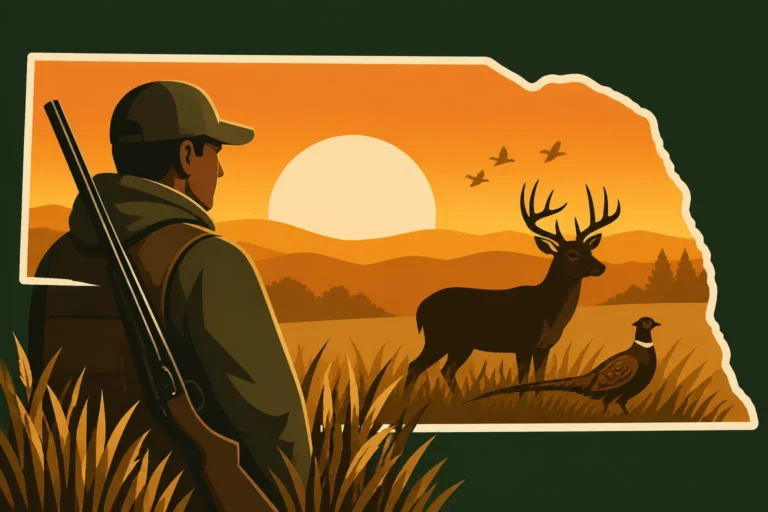
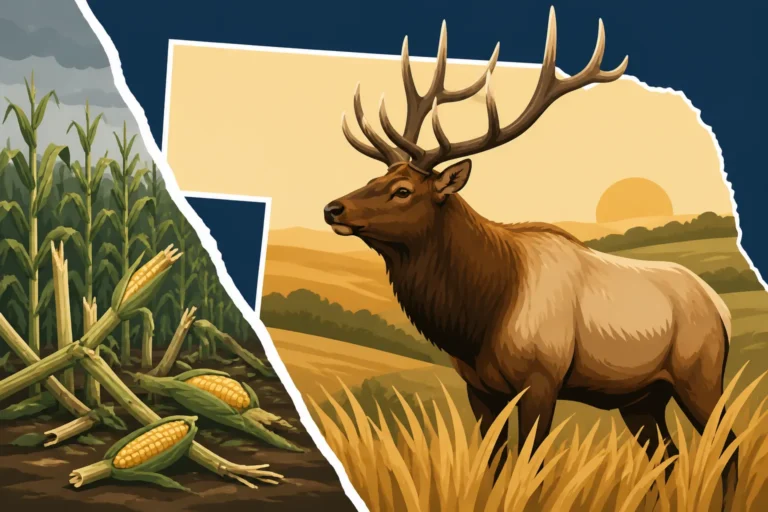
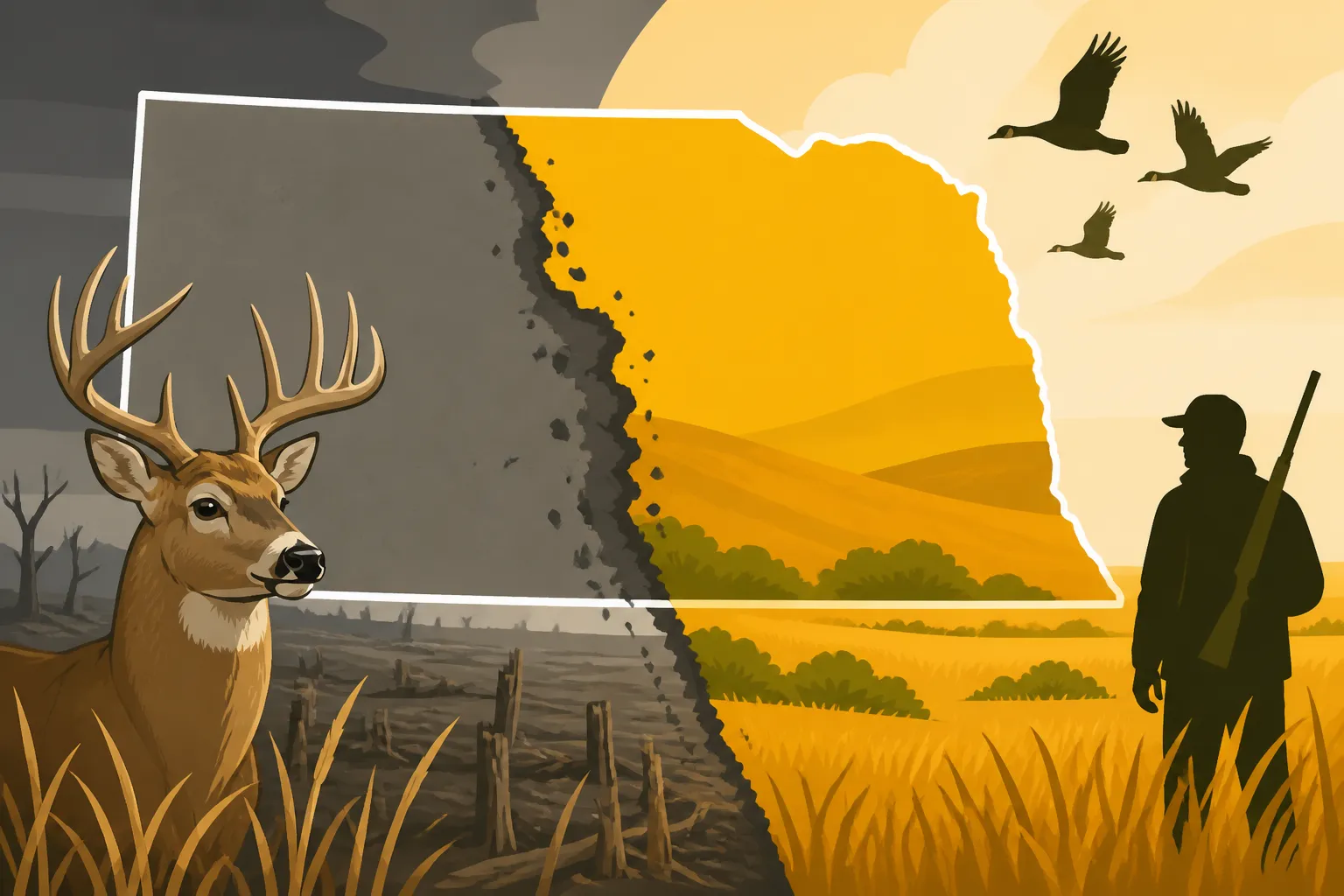
Many Nebraska hunters often feel like there's less good cover out there than there used to be, especially for pheasants and even deer. It's not just a feeling; a significant factor contributing to this perception is the considerable reduction in Conservation Reserve Program (CRP) acres across the state over the years. This guide will dive deep into the story of Nebraska's CRP, exploring its initial impact, the reasons behind its decline, and what that means for hunters like us today.
The Genesis and Grand Promise of CRP in Nebraska
When the Conservation Reserve Program was first introduced, it felt like a game-changer for wildlife, particularly in agricultural states like Nebraska. For decades, the landscape had been continuously intensified for farming, often leaving very little in the way of untouched, perennial cover for wildlife. CRP was designed to reverse some of that trend, offering a lifeline to species that depend on grassland and wetland habitats.
What Conservation Reserve Program Aimed to Achieve
At its heart, CRP offered landowners a chance to take environmentally sensitive land out of agricultural production for a period, typically 10 to 15 years. In exchange for converting highly erodible cropland or land near water bodies into perennial grasses, legumes, or trees, landowners received annual rental payments and cost-share assistance. The goals were multi-faceted: reduce soil erosion, improve water quality, and crucially for us hunters, enhance wildlife habitat. Imagine vast tracts of land that were once monoculture fields suddenly bursting with diverse plant life – native grasses swaying in the wind, providing critical nesting, brood-rearing, and winter cover for a multitude of species. It wasn't just about reducing soil loss; it was about bringing back life to the landscape.
The Golden Era of Habitat for Pheasants and Deer
For hunters, the advent of CRP ushered in what many fondly remember as a "golden era," especially for upland birds. Pheasants, in particular, thrived in the dense, protective cover that CRP fields provided. These fields offered ideal nesting sites in spring, safe havens for broods in summer, and crucial thermal cover against bitter Nebraska winters. It wasn't uncommon to see pheasant numbers surge in areas with significant CRP enrollment. Nebraska's Pheasant Population Decline is often directly linked to the health of these programs. Beyond pheasants, deer also benefited immensely. CRP acreage provided excellent bedding cover, especially in flat, open country where natural timber or thickets were scarce. Bucks and does would seek refuge in these tall grass fields, making them key areas for both feeding and security. Suddenly, there were more places for wildlife to live, which naturally meant more opportunities for hunters. The landscape offered a patchwork of food, water, and cover that supported robust populations, making hunting seasons feel incredibly abundant.
A Gradual Erosion: Tracking CRP Losses Across Nebraska
While the benefits of CRP were undeniable, the program's footprint on the Nebraska landscape hasn't been static. Over the years, a combination of economic pressures and evolving agricultural practices has led to a significant, and often disheartening, reduction in CRP acres.
The Economic Tides That Pulled Acres Out
The primary driver behind CRP's fluctuations has always been economics. When commodity prices for corn, soybeans, and other crops are high, the financial incentive for landowners to keep land in CRP diminishes. The annual rental payment from CRP, while helpful, often can't compete with the potential income from a bumper crop. So, as contracts expire, many landowners opt to convert their CRP ground back into active cultivation, chasing the higher profits of row crops. This cycle means that the total CRP acreage can swing dramatically based on market conditions. It's a tough decision for landowners who are trying to make a living, but for wildlife and hunters, it often translates to a direct loss of critical habitat. The decision to farm or conserve often comes down to the bottom line, and when the market whispers "farm," many acres return to production. This also plays a huge role in CRP Loss Since the 1990s Peak.
The Shifting Focus of Land Use and Agriculture
Beyond commodity prices, changes in agricultural technology and land use planning also contribute to CRP loss. Modern farming techniques allow for more efficient cultivation of marginal lands that might have once been deemed "highly erodible" and therefore prime candidates for CRP. Precision agriculture, improved irrigation, and more resilient crop varieties mean that fields previously considered too challenging or unproductive for consistent farming can now be brought back into rotation profitably. This intensifies land use across the state, further reducing the total acreage available for conservation programs.
Furthermore, there’s been a subtle shift in the philosophy surrounding some conservation efforts. While habitat is still a priority, there’s also a focus on things like water quality and specific ecological restoration projects, which might not always involve large, sweeping CRP grassland enrollments. It’s a complex tapestry of motivations that shapes how land is utilized in Nebraska, and unfortunately for general habitat, many threads have been pulled back from CRP.
To illustrate the trend, though without using real, up-to-date numbers (as those constantly shift), consider this general representation of how CRP acres have trended:
| Era | Estimated Acres Under CRP (Illustrative) | General Trend | Impact on Habitat |
|---|---|---|---|
| Peak Enrollment | Over 1.5 Million Acres | Massive Growth | Abundant, widespread habitat for all species |
| Mid-Period | ~1 Million Acres | Gradual Decline | Habitat still significant, but fragmentation begins |
| Recent Era | Under 1 Million Acres | Continued Decline, Plateaus, or Minor Fluctuations | Patchy, often smaller tracts; habitat highly valued |
Note: These figures are illustrative to demonstrate the trend of reduction and are not specific historical or current data.
The Real-World Impact: How Fewer CRP Acres Affects Hunting
The reduction in CRP acres isn't just a number on a spreadsheet; it's a tangible change that directly affects the quality and accessibility of hunting experiences across Nebraska. For those of us who spend countless hours in the field, the impact is undeniable.
Dwindling Cover and Its Toll on Upland Birds
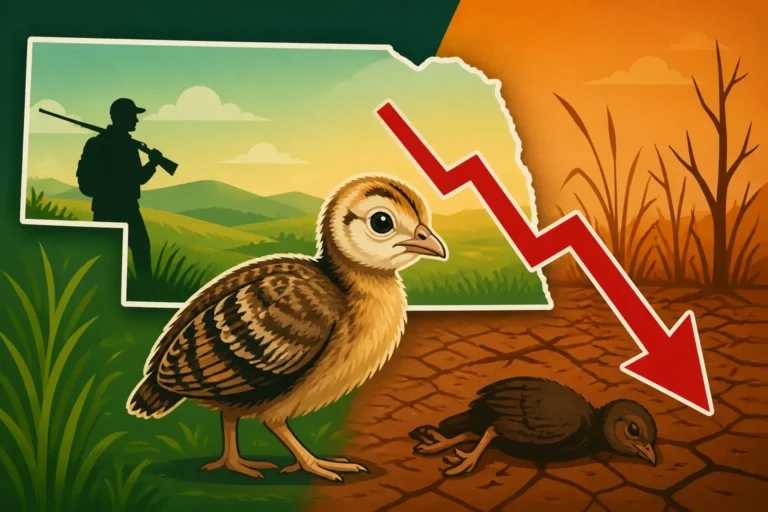
The most immediate and noticeable impact of CRP loss is on upland bird populations, particularly pheasants and quail. Without those expansive, dense grass fields, birds have fewer places to nest successfully, fewer areas to find protection from predators, and less thermal cover during harsh winters. When much of the landscape is turned back into row crops, birds are forced into smaller, more fragmented pockets of remaining habitat, such as fencelines, drainage ditches, and small patches of weeds. This concentration makes them more vulnerable to predation and reduces their overall survival rates.
Hunters, in turn, face more challenging hunts. Gone are the days of simply walking a massive CRP field and expecting to flush multiple coveys. Now, you might find yourself working much harder to locate birds in narrower strips of cover, often shared with many other hunters. Walking Milo and Corn Stubble for Pheasants becomes a primary tactic, but these fields don't offer the same long-term benefits as diverse perennial cover. It also makes Winter Weather and Pheasant Survival even more precarious, as those critical dense grass stands that trapped snow and provided warmth are now gone. The fewer CRP acres means fewer places for young birds to survive and fewer places for adult birds to evade the elements and predators, leading to lower overall numbers and tougher hunting.
Changing Deer Patterns in Row-Crop Country
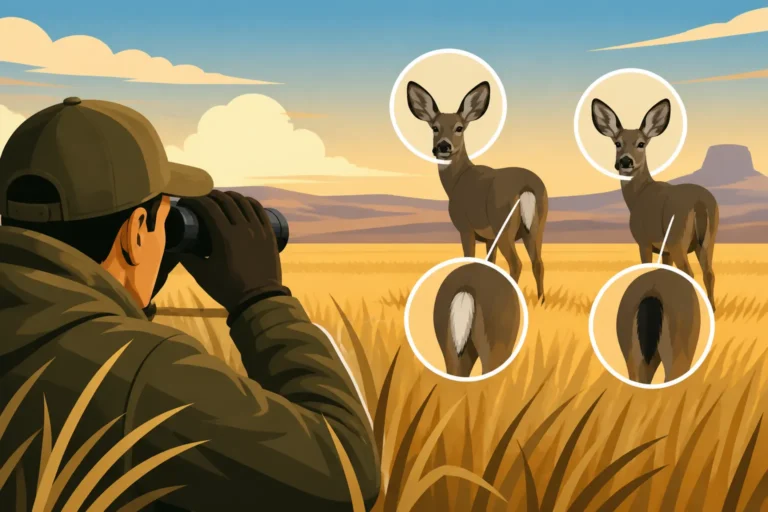
While pheasants might be the poster child for CRP benefits, deer also feel the squeeze when these conservation acres disappear. In parts of Nebraska dominated by agriculture, CRP fields provided crucial bedding areas. During hunting seasons, deer would often retreat into these thick, tall grasslands for security, making them predictable places to find animals. With those fields converted back to corn or soybeans, deer are forced to adapt.
They might now bed in smaller woodlots, deeper ravines, or even within standing crops if they're still in the field. This can change their movement patterns, making them less predictable for hunters who relied on the CRP as a consistent sanctuary. For instance, Where Nebraska Whitetails Bed in Row-Crop Country might shift dramatically from a large grass field to a small timber patch along a creek, increasing pressure on these smaller areas. Hunters need to adjust their scouting and tactics, understanding that deer will utilize whatever dense cover remains. They become more reliant on small, isolated coverts, making accurate interpretation of Entry and Exit Routes on Flat Farm Ground even more critical around these limited resources. This forces a more adaptable approach to hunting, constantly studying how deer use the remaining habitat in a landscape that's always changing.
Adapting to the New Normal: Strategies for the Modern Nebraska Hunter
The reality of reduced CRP acres means that hunters in Nebraska have to be more adaptable, more strategic, and frankly, work a little harder to find success. But it's not all doom and gloom; it just requires a different approach than what some might remember from decades past.
Identifying Remaining Habitat Hotspots
With fewer widespread CRP acres, pinpointing the remaining quality habitat becomes paramount. This means more intensive scouting, often relying on a combination of digital tools and boots-on-the-ground exploration. Platforms like GoHunt, for example, often offer robust mapping features that can help you identify public lands, Open Fields and Waters tracts, and even areas with specific habitat types like grasslands, even if they aren't labeled explicitly as CRP. You can use these tools to scout remotely, looking for those critical patches of cover, especially where they intersect with food sources or water.
Beyond technology, good old-fashioned driving and walking are essential. Pay attention to fencelines that haven't been grazed, brushy draws, cattail sloughs, and even unharvested corners of fields. These smaller, often overlooked areas can become vital refuges for pheasants, deer, and other wildlife. Don't dismiss a small patch of weeds; in a landscape of intensive agriculture, it could be a goldmine. Understanding What Changes in Nebraska After the Corn Comes Off is also key, as new pockets of cover and food become apparent, forcing deer to shift their patterns.
Leveraging Technology and Local Knowledge
The modern hunter has a distinct advantage with the array of tools available. Mapping apps that show property boundaries and public access points are indispensable. They allow you to differentiate between true public land, Open Fields and Waters (OFW) tracts, and private ground. The Nebraska Public Access Atlas is an absolute must-have, whether in print or via its mobile app, as it delineates all publicly accessible lands. Scouting Nebraska Public Ground Before Opening Day is much more efficient with these resources.
Furthermore, building relationships with landowners can unlock access to private ground that still holds good cover. A friendly knock on a door, a respectful conversation, and an offer to help with chores can go a long way. Many landowners are happy to grant permission to courteous hunters, especially if they know their land will be respected. Also, consider areas enrolled in programs like Nebraska's Open Fields and Waters, which specifically provides public hunting access on private land. These tracts are often managed for wildlife and can be fantastic opportunities. Hunting Nebraska's Open Fields and Waters Program is designed to help hunters find exactly the kind of accessible habitat that CRP once provided on a wider scale. Even with fewer CRP acres overall, by being diligent, tech-savvy, and personable, you can still find incredible hunting opportunities in Nebraska.
Disclaimer
This article is for general informational purposes only and does not constitute professional advice. Laws, prices and regulations vary by location and change over time. Consult a qualified professional for guidance on your specific situation.