Stamps You Need Before Hunting Waterfowl
There's nothing quite as frustrating as planning an exciting waterfowl hunt in Nebraska, scouting your spot, setting your decoys, and then realizing you're missing a critical piece of paperwork. The complex web of federal and state regulations, especially when it comes to migratory birds, can trip up even experienced hunters. This comprehensive guide is here to untangle that confusion, clearly laying out every stamp and permit you'll need to legally and confidently pursue ducks and geese across the Cornhusker State.
Understanding the Foundation of Waterfowl Regulations
Before we dive into the specifics, it's really helpful to understand why these stamps and permits exist in the first place. It's easy to see them as just another fee, another hurdle to jump through, but they actually serve a critical purpose in conservation. For over a century, these requirements have been the backbone of funding for wetland protection and waterfowl management across North America. When you purchase a stamp, you're directly contributing to the habitat that these incredible birds need to survive and thrive, ensuring there are ducks and geese for future generations of hunters.
The Federal Role in Migratory Bird Management
The United States has a long history of protecting migratory birds, largely due to international treaties. Since waterfowl cross state and even national borders, managing their populations and habitats requires a unified approach. This is where the federal government steps in, primarily through the U.S. Fish and Wildlife Service. They set broad guidelines, enforce regulations, and, importantly, manage the sale of the Federal Duck Stamp, which is a cornerstone of wetland conservation funding. Without this federal oversight and the funds it generates, our ability to maintain robust waterfowl populations would be severely hampered.
Nebraska's Contribution to Waterfowl Conservation
While federal stamps cover the broader migratory bird landscape, individual states like Nebraska also have their own specific requirements to manage local wildlife and habitat. Nebraska's landscape, from the Platte River to the Rainwater Basin, is incredibly important for waterfowl along the Central Flyway. Therefore, the state imposes its own permits and stamps, which generate funds specifically dedicated to Nebraska's conservation efforts. These funds support local habitat projects, wildlife research, and enforcement, directly benefiting the hunting opportunities right here in our state. It's a two-tiered system that ensures both continental and local needs are met for these birds.
Essential Stamps and Permits for Nebraska Waterfowl Hunting
When you're gearing up for a waterfowl hunt in Nebraska, there are several key documents you absolutely must have in your possession. Missing any one of these can lead to fines and a ruined hunt, so it’s crucial to understand each requirement thoroughly. It's not just about having a general hunting license; waterfowl hunting has its own specific set of prerequisites that acknowledge the unique management needs of migratory birds.
The Federal Migratory Bird Hunting and Conservation Stamp
First and foremost, you'll need the Federal Migratory Bird Hunting and Conservation Stamp, more commonly known as the Federal Duck Stamp. This isn't just a recommendation; it's a non-negotiable legal requirement for anyone 16 years of age or older who plans to hunt ducks, geese, or other migratory waterfowl. The vast majority of the revenue generated from the sale of these stamps—about 98 cents of every dollar—goes directly to the Migratory Bird Conservation Fund. These funds are used to acquire and protect wetland habitats and grasslands for the National Wildlife Refuge System, benefiting countless species beyond just waterfowl. It's amazing to think that your small purchase directly safeguards millions of acres of crucial habitat across the country. Many hunters appreciate knowing that their money is directly supporting the very resource they enjoy. If you're wondering about the cost, you can find the current Nebraska Federal Duck Stamp Cost to plan your budget.
The Nebraska Habitat Stamp
Beyond the federal requirement, Nebraska has its own state-specific stamp that is mandatory for nearly all hunting activities within its borders, including waterfowl. This is the Nebraska Habitat Stamp. This stamp is another vital source of funding, but its proceeds are dedicated specifically to habitat improvement and public access projects right here in Nebraska. It supports initiatives like the Open Fields and Waters program, which creates more public hunting opportunities, and helps manage Wildlife Management Areas (WMAs) throughout the state. Whether you're chasing pheasants in western Nebraska or calling geese in the Rainwater Basin, this stamp is a must-have. It’s a way for hunters to directly invest in the local lands and waters that make Nebraska such a great place to hunt.
The Hunter Information Program (HIP) Registration
This is one that often catches hunters off guard because it doesn't involve a physical stamp or a monetary fee, but it's just as mandatory: the Hunter Information Program (HIP) registration. If you plan to hunt any migratory game birds, including ducks, geese, doves, woodcock, snipe, coots, or rails, you must register with HIP annually in Nebraska. It's a free registration, but it's crucial for wildlife management. The information collected through HIP surveys helps state and federal agencies estimate the harvest of migratory birds, track hunter participation, and make informed decisions about season dates and bag limits. When you register, you'll be asked a few basic questions about your hunting activities from the previous year. This data is incredibly valuable for sound conservation, even if it feels like a simple formality. Don't skip it; understanding the Nebraska HIP Registration Requirement is paramount.
Your Base Nebraska Hunt Permit
It might seem obvious, but it's worth stating clearly: you'll also need a general Nebraska hunting permit (license) before you can purchase any specific stamps or legally hunt. Whether you're a resident or non-resident, this is your foundational permit that grants you the general privilege to hunt in the state. The Nebraska Annual Hunt Permit Cost varies for residents and non-residents, but it's the first step in assembling your legal hunting toolkit. Without this base permit, the stamps are essentially invalid, as they are supplemental to your general hunting authority. Make sure this is the very first thing you acquire.
Acquiring Your Waterfowl Hunting Essentials
Now that you know what you need, let's talk about how to get it. The process is generally straightforward, but knowing the various purchasing options and a few insider tips can save you time and hassle, especially when you’re eager to get out into the field.
Purchasing Your Federal Duck Stamp
The Federal Duck Stamp is fairly easy to acquire, with several convenient options available. The most traditional route is to pick one up at your local post office. They typically stock them well before hunting seasons open. Alternatively, you can purchase it online through the U.S. Fish and Wildlife Service's website or through various outdoor retailers. When you buy it online, you'll usually receive an e-stamp or a confirmation number that is valid immediately for up to 45 days. During this period, you should carry proof of purchase, such as a confirmation email or printout, while the physical stamp is mailed to you. Once you receive the actual stamp, make sure to sign it across the face in ink to make it valid; an unsigned stamp is not legally valid for hunting. It's a small detail, but one that can lead to a big headache if overlooked.
Obtaining Nebraska State Permits and the Habitat Stamp
For your Nebraska hunting permit and the Nebraska Habitat Stamp, the process is streamlined. You can purchase both directly through the Nebraska Game and Parks Commission (NGPC) website, which offers an easy-to-navigate online portal. Many hunters find using an online platform like GoHunt incredibly convenient for purchasing permits and even scouting out potential hunting areas. Simply create an account, select the permits you need, and complete your purchase. You'll often receive an electronic version of your permits, which you can print or store on your smartphone.
If you prefer an in-person transaction or need to grab a permit last minute, you can visit any authorized Nebraska Game and Parks permit vendor. These vendors include many sporting goods stores, bait shops, and even some grocery stores across the state. They have the capability to issue your permits on the spot. Just be sure to bring appropriate identification, especially if you're applying for resident permits. These vendors are also excellent resources if you have any questions about specific regulations or need advice on local hunting conditions.
Registering for the Hunter Information Program (HIP)
Registering for HIP is arguably the easiest part, as it's free and can be done quickly online. You can complete your HIP registration through the Nebraska Game and Parks Commission website when you purchase your other permits, or as a standalone process. Many states integrate HIP registration directly into the hunting license purchase flow, making it nearly impossible to forget. During registration, you'll answer a brief series of questions about the types of migratory birds you plan to hunt and your success from the previous season. This data is critical for understanding Waterfowl of the Central Flyway in Nebraska and ensuring sustainable hunting. Even if you only plan to hunt one type of migratory bird, like geese in the Nebraska Goose Units and Dates, you still need to register. Don't let its simplicity make you overlook its importance!
Planning Your Waterfowl Hunt Beyond the Permits
Getting your permits and stamps in order is just the first step in planning a successful and enjoyable waterfowl hunt. There's a whole lot more to consider, from understanding specific season dates to having the right gear. Taking the time to prepare thoroughly will not only increase your chances of success but also ensure you have a safe and legal hunt.
Understanding Season Dates and Zones
Nebraska's waterfowl seasons can vary significantly depending on the species and the specific zone you're hunting in. The state is divided into different duck and goose zones, each with its own open and close dates and sometimes different bag limits. For example, the Nebraska Duck Zones and Split Seasons can have different rules than the High Plains Zone. These zones are designed to account for varying migration patterns and local bird populations. Always double-check the current year's Nebraska Game and Parks Commission hunting guide or their website for the most up-to-date information on Nebraska Waterfowl Seasons and Zones. Ignorance of the dates is not an excuse for hunting out of season, and the rules can change slightly from year to year, so don't rely on last season's memory. A quick check before each hunt, perhaps using a detailed hunting app like GoHunt, can save a lot of grief.
Gear and Tactics for Nebraska Waterfowl
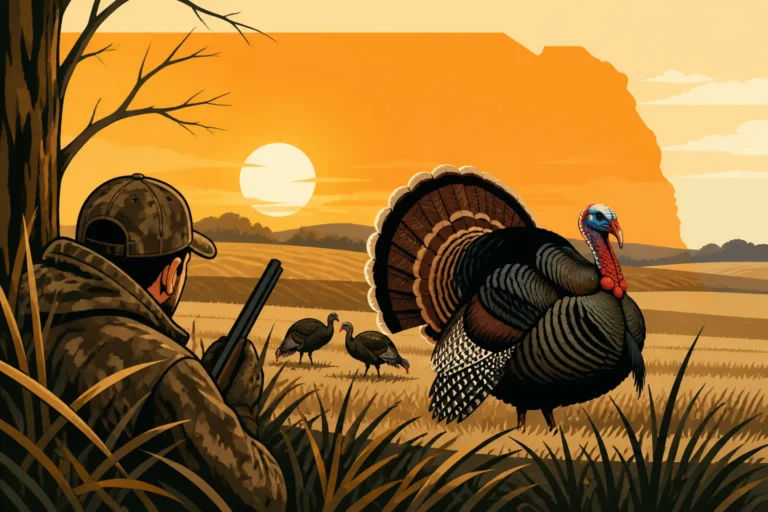
Once your paperwork is in order and you know your season dates, it's time to think about gear and tactics. Waterfowl hunting in Nebraska can be diverse, from field hunting geese in harvested corn to jump shooting ducks on a small river. Each scenario might require different equipment. If you're hunting the famous Rainwater Basin Waterfowl Numbers, you'll likely need specialized gear for marsh environments. For instance, Waders for Nebraska Marsh Hunting are almost always essential to stay dry and comfortable in the shallow waters. Decoys are another big one – a good spread can make all the difference, and understanding how to effectively set up Setting Decoys Around a Layout Blind in a cut cornfield is a learned skill. Don't forget proper camouflage, calls, and of course, a reliable shotgun with appropriate ammunition. Hunting waterfowl requires durable gear that can withstand the elements, often in cold and wet conditions.
Scouting and Local Conditions
Successful waterfowl hunting often boils down to good scouting. You need to know where the birds are feeding, loafing, and roosting. This means spending time driving back roads, observing flight patterns, and looking for concentrations of birds. Pay attention to agricultural fields, especially those with corn or milo stubble, and bodies of water like reservoirs, rivers, and the myriad wetlands throughout the Rainwater Basin. Understanding local conditions, such as recent harvests, water levels, and even daily temperatures, will give you a significant advantage. Remember that waterfowl are incredibly adaptable and can change their patterns quickly due to weather shifts or hunting pressure. Staying mobile and being willing to move your setup can often be key to finding success.
| Requirement | Purpose | Where to Purchase/Register | Cost (Approximate, subject to change) | Validity |
|---|---|---|---|---|
| Nebraska Annual Hunt Permit | General license to hunt in Nebraska | NGPC Website, authorized vendors | Varies (Resident/Non-resident) | Annual |
| Federal Duck Stamp | Funds national wetland conservation and refuge system | Post Office, USFWS website, authorized retailers | ~$25 | Annual (July 1 – June 30) |
| Nebraska Habitat Stamp | Funds state-specific habitat improvement and public access programs | NGPC Website, authorized vendors | ~$30 | Annual (Jan 1 – Dec 31) |
| HIP Registration | Data collection for migratory bird population management | NGPC Website (free registration) | Free | Annual (for current season) |
Disclaimer
The information provided in this guide is intended for general informational purposes only and is subject to change. Hunting regulations and permit requirements can be updated by the Nebraska Game and Parks Commission and federal agencies. It is the hunter's responsibility to verify all current regulations, season dates, and permit requirements directly with the Nebraska Game and Parks Commission and the U.S. Fish and Wildlife Service before engaging in any hunting activities. Always prioritize safety and ethical hunting practices.